For a long time, marble, metal, wood veneer, and leather almost formed the standard design language of luxury hotel spaces. These materials are stable, substantial, expensive, and easily recognized by guests as symbols of luxury. However, as the hotel industry enters a new stage of experience-driven competition, simply stacking expensive materials is no longer enough to create true differentiation. More high-end hotels, boutique hotels, and design hotels are now paying greater attention to spatial lightness, transparency, visual appeal, and emotional value. Transparent materials, especially clear acrylic furniture and transparent decorative installations, are shifting from supporting design elements to visual focal points in hotel interiors. They can naturally integrate with marble, metal, glass, lighting, and other premium materials while reducing visual pressure, helping hotels maintain a luxurious quality while presenting a more modern, younger, and more memorable spatial experience.
1. Luxury Hotel Design Aesthetics Are Changing: From Heavy Luxury to Light Sophistication
In the past, when people talked about luxury hotels, they often thought of large marble walls, heavy stone flooring, dark wood veneers, metal trims, and leather upholstery. These materials can quickly create a sense of luxury and communicate stability, dignity, and high value. In hotel lobbies, reception areas, banquet halls, and suites, marble has long been regarded as an essential material for high-end hotels.
However, today’s hotel guests are changing. A new generation of business travelers, vacation guests, and young high-net-worth consumers are no longer satisfied with spaces that simply “look expensive.” They care more about the first impression after entering a hotel: whether the space feels open, whether the lighting is comfortable, whether the design is memorable, whether the furniture is photo-friendly, and whether the details reflect brand taste. The competition among luxury hotels is no longer only about material cost; it is about spatial experience, visual identity, and brand emotion.
As a result, more hotel designs are moving from “heavy luxury” toward “light sophistication.” This type of sophistication does not mean reducing quality. Instead, it uses smarter material combinations to make the space feel substantial without being oppressive, refined without appearing outdated. Transparent materials are being rediscovered within this trend.
Transparent materials create visual breathing room. They do not carry the same visual weight as large areas of stone, nor do they reduce brightness like dark wood finishes. Transparent furniture, clear coffee tables, acrylic side tables, transparent display shelves, and clear partitions can maintain functionality while reducing visual obstruction, making hotel spaces feel more open, cleaner, and more modern. For hotels pursuing a high-end image, transparent materials are not a cheap substitute; they are a more restrained and intelligent design expression.
2. Why Transparent Materials Are Becoming a New Focus in Hotel Spaces
The reason transparent materials are gaining attention from hotel designers and brand owners first lies in their unique visual extension effect. Luxury hotels often need to create a broader and more comfortable feeling within limited space. This is especially true for urban boutique hotels, design hotels, serviced apartment hotels, and resort suites, where space is not always unlimited. If too many heavy pieces of furniture are used, the room may feel crowded. If the furniture has too much visual presence, it may also interrupt the rhythm of the space.
Clear acrylic furniture solves this problem well. Transparent chairs, tables, cabinets, bed-end benches, and display stands provide practical functions without clearly dividing the space. They allow light to pass through and let flooring, wall finishes, soft furnishings, and lighting remain visible, creating an effect where the furniture exists functionally but carries very little visual burden.
Second, transparent materials are highly compatible with many premium materials. They can be combined with marble to soften the heaviness of stone, with brass or stainless steel to strengthen refinement and modernity, with glass, mirrors, and lighting to create richer light and shadow effects, and with leather, fabric, or wood veneer to balance warm and cool textures. This compatibility is extremely important in hotel design, because hotel spaces are rarely built from a single material system. They are usually composed of multiple materials working together.
More importantly, transparent materials naturally have strong communication value. In the age of social media, hotel spaces must not only serve accommodation needs but also support photography, sharing, and brand communication. A transparent acrylic reception desk, a group of clear lounge chairs, or a floating-style transparent coffee table can often become a visual memory point that guests actively photograph. Unlike overly decorative elements, transparent materials can create lightness, dreaminess, and a futuristic feeling in images.
Luxury hotels do not need simple visual exaggeration; they need tasteful recognition. Transparent materials sit exactly at this balance point. They are distinctive enough, but they do not destroy the overall style. They are modern enough, but they do not feel excessive. They are light, yet they can improve the overall completion of the space.
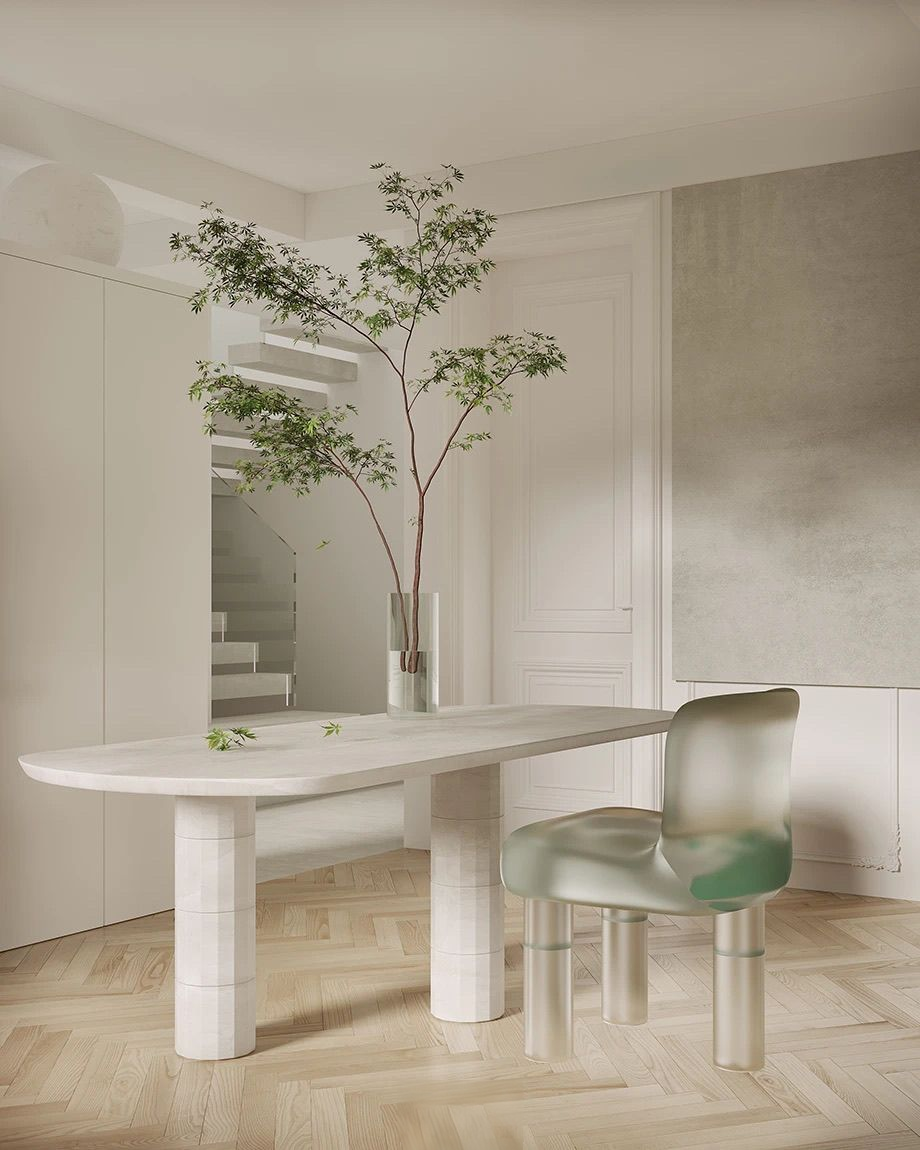
3. Application Scenarios of Clear Acrylic Furniture in Luxury Hotels
In hotel lobbies, transparent materials can be used for parts of reception desks, signage displays, art installations, magazine racks, floral display stands, side tables, and lounge furniture. The lobby is the first visual scene guests experience after entering the hotel, and it is also the area where brand image is most concentrated. If the lobby is made entirely of marble, metal, and wood veneer, it may feel stable but traditional. By adding transparent furniture appropriately, the space gains a sense of breathing room and becomes younger and more open.
For example, a clear acrylic side table placed beside lobby sofas will not block the carpet pattern or sofa outline. Transparent display shelves can be used to present hotel fragrances, artworks, magazines, or co-branded products. Transparent floral stands allow the flowers themselves to become the visual focus instead of letting the supporting structure take attention away. For boutique hotels, these details can strongly reflect design maturity.
In guest rooms, the value of transparent materials becomes even more obvious. Hotel rooms usually need to accommodate a bed, bedside tables, a desk, lounge chair, coffee table, wardrobe, and luggage rack at the same time. If all furniture pieces are heavy, the space can easily feel cramped. Clear acrylic chairs, transparent coffee tables, clear bed-end benches, and transparent storage racks can meet practical needs while reducing spatial pressure. Especially in boutique rooms with limited area, transparent furniture can make the room appear larger and improve the overall daylighting effect.
In restaurants and bars, transparent materials can interact more strongly with lighting. Clear bar stools, transparent wine racks, acrylic display cabinets, transparent partitions, and hanging installations can allow light to pass through the material edges and create subtle refraction effects. For luxury hotel bars, the combination of lighting, bottles, metal, glass, and clear acrylic can create a more refined nighttime atmosphere. Transparent materials do not weaken the sense of luxury; instead, they enrich the lighting layers and encourage guests to stay longer.
In suites and VIP areas, transparent furniture helps designers balance luxury with modernity. Traditional suites often use large amounts of stone, dark wood, and heavy soft furnishings, which can feel mature but slightly conservative. By adding transparent coffee tables, clear desks, acrylic decorative cabinets, or transparent statement chairs, the space can gain a more contemporary design language that better matches the aesthetics of younger high-net-worth guests.
In swimming pool areas, terraces, sunrooms, and leisure spaces, transparent materials also have clear advantages. They naturally integrate with water, sunlight, greenery, and outdoor views without disrupting the relaxed atmosphere. Clear acrylic furniture has a fresh, clean, resort-style visual character, making it suitable for luxury resort hotels, ocean-view hotels, rooftop bars, and outdoor lounge areas. Compared with traditional wood or rattan furniture, transparent furniture can more easily create a modern feeling and visual focal point.
4. Transparent Materials and Marble Are Not Replacements for Each Other, but a New Combination of Luxury
The popularity of transparent materials does not mean that marble has lost its value. On the contrary, marble remains a very important foundational material in luxury hotel design. It has natural texture, stable quality, and high recognition, and it can establish the tone of a space. The issue is that if marble is used excessively, the space can become heavy, cold, and even lacking in warmth.
The introduction of transparent materials is precisely a way to make the luxury of marble feel lighter. Marble provides stability, structure, and natural texture; transparent materials provide openness, futuristic appeal, and visual breathing room. The two are not in a relationship of replacement. Instead, they work together to form a hotel design language that better fits contemporary aesthetics.
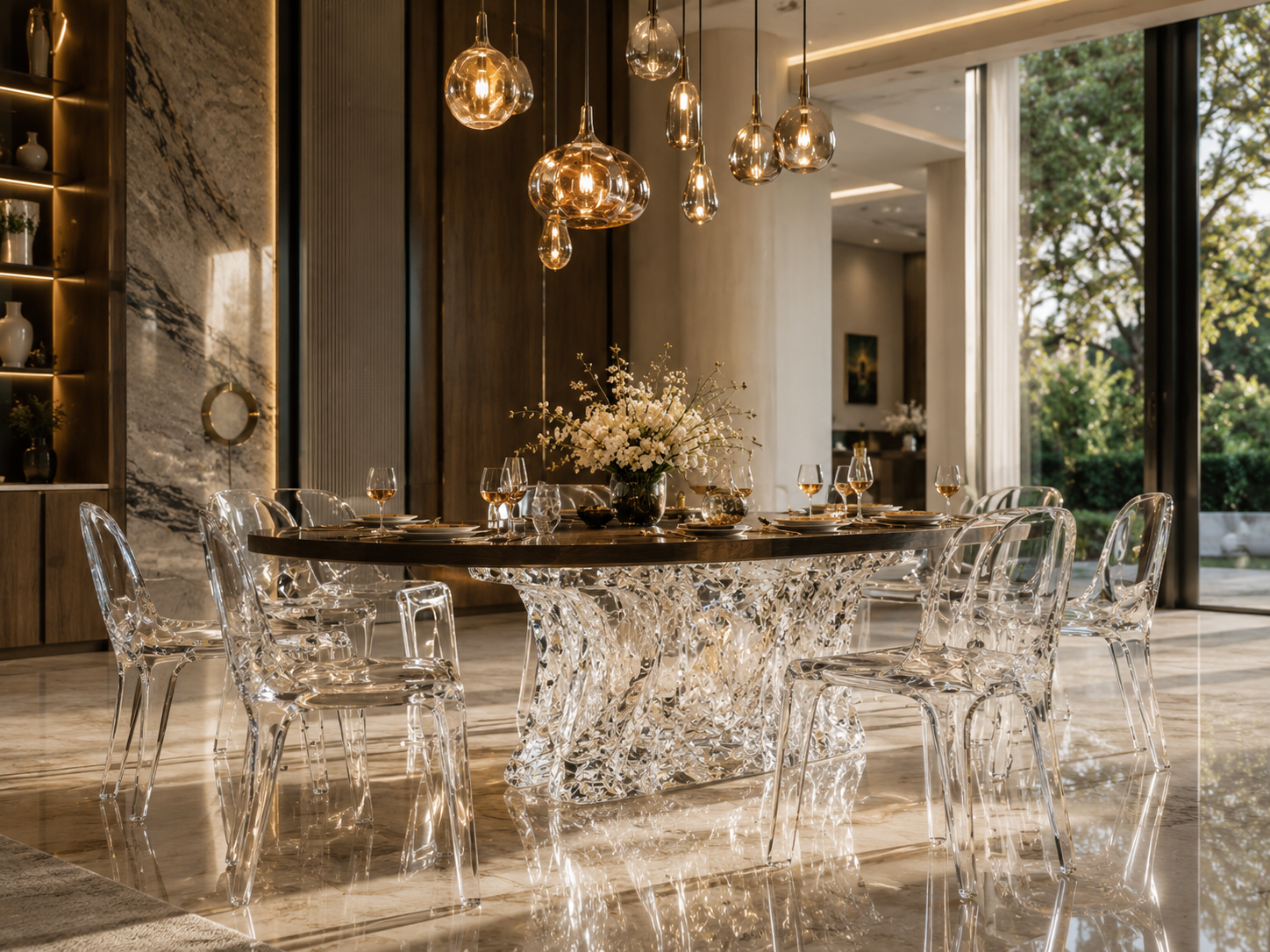
For example, marble flooring paired with a clear acrylic coffee table allows the floor texture to remain fully visible. A transparent display stand placed in front of a marble wall prevents the display area from looking bulky. A marble bar counter paired with clear bar stools makes the bar area younger and more fashionable. In a marble bathroom, transparent storage racks can make the space feel cleaner and more refined.
The key to this combination lies in proportion. Transparent materials should not be blindly overused, otherwise the space may lose stability. Marble should also not be expanded without limit, otherwise it may create visual pressure. Mature hotel design allows different materials to play different roles. Stone provides weight, metal provides refinement, wood veneer provides warmth, fabric provides comfort, and clear acrylic furniture provides lightness, blank space, and visual highlights.
For hotel brands, this material combination also makes differentiation easier. In the past, many high-end hotels looked similar because their material language was too similar. Today, transparent materials provide a new form of expression, allowing hotels to establish a clearer modern identity without sacrificing luxury.
5. Professional Standards Hotels Should Consider When Choosing Transparent Furniture
Transparent furniture may appear simple, but when used in luxury hotel spaces, its quality requirements are very high. Hotel furniture is different from ordinary home furniture. It must withstand high-frequency use, frequent cleaning, different guest habits, and long-term operational wear. Therefore, when hotels choose clear acrylic furniture, they should not only focus on appearance. They must also consider material quality, craftsmanship, structure, and supply capability.
First, material thickness and structural stability must be considered. High-quality clear acrylic furniture needs sufficient thickness and load-bearing capacity, especially for chairs, tables, bed-end benches, display stands, and luggage racks. If the panel is too thin, it may deform after long-term use and affect the sense of safety. When choosing transparent furniture, luxury hotels should confirm load-bearing standards, connection methods, and structural strength according to each application scenario.
Second, transparency and surface craftsmanship matter. Premium clear acrylic should look clean, bright, and free from obvious impurities. Edge treatment is also very important. Whether the polishing is refined, whether the corners are safe, and whether the edges are straight will all affect the final visual result. Guests in luxury hotels are highly sensitive to details. If transparent furniture has rough edges, scratches, or inaccurate joints, it will directly lower the perceived quality of the space.
Third, hotels should pay attention to scratch resistance, yellowing resistance, and cleaning durability. Hotel environments require frequent cleaning, and furniture surfaces may come into contact with cleaning agents, drinks, cosmetics, luggage, and everyday objects. If transparent materials easily turn yellow, scratch, or lose gloss, maintenance costs will become high. Therefore, hotel buyers should prioritize materials and craftsmanship suitable for commercial spaces and clearly define daily maintenance methods.
Fourth, customization capability is essential. Luxury hotels rarely use completely standardized furniture, especially in lobbies, bars, suites, and brand display areas, where products often need to be customized according to space dimensions, brand colors, design drawings, and functional needs. One advantage of clear acrylic furniture is that it can be customized in size, thickness, color, curvature, shape, and partial material combinations. Hotels can use customized transparent furniture to integrate their brand visual language into spatial details.
Fifth, batch delivery and packaging protection must be evaluated. Transparent furniture requires high-standard transportation packaging because once the surface is scratched, the visual effect is affected. For hotel projects, suppliers must not only be able to produce single samples but also provide stable batch delivery, including size consistency, craftsmanship consistency, protective packaging, on-site installation support, and after-sales response. Luxury hotel projects often have tight timelines and high standards, so supply chain capability directly affects the final implementation quality.
6. How Transparent Materials Will Influence Future Hotel Design Trends
In the future, the sense of luxury in high-end hotels will no longer come only from expensive materials themselves. It will come more from material combinations, spatial emotion, and experience design. Marble will remain important, but it will no longer be the only answer. Hotels need more flexible and memorable design languages to build emotional connections with consumers.
Transparent materials will play an increasingly important role in this trend. They can help hotel spaces become lighter, make lobbies more open, guest rooms more transparent, restaurants and bars richer in lighting expression, and suites and leisure areas more aligned with modern aesthetics. Clear acrylic furniture, in particular, combines practical function with decorative value and can create a unified yet non-repetitive visual language across multiple hotel areas.
For luxury hotels, boutique hotels, design hotels, and resort hotels, transparent furniture also carries strong brand communication value. Photos taken by guests inside a hotel often become part of the brand’s secondary communication. A distinctive transparent furniture scene may be easier to remember than ordinary decoration. It does not need to be overly dramatic, yet it can create visual difference.
More importantly, transparent materials represent a new kind of luxury: not accumulation, not display, but restraint, clarity, precision, and modernity. They give space more breathing room and make hotel brands appear younger, more open, and more focused on experience.
Therefore, the fact that luxury hotels are no longer competing only with marble does not mean marble is no longer luxurious. It means truly high-end design has entered a more complex and refined stage. The value of transparent materials lies in the new balance they bring to hotel design: between stability and lightness, luxury and modernity, function and aesthetics, spatial experience and brand communication.
When clear acrylic furniture, transparent display installations, clear partitions, and transparent decorative structures are used properly, hotel spaces become not only more beautiful but also easier to perceive, stay in, photograph, and remember. This is the new focus that future luxury hotel design truly needs.
Contact
LinkedIn: https://www.linkedin.com/in/adtender-zyra/?locale=zh_CN
Facebook: https://www.facebook.com/profile.php?id=61586259131631
Instagram: https://www.instagram.com/zzzzyyrraa4/
YouTube: https://www.youtube.com/@ZZZZyra-k7w
Office: (904) 258-3290
WhatsApp/Wechat: +86 18923188839


