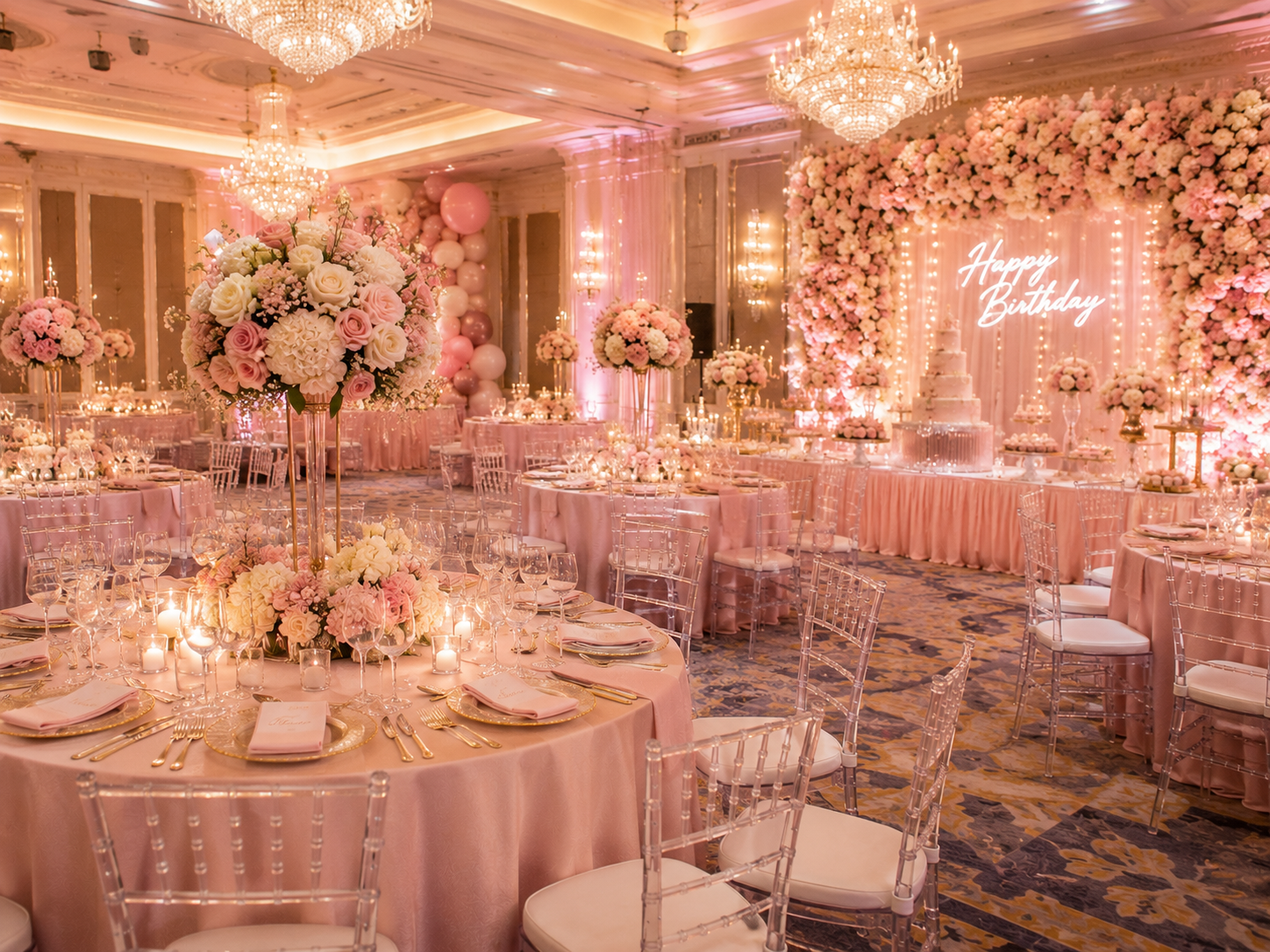
Transparency has become more than a material quality in high-end interior design. It has become a design language. In luxury residences, boutique hotels, private clubs, and refined commercial interiors, transparent furniture is no longer used only to make a space feel lighter. It is used to create openness, visual depth, light movement, and emotional impact. For designers working with premium interiors, Synthetic Crystal furniture offers a powerful way to transform functional pieces into refined spatial statements.
Unlike ordinary acrylic or standard glass, Synthetic Crystal brings a stronger sense of clarity, weight, brilliance, and craftsmanship. Its transparent character allows furniture to interact with the surrounding architecture instead of visually blocking it. A console table, dining table, coffee table, decorative column, or sculptural object made from Synthetic Crystal can become both visible and invisible at the same time: it holds presence through form and polish, while allowing light, flooring, wall finishes, and surrounding furniture to remain part of the visual experience.
This is why transparency has become increasingly important in luxury interiors. High-end clients are not only looking for expensive-looking furniture. They are looking for spatial atmosphere, memorable details, and a sense of refinement that feels effortless. Transparent materials help create that balance. They give a room a lighter visual rhythm while still communicating exclusivity. When designed well, transparent furniture does not disappear; it becomes the quiet centerpiece of the space.
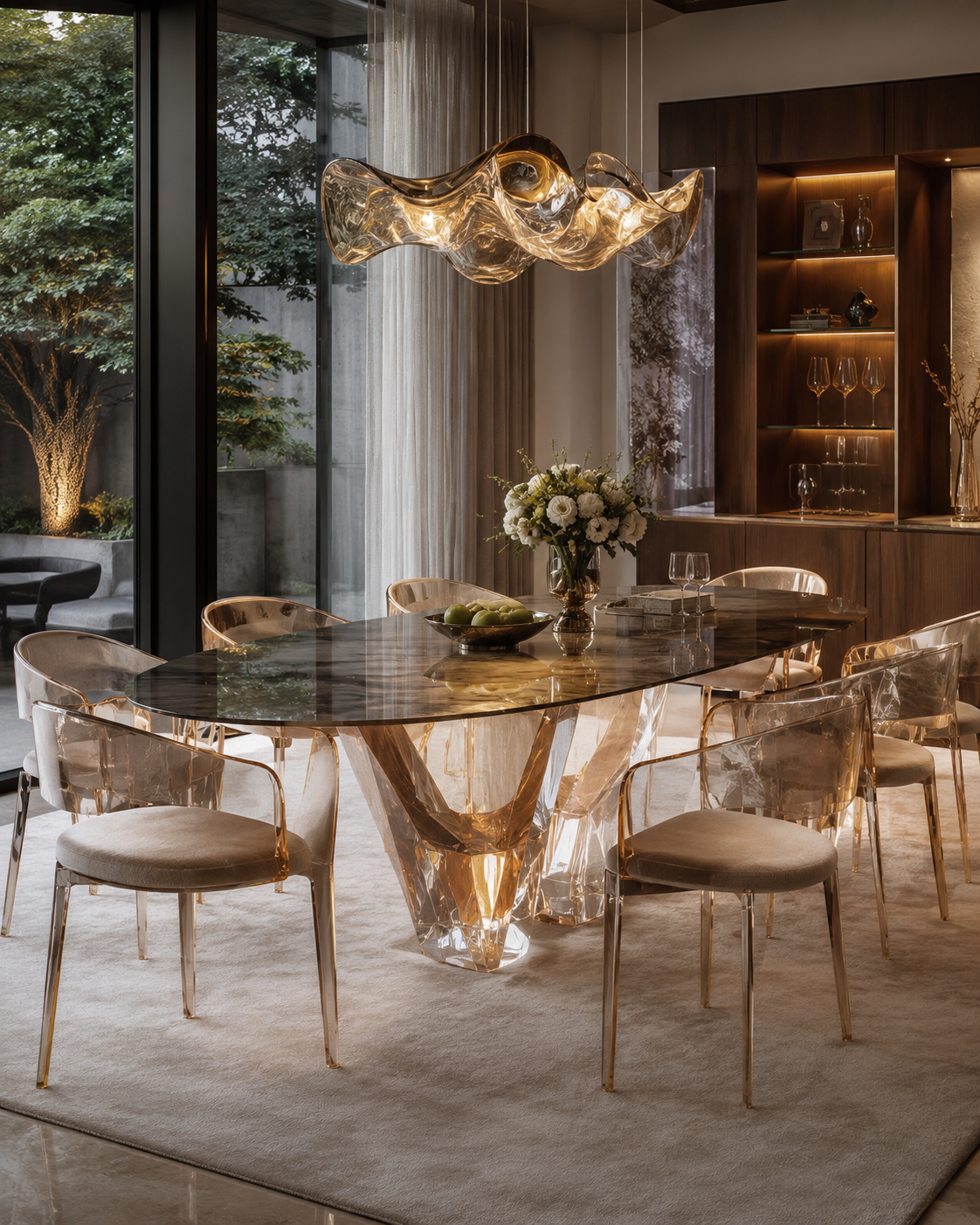
Industry Insight: Transparency as a Premium Spatial Experience
In luxury interiors, the value of a material is not judged only by cost. It is judged by how it changes the experience of the space. Synthetic Crystal furniture can make an interior feel more open, more layered, and more visually sophisticated. Its transparency allows designers to preserve architectural lines, highlight flooring textures, reflect lighting, and create a sense of depth without adding visual heaviness.
For example, in a villa living room, a heavy traditional table may interrupt the openness of the seating area. A Synthetic Crystal coffee table, by contrast, can provide full functionality while maintaining visual flow. In an entrance hall, a transparent console can create a refined first impression without blocking decorative wall panels or stone flooring. In a luxury bedroom, crystal side tables can add brightness and polish while keeping the atmosphere calm and uncluttered.
This is especially valuable in high-end projects where every element must serve both aesthetics and function. Transparency creates space. Light creates emotion. Fine surface quality creates luxury. When these elements come together, furniture becomes more than an object; it becomes part of the spatial identity.
Five Key Trends Shaping Transparent Luxury Furniture
1. The Premiumization of Transparent Materials
Transparent materials used to be associated mainly with glass or standard acrylic. Today, the market has shifted toward materials that offer stronger optical clarity, better durability, and a more refined surface finish. Synthetic Crystal has become a preferred option for luxury furniture because it delivers a more elevated visual impression.
Clients can immediately feel the difference between ordinary transparent materials and a polished, well-crafted Synthetic Crystal piece. The edges, thickness, clarity, and light behavior all contribute to a more premium perception. This is why designers increasingly use transparent furniture not as a secondary element, but as a key design feature.
2. Enhanced Light and Shadow Layers
Transparency is powerful because it works with light. Synthetic Crystal reflects, refracts, and carries light across its surface, creating subtle visual movement throughout the day. Under natural daylight, it can brighten a room and create soft reflections. Under warm interior lighting, it can add depth and atmosphere. Under focused accent lighting, it can become almost sculptural.
This makes transparent furniture especially effective in spaces where lighting design is central to the luxury experience, such as villa foyers, private lounges, hotel suites, gallery-like corridors, and high-end reception areas.
3. Greater Spatial Openness
One of the strongest advantages of transparent furniture is its ability to reduce visual weight. In luxury interiors, openness does not simply mean empty space. It means controlled breathing room. It means allowing materials, proportions, and furniture to coexist without overcrowding the eye.
A Synthetic Crystal table can support daily use while preserving the sense of openness around it. A transparent shelving unit can display objects without making the wall feel heavy. A crystal console can define a zone without visually closing it off. This is why transparent furniture is ideal for villas, penthouses, and refined interiors where spaciousness is part of the luxury experience.
4. Functional Furniture Becoming Artistic
Modern luxury clients expect furniture to do more than perform a function. They want pieces that create memory points. A table is not only a table. A console is not only a console. A decorative cabinet is not only storage. Each piece should contribute to the story of the space.
Synthetic Crystal allows functional furniture to become artistic because its form, thickness, reflection, and transparency can all be designed with intention. Curved edges, sculptural bases, layered surfaces, and polished details can turn a practical object into a visual feature.
5. Customized Focal Furniture
High-end clients increasingly value personalization. They want furniture that fits the exact proportions, atmosphere, and identity of their home or project. Transparent focal pieces are especially suited to customization because small changes in size, thickness, edge detail, color tone, and lighting interaction can completely change the final effect.
A customized Synthetic Crystal dining table can become the signature piece of a villa dining room. A crystal reception desk can define the identity of a boutique hotel. A transparent display unit can turn a private collection into part of the interior architecture.
Client Expectations Are Changing
High-end clients are becoming more sensitive to spatial lightness, visual identity, and artistic value. They do not want furniture that only fills a room. They want furniture that creates recognition.
This means designers must think beyond basic function. They need to ask: Does this piece improve the atmosphere? Does it create a memorable visual moment? Does it support the overall interior style? Does it feel refined from every angle? Does it remain practical for daily use?
Synthetic Crystal answers many of these expectations because it combines clarity, visual impact, and functional strength. It can feel modern without being cold, luxurious without being excessive, and artistic without losing practicality.
Design Language and 10 Key Challenges
Designing with transparent materials requires precision. Because transparency reveals everything, there is very little room for careless design. Designers must consider:
How transparent should the material be for the space?
How will natural and artificial light interact with the piece?
Is the furniture proportion suitable for the room?
Where should the visual focal point be placed?
How can openness and luxury be balanced?
Will the transparent piece harmonize with stone, wood, metal, or fabric?
How can reflections be controlled to avoid visual confusion?
Is the furniture practical for daily use and easy to maintain?
Are the edges, joints, and surface finishes refined enough?
Does the piece support the client’s lifestyle and aesthetic expectations?
These questions are essential because transparent furniture is highly visible in subtle ways. Poor proportions, weak finishing, or careless lighting can reduce the luxury effect. But when the details are right, the result can be extraordinary.
Material and Craft Evolution
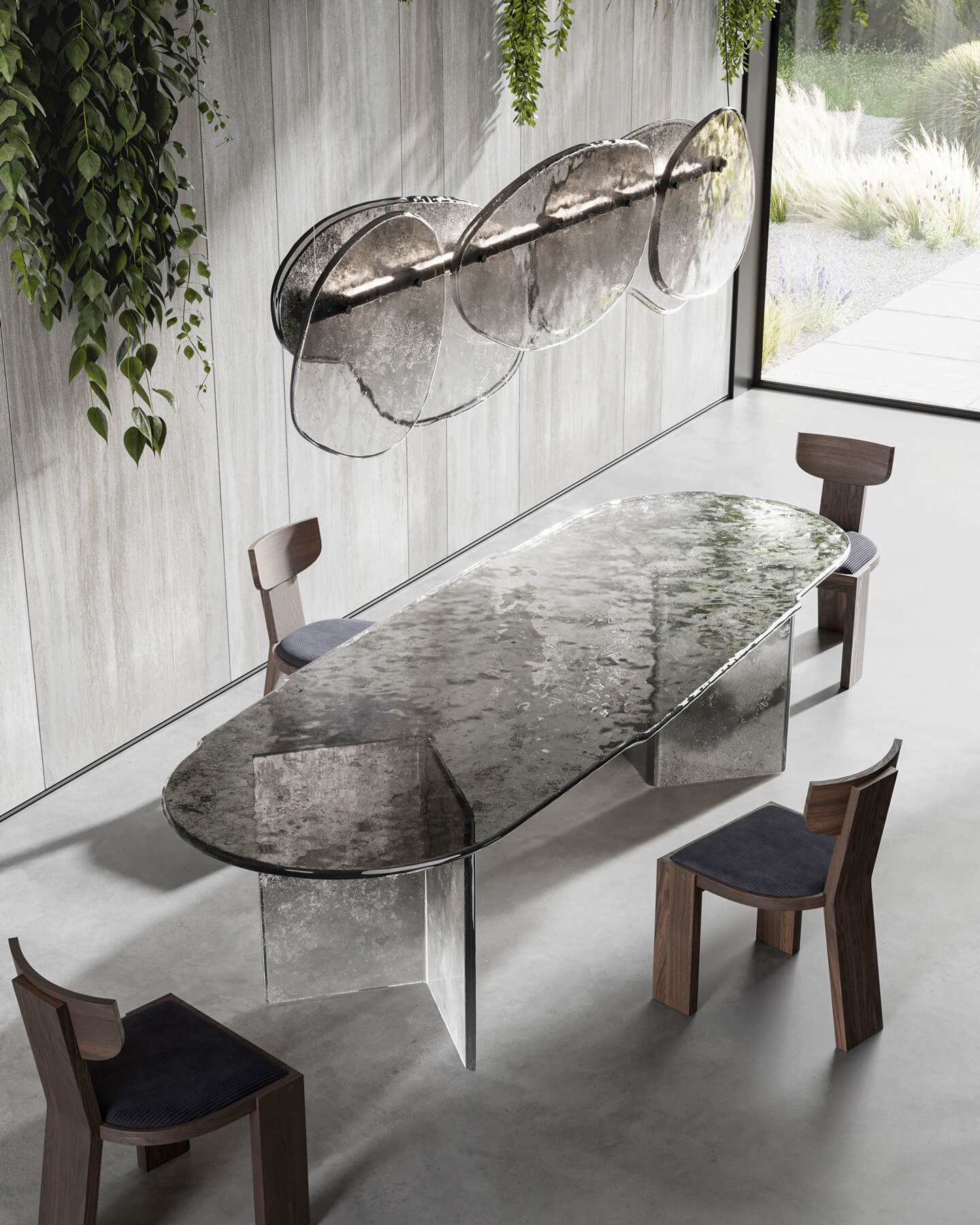
The evolution of transparent materials has expanded what designers can achieve. Traditional glass offers clarity but can feel fragile and limited in shaping. Ordinary acrylic is lightweight and versatile but may not always deliver the premium visual depth required in high-end interiors.
Synthetic Crystal offers a more elevated option for statement furniture, with strong transparency, polished surfaces, and refined optical presence. Platinum Acrylic can be used when designers want a more decorative transparent material with a premium acrylic character and a subtle luxury finish. Architectural Resin offers another direction, especially when semi-transparency, color, texture, or sculptural form is needed.
These three materials do not need to be used together in every project. Each one offers a different design solution. Synthetic Crystal is ideal for high-clarity focal furniture. Platinum Acrylic works well for decorative transparent accents and refined details. Architectural Resin is suitable for artistic surfaces, semi-transparent panels, and customized forms where texture or color is part of the design language.
Implementation Strategy
To make transparent furniture successful, designers should begin with the function of the space. A villa living room may need a central table that feels light but impressive. A foyer may need a console that creates a strong first impression. A lounge may need decorative pieces that catch light and support the mood. Once the function is clear, the material can be selected based on transparency, durability, finish, and lighting conditions.
The next step is visual testing. Transparent furniture should be reviewed with lighting plans, floor materials, wall finishes, and surrounding furniture. Mockups, samples, and renderings help clients understand how the final piece will behave in the real space.
Finally, installation matters. A transparent luxury piece depends on exact positioning, clean alignment, careful handling, and proper lighting. When these details are controlled, the furniture becomes both functional and artistic.
In the end, transparency becomes a luxury design language when it is used with intention, precision, and material intelligence. Synthetic Crystal, Platinum Acrylic, and Architectural Resin give designers new ways to create openness, depth, and memorable spatial identity, turning furniture into the quiet center of a refined interior experience… and the most exciting part is that the next generation of transparent design has only just begun.
READ MORE:
- Durability in High-End Transparent Materials Is More Than Beauty
- Showing Platinum Acrylic Texture in One Perfect Shot
- Why Designers Use Clear Materials to Add Depth to Luxury Spaces
- Creating High-End Interiors with Sculptural Crystal Furniture
- Dal "lusso" alla "raffinatezz": l'estetica degli spazi alberghieri sta cambiando silenziosamente
- Dettagli dei materiali di alta gamma più spesso trascurati nell’abbinamento tra soft decoration e hard decoration negli hotel
- Luxury Hotels Are No Longer Competing Only with Marble: Transparent Materials Are Becoming the New Focus
- Designer di hotel: 3 strategie di abbinamento dei materiali per valorizzare il senso di "lusso" negli spazi
- Perché un blocco di cristallo sintetico può raddoppiare il senso di lusso di una hall d'hotel?


