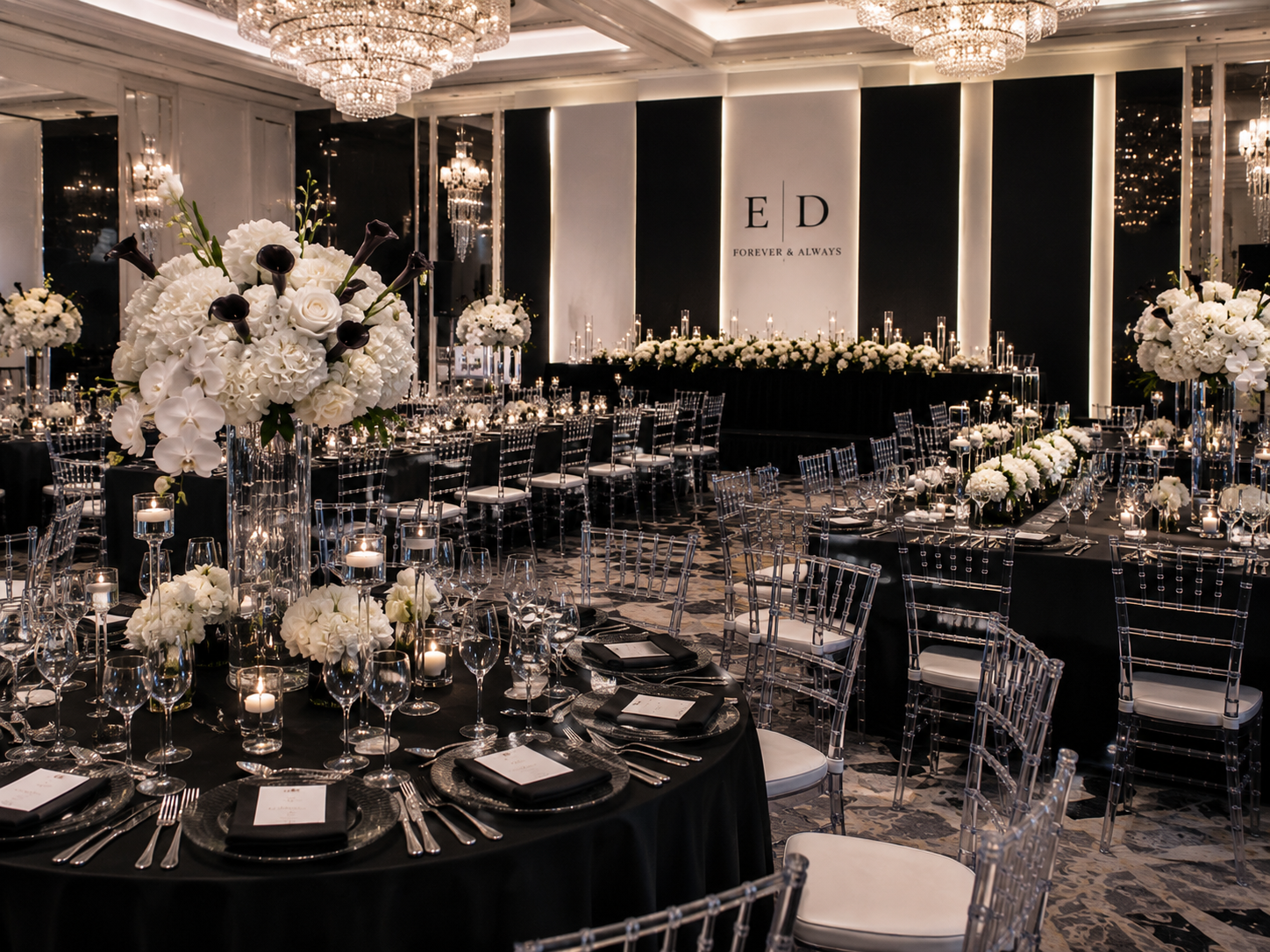
In luxury interiors, transparent materials are often selected for their visual appeal first. They create openness, reflect light, add depth, and make furniture or decorative surfaces feel refined. But in real projects, beauty alone is not enough. For hotels, commercial spaces, villas, private clubs, and high-end residences, transparent materials must also perform over time.
Durability directly affects project value. A material may look impressive on day one, but if it scratches easily, yellows, deforms, stains, or becomes difficult to maintain, the luxury impression quickly declines. This is why designers, developers, and procurement teams are paying closer attention to long-term performance, not just initial appearance.
Synthetic Crystal, Platinum Acrylic, and Architectural Resin each offer different advantages in transparency, hardness, processing method, and maintenance requirements. The key is not to ask which material is “best” in general, but which material is best for the specific project scenario.
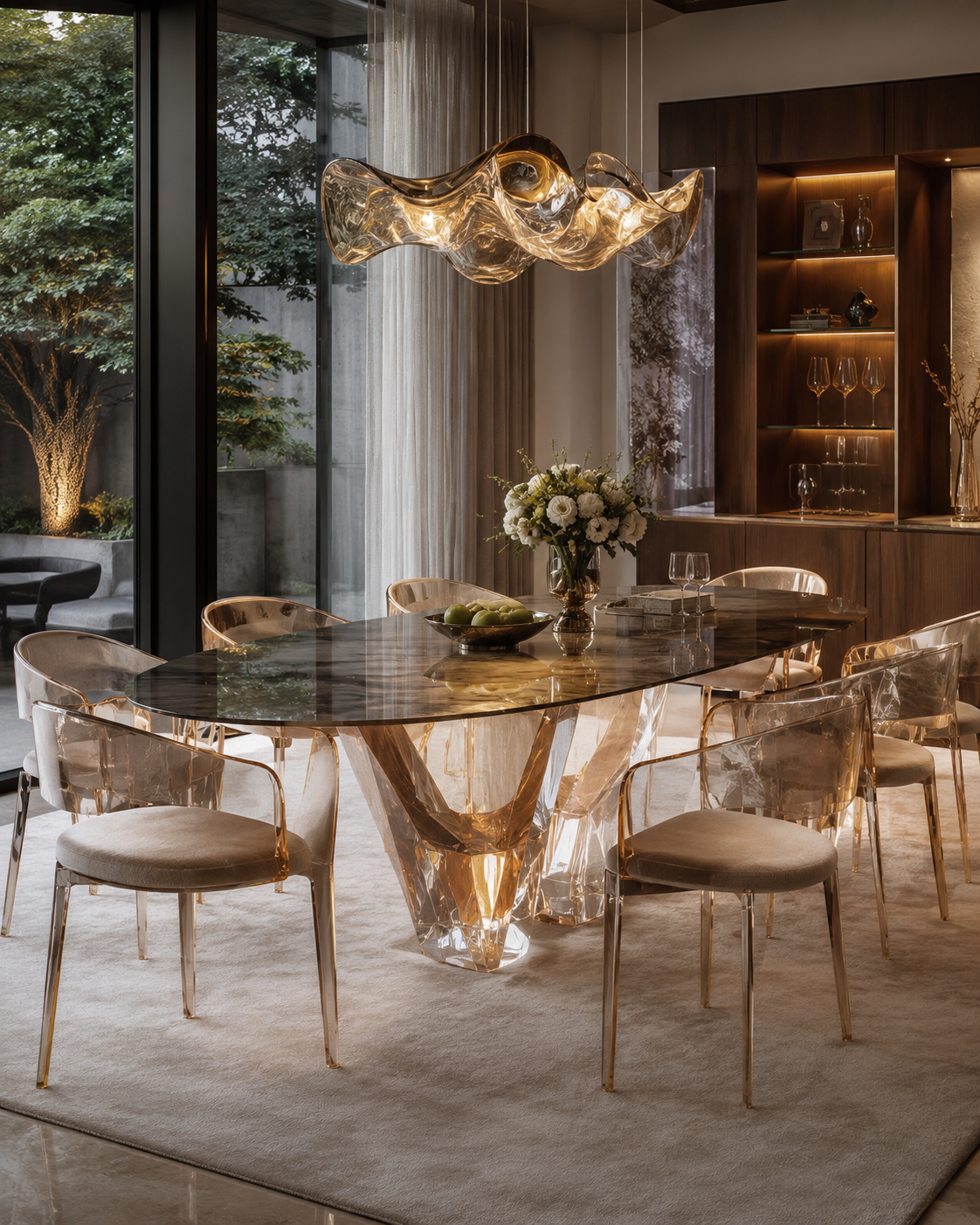
Industry Insight: Long-Term Performance Defines Real Luxury
In high-end spaces, materials are touched, cleaned, moved around, exposed to lighting, and used by many people. Hotel lobbies, commercial lounges, and luxury residences all require materials that maintain their visual quality under real conditions.
A transparent table, reception counter, wall panel, or decorative structure must keep its clarity and surface quality over time. If the surface becomes cloudy or visibly scratched, the entire space loses refinement. Durability is therefore not a technical detail; it is part of the luxury experience.
Five Key Trends in Transparent Material Durability
1. Improved Scratch Resistance
Designers are increasingly focused on surface hardness. For focal furniture and frequently touched surfaces, scratch resistance helps maintain a polished, premium appearance.
2. Stronger Material Stability
Transparent materials must resist deformation, yellowing, and aging. Stability is especially important in spaces with strong lighting, temperature changes, or long-term daily use.
3. Controlled Maintenance Costs
Procurement teams care about cleaning frequency, repair difficulty, and replacement risk. A durable material can reduce long-term maintenance pressure.
4. Long-Term Transparency Retention
Luxury transparent materials must preserve clarity. A beautiful transparent effect only has value if it remains clear and refined after months or years of use.
5. Standardized Project Testing
More project teams now request sample testing before approval. Scratch tests, cleaning tests, lighting tests, and use-scenario reviews help reduce uncertainty before production.
Changing Client Expectations
Designers, developers, and buyers are becoming more practical. They still want beauty, but they also want proof of performance. They ask how the material behaves under lighting, how it should be cleaned, whether it resists yellowing, whether it can support weight, and what happens if the surface is damaged.
This shift is especially important in B2B projects. A villa owner may care about refinement. A hotel developer may care about maintenance cost. A commercial buyer may care about durability across repeated installations. All of them need transparent materials that look premium and remain stable.
Design Language and 10 Key Questions
Before choosing a transparent material, project teams should ask:
How scratch-resistant does the surface need to be?
Will the material stay stable under long-term use?
What cleaning method is safe and practical?
How well does the material resist yellowing?
Does the piece need load-bearing performance?
Can surface marks be repaired or polished?
Will the material maintain clarity under lighting?
Is it suitable for high-traffic areas?
What is the expected maintenance cost?
Does the material protect long-term project value?
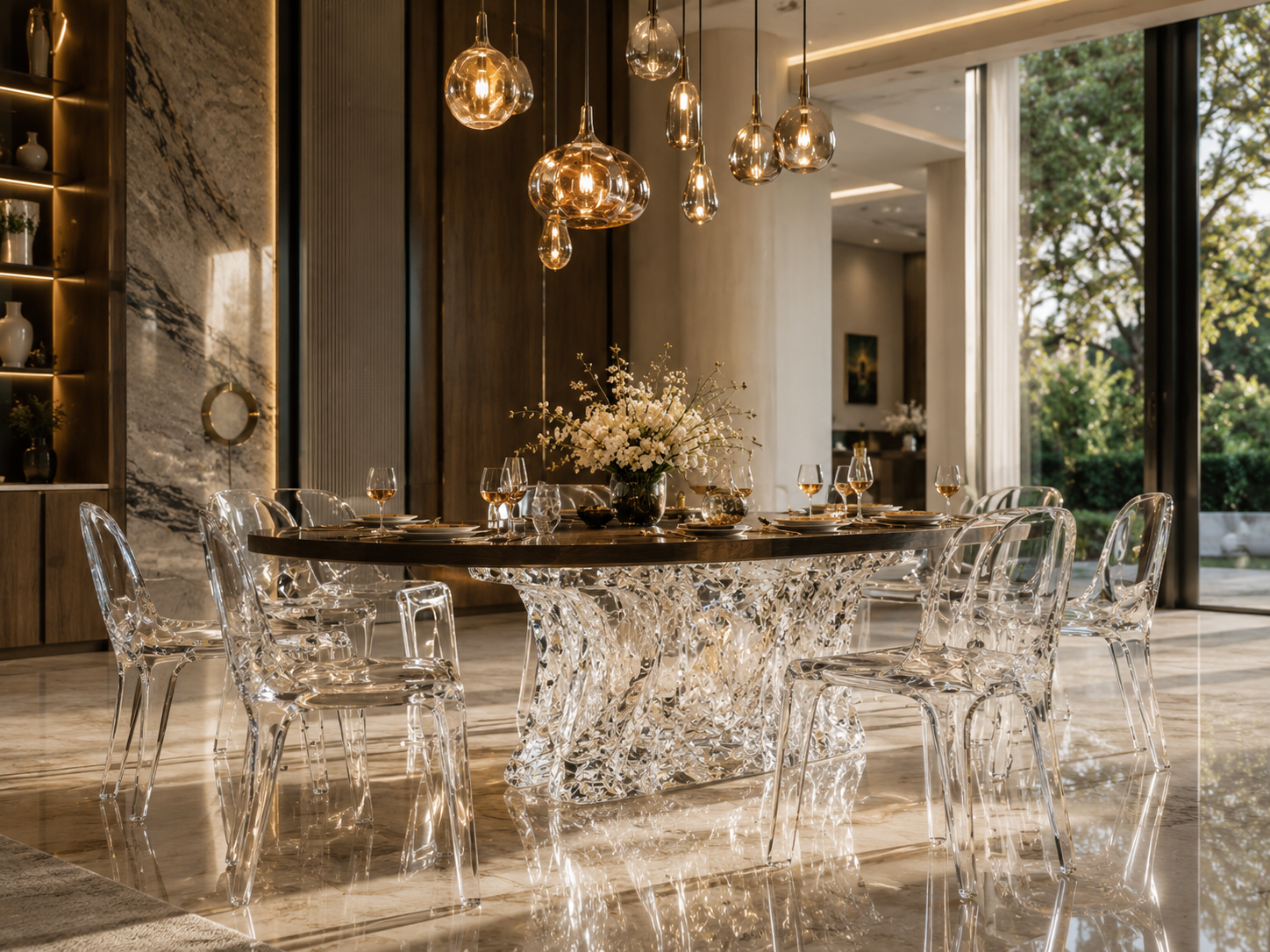
Material and Craft Evolution
Synthetic Crystal is suitable for premium focal furniture and artistic pieces where clarity, brilliance, and a strong luxury impression are required. It is often chosen for statement tables, consoles, decorative structures, and high-end visual centers.
Platinum Acrylic is useful when a project needs a clear, lightweight, refined transparent effect. It can support elegant visual applications where openness and clean transparency are key priorities.
Architectural Resin is valuable for decorative surfaces, custom structures, semi-transparent effects, and expressive forms. It offers design flexibility and can be adapted for more creative surface applications.
Each material has different strengths. Synthetic Crystal emphasizes premium optical impact and presence. Platinum Acrylic emphasizes lightness and clarity. Architectural Resin emphasizes form, surface expression, and customization.
Implementation Strategy
Before final material selection, project teams should test samples under real conditions. A small sample can reveal how the material handles light, cleaning, touch, and surface wear. Lighting tests help show whether the transparent effect remains elegant. Cleaning tests help confirm maintenance feasibility. Usage simulations help identify whether the material is suitable for a lobby, lounge, residence, or decorative installation.
The best strategy is to match the material to the project goal. For artistic focal furniture, choose Synthetic Crystal. For lightweight transparent effects, choose Platinum Acrylic. For custom surfaces and shaped decorative structures, choose Architectural Resin.
In conclusion, durability in high-end transparent materials is more than a technical requirement; it is what allows beauty to remain valuable over time. By testing materials carefully and selecting Synthetic Crystal, Platinum Acrylic, or Architectural Resin according to the real project scenario, designers can create spaces that look exceptional on day one and continue to perform beautifully for years… and that is where true luxury begins to prove itself.
READ MORE:
- Showing Platinum Acrylic Texture in One Perfect Shot
- Why Designers Use Clear Materials to Add Depth to Luxury Spaces
- Creating High-End Interiors with Sculptural Crystal Furniture
- Where Transparency Becomes a Luxury Design Language
- Dal "lusso" alla "raffinatezz": l'estetica degli spazi alberghieri sta cambiando silenziosamente
- Dettagli dei materiali di alta gamma più spesso trascurati nell’abbinamento tra soft decoration e hard decoration negli hotel
- Luxury Hotels Are No Longer Competing Only with Marble: Transparent Materials Are Becoming the New Focus
- Designer di hotel: 3 strategie di abbinamento dei materiali per valorizzare il senso di "lusso" negli spazi
- Perché un blocco di cristallo sintetico può raddoppiare il senso di lusso di una hall d'hotel?


