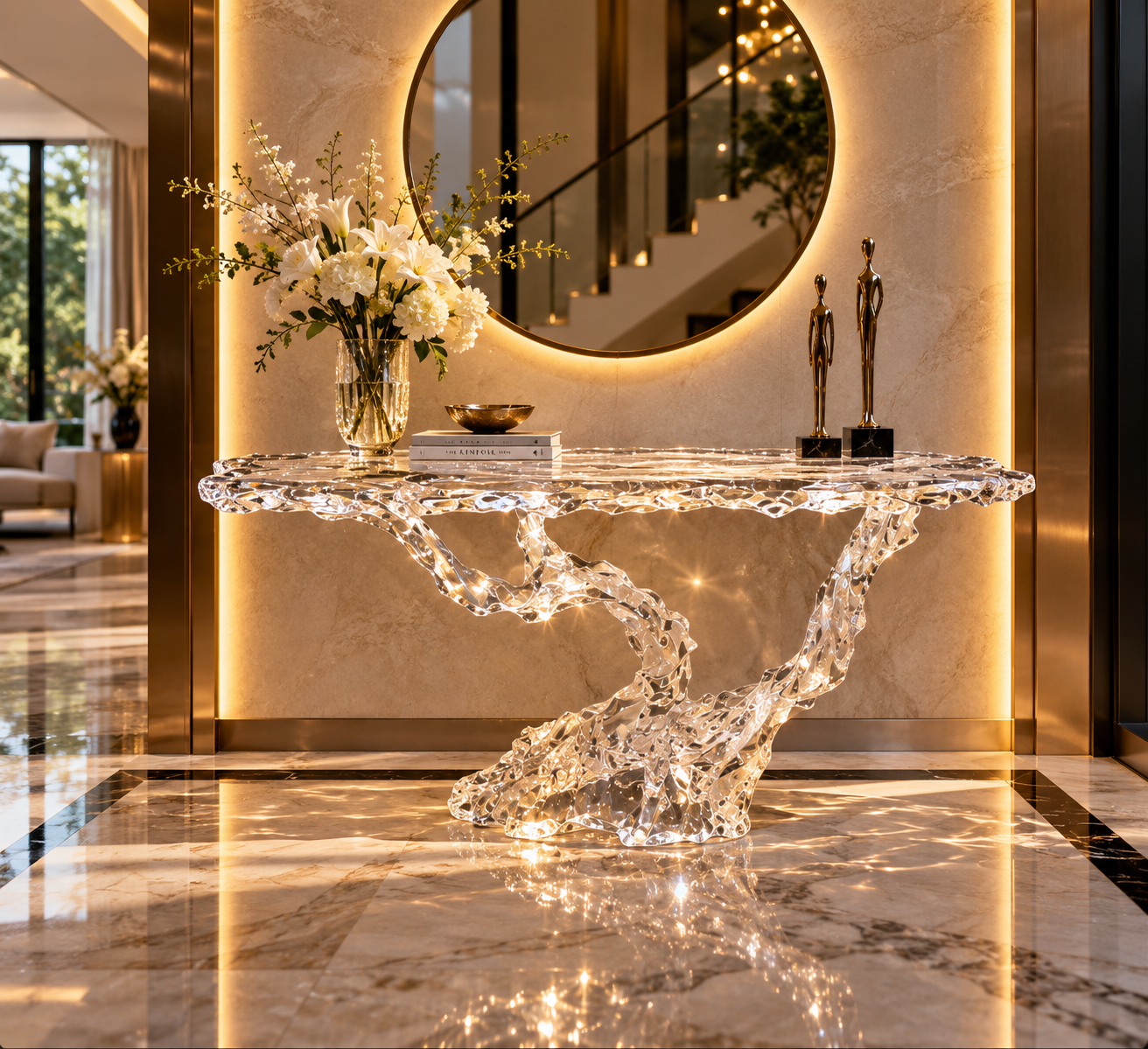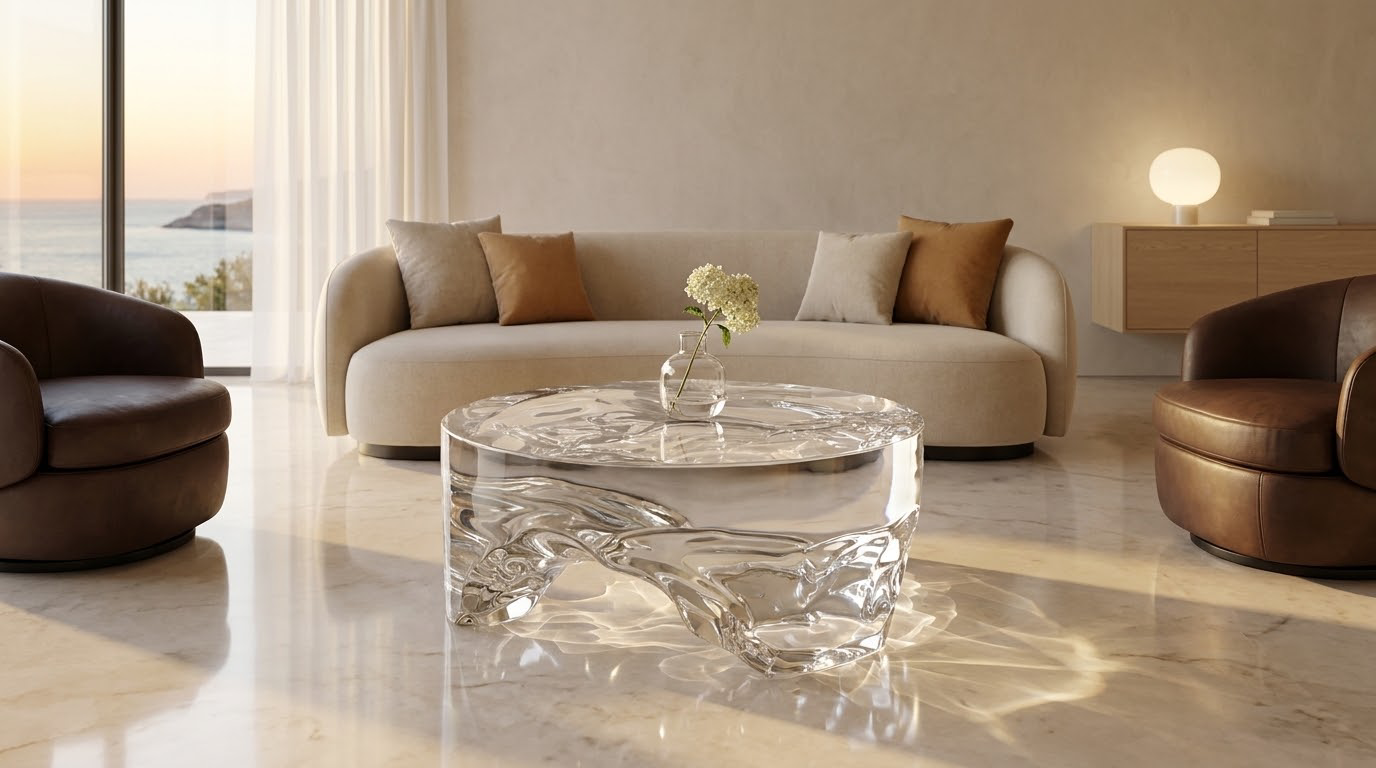
The global luxury hospitality sector is undergoing a quiet revolution in material innovation, with transparent materials emerging as a core driver of elevated guest experiences. Among these, synthetic crystal stands out for its unparalleled clarity, structural stability, and design flexibility, redefining how high-end dining spaces worldwide. For hotel designers, project managers, and hospitality operators, the challenge of balancing aesthetic excellence with operational reliability has long been a pain point—until now. The bespoke dining table solution for reducing dimensional deviation surface defects and installation risk in hospitality projects 2026 addresses these exact challenges, merging cutting-edge synthetic crystal craftsmanship with precision engineering to deliver both visual impact and long-term value.
The Rise of Transparent Materials in Modern Luxury Hospitality
Transparent materials have moved beyond decorative accents to become central elements of luxury hospitality design, driven by a growing demand for light-filled, spacious, and visually refined guest spaces.
Why Synthetic Crystal Outperforms Traditional Glass and Natural Crystal
Unlike traditional glass is prone to scratches, chipping, and optical distortion, while natural crystal carries high costs, inconsistent quality variability, and limited size constraints. Synthetic crystal, by contrast, offers uniform optical clarity, exceptional hardness, and customizable structural properties that make it ideal for high-traffic dining environments. It can be molded into large, seamless slabs without the natural inclusions or fractures common in natural stone or crystal, ensuring consistent quality across every piece.
Evolving Guest Expectations for Dining Space Aesthetics
Modern luxury travelers increasingly seek immersive, Instagram-worthy dining experiences that blend elegance with a sense of openness. Transparent synthetic crystal tables create an illusion of more space, reflect light beautifully, and complement a sophisticated backdrop for plated dishes, table settings, and ambient decor. For high-end restaurants, hotel lobbies, and private dining suites, these pieces become focal points that elevate the overall guest satisfaction and reinforce brand identity.
Key Challenges in Hospitality Dining Table Projects
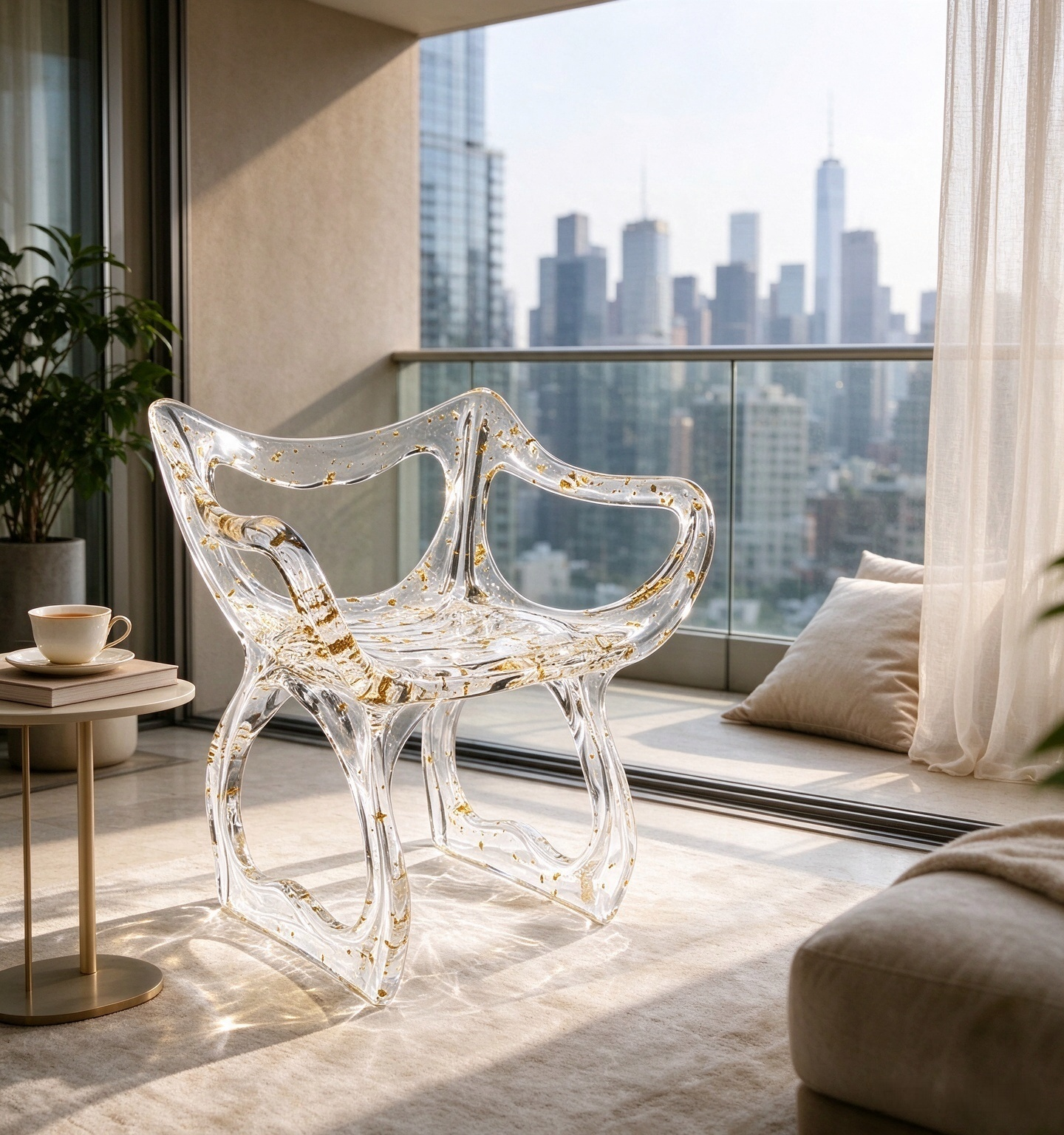
Hospitality furniture projects face three core pain points that often lead to delays, cost overruns, and compromised aesthetic disappointments for project managers and designers.
Dimensional Deviation: A Hidden Cost Driver
Even minor dimensional deviations in custom dining tables can lead to misaligned seating, uneven table tops, and unstable bases, creating both functional issues and visual inconsistencies in high-end spaces. For large hospitality projects with multiple table units, even a 2mm deviation across 20 tables can a cascading effect on installation timelines and final quality. These deviations often stem from imprecise cutting, material warping, or inconsistent manufacturing processes, requiring costly rework and delayed project handovers.
Surface Defects That Compromise Luxury Appeal
Surface defects like scratches, bubbles, clouding, or edge chipping can ruin the premium look of a luxury dining space. In high-traffic hospitality settings, these defects not only detract from the guest experience but also require frequent repairs or replacements, increasing long-term operational costs. Traditional materials like glass or natural stone are particularly susceptible to these issues, especially with regular cleaning and daily use by guests and staff.
Installation Risks That Threaten Project Timelines
On-site installation of large, heavy table tops often involves risks like improper fitting, structural misalignment with bases, and accidental damage during transport or handling. For hospitality projects with tight opening deadlines, installation delays can a domino effect on launch events, revenue generation, and brand reputation. These risks are often amplified when working with fragile or difficult-to-install materials that require specialized handling and on-site adjustment.
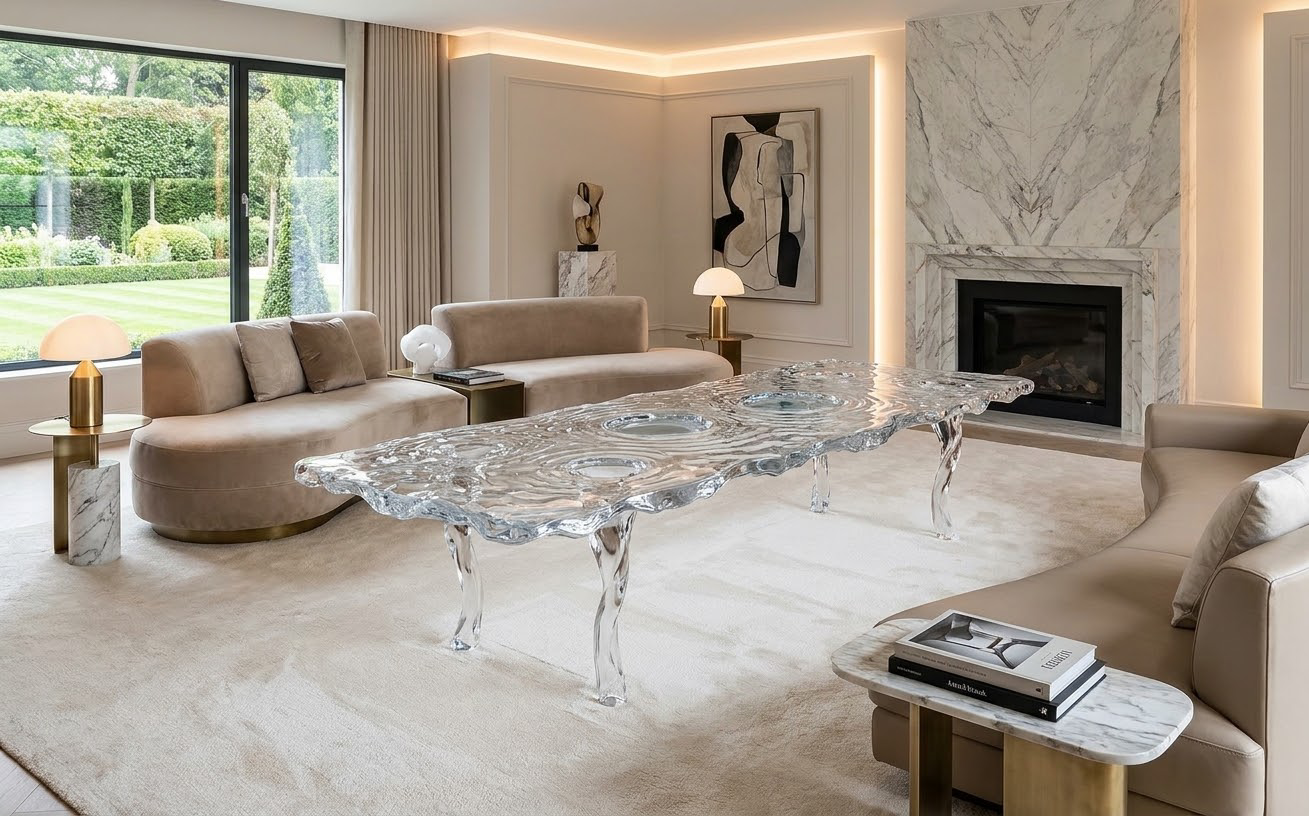
How the Bespoke Dining Table Solution for Reducing Dimensional Deviation Surface Defects and Installation Risk in Hospitality Projects 2026 Addresses These Pain Points
The bespoke dining table solution for reducing dimensional deviation surface defects and installation risk in hospitality projects 2026 is engineered specifically to tackle these three core challenges, leveraging advanced synthetic crystal manufacturing and precision engineering processes.
Precision Engineering for Zero Dimensional Deviation
This solution uses CNC (computer numerical control) cutting and 3D scanning technology to ensure dimensional accuracy within ±0.1mm across every table piece. Each synthetic crystal slab is measured and verified at every stage of production, from initial cutting to final polishing, ensuring perfect alignment with pre-designed base structures and seating layouts. For custom crystal table dimensional accuracy in hotel design, this level of precision eliminates the need for on-site modifications and ensures consistent quality across all units in a project.
Multi-Stage Quality Control for Flawless Surfaces
A 7-stage quality control process is implemented throughout production to prevent surface defects. This includes raw material inspection, optical clarity testing, edge polishing verification, and final surface scratch resistance testing. Each table undergoes both automated scanning and manual inspection by master craftspeople to identify and resolve any imperfections before shipment. This rigorous process ensures that every synthetic crystal dining table for luxury hospitality arrives with a flawless, mirror-like surface that maintains its appearance even with daily use.
Pre-Assembly and Pre-Installation Testing to Minimize On-Site Risk
To reduce installation risk, every table is fully pre-assembled and tested in the factory before shipment. This includes base alignment testing, load-bearing capacity testing, and surface stability testing to ensure that all components fit perfectly together. Installation teams receive detailed, step-by-step guides and specialized tool kits, and on-site support is available for large projects. This approach to premium hospitality table installation risk mitigation cuts on-site installation time by up to 60% and reduces the chance of on-site damage or errors.
Design Flexibility: Tailoring Synthetic Crystal Tables to Unique Hospitality Spaces
One of the biggest advantages of this solution is its design flexibility, allowing hotels and hospitality brands to create one-of-a-kind dining spaces that reflect their unique identity.
Custom Shapes, Sizes, and Finishes for Every Concept
Whether a sleek rectangular table for a fine-dining restaurant, a round table for a private dining suite, or a custom-shaped statement piece for a hotel lobby, synthetic crystal can be molded into virtually any shape or size. Designers can choose from a range of finishes, including frosted edges, colored tinting, engraved logos, or embedded decorative elements, to match the overall design concept. This customization ensures that each table fits perfectly within the space both functionally and aesthetically.
Integration with Smart Hospitality Features
The 2026 solution also supports integration with smart hospitality features, such as built-in wireless charging pads, LED under-table lighting, and integrated cable management systems. These features are seamlessly embedded into the synthetic crystal structure during manufacturing, ensuring a seamless appearance while enhancing the guest experience. For luxury hotels looking to differentiate themselves, these smart additions elevate the dining experience while maintaining the clean, elegant look of the space.
ROI and Long-Term Value for Hospitality Operators
Beyond aesthetic appeal, this bespoke solution delivers measurable long-term value for hospitality operators through reduced maintenance costs, extended product lifespan, and enhanced brand value.
Lower Maintenance and Replacement Cost Savings
Synthetic crystal is significantly more scratch-resistant, stain-resistant, and impact-resistant than traditional glass or natural stone. This means that tables maintain their flawless appearance for years, reducing the need for frequent repairs, polishing, or replacements. For high-traffic hospitality environments, this translates to significant long-term cost savings, as operators avoid the high costs of replacing damaged table tops or repairing surface defects.
Enhanced Brand Perception and Guest Satisfaction
A beautifully designed, flawlessly executed dining space with premium synthetic crystal tables creates a lasting impression on guests, driving positive reviews, social media shares, and repeat visits. For luxury hospitality brands, this level of attention to detail and quality reinforces their reputation for excellence, helping to attract high-end clientele and command premium pricing. The bespoke dining table solution for reducing dimensional deviation surface defects and installation risk in hospitality projects 2026 isn’t just a furniture purchase—it’s an investment in brand identity and guest loyalty.
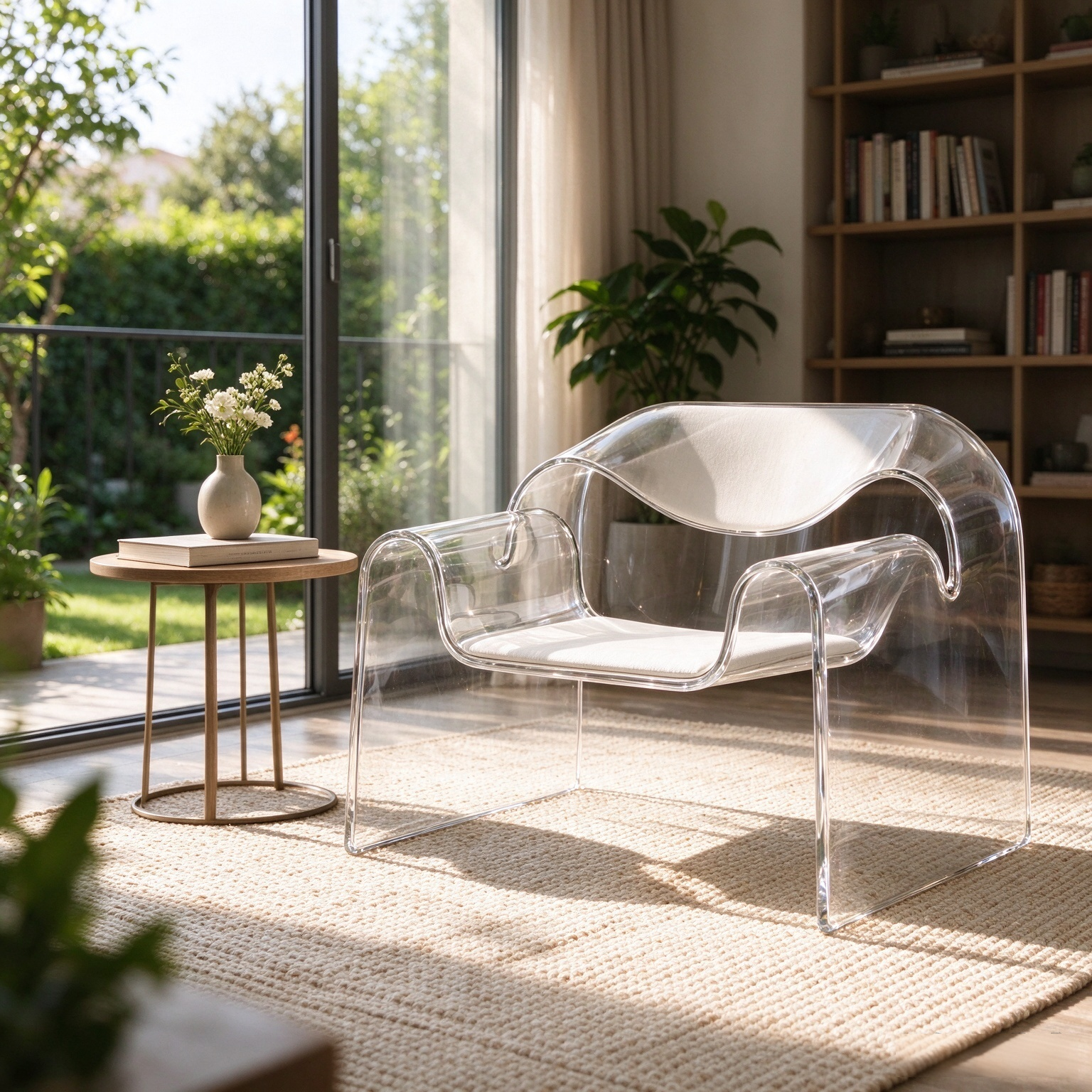
The Future of Synthetic Crystal in Hospitality Design
Looking ahead to 2026 and beyond, synthetic crystal is poised to become an even more integral part of luxury hospitality design, driven by ongoing material innovations and evolving design trends.
Emerging Innovations in Synthetic Crystal Technology
Ongoing research and development in synthetic crystal materials are leading to even stronger, lighter, and more sustainable crystal variants. New production methods reduce environmental impact while maintaining the material’s premium properties, making it an even more attractive option for eco-conscious hospitality brands. Additionally, advancements in 3D printing and nanocoating technologies are also expanding the design possibilities for custom crystal pieces.
How Hospitality Brands Are Adopting This Solution in 2026
Leading hospitality brands are already integrating bespoke synthetic crystal dining tables into their new build and renovation projects for 2026, recognizing the balance of aesthetic appeal, functional reliability, and long-term value. For project managers and designers, adopting this solution early gain a competitive edge in delivering projects on time, on budget, and exceeding client expectations. As the demand for luxury transparent material innovation continues to grow, synthetic crystal dining solutions will become the standard for high-end hospitality dining spaces.
In conclusion, the bespoke dining table solution for reducing dimensional deviation surface defects and installation risk in hospitality projects 2026 represents a major step forward in luxury hospitality furniture design. By combining the unparalleled beauty of synthetic crystal with precision engineering and rigorous quality control, this solution addresses the long-standing pain points of dimensional deviation, surface defects, and installation risk. For hospitality professionals looking to create exceptional dining spaces that deliver both visual impact and long-term value, this bespoke solution offers a clear path to success in the competitive luxury hospitality market.