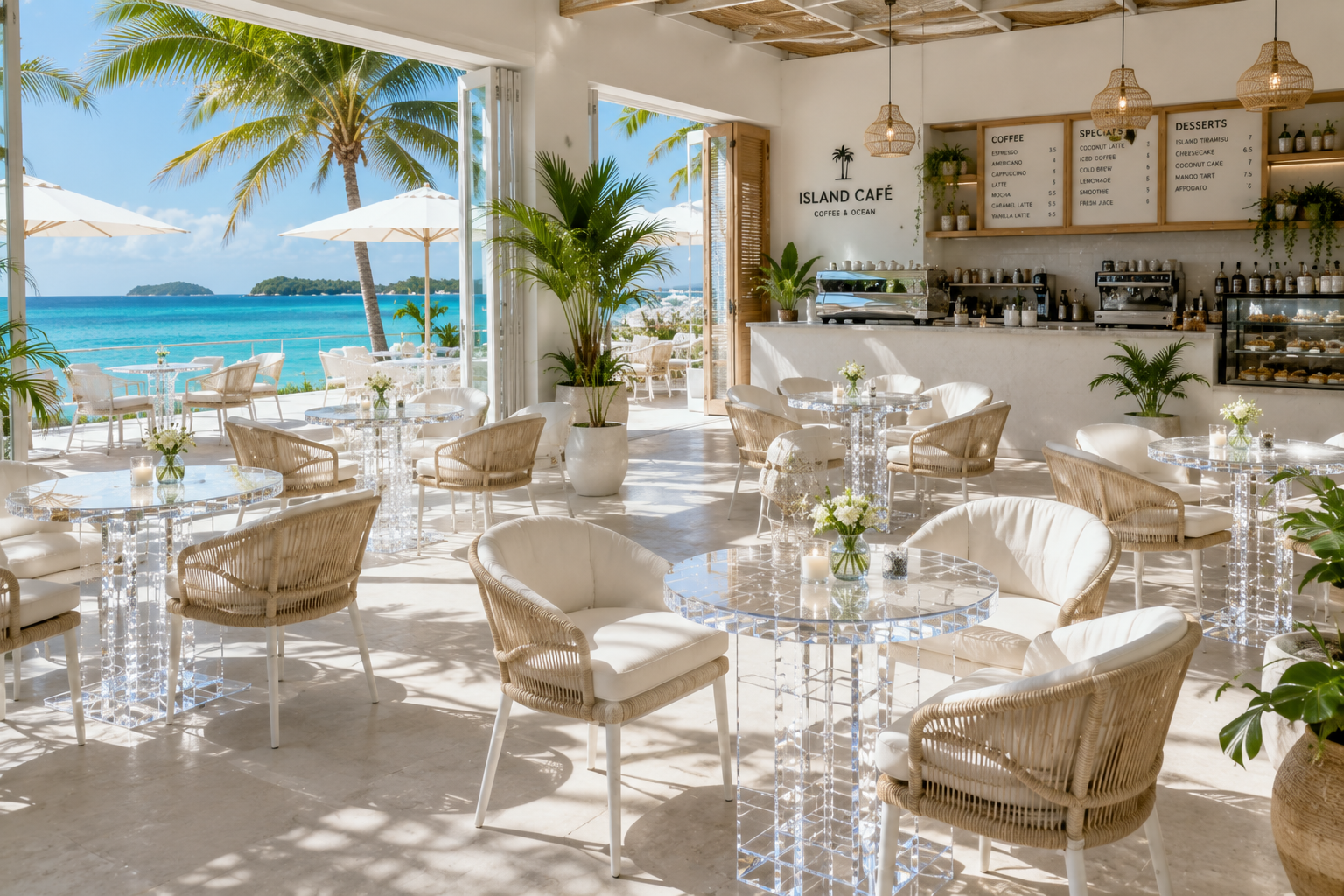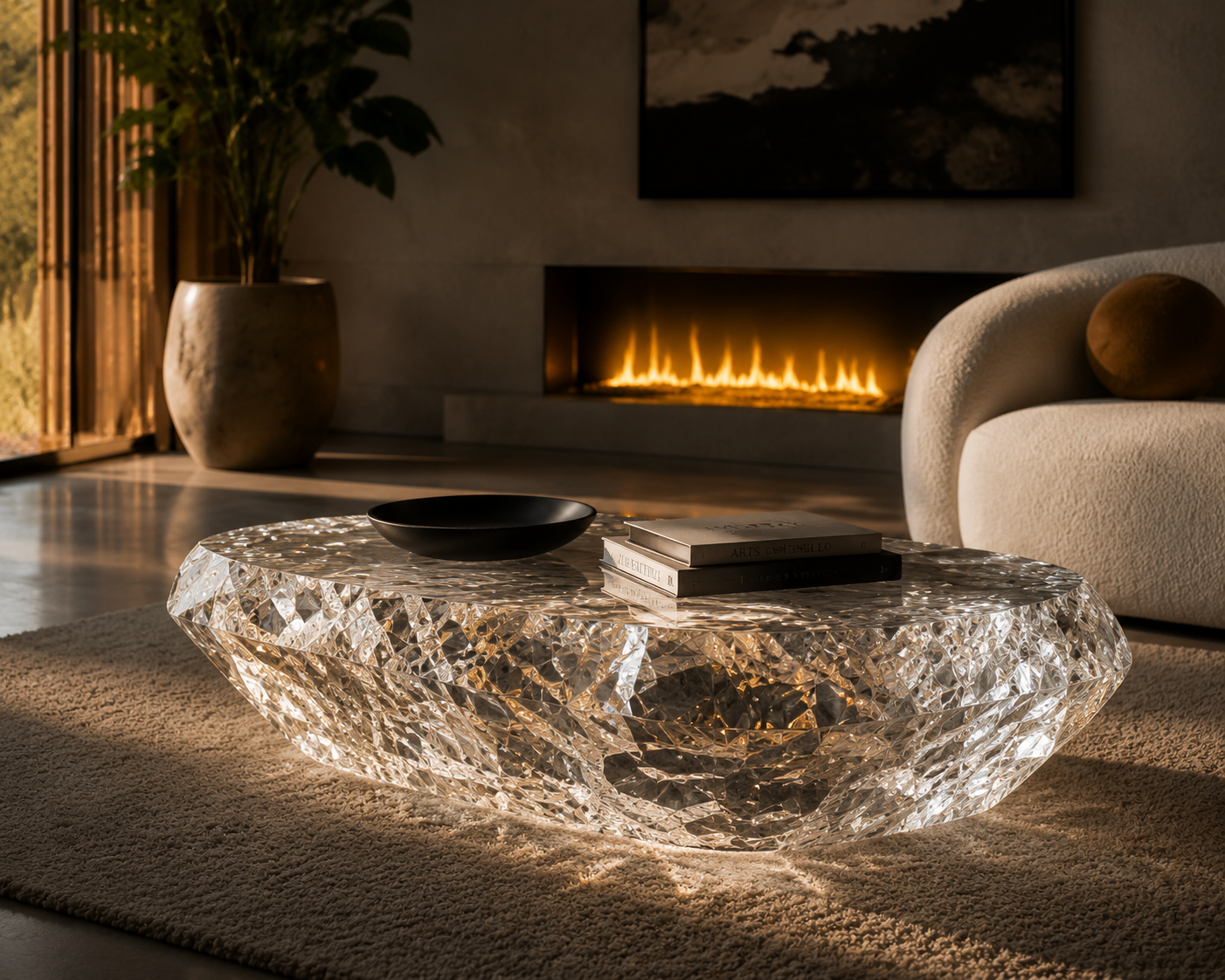
In commercial interiors, delivery day often receives the most attention. The furniture arrives, installers complete the layout, photos are taken, and the space is handed over to the client. From the outside, the project appears complete. Yet anyone who manages an office, hotel lobby, restaurant, retail store, showroom, airport lounge, school, clinic, or co-working space knows that delivery is only the beginning. The true test of commercial space furniture is not whether it looks impressive on opening day, but whether it remains stable, safe, comfortable, cleanable, and brand-appropriate after months and years of real use.
This distinction matters because commercial furniture operates under far more demanding conditions than residential furniture. A lobby chair may be used by hundreds of people every week. A retail display table may be cleaned repeatedly, bumped by carts, exposed to lighting heat, and touched by customers all day. A shared office table may support laptops, cables, beverages, bags, and daily movement. A restaurant banquette may face spills, abrasion, disinfectants, and shifting body weight for several service cycles every day. In this environment, furniture is not decoration. It is infrastructure.
Authoritative research supports this broader view. The U.S. Environmental Protection Agency reported that furniture and furnishings generated 12.1 million tons of municipal solid waste in 2018, and that 80.1 percent of that product sector was landfilled. The data highlights a simple reality: when furniture is not designed, specified, maintained, or refurbished for longevity, the cost is paid not only by the buyer, but also by the environment. The question for commercial projects is therefore not merely, “Was the furniture delivered?” The stronger question is: “What will this furniture look like, feel like, and cost to operate after prolonged use?”
1. Opening Day Beauty Is Easy; Operational Endurance Is the Real Standard
Most furniture looks good when it is newly installed. Fresh surfaces, aligned seams, polished edges, clean upholstery, and precise placement create a strong first impression. But commercial spaces are not judged only by first impressions. They are judged by repeated experience. A guest who visits a hotel lobby after one year does not see the original installation photos; they see the current condition. A customer in a retail store does not know the design concept; they notice whether the display fixture is scratched, unstable, cloudy, stained, or poorly repaired. An employee in a workplace does not evaluate furniture by renderings; they experience comfort, access, noise, usability, and reliability every day.
This is why long-term condition should be written into the project mindset from the start. A responsible specification process asks practical questions: What parts are most likely to be touched? Which edges are exposed to impact? Can the surface tolerate the cleaning chemicals used by the facility team? Are replaceable components available? Can the furniture be repaired on site? Will the structure remain stable after repeated loading? Does the material age gracefully, or does it reveal every scratch? Is the furniture designed only for visual appeal, or also for maintenance reality?
In many projects, problems begin because furniture is evaluated as a procurement item rather than an operating asset. The purchasing team compares unit prices, the design team compares appearance, and the contractor compares lead times. But the facilities team, cleaning team, and actual users inherit the results. If a lounge chair begins to sag within months, if an acrylic reception desk scratches because the wrong cleaning protocol was used, or if a display fixture cannot be repaired without full replacement, the original saving disappears. Long-term commercial performance requires the early involvement of the people who understand how the space will actually be used.
The International Facility Management Association emphasizes benchmarking, operations, maintenance, janitorial performance, utilities, and sustainability as essential areas of facility performance evaluation. That perspective is highly relevant to furniture. Furniture may not always appear as a separate line in facility benchmarking, but it directly affects cleaning labor, maintenance frequency, replacement budgets, user satisfaction, and brand quality.
2. Materials Reveal Their Quality Only After Repetition, Cleaning, and Contact
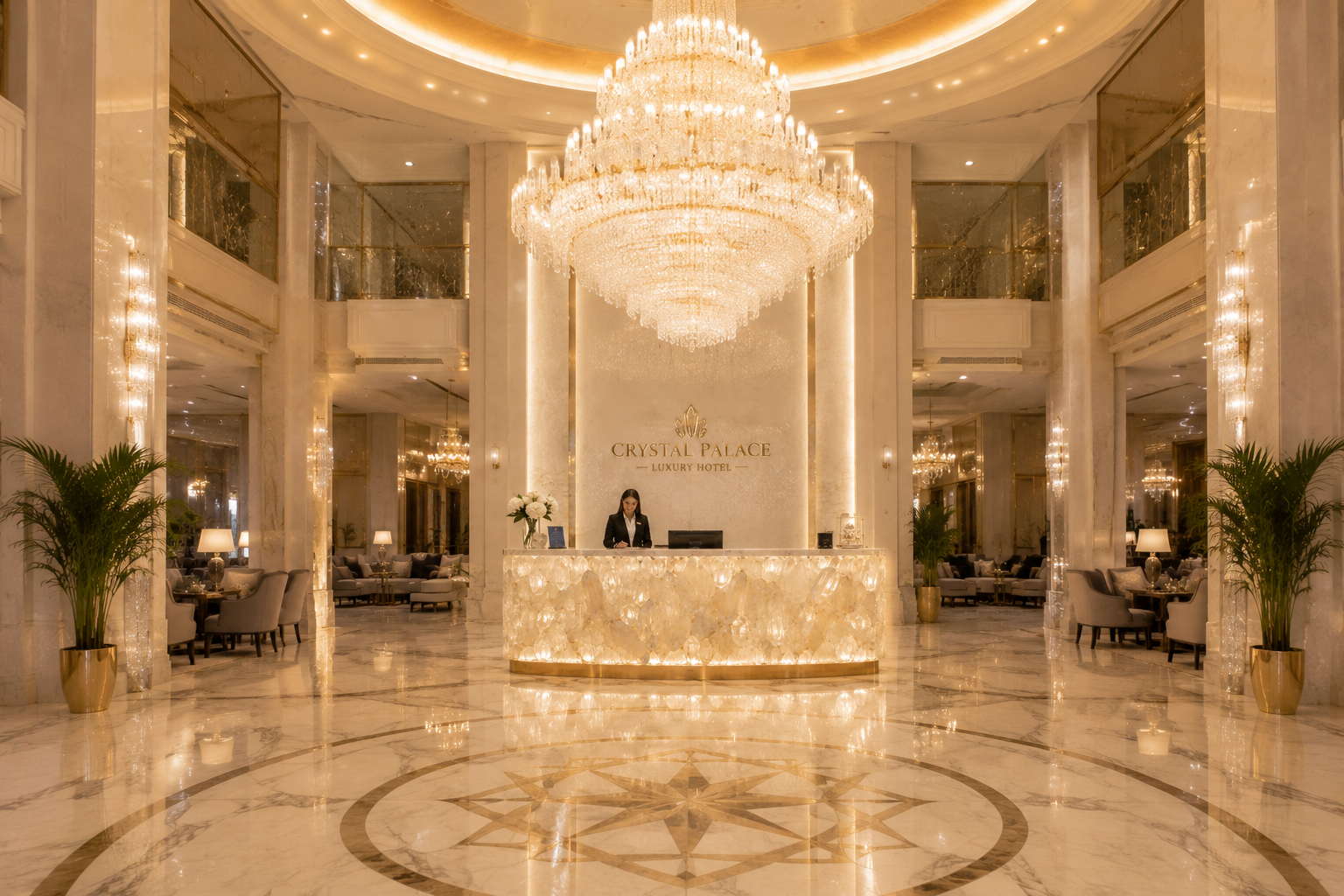
Commercial furniture materials are tested by repetition. A surface that looks premium in a showroom may fail in a high-traffic environment if it is not appropriate for the use case. Wood veneer may delaminate when exposed to moisture and heat. Metal may corrode if coatings are weak. Upholstery may pill, fade, stretch, or absorb stains. Low-grade plastics may become cloudy, brittle, or warped. Acrylic furniture and acrylic displays can perform beautifully in commercial environments, especially when clarity, lightness, and visual openness are part of the design strategy, but the material must be fabricated, polished, protected, and maintained correctly.
For acrylic furniture, long-term condition depends on several details that are often invisible at delivery. Edge finishing matters because rough or poorly polished edges collect dust and create a lower-quality hand feel. Joint quality matters because stress marks, weak bonding, or poor tolerances become more obvious with load and movement. Thickness matters because an underspecified panel may flex, vibrate, or appear less premium in daily use. Cleaning guidance matters because abrasive cloths or ammonia-based cleaners can damage clarity. The right acrylic solution is not simply “transparent furniture.” It is a controlled combination of material grade, engineering, fabrication accuracy, structural support, packaging protection, installation method, and maintenance instruction.
The same principle applies to all commercial furniture categories. A café table must resist repeated wiping, liquid exposure, and edge impact. A co-working bench must support cable management and shifting work habits. A retail pedestal must handle product weight, customer contact, and visual merchandising changes. A healthcare waiting chair must tolerate cleaning protocols and heavy public use. In every case, the material is not proven by how it photographs; it is proven by how it responds to contact, weight, heat, humidity, light, cleaning, and time.
Industry standards exist because visual inspection alone is not enough. BIFMA describes ANSI/BIFMA X5.1 as a test standard covering general-purpose office and institutional seating, including executive chairs, side chairs, guest chairs, stacking chairs, tablet-arm chairs, and stools. BIFMA also identifies ANSI/BIFMA e3 as a furniture sustainability standard that establishes measurable criteria for environmental, health, wellness, and social impacts. These standards reinforce an important point: commercial furniture quality should be verified through performance criteria, not only through appearance.
3. Maintenance Is Not an Afterthought; It Is Part of the Design
A commercial furniture project is incomplete if it does not include maintenance planning. Maintenance is where many beautiful projects succeed or fail. A finish may be technically durable, but if the cleaning team does not receive instructions, the wrong product may be used. A modular sofa may be easy to maintain, but if replacement covers are not available, one damaged seat can compromise the whole area. A reception counter may be well fabricated, but if the design traps dust in inaccessible corners, it will look neglected even when the space is cleaned daily.
Good maintenance planning begins before production. Designers and buyers should ask for cleaning guidelines, recommended chemicals, repair methods, spare parts, warranty terms, and realistic wear expectations. For frequently touched furniture, the manufacturer should clarify which marks are normal wear and which indicate improper use or material failure. For furniture used in restaurants, hospitality, education, healthcare, and public areas, cleaning frequency should be considered as a performance condition. If the furniture cannot tolerate the cleaning routine required by the space, it is not suitable for that space.
Maintenance also has a strong economic dimension. Replacing a furniture item is rarely just the cost of the item itself. It may involve downtime, shipping, installation labor, disposal, storage, operational disruption, and brand impact. In a hotel or restaurant, visible furniture deterioration can affect reviews and customer perception. In an office, unstable or uncomfortable furniture can reduce employee satisfaction. In a retail environment, damaged displays can weaken product presentation. In a clinic or school, furniture that is hard to clean can create hygiene concerns. The cheapest furniture at procurement can become the most expensive furniture in operation.
World Green Building Council research on offices explains that building and workplace design have a material impact on health, wellbeing, and productivity. The report also illustrates why people-related costs dominate business operating costs: staff costs can represent a far larger share than energy or rent in typical office operating cost structures. Furniture is only one component of workplace design, but it is one of the components users physically touch, sit on, work at, and move around every day.
4. Long-Term User Experience Determines Whether the Space Still Works
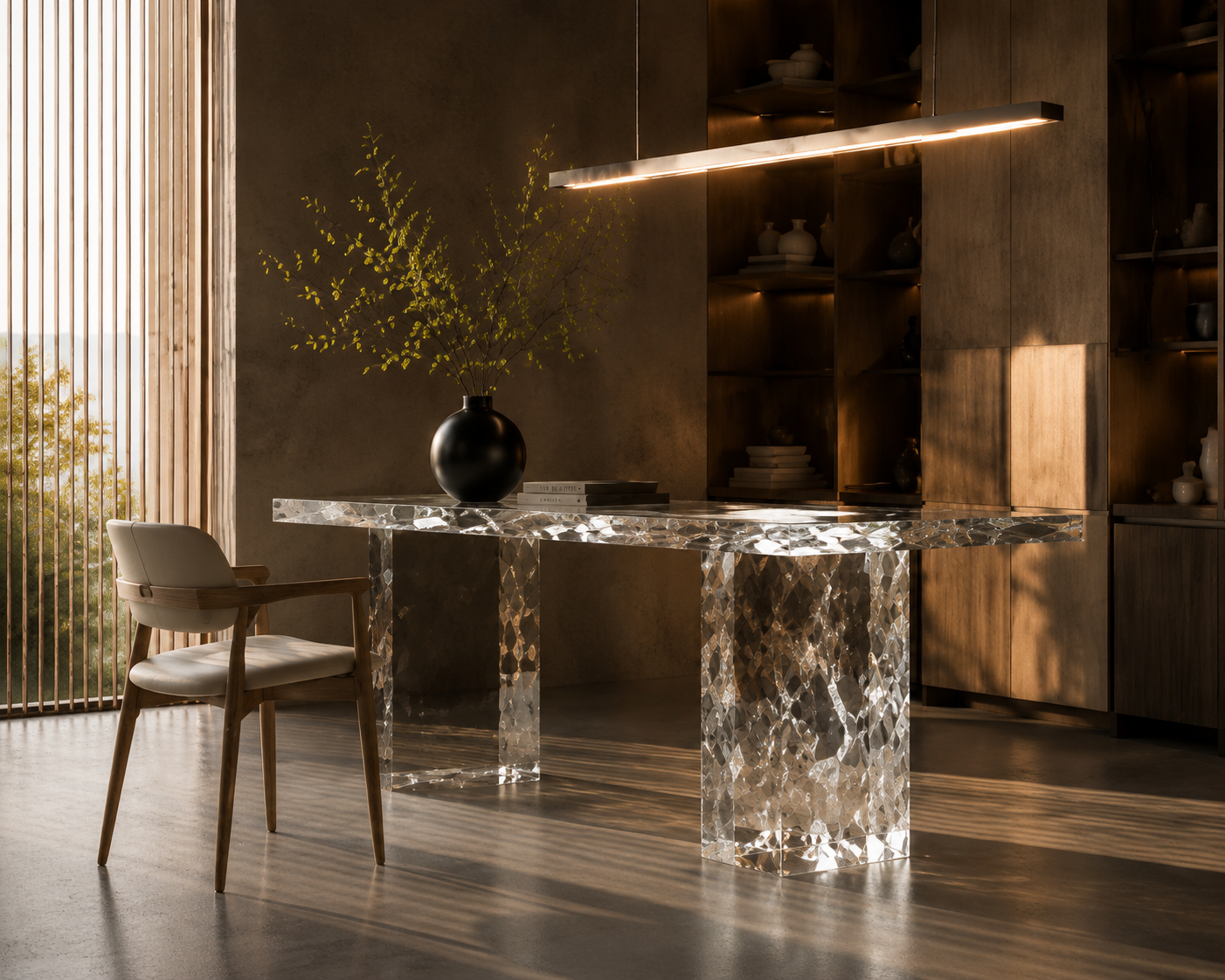
Furniture condition is not only a maintenance issue. It is a user experience issue. When a chair loses support, a table wobbles, a cabinet does not close smoothly, a display fixture becomes cloudy, or a counter surface shows obvious wear, users interpret those signals immediately. They may not analyze material failure, but they understand the feeling of neglect. In commercial spaces, that feeling directly affects trust.
For offices, the relationship between furniture and user experience is especially important because work patterns continue to evolve. Gensler’s Global Workplace Survey 2024 was based on 16,040 full-time office workers across 15 countries, and it studies how employees work across modes such as working alone, in-person collaboration, virtual collaboration, learning, and socializing. This matters for furniture because a modern workplace is no longer a single desk-and-chair formula. It requires focused stations, collaborative tables, lounge settings, meeting rooms, touchdown areas, and flexible support furniture that can withstand different behaviors throughout the day.
Long-term user experience depends on ergonomics, but it also depends on spatial behavior. Can users move chairs without damaging floors or chair legs? Does the table height remain suitable for laptops and writing? Are power modules accessible after months of reconfiguration? Do lounge pieces encourage comfortable short-term use without becoming unsuitable for extended work? Are materials pleasant to touch after repeated cleaning? Does the furniture still support the intended mix of privacy, collaboration, waiting, browsing, dining, or service?
Indoor air quality is also part of long-term furniture performance. Furniture, finishes, adhesives, coatings, and textiles can contribute to chemical emissions if not properly controlled. UL Solutions states that GREENGUARD Certification establishes test methods and emission limits for product groups including furniture, flooring, building materials, and interiors. UL also states that certified products are subject to manufacturing process review and routine testing to demonstrate minimal impact on the indoor environment. For commercial interiors, low-emitting furniture is not a marketing detail; it is part of responsible specification, especially in offices, schools, healthcare environments, hotels, and spaces used for long periods.
5. Sustainability Is Built Through Lifespan, Repairability, and Adaptability
Sustainable furniture is not only about recycled content or a green label. It is also about how long the product remains useful. A piece that lasts ten years, can be repaired, and can adapt to new layouts often has a stronger sustainability story than a low-cost product that must be replaced repeatedly. The environmental logic is straightforward: every premature replacement triggers new materials, new manufacturing, new packaging, new shipping, and new disposal.
The EPA’s furniture waste data makes the issue measurable. Furniture and furnishings in municipal solid waste increased from 2.2 million tons in 1960 to 12.1 million tons in 2018. In 2018, only a very small measured amount was recycled, while the majority was landfilled. For the commercial sector, this should change how furniture is evaluated. A product that is designed for long-term use, refurbishment, and component replacement is not just better for the client; it reduces the likelihood that the entire item becomes waste because one part failed.
A peer-reviewed Scientific Reports life-cycle assessment of 25 furniture pieces found that furniture groups with higher material weight generally have greater environmental impact, and that pre-production generally has the highest impact, followed by production, distribution, end-of-life, and use. This supports a practical conclusion: extending useful life and avoiding unnecessary replacement are powerful sustainability strategies because they reduce the need to repeat material-intensive stages.
Adaptability is equally important. Commercial spaces change. Retail brands refresh merchandising. Offices reconfigure teams. Restaurants adjust seating density. Hotels renovate public areas. Healthcare facilities update patient flow. If furniture cannot adapt, it is more likely to be discarded even if it is physically intact. Modular construction, replaceable panels, standardized hardware, reversible surfaces, adjustable shelving, and neutral design language can extend service life by allowing furniture to evolve with the space.
For custom acrylic furniture and commercial acrylic displays, sustainability can be improved through precise design decisions: specifying adequate thickness to avoid premature cracking, designing replaceable parts for high-contact areas, avoiding unnecessary bonded assemblies where mechanical fixing would improve serviceability, protecting surfaces during installation, and providing maintenance instructions that preserve clarity. Longevity is not accidental. It is engineered.
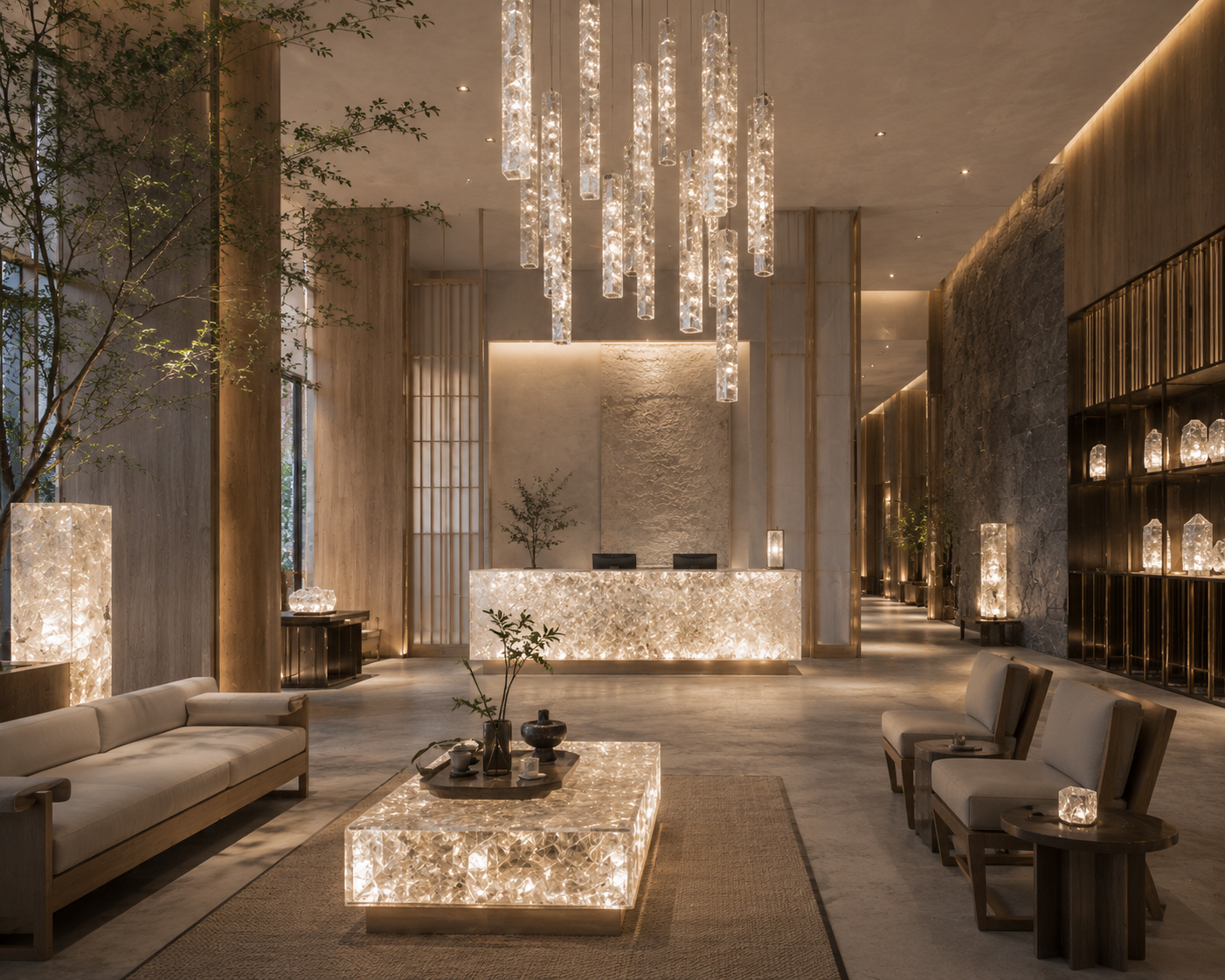
6. A Better Commercial Furniture Project Measures Performance After Handover
The most professional furniture suppliers and project teams do not disappear after delivery. They build a post-handover process. This can include a 30-day installation review, a 6-month condition check, a 12-month performance assessment, and maintenance feedback from the facility team. The goal is not to create unnecessary complexity. The goal is to capture real-world information before small issues become expensive failures.
A practical long-term furniture evaluation should include structural stability, surface condition, edge wear, hardware tightness, joint integrity, cleaning response, stain resistance, user comfort, noise, mobility, replacement part availability, and visual consistency with the brand environment. In a commercial lobby, the evaluation may focus on first-touch impression and seating endurance. In a restaurant, it may focus on stains, abrasion, hygiene, and ease of movement. In a retail store, it may focus on display clarity, product support, lighting interaction, and flexibility for merchandising changes. In an office, it may focus on ergonomics, cable access, reconfiguration, and acoustic behavior.
Procurement documents should also move beyond basic descriptions. Instead of ordering “custom acrylic table” or “commercial lounge chair,” buyers should define expected use intensity, cleaning frequency, load conditions, warranty expectations, replacement part strategy, and maintenance responsibilities. A strong supplier should be able to respond with material recommendations, fabrication details, testing references, packaging methods, installation guidance, and after-sales support. This is where the difference between a product seller and a long-term project partner becomes obvious.
Commercial furniture should also be photographed and documented after installation, not only for marketing but for maintenance reference. Baseline images help teams identify abnormal wear. Maintenance logs help distinguish design defects from misuse or cleaning damage. User feedback helps reveal whether the furniture supports the intended behavior. Over time, this data improves future specifications. The best furniture programs become smarter with every project.
The final lesson is clear: delivery is a milestone, not the finish line. A furniture project succeeds when the space continues to look professional, function efficiently, support users, and protect the brand long after the installation crew has left. Long-term condition is where design integrity, material quality, manufacturing accuracy, maintenance planning, and supplier responsibility meet. In commercial spaces, the real proof of quality is not the opening-day photograph. It is the state of the furniture after real life has tested it.