Choosing furniture for a luxury project is not simply a matter of selecting beautiful pieces. In high-end residential, hospitality, and commercial interiors, furniture decisions directly influence the atmosphere, functionality, and long-term value of the entire space.
A piece of furniture may look impressive in a design rendering, but the real test begins after installation. How does it interact with lighting? Does it remain comfortable after years of use? Is the material practical for daily maintenance? Can the structure handle the demands of the environment?
These questions are becoming increasingly important for designers, project owners, and procurement teams.
In luxury projects, furniture is no longer considered only as a decorative element. It is part of the overall design system. It needs to balance visual expression, craftsmanship, operational requirements, and long-term performance.
Through our experience developing high-end synthetic crystal furniture, we have found that the most successful projects are not created by choosing the most expensive furniture available. They are created by selecting furniture that truly belongs to the space, the users, and the purpose of the project.
A luxury project succeeds when furniture looks exceptional on the first day and continues creating value years later.
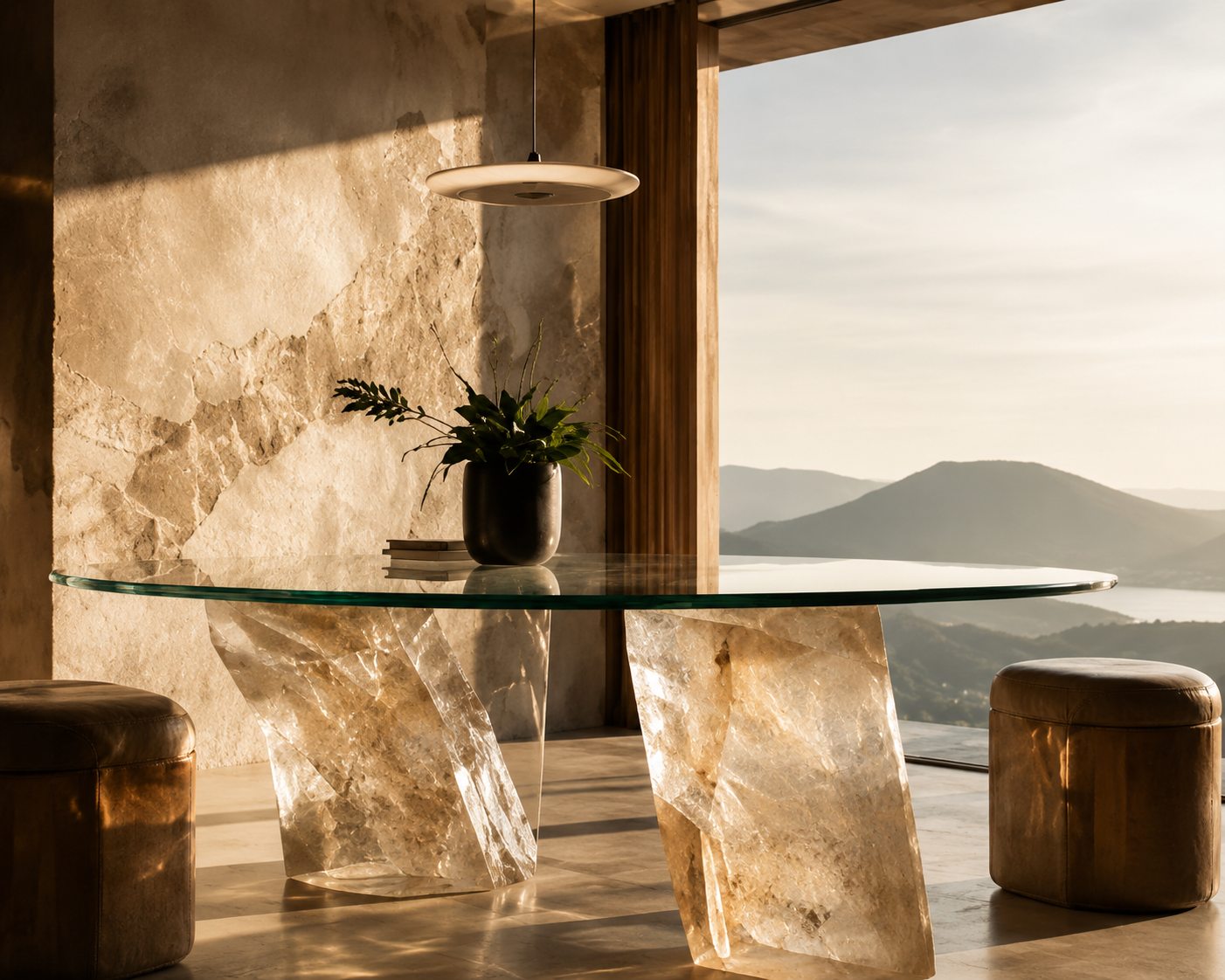
Why Luxury Furniture Selection Requires More Than Aesthetic Judgment
In many design projects, furniture selection begins with appearance.
Designers consider:
Does the shape match the concept?
Does the color fit the interior?
Does the style create the desired atmosphere?
These questions are important, but they represent only one part of the decision process.
High-end furniture must also answer practical questions:
Can the material handle daily use?
Is maintenance realistic?
Can the product be installed safely?
Will the craftsmanship remain visible after years?
Will the furniture continue to support the value of the space?
Luxury projects usually involve significant investment in architecture, finishes, and customer experience. A poor furniture choice can reduce the impact of the entire environment.
For example, a visually attractive table may look perfect in a showroom but fail in a hotel lobby because it cannot handle frequent contact or requires excessive maintenance.
This is why professional furniture selection requires a complete evaluation process.
Furniture Has Become a Long-Term Design Investment
The role of furniture in luxury interiors has changed.
In the past, furniture was often selected near the end of a project after architectural decisions were completed.
Today, designers increasingly consider furniture as an essential part of the original concept.
A signature furniture piece can influence:
• How people move through a space
• Where attention is directed
• How customers experience a brand
• How comfortable users feel
• How valuable the environment appears
A customized synthetic crystal table, for example, is not only a surface for daily use. It can become a visual connection between architecture, lighting, and the overall design language.
This shift means furniture selection has become more professional.
Designers need to understand not only style but also materials, manufacturing processes, and real-world performance.
Five Major Trends Changing Luxury Furniture Selection
1. Quality Is Becoming More Important Than Quantity
Luxury clients are becoming less interested in filling spaces with many expensive objects.
Instead, they prefer fewer pieces with stronger quality and identity.
A carefully designed statement table or custom furniture piece can create more impact than multiple standard products.
The focus has moved from:
“How many luxury items are included?”
to:
“How valuable is each selected piece?”
This approach creates cleaner, more sophisticated environments.
2. Craftsmanship Value Is Increasing
Modern luxury buyers are paying more attention to how furniture is made.
They want to understand:
What materials are used?
How is the surface processed?
How precise is the manufacturing?
How much attention is given to details?
Craftsmanship has become part of the product value.
For high-end synthetic crystal furniture, details such as edge polishing, surface treatment, structural support, and finishing accuracy directly influence the final appearance.
A premium material without excellent craftsmanship cannot achieve a premium result.
3. Maintenance Requirements Are Considered Earlier
One important change in luxury projects is that maintenance is no longer an afterthought.
Designers and owners increasingly consider the full lifecycle of furniture before making decisions.
Questions include:
How often will the furniture be used?
How easy is cleaning?
Will the surface show fingerprints?
Can damaged parts be repaired?
This is especially important in hospitality and commercial environments where furniture experiences frequent interaction.
4. Long-Term Value Matters More
Luxury furniture is an investment.
A successful piece should maintain its visual and functional value over time.
Short-term trends may create temporary attention, but timeless design and reliable materials create lasting value.
This is why many premium projects prefer customized furniture solutions that match the identity of the space rather than following temporary fashion trends.
5. Furniture Selection Is Becoming More Professional
Luxury projects involve more specialists than before.
Designers, architects, developers, procurement teams, and manufacturers often work together during the selection process.
Furniture decisions now require professional evaluation of:
• Design compatibility
• Material performance
• Production feasibility
• Installation requirements
• Cost management
The goal is reducing risk while achieving the desired design result.
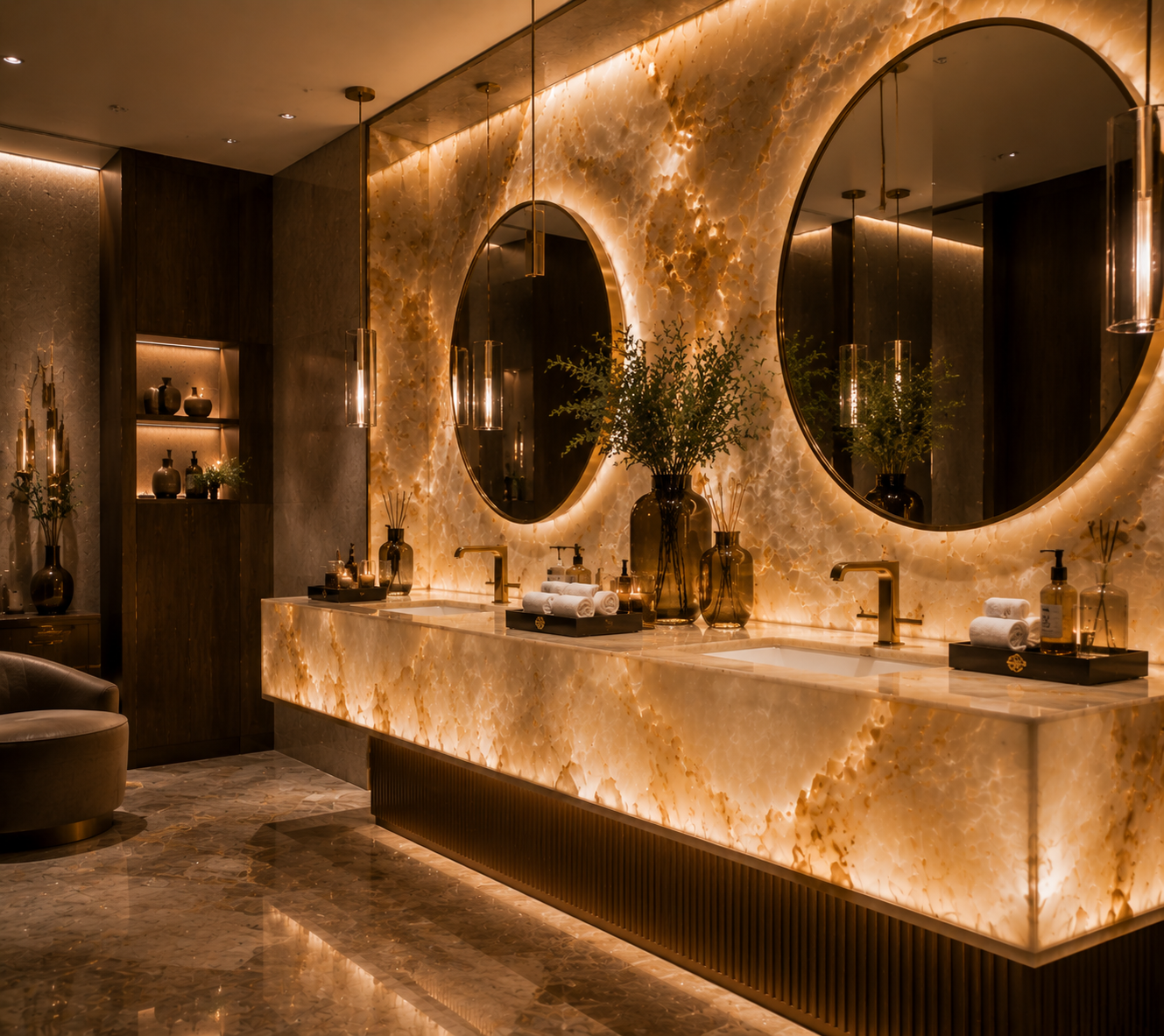
How Client Expectations Are Changing
The expectations of luxury project clients have changed significantly.
Designers, developers, and purchasing teams are no longer satisfied with furniture that only looks good in a presentation image.
They want furniture that performs in real environments.
They ask:
Will this piece still look premium after years of use?
Is the material suitable for this location?
Does the manufacturing quality match the project standard?
Can the supplier provide customization support?
This change reflects a deeper understanding of luxury.
True luxury is not only about appearance.
It is about reliability, experience, and long-term confidence.
What Designers Should Evaluate Before Selecting Luxury Furniture
1. Craftsmanship Quality
The first consideration should be how the furniture is made.
High-end furniture requires attention to details that are often invisible at first glance.
Examples include:
• Precision of joints
• Edge finishing
• Surface treatment
• Structural stability
• Manufacturing consistency
These details determine whether a piece feels truly premium.
2. Material Quality
Materials define both appearance and performance.
A designer should evaluate:
• Visual characteristics
• Durability
• Maintenance requirements
• Environmental suitability
For synthetic crystal furniture, material quality directly affects transparency, depth, and light reflection.
Different grades of transparent materials can create very different results.
3. Maintenance Requirements
A luxury project should consider ownership experience.
Beautiful furniture that requires complicated maintenance may create problems later.
Before selecting materials, designers should understand:
Cleaning methods
Protection requirements
Expected usage conditions
Long-term care procedures
This is especially important for hotels, restaurants, and commercial spaces.
4. Installation Method
Installation is often overlooked during furniture selection.
However, large customized furniture pieces require careful planning.
Important considerations include:
• Transportation conditions
• Access routes
• Installation space
• Assembly requirements
• Protection during installation
A perfect product can still be damaged if installation planning is insufficient.
5. Space Coordination
Furniture must work with the surrounding environment.
Designers need to evaluate:
Room proportions
Lighting conditions
Architectural style
Color relationships
A statement piece should strengthen the space rather than compete with it.
6. Durability
Luxury furniture needs to perform beyond the opening day.
Durability depends on:
Material selection
Manufacturing quality
Structural design
Usage environment
The best furniture combines beauty with reliability.
7. Functionality
Even artistic furniture must serve its purpose.
A dining table should support daily activities.
A reception desk should support staff operations.
A lounge chair should provide comfort.
Luxury design requires balancing artistic expression and practical function.
8. Usage Frequency
Different environments create different demands.
A private residence may have limited daily use.
A hotel lobby may experience hundreds of interactions every day.
Furniture selection should consider the actual operating environment.
9. Cost Control
Customization creates value, but budget management remains important.
Professional selection does not mean choosing the most expensive option.
It means choosing the option that creates the greatest value for the project.
Sometimes one customized centerpiece creates more impact than many upgraded but ordinary furniture pieces.
10. Long-Term Performance
The final question is:
How will this furniture perform in five or ten years?
Luxury projects require thinking beyond completion day.
Materials, craftsmanship, and design choices should support long-term satisfaction.
The Evolution of Luxury Furniture Materials and Manufacturing
Luxury furniture has evolved from focusing mainly on appearance toward a more comprehensive approach.
Today, designers evaluate:
• Visual quality
• Structural stability
• Surface performance
• Processing precision
• Lifecycle value
Advanced materials have expanded creative possibilities.
High-end synthetic crystal, premium resin, and platinum acrylic are examples of materials that allow designers to create furniture with unique visual effects.
Synthetic crystal furniture is especially valuable because it combines transparency, craftsmanship, and modern aesthetics.
It allows designers to create:
• Sculptural tables
• Artistic furniture pieces
• Customized reception structures
• Signature interior elements
However, the material alone does not determine quality.
The final result depends on processing technology, design understanding, and manufacturing experience.
Why Synthetic Crystal Furniture Requires Professional Evaluation
Transparent furniture creates unique opportunities, but it also requires careful consideration.
Unlike traditional solid materials, synthetic crystal interacts strongly with its surroundings.
Lighting, background colors, and space conditions influence how the material appears.
For example, the same crystal table may create completely different impressions under warm architectural lighting compared with flat commercial lighting.
This is why professional manufacturers need to understand not only production but also application.
A successful synthetic crystal furniture project requires cooperation between designers and manufacturers from concept development to installation.
Building a Better Furniture Selection Process for Luxury Projects
A professional selection process should begin during the design stage, not after the concept is finished.
The recommended approach includes:
Material Sample Evaluation
Before production, designers should review:
• Color samples
• Surface finishes
• Transparency effects
• Texture options
Usage Scenario Analysis
The furniture should be evaluated based on:
Who will use it?
How often will it be used?
Where will it be installed?
What environmental conditions exist?
Maintenance Planning
The project team should understand:
Cleaning requirements
Protection methods
Long-term care
Installation Assessment
Before production begins, teams should confirm:
Transportation methods
Site conditions
Installation procedures
This approach helps reduce project risks and improves the final result.
The Future of Luxury Furniture Selection
The future of luxury furniture will continue moving toward customization, craftsmanship, and experience-driven design.
Designers and clients are increasingly looking for furniture that does more than complete a room.
They want furniture that creates identity.
High-end synthetic crystal furniture represents this direction by combining advanced materials, artistic expression, and practical function.
The most successful luxury projects will not be defined by how many expensive furniture pieces they contain. They will be defined by whether every selected piece supports the space, the users, and the story behind the design.
Because in luxury interiors, the right furniture choice is not just something people see — it is the element that quietly determines how they feel the moment they enter the space.


