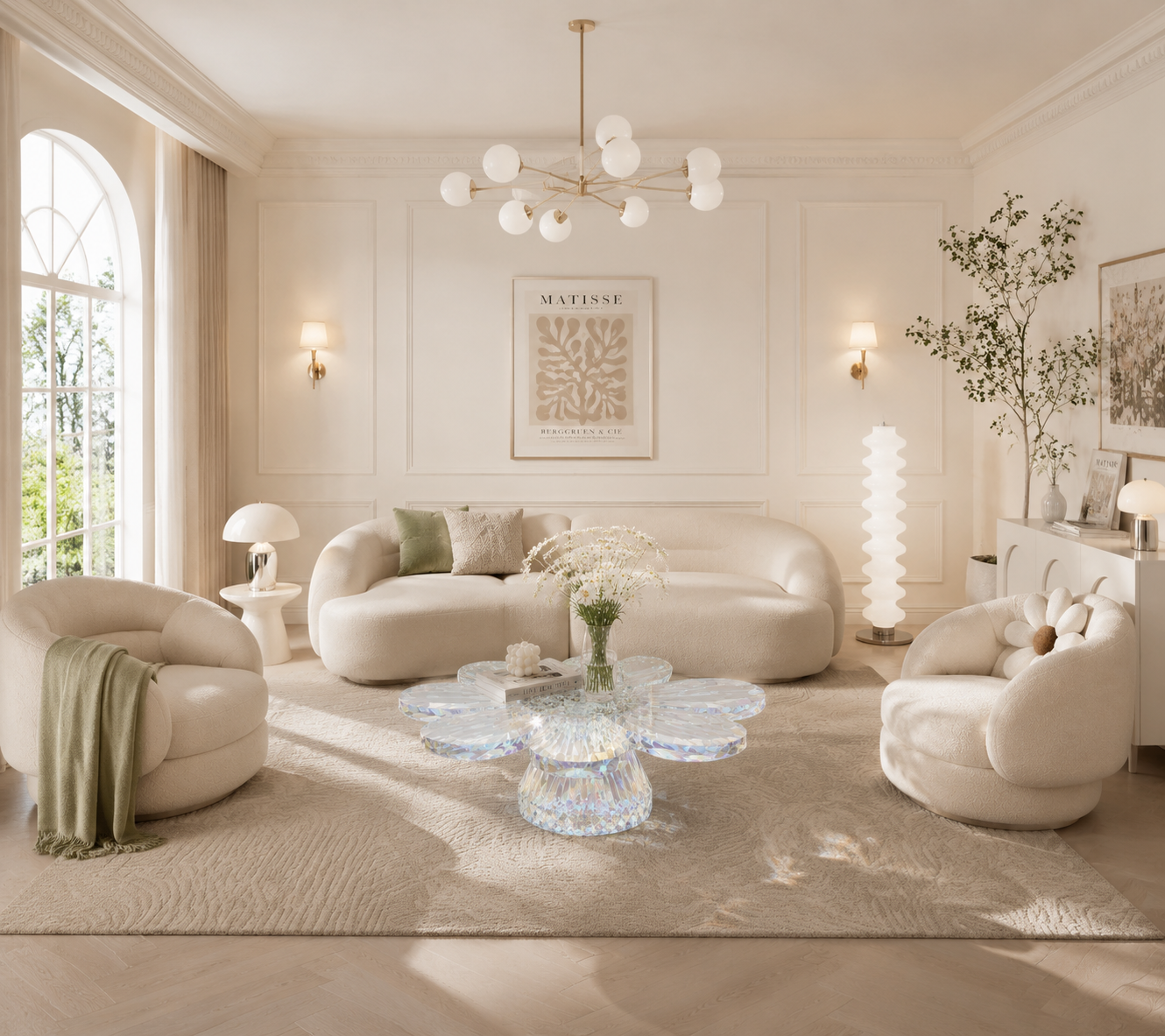
With the continuous evolution of commercial space design, consumers’ expectations for spatial experiences have shifted from simple functional satisfaction to a comprehensive perception that combines visual appeal, emotional connection, brand value, and interactive experiences. In the past, furniture mainly served practical purposes, such as providing seating, storage, or display functions. Today, however, in high-end commercial environments such as hotels, brand showrooms, art centers, luxury retail stores, and premium offices, furniture has become an essential medium for expressing the identity and atmosphere of a space.
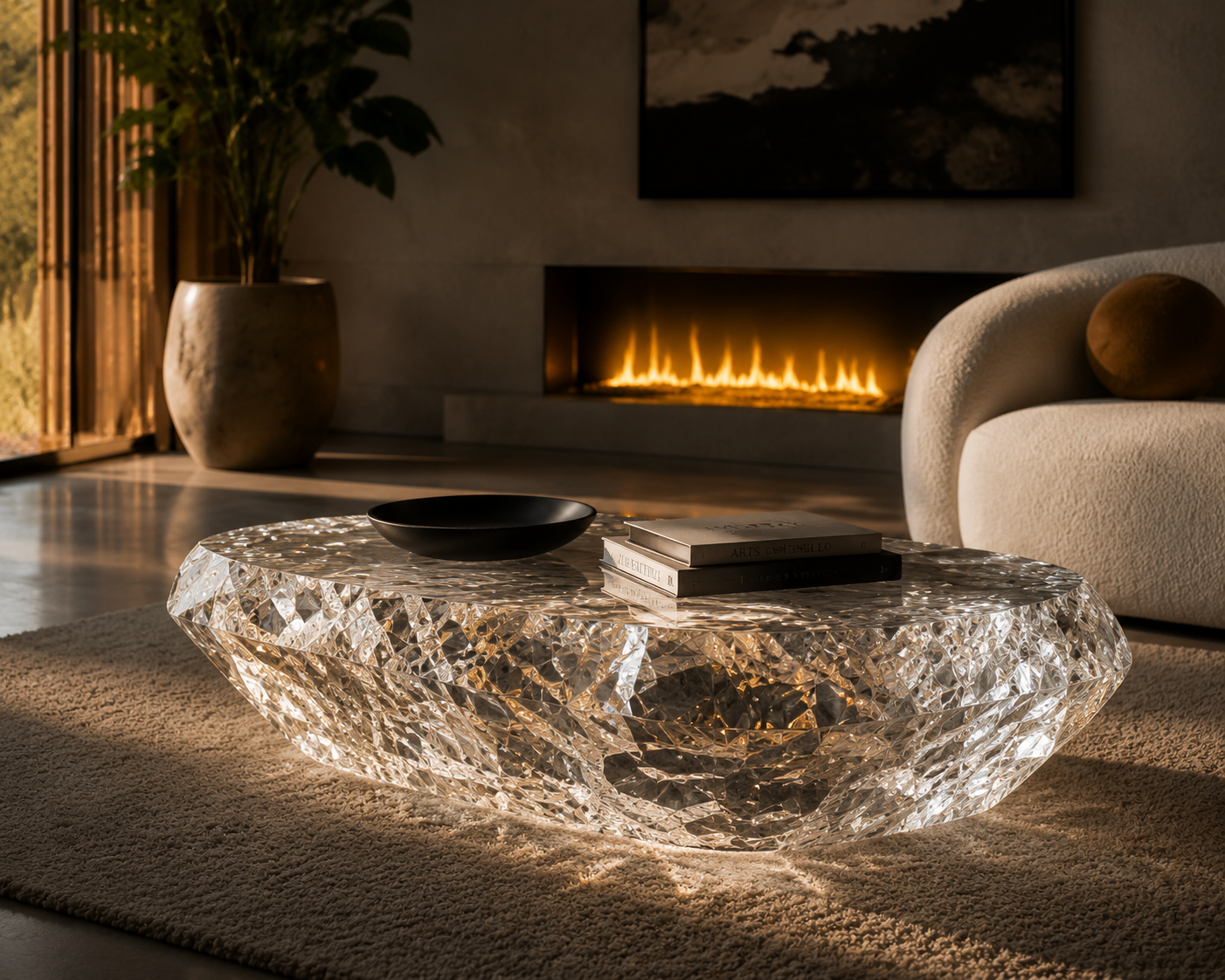
Among various furniture categories, high-end transparent furniture is gradually becoming a visual centerpiece in commercial spaces due to its unique material characteristics, lightweight appearance, and strong design language. It is not merely about creating a transparent look; instead, it integrates advanced materials, structural innovation, lighting effects, and spatial harmony to deliver an entirely new experience.
From material selection to the final user experience, high-end transparent furniture is redefining the role of furniture in commercial environments. It enhances spatial openness, strengthens brand storytelling, and creates memorable experiences for customers.
1. Advanced Transparent Materials Transform Furniture from Functional Products into Spatial Artworks
The development of high-end transparent furniture is closely connected to breakthroughs in material technology. Early transparent furniture was often made from ordinary acrylic or plastic materials. Although these materials created a transparent appearance, they lacked durability, premium texture, and visual refinement, making them unsuitable for high-end commercial applications.
Today, premium transparent furniture commonly utilizes high-transparency acrylic, optical resin, tempered glass, polycarbonate, and advanced composite materials. Compared with conventional materials, these new-generation materials offer higher transparency, stronger impact resistance, improved durability, and more sophisticated surface finishes.
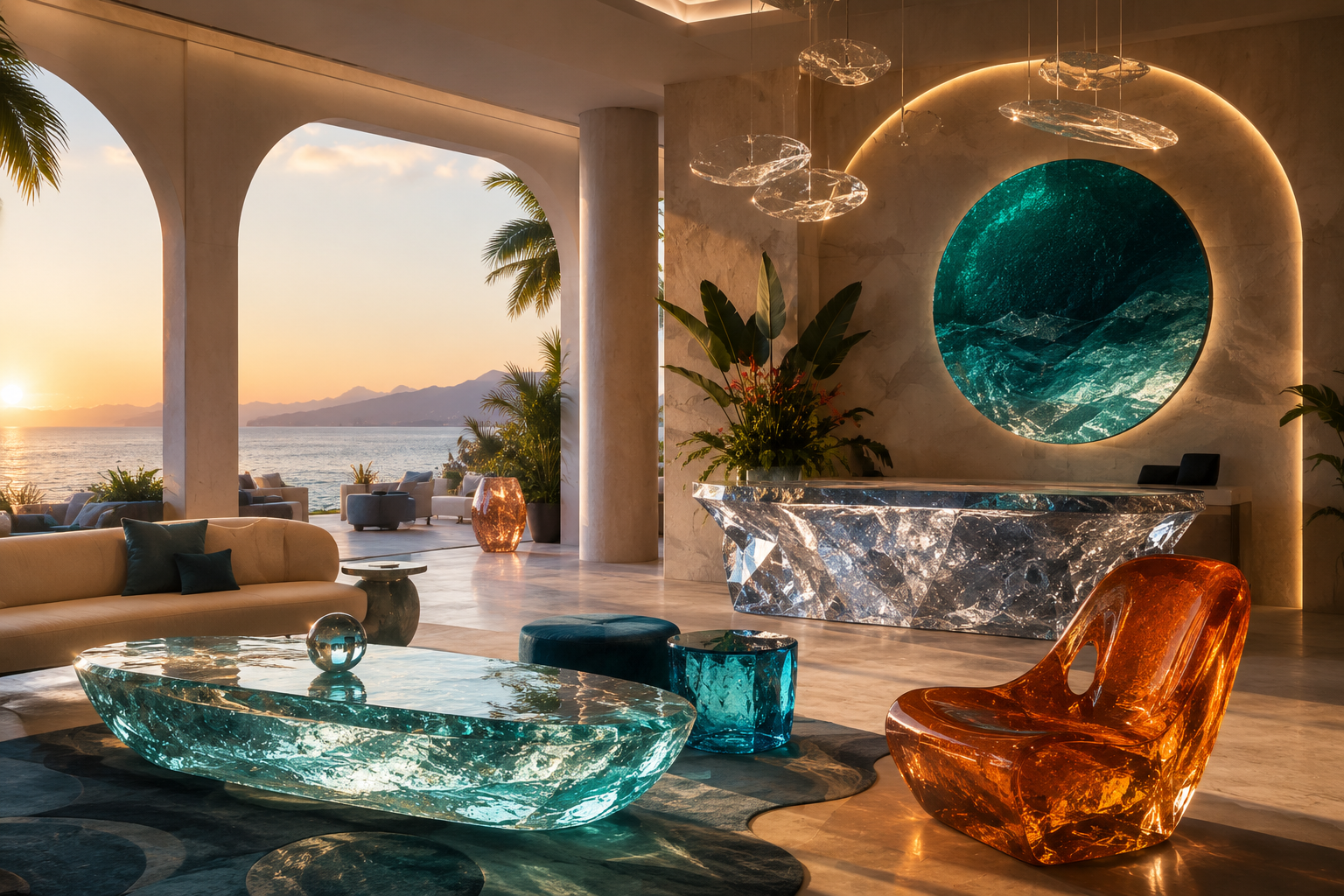
For example, in a luxury hotel lobby, a transparent resin coffee table is not only a functional piece of furniture but also an artistic installation. When light passes through the transparent material, it creates layered reflections and changing visual effects throughout the day. Under natural daylight, the furniture blends seamlessly with the environment and enhances spatial openness. Under artificial lighting at night, it transforms into an eye-catching artistic feature.
For commercial spaces, this evolution in material value is extremely important. Modern businesses do not only require durable products; they need design elements that communicate brand philosophy and create emotional connections. High-end transparent furniture has therefore evolved from a traditional functional object into a medium that connects spatial design, brand identity, and customer experience.
Especially in luxury retail stores, premium clubs, and brand experience centers, transparent furniture communicates a sense of sophistication, innovation, and modern aesthetics. Unlike heavy traditional furniture, it does not visually dominate the environment but instead enhances the overall feeling of elegance and refinement.
2. The Visual Advantages of Transparent Furniture Create Stronger Commercial Appeal
One of the most important goals of commercial space design is to attract customers, encourage them to stay longer, and leave a lasting impression. Visual experience is often the first emotional response customers have when entering a space. The greatest advantage of high-end transparent furniture is its ability to create a feeling of “presence without visual occupation.”
Traditional furniture often creates clear visual boundaries due to limitations in color, size, and material. For example, dark wooden furniture can create a heavy and traditional atmosphere, while metal furniture may produce a colder and more industrial feeling. Transparent furniture, however, reduces visual pressure and allows the environment to feel more open and fluid.
This advantage is particularly valuable in limited commercial spaces. For instance, a boutique coffee shop filled with dark wooden tables and chairs may appear smaller and more crowded. By using transparent furniture, the same space can feel significantly larger and more comfortable, even without changing the actual size.
Many international brands have already adopted this design approach. Luxury jewelry stores, for example, often use transparent display counters and seating areas to ensure that customers’ attention remains focused on the products rather than the furniture itself. Transparent materials also enhance lighting effects, allowing jewelry and artwork to appear more refined and visually attractive.
In addition, transparent furniture has strong potential for social media communication. In today’s digital environment, commercial spaces are not only physical locations but also platforms for brand exposure. A beautifully designed transparent furniture area can easily become a photo-worthy spot, encouraging customers to share their experiences online and increasing brand visibility.
Therefore, high-end transparent furniture does more than improve visual aesthetics; it becomes an important tool for creating memorable brand experiences.
3. Integration Between Transparent Furniture and Spatial Design Enhances Overall Experience
Excellent commercial space design is not simply about combining attractive elements; it is about creating harmony among every detail to support the overall experience. The true value of transparent furniture lies in its ability to integrate naturally with different design styles.
In modern minimalist environments, transparent furniture strengthens the sense of cleanliness, simplicity, and futuristic aesthetics. For example, in technology company exhibition halls, transparent conference tables and display units can reinforce a high-tech atmosphere while maintaining visual lightness.
In luxury hotels, transparent furniture enhances elegance and sophistication. Transparent artistic chairs placed in a lobby lounge area with soft lighting can create an atmosphere of exclusivity and refinement. Because transparent materials do not block architectural features or decorative details, they allow the space itself to become part of the visual experience.
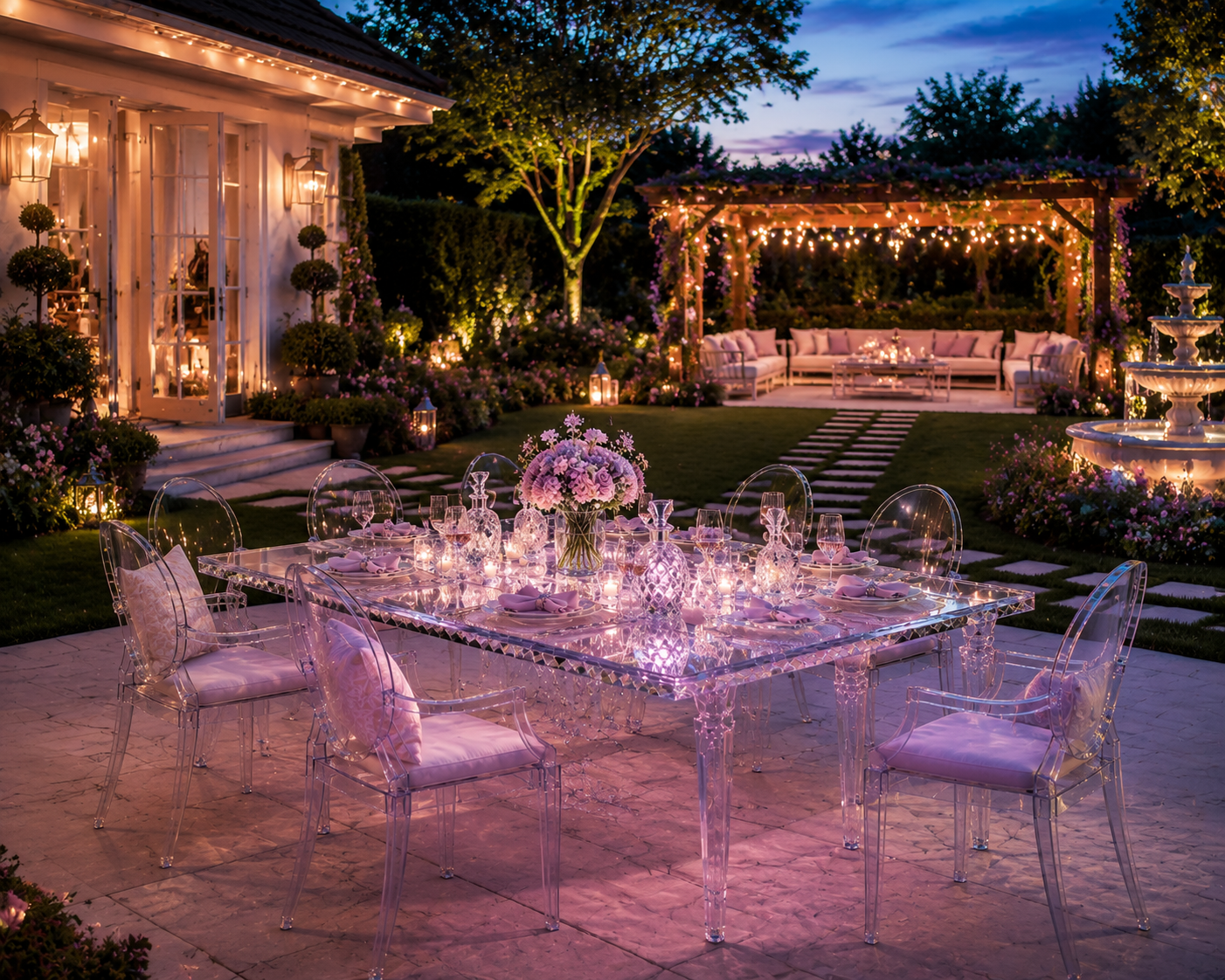
In restaurants, transparent furniture can also influence customer perception. Transparent tables and partitions reduce the sense of separation while maintaining appropriate privacy, creating a more comfortable and open dining environment.
The true advantage of transparent furniture is not simply transparency itself, but its ability to adapt to different spatial requirements. It can become the main visual element or serve as a supporting design feature depending on the purpose of the space.
For example, a luxury fashion showroom may use transparent furniture to reduce visual distractions and keep attention focused on clothing collections. An art exhibition space, on the other hand, may use creatively designed transparent furniture as part of the artistic atmosphere.
From a design perspective, high-end transparent furniture is no longer an independent product but a design language that participates in the storytelling of commercial spaces.
4. Creating Deeper Emotional Connections Through Consumer Experience
The competition among commercial spaces has shifted from product competition to experience competition. Consumers today care not only about what they purchase but also about how they feel during the purchasing journey.
High-end transparent furniture creates unique experiences through visual appeal, tactile sensations, and psychological effects.
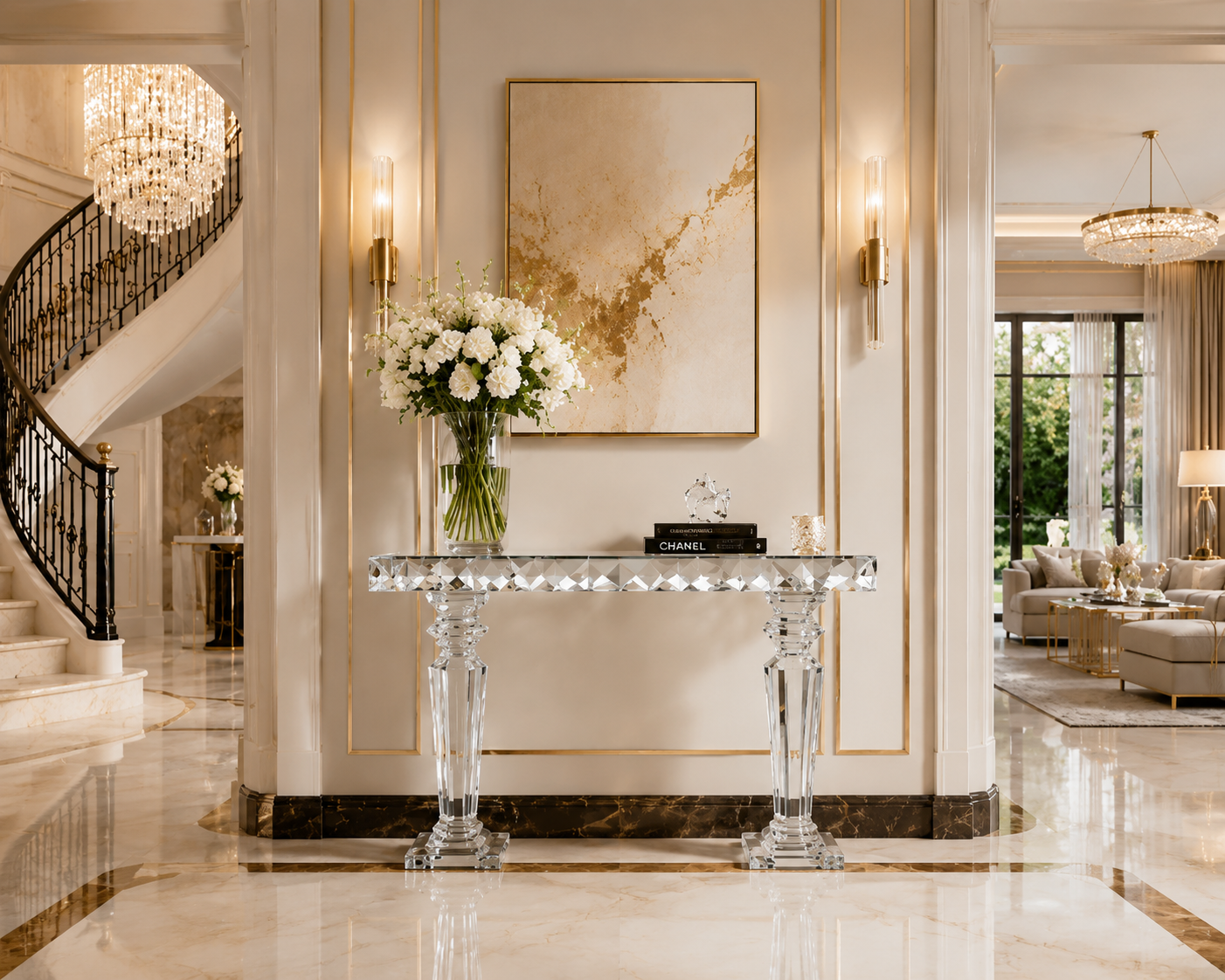
First, transparent materials provide a sense of openness and lightness. People often feel more relaxed in visually open environments. For example, transparent seating combined with soft lighting in a premium lounge area can reduce spatial pressure and create a more comfortable waiting experience.
Second, transparent furniture encourages curiosity and interaction. Unlike ordinary furniture whose structure is immediately visible, transparent materials invite people to observe details such as internal structures, craftsmanship, and design techniques. This exploration process creates stronger memories of the space.
Furthermore, high-end transparent furniture helps strengthen brand perception. Precision-crafted transparent furniture often creates associations with technology, innovation, quality, and premium value. These psychological associations influence how customers perceive the brand itself.
For example, a luxury automobile showroom featuring transparent display furniture and transparent lounge areas can communicate a commitment to future technology and advanced design. Although furniture is not the main product being displayed, it becomes an important supporting element in brand communication.
Therefore, the true value of transparent furniture is not simply improving the appearance of a space but creating meaningful emotional connections between brands and customers.
5. The Commercial Value of High-End Transparent Furniture: Building Brand Differentiation
In today’s highly competitive commercial environment, creating a memorable space has become a major challenge for brands. Many businesses invest heavily in interior design but fail to create a lasting impression on visitors.
High-end transparent furniture provides an effective solution.
First, it offers strong differentiation. Compared with traditional furniture, transparent designs are more likely to create unique visual identities. A luxury hotel featuring distinctive transparent artistic furniture, for example, can create a signature experience that customers remember.
Second, transparent furniture can adapt to different brand identities.
Financial institutions can use transparent furniture to express professionalism, openness, and modernity. Technology companies can use it to represent innovation and future-oriented thinking. Art brands can use transparent structures to highlight creativity and aesthetic value.
Third, high-end transparent furniture offers long-term value. Because of its timeless and contemporary appearance, well-designed transparent furniture can remain relevant even as design trends evolve.
From a business investment perspective, premium transparent furniture is not simply a decoration expense. It is a brand asset that enhances customer experience, strengthens spatial recognition, and helps companies establish a competitive advantage.
Many businesses focus heavily on walls, lighting, and flooring when designing commercial spaces but underestimate the influence of furniture. In reality, furniture is one of the elements customers interact with most frequently. As a result, high-end transparent furniture is becoming an increasingly important investment in commercial design.
6. Future Trends: Transparent Furniture as a Key Direction in Commercial Space Design
With continued advancements in material science and increasing consumer expectations for design quality, transparent furniture will play an even greater role in future commercial environments.
Future transparent furniture will continue to develop toward smarter, more artistic, and more customized solutions.
For example, smart transparent materials may allow furniture to change colors, display interactive lighting effects, or respond dynamically to the surrounding environment. Furniture will no longer be a static object but an active part of the spatial experience.
Meanwhile, technologies such as 3D printing and digital manufacturing will enable more complex and personalized transparent designs. Brands will be able to create exclusive transparent furniture that reflects their unique identity and enhances brand storytelling.
Sustainability will also become an important factor in the development of transparent furniture. Eco-friendly materials, recyclable components, and low-carbon manufacturing processes will increasingly influence consumer choices. Future customers will care not only about appearance but also about environmental responsibility.
From a broader perspective, transparent furniture represents more than a product category; it represents a new approach to spatial design. It focuses on the relationship between people and environments by reducing visual barriers, enhancing interaction, and creating more open and futuristic commercial experiences.
In an era where commercial competition continues to intensify, furniture has become an important tool for brand communication. With its advantages in material innovation, visual expression, spatial adaptability, and experiential value, high-end transparent furniture is evolving from a supporting element into a central visual feature of commercial spaces.
From materials to experience, transparent furniture represents not only a product upgrade but also a transformation in commercial design philosophy. As technology, design concepts, and consumer expectations continue to evolve, transparent furniture will create more possibilities for brands, helping them build spaces that are more attractive, memorable, and aligned with modern customer expectations.