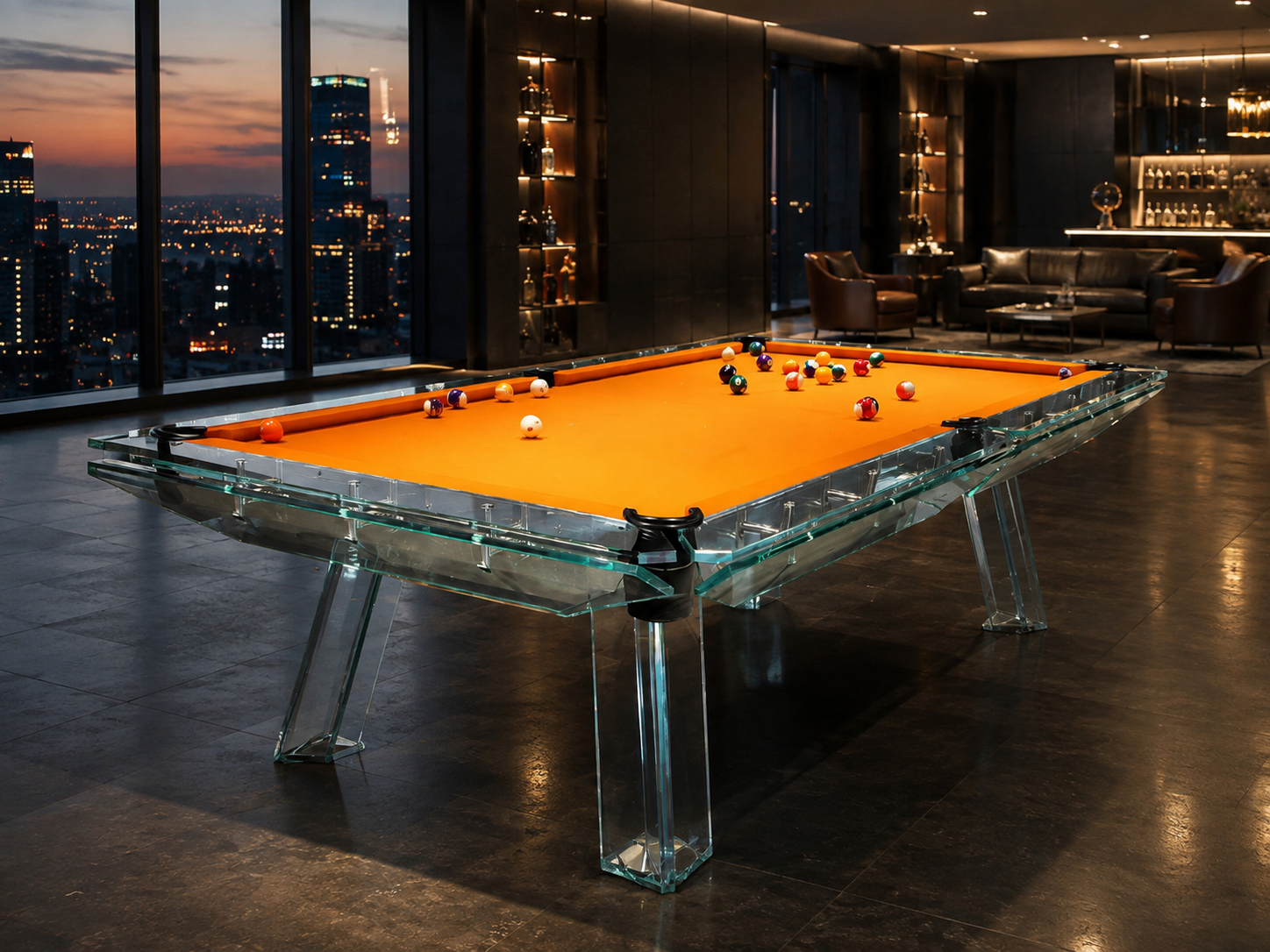
The meaning of luxury furniture is undergoing a profound transformation. For decades, luxury interiors were primarily associated with visual beauty, expensive materials, and decorative value. A carefully selected sofa, an elegant marble table, or a handcrafted wooden cabinet represented status and refined taste. The focus was often on what people could see and recognize.
However, the modern luxury market is moving in a different direction. Today’s high-end buyers, architects, and interior designers are no longer satisfied with furniture that only looks impressive. They are searching for pieces that create emotions, influence atmosphere, and provide memorable experiences.
Luxury furniture is shifting from decoration to experience.
This evolution reflects a broader change in consumer expectations. People are investing more in how spaces make them feel rather than simply how spaces appear. Homes, hotels, restaurants, private clubs, and premium commercial environments are becoming immersive experiences where every element contributes to a story.
In this new era of luxury design, innovative materials such as synthetic crystal are gaining attention because they offer more than traditional visual appeal. They allow designers to create furniture that interacts with light, space, and human emotions, transforming ordinary interiors into extraordinary experiences.
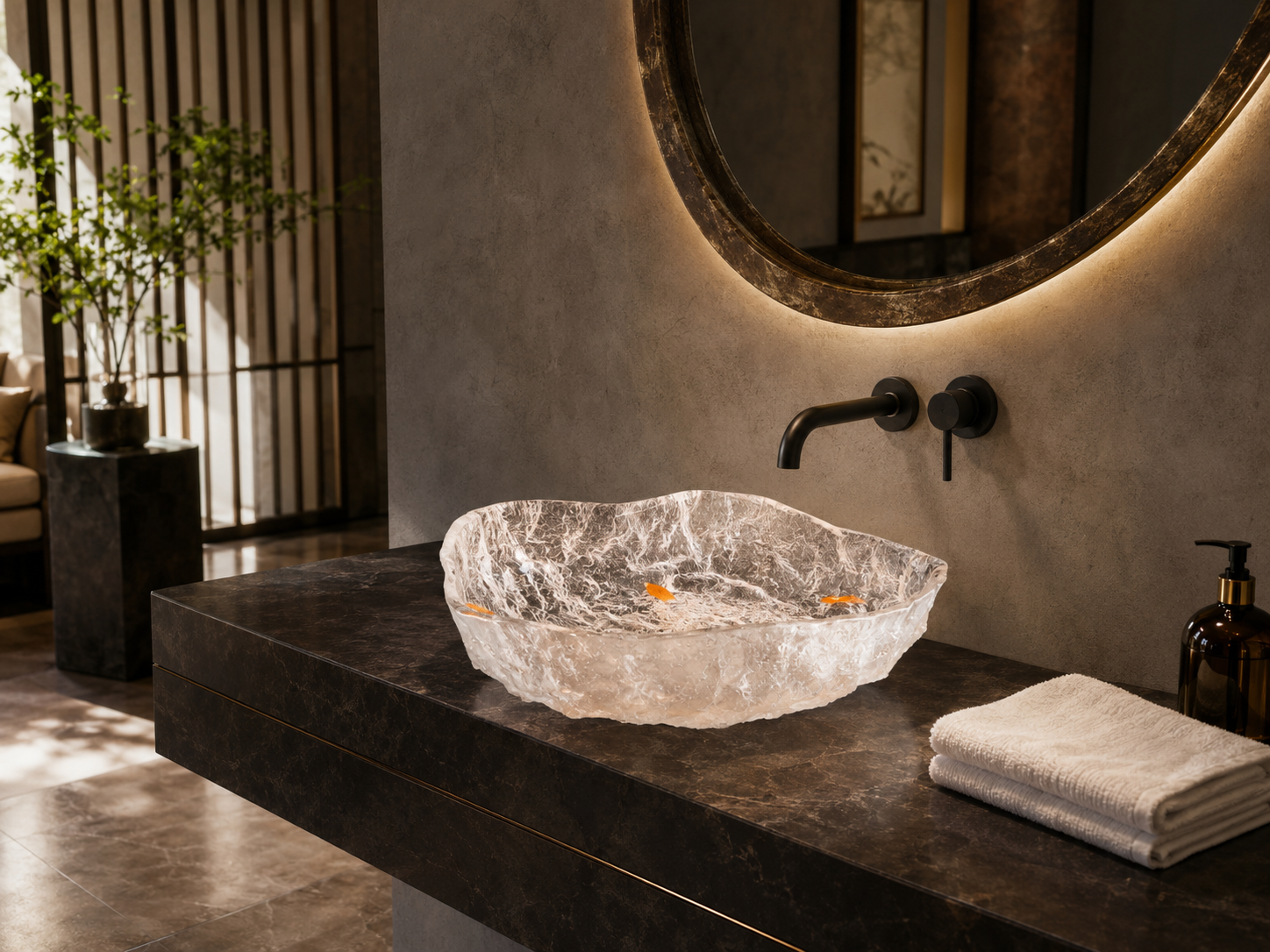
The New Definition of Luxury: Beyond Appearance
Traditional luxury furniture was often evaluated through craftsmanship, material rarity, and decorative complexity. A piece made from expensive natural materials automatically carried a perception of value.
While these qualities remain important, modern luxury buyers are developing a deeper understanding of design. They are asking different questions:
How does this furniture make the space feel?
Does it reflect my personal identity?
Can it create a memorable experience?
Does it connect with the architecture and atmosphere of the environment?
This change has influenced the entire luxury furniture industry. Instead of simply purchasing beautiful objects, consumers are looking for meaningful design solutions.
A luxury dining table is no longer only a surface for meals. It can become the center of social interaction. A hotel lobby table is no longer only functional furniture. It can become the first emotional connection guests have with a brand. A private residence centerpiece is no longer just decoration. It can represent the personality and lifestyle of the homeowner.
Furniture has become an experience creator.
Why Decoration Alone Is No Longer Enough
The modern luxury market is more competitive than ever. Many premium products can achieve visual excellence, but fewer can create a truly unforgettable experience.
Decoration focuses on appearance. Experience focuses on emotion.
A decorative piece may attract attention when someone first enters a room, but an experiential piece continues to engage people through interaction, atmosphere, and memory.
Luxury spaces today are designed around human feelings. Designers consider how natural light moves through a room, how materials reflect the environment, and how furniture influences movement and conversation.
This approach requires materials that provide more creative possibilities.
Traditional materials have their own beauty, but they often come with limitations. Natural stone, wood, and metal are influenced by their original characteristics. Their colors, textures, and structures may restrict certain design concepts.
Synthetic crystal offers a different approach. Through advanced manufacturing techniques, designers can create furniture with unique optical effects, customized forms, and artistic expressions that support experiential design.
Synthetic Crystal Furniture: Creating Emotional Connections Through Light
One of the most powerful characteristics of synthetic crystal furniture is its relationship with light.
Luxury interiors are increasingly designed as dynamic environments rather than static spaces. Lighting, materials, and furniture work together to create changing moods throughout the day.
Synthetic crystal has the ability to interact with light in ways that create depth, transparency, and visual movement. A crystal-inspired table surface can reflect surrounding colors. A transparent furniture structure can create a feeling of openness. A carefully designed piece can become a visual focal point that changes depending on the viewing angle.
This interaction creates an emotional experience.
Unlike ordinary furniture that simply occupies space, synthetic crystal furniture becomes part of the environment. It responds to its surroundings and contributes to the overall atmosphere.
For luxury residential projects, this creates interiors that feel more artistic and personalized. For hospitality spaces, it creates memorable environments that guests want to experience again.
The Rise of Experiential Interior Design
Experiential design has become one of the most important trends in luxury interiors. The goal is no longer only to make spaces beautiful. The goal is to make spaces meaningful.
Luxury hotels are designing immersive guest experiences from the moment visitors enter the lobby. High-end restaurants are creating environments where furniture, lighting, and architecture work together to influence emotions. Luxury homes are becoming personal retreats designed around comfort, identity, and lifestyle.
Furniture plays a central role in this transformation.
A custom synthetic crystal furniture piece can serve as a connection between architecture and human experience. Its shape, material quality, and visual presence can influence how people interact with the space.
For example, a large synthetic crystal dining table can encourage social connection by becoming the visual and emotional center of a home. A crystal-like reception desk can communicate innovation and exclusivity in a luxury business environment.
The furniture itself becomes part of the experience.
Customization as the Future of Luxury Furniture
One of the biggest differences between traditional decoration and modern experiential design is personalization.
Luxury consumers increasingly want spaces that reflect their individual preferences. They are less interested in owning identical products that appear in multiple locations.
Custom-made furniture allows designers to create environments with unique identities.
Synthetic crystal furniture provides exceptional opportunities for customization. Designers can adjust:
The dimensions to match architectural requirements
The shape to support creative concepts
The transparency and color effects to influence atmosphere
The surface details to create unique visual experiences
The integration of lighting elements for dramatic effects
This flexibility allows each piece to become a reflection of the project itself.
In premium interior design, uniqueness has become one of the most valuable forms of luxury.
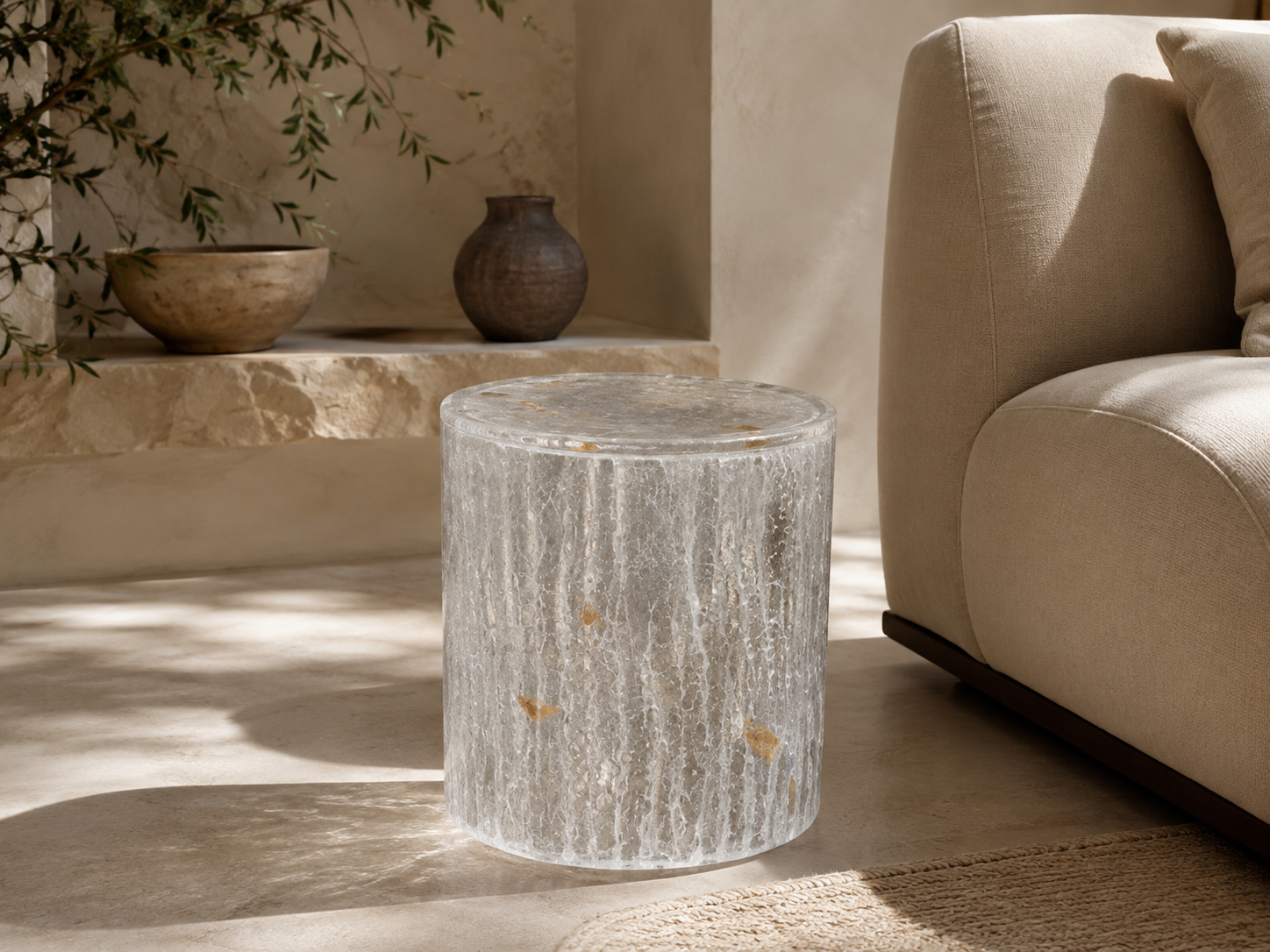
The Role of Material Innovation in Luxury Experiences
Materials are no longer selected only for durability or appearance. They are chosen for the emotions they create.
Different materials communicate different messages.
Wood often represents warmth and natural connection. Marble represents timeless elegance. Metal represents strength and modernity.
Synthetic crystal introduces another dimension: futuristic sophistication and visual imagination.
Its transparent qualities create a sense of lightness. Its reflective surfaces create movement. Its ability to be customized allows designers to express concepts that go beyond traditional limitations.
This is why synthetic crystal is becoming increasingly relevant in luxury furniture design. It represents the combination of technology and artistry, two elements that define modern luxury.
Luxury Buyers Are Investing in Memories, Not Just Products
A major reason behind this shift is the changing behavior of luxury consumers.
Today’s buyers have access to countless premium products. Simply owning something expensive is no longer enough to create a sense of exclusivity.
Instead, people value experiences that cannot be easily replicated.
A custom-designed interior creates emotional memories. A unique furniture piece can become associated with important moments, personal achievements, or a specific lifestyle.
This is particularly important for luxury residences. Homeowners are not only designing spaces for appearance; they are creating environments where they live, relax, entertain, and build memories.
Furniture that contributes to these experiences has a deeper value than ordinary decoration.
How Synthetic Crystal Supports Modern Luxury Projects
For architects and interior designers, synthetic crystal furniture provides a powerful creative tool.
It allows them to move beyond traditional design boundaries and explore new concepts. Whether the goal is minimalist elegance, futuristic luxury, or artistic expression, synthetic crystal can adapt to different visions.
Its versatility makes it suitable for various premium environments:
Luxury residential interiors
Boutique hotels
Premium restaurants
Luxury retail spaces
Private clubs
Corporate executive spaces
In each setting, synthetic crystal furniture can enhance the relationship between people and their surroundings.
The result is not simply a beautiful interior. It is an environment that communicates identity, emotion, and innovation.
The Future of Luxury Furniture: Designing Experiences That Last
The future of luxury furniture will be shaped by creativity, personalization, and emotional connection. Decoration will continue to have value, but experience will become the defining factor in premium interior design.
Luxury buyers are looking for furniture that tells a story, creates atmosphere, and becomes part of their lifestyle. Designers are searching for materials that provide freedom, originality, and expressive possibilities.
Synthetic crystal furniture represents this future by combining advanced technology with artistic craftsmanship. It transforms furniture from a passive object into an active element of interior experience.
As luxury design continues to evolve, the most valuable furniture pieces will not simply be the ones that attract attention, but the ones that create unforgettable feelings. The next generation of luxury interiors will belong to those who understand that true elegance is not only something people see, but something they experience.
READ MORE:
- Trasparenza di lusso: perché i mobili ispirati al cristallo stanno diventando una nuova scelta per gli interni premium
- Transparency, Artistry, and Durability: Can One Material Deliver All Three? The Design Advantages of Synthetic Crystal Furniture
- From Maintenance Costs to Visual Impact: How One Material Can Shape the Entire Spatial Experience
- Clients Want a Unique Design but Have a Limited Budget? Synthetic Crystal Furniture Offers a Balanced Solution
- Why Are More Designers Moving Away from Traditional Materials? How Synthetic Crystal Furniture Is Changing Interior Space
- How to Choose the Right Furniture Materials for High-End Spaces: Why Synthetic Crystal Furniture Is Becoming a New Design Solution
- How Modern Commercial Spaces Use Artistic Furniture to Influence Customer Perception
- Why Durability and Maintenance Matter More in Premium Furniture Investments
- The Hidden Value of Custom-Made Acrylic Furniture for Premium Interior Projects


