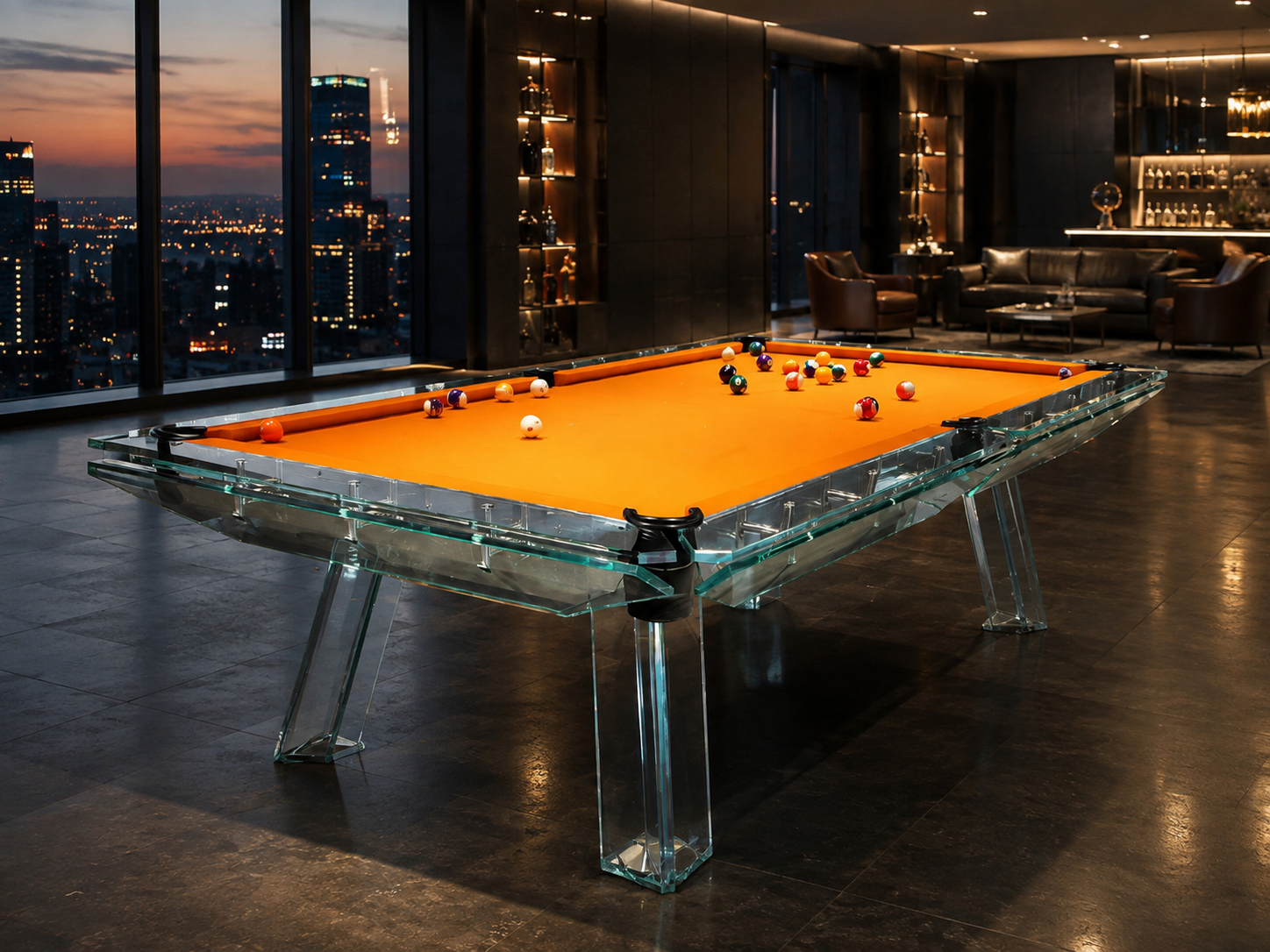
When people think about premium furniture, they often focus first on design, materials, craftsmanship, and visual impact. A luxurious piece of furniture can immediately transform an interior space, create a sophisticated atmosphere, and express the personality of its owner. However, as the luxury furniture market continues to evolve, buyers are paying attention to another factor that is becoming increasingly important: long-term value.
Durability and maintenance are no longer secondary considerations in premium furniture investments. They have become essential factors that influence purchasing decisions among luxury homeowners, architects, interior designers, and commercial developers.
A high-end furniture piece is not simply a decorative object. It is an investment that should maintain its beauty, functionality, and emotional value for many years. Whether used in a luxury residence, five-star hotel, premium office, or exclusive retail environment, furniture must be able to withstand daily use while preserving its original elegance.
This is one reason why innovative materials such as synthetic crystal are gaining attention in the luxury furniture industry. By combining advanced material technology with artistic design possibilities, synthetic crystal furniture offers a unique balance between visual sophistication, durability, and practical maintenance.
The future of premium furniture is not only about creating beautiful pieces. It is about creating beautiful pieces that continue to perform and inspire over time.
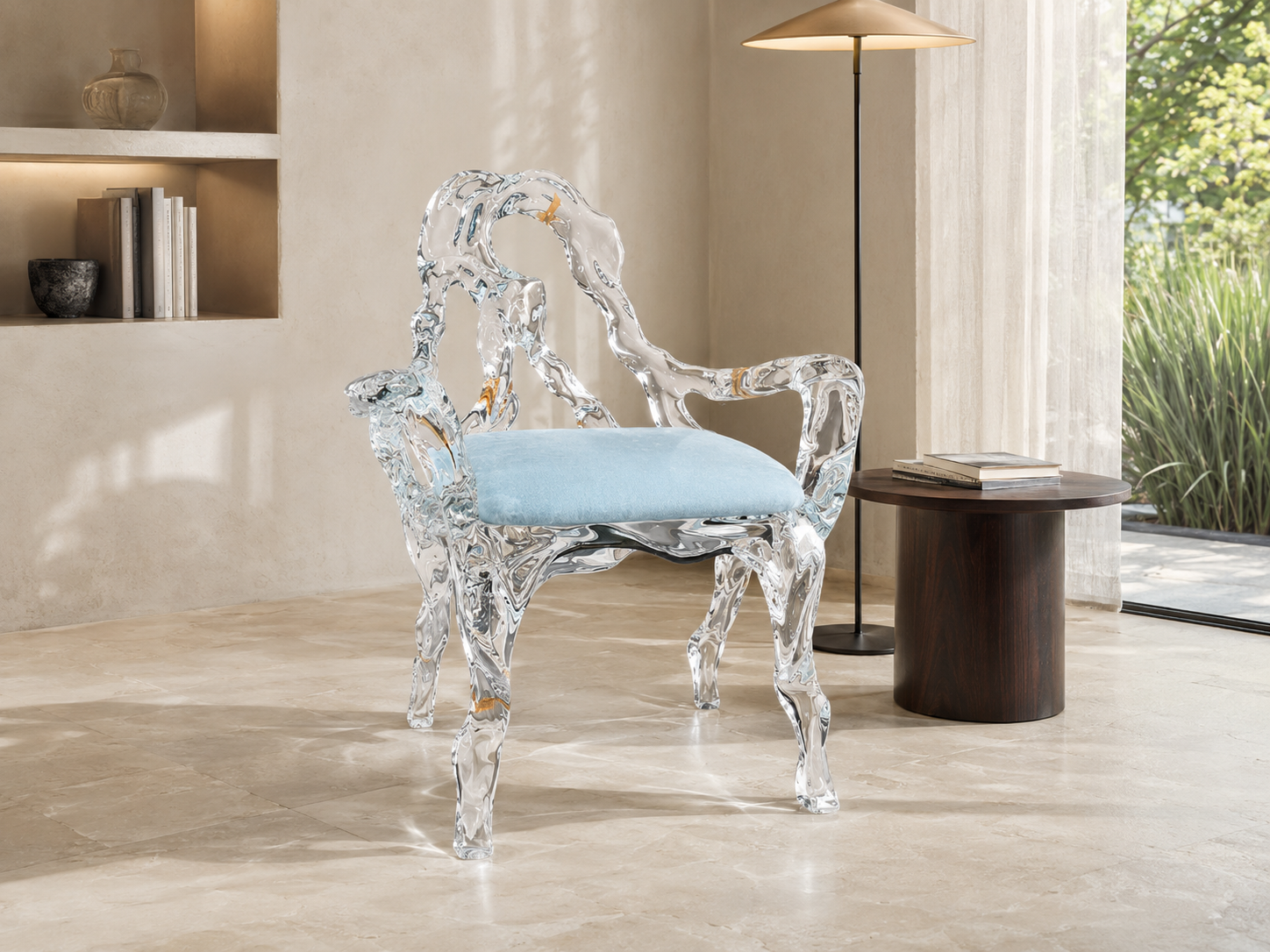
The Changing Expectations of Luxury Furniture Buyers
Luxury consumers today have different expectations compared with previous generations. In the past, premium furniture purchases were often driven mainly by appearance, brand reputation, and material rarity.
While aesthetics remain important, modern buyers are becoming more thoughtful. They want to understand how a piece will perform after years of use. They consider whether the material can maintain its appearance, whether cleaning is complicated, and whether the furniture can continue to match evolving interior styles.
This change is especially visible among high-end residential clients and professional designers. They are no longer looking for furniture that only creates an impressive first impression. They want pieces that provide lasting value.
A luxury dining table, for example, may become the center of family gatherings for many years. A hotel lobby centerpiece may welcome thousands of guests. A premium retail display may represent a brand identity every day.
In these environments, durability is directly connected to design success.
Why Durability Is a Core Element of Luxury Value
True luxury is measured by longevity.
A furniture piece that looks beautiful when first installed but quickly loses its quality does not provide a meaningful luxury experience. Premium furniture must maintain its structure, finish, and visual appeal throughout its lifetime.
Durability affects several important aspects of furniture performance:
Structural stability
Resistance to daily wear
Long-term appearance
Ability to maintain premium quality
Reduced need for replacement
For luxury projects, these factors have significant financial and aesthetic importance.
Replacing furniture frequently can interrupt the design consistency of a space and increase long-term costs. In contrast, selecting materials with strong performance characteristics allows interiors to remain elegant and functional for extended periods.
This is why material selection has become a critical part of premium furniture design.
The Limitations of Traditional Luxury Materials
Traditional materials such as solid wood, natural stone, and glass have played an important role in luxury furniture history. Their beauty and craftsmanship continue to be appreciated worldwide.
However, each material also has specific challenges.
Natural wood offers warmth and authenticity, but it may require regular care to protect against moisture, scratches, and environmental changes. Different types of wood can also vary significantly in appearance and performance.
Natural stone such as marble provides timeless elegance, but it can be sensitive to stains, surface damage, and heavy maintenance requirements. Its weight and installation complexity can also create challenges in certain projects.
Glass creates a sense of openness and sophistication, but traditional glass furniture may require careful handling due to concerns about impact resistance and long-term practicality.
These limitations have encouraged designers and manufacturers to explore advanced alternatives that provide luxury aesthetics with improved functionality.
Synthetic crystal furniture represents one of these innovative solutions.
Synthetic Crystal Furniture: Combining Beauty with Performance
Synthetic crystal has become increasingly attractive in premium furniture applications because it offers a unique combination of elegance and practicality.
Unlike natural materials that are limited by geological or biological formation processes, synthetic crystal is engineered with controlled characteristics. This allows manufacturers to achieve consistent quality while creating distinctive visual effects.
High-end synthetic crystal furniture can provide:
Exceptional transparency and clarity
Sophisticated light reflection
Smooth premium surfaces
Flexible design possibilities
Consistent material performance
These qualities make synthetic crystal especially suitable for luxury environments where both appearance and reliability matter.
A synthetic crystal dining table, coffee table, console, or custom furniture piece can deliver a striking visual experience while remaining suitable for long-term use.
The material allows designers to achieve the appearance of modern luxury without sacrificing practical considerations.
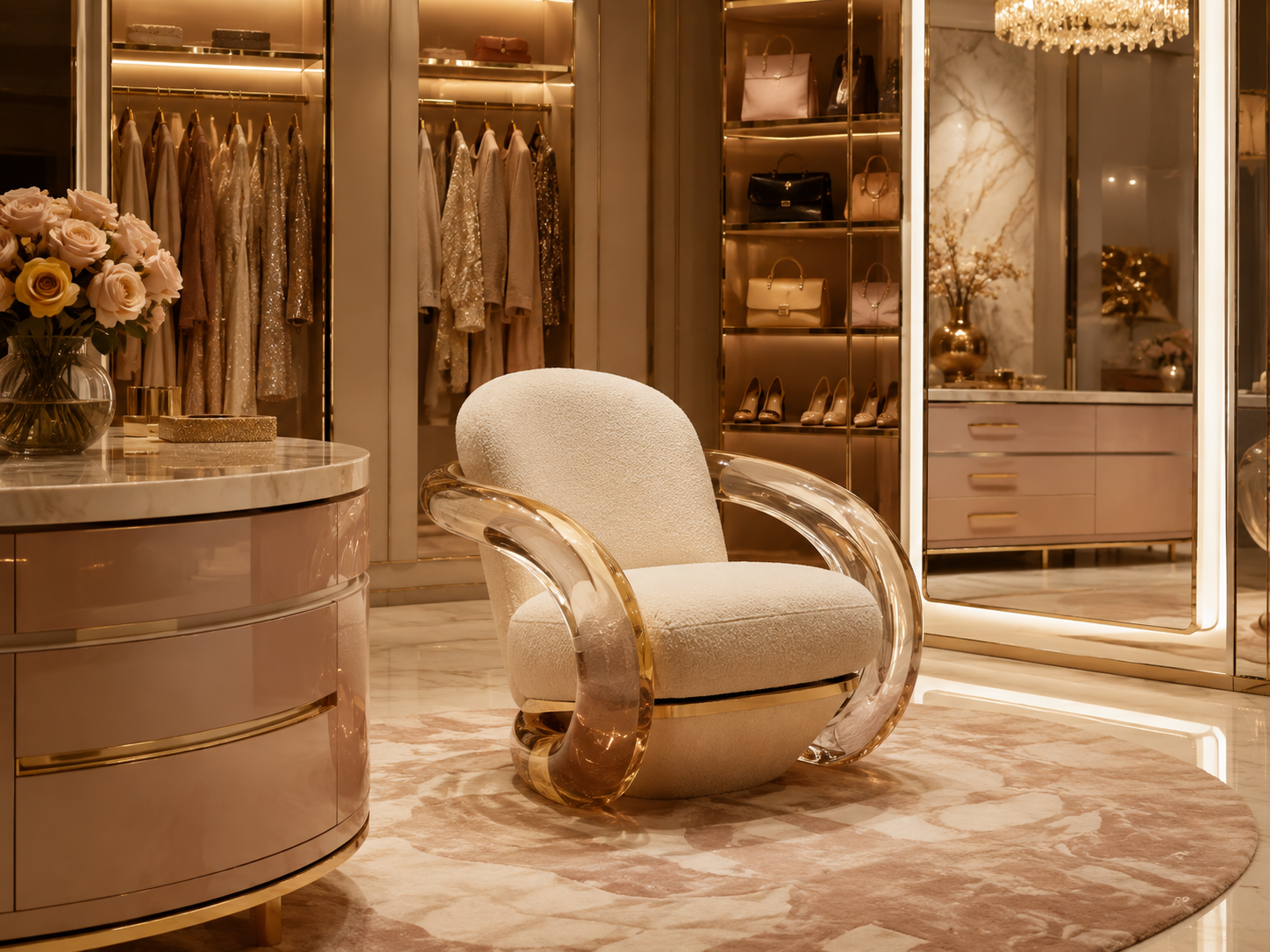
Maintenance: Protecting the Long-Term Beauty of Premium Furniture
Maintenance is one of the most overlooked aspects of luxury furniture investment.
Many buyers focus on the initial appearance of a product but underestimate the importance of long-term care. However, premium furniture should not become a burden after purchase.
For luxury residences and commercial spaces, easy maintenance provides significant advantages.
Furniture that is easier to clean and maintain allows owners to preserve the original design intention. It also reduces operational challenges in hospitality and commercial environments.
Synthetic crystal furniture offers benefits in this area because its smooth surfaces are designed for practical maintenance. Regular cleaning routines can help preserve its clarity and visual appeal without requiring complex restoration processes.
This makes synthetic crystal particularly valuable for spaces that require both elegance and efficiency.
The Importance of Consistency in Luxury Interior Projects
Premium interior projects often involve detailed planning. Every material, color, texture, and furniture piece is selected to create a unified design concept.
Over time, materials that age differently can affect the overall appearance of a space.
For example, one furniture material may fade, another may develop visible wear, and another may require frequent refinishing. These changes can gradually reduce the harmony of an interior.
Durable materials help maintain design consistency.
Synthetic crystal furniture provides designers with predictable performance, allowing them to create interiors where the original vision remains strong for years.
This reliability is particularly important for luxury hotels, restaurants, and commercial spaces where maintaining a premium image is essential.
Sustainability Through Longer Product Lifecycles
Sustainability is becoming an increasingly important consideration in luxury purchasing decisions.
One aspect of responsible design is creating products that last longer. Furniture with extended lifecycles reduces the need for frequent replacement and supports more thoughtful consumption.
Durable premium furniture represents a different approach to sustainability. Instead of focusing only on short-term trends, designers and buyers are considering long-term value.
Synthetic crystal furniture aligns with this perspective by offering a material solution designed for lasting performance and creative flexibility.
Luxury and sustainability are no longer opposing concepts. Modern luxury increasingly means choosing products that combine beauty, responsibility, and longevity.
Why Designers Prefer Materials That Support Creative Freedom
Durability and maintenance are not only practical concerns. They also influence design possibilities.
Interior designers need materials that allow them to create unique concepts without worrying about performance limitations.
Synthetic crystal provides creative freedom because it can be customized in various ways. Designers can explore different shapes, sizes, finishes, and visual effects while maintaining a high level of quality.
This flexibility is especially valuable for custom luxury projects.
A designer creating a private residence may need a unique statement table that matches a specific architectural feature. A luxury hotel may require a signature furniture piece that becomes part of the guest experience. A premium brand showroom may need custom furniture that reflects its identity.
In each situation, the material must support both creativity and long-term performance.
The Financial Perspective of Premium Furniture Investment
Luxury furniture should be viewed as a long-term investment rather than a simple purchase.
The initial cost of a premium piece represents only one part of its overall value. Buyers must also consider maintenance expenses, replacement costs, and the ability of the furniture to maintain its appeal.
A durable piece with low maintenance requirements can provide greater value over time.
For luxury property owners and businesses, this perspective is especially important. Furniture influences not only the appearance of a space but also operational efficiency and brand perception.
Choosing the right material at the beginning can prevent future challenges and protect the overall investment.
The Future of Premium Furniture: Designed for Beauty and Longevity
The luxury furniture industry is entering a new era where aesthetics, performance, and practicality must work together.
Modern buyers no longer define luxury only by expensive materials or complex decoration. They value intelligent design, reliable performance, and lasting beauty.
Synthetic crystal furniture represents this evolution by offering a modern solution that combines artistic expression with durability and easy maintenance.
As premium interior projects become more sophisticated, material selection will continue to play a critical role. The most successful furniture designs will be those that create immediate visual impact while maintaining their value through years of use.
For designers, architects, and luxury buyers, the question is no longer simply whether a furniture piece looks extraordinary today, but whether it will continue to inspire tomorrow. The next icon of luxury furniture may not be the most expensive piece in the room, but the one that remains flawless long after everything else has changed.
READ MORE:
- Trasparenza di lusso: perché i mobili ispirati al cristallo stanno diventando una nuova scelta per gli interni premium
- Transparency, Artistry, and Durability: Can One Material Deliver All Three? The Design Advantages of Synthetic Crystal Furniture
- From Maintenance Costs to Visual Impact: How One Material Can Shape the Entire Spatial Experience
- Clients Want a Unique Design but Have a Limited Budget? Synthetic Crystal Furniture Offers a Balanced Solution
- Why Are More Designers Moving Away from Traditional Materials? How Synthetic Crystal Furniture Is Changing Interior Space
- How to Choose the Right Furniture Materials for High-End Spaces: Why Synthetic Crystal Furniture Is Becoming a New Design Solution
- How Modern Commercial Spaces Use Artistic Furniture to Influence Customer Perception
- How Luxury Furniture Trends Are Shifting from Decoration to Experience
- The Hidden Value of Custom-Made Acrylic Furniture for Premium Interior Projects


