In today’s competitive business environment, commercial spaces are no longer designed only for functionality. Retail stores, luxury hotels, premium restaurants, corporate headquarters, and exclusive showrooms have become carefully crafted experiences where every design element communicates a message.
Customers form impressions within seconds after entering a space. Before they interact with products, services, or employees, they are already influenced by the environment around them. The architecture, lighting, materials, colors, and furniture all contribute to how they perceive a brand.
This is why modern commercial spaces are increasingly using artistic furniture as a strategic design element. Furniture is no longer viewed as simple equipment placed inside a room. Instead, it has become a powerful visual tool that shapes emotions, creates memorable experiences, and strengthens brand identity.
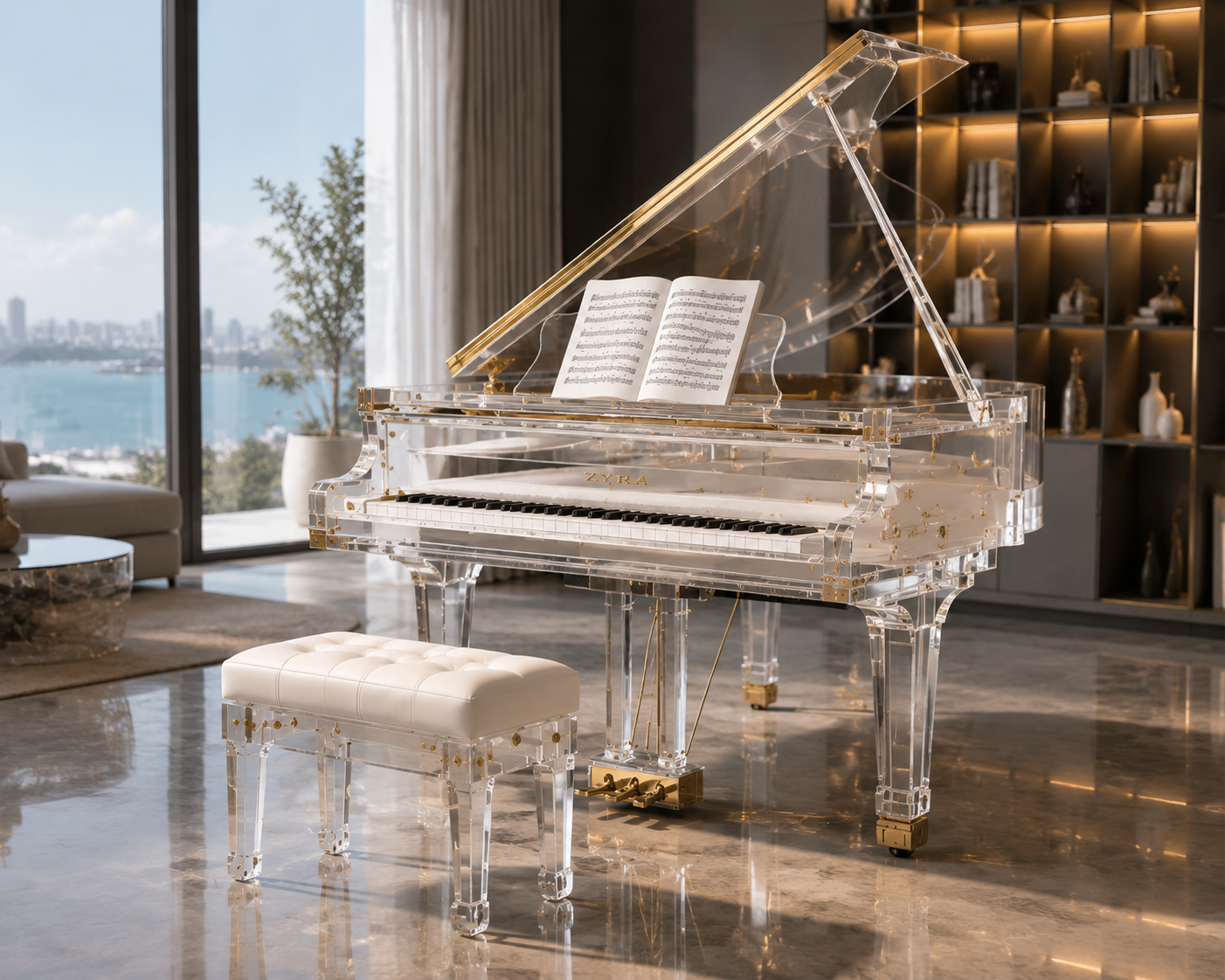
Among the innovative materials transforming commercial interiors, synthetic crystal furniture is gaining attention from designers and luxury brands. With its exceptional transparency, refined appearance, and ability to create unique visual effects, synthetic crystal allows businesses to develop spaces that feel exclusive, modern, and unforgettable.
The role of furniture in commercial design has evolved from supporting activities to influencing perception. Today, the right furniture does not simply fill a space; it defines the experience customers remember.
The Growing Importance of First Impressions in Commercial Design
First impressions have always been important in business, but modern consumers are more visually aware than ever before. With the growth of digital media and social platforms, people constantly interact with highly designed environments online. As a result, their expectations for physical spaces have increased.
A commercial environment must now do more than provide products or services. It must create an emotional connection.
When customers enter a luxury boutique, they expect an atmosphere that reflects exclusivity. When guests arrive at a premium hotel, they want to feel sophistication and comfort immediately. When clients visit a corporate office, the environment should communicate professionalism and innovation.
Furniture plays a significant role in achieving these goals.
A carefully designed furniture piece can become the visual anchor of a space. It can attract attention, guide movement, encourage interaction, and influence how customers interpret the brand.
This is the hidden power of artistic furniture in modern commercial environments.
From Functional Objects to Brand Storytelling Elements
Traditional commercial furniture was mainly designed around practical requirements. Chairs needed to provide seating, tables needed to support activities, and counters needed to serve operational purposes.
While functionality remains essential, modern commercial design has expanded its focus.
Today, furniture is also expected to tell a story.
A luxury brand may use artistic furniture to communicate innovation and exclusivity. A hotel may use unique furniture pieces to create a sense of hospitality and elegance. A restaurant may use carefully selected materials to enhance the emotional experience of dining.
Every design choice becomes part of the brand language.
This is why ordinary furniture often cannot meet the needs of premium commercial spaces. Businesses want environments that differentiate them from competitors and create stronger customer connections.
Custom synthetic crystal furniture provides designers with the ability to create signature pieces that reflect a brand’s unique identity.
Why Artistic Furniture Has Strong Psychological Impact
The relationship between physical environments and human psychology has become an important area of interior design research. People naturally respond to visual elements such as shapes, materials, colors, and lighting.
Furniture can influence these responses.
A sculptural table can create curiosity. A transparent crystal-like structure can create a feeling of openness and modernity. A carefully designed reception desk can communicate trust and professionalism.
Artistic furniture works because it creates emotional reactions before customers consciously analyze the space.
In commercial environments, these emotional responses can influence important decisions:
How long customers stay in the space
How they perceive product quality
How they remember the brand
Whether they want to return
For premium businesses, these emotional factors have significant value.
Synthetic Crystal Furniture: Creating Visual Experiences Through Light and Space
One of the reasons synthetic crystal furniture is becoming increasingly popular in luxury commercial design is its unique relationship with light.
Unlike traditional solid materials, synthetic crystal has a distinctive visual quality that allows light to pass through, reflect, and interact with the surface.
This creates a sense of movement and depth within an interior space.
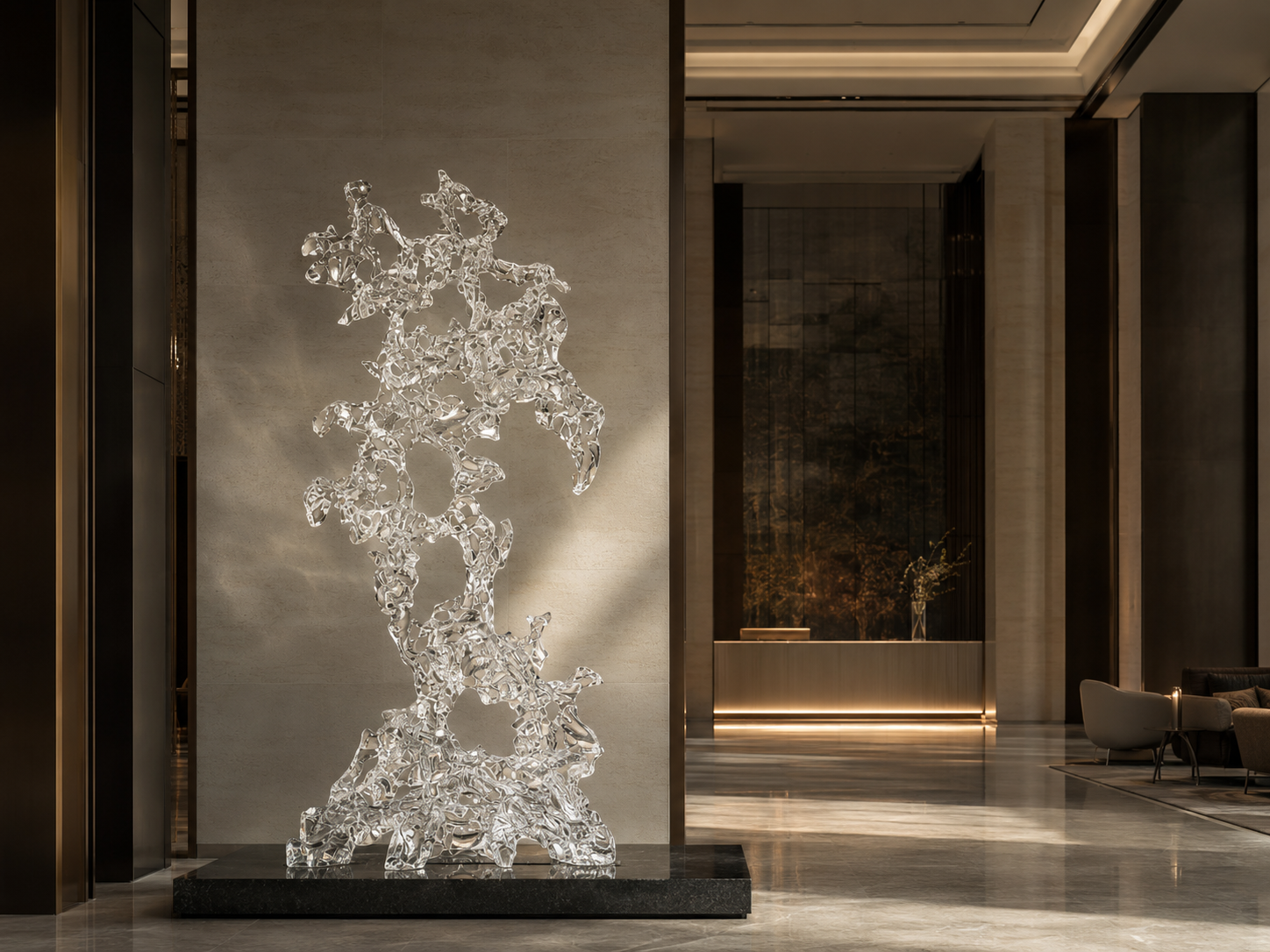
In a luxury hotel lobby, a synthetic crystal reception table can become a dramatic centerpiece that immediately captures attention. In a high-end retail store, crystal-inspired display furniture can enhance product presentation by creating a sophisticated background. In a corporate environment, custom synthetic crystal furniture can communicate creativity and technological advancement.
The material does not simply occupy space. It transforms how people experience space.
This ability makes synthetic crystal especially valuable for businesses that want their interiors to feel memorable and premium.
The Role of Customization in Commercial Interior Projects
Every successful commercial space has its own identity. A luxury fashion brand, a five-star hotel, and a technology company all require different design languages.
Mass-produced furniture often limits creative possibilities because dimensions, shapes, and finishes are predetermined.
Custom artistic furniture provides a different approach.
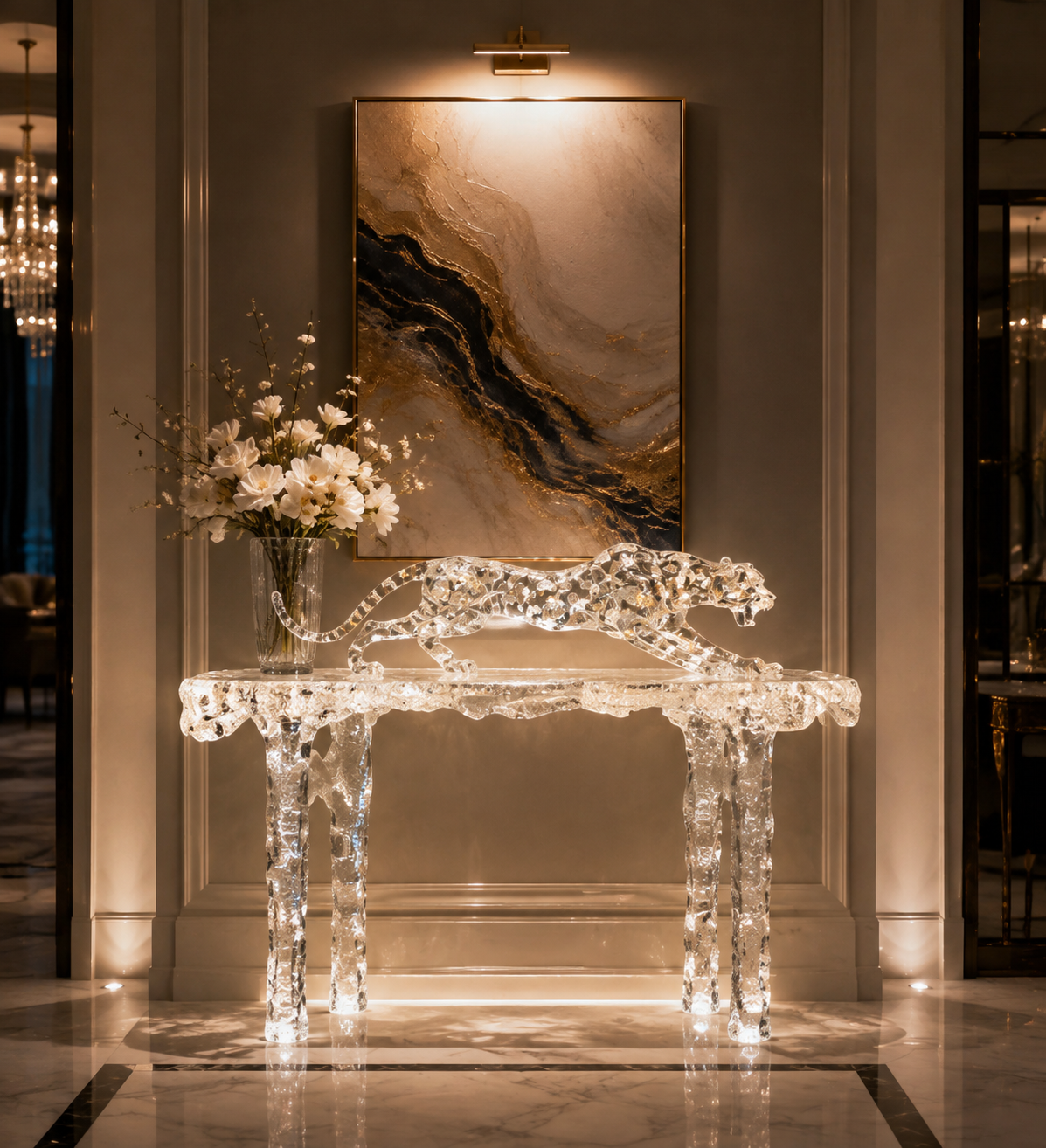
With synthetic crystal furniture, designers can create pieces based on specific project requirements. Customization may include:
Unique dimensions to fit architectural layouts
Special shapes that reflect brand concepts
Specific transparency or color effects
Integrated lighting solutions
Distinctive surface finishes
This level of customization allows furniture to become part of the overall design strategy rather than an afterthought.
For businesses, this means creating spaces that customers cannot easily compare with competitors.
How Luxury Retail Spaces Use Furniture to Influence Buying Behavior
Retail environments are one of the clearest examples of how furniture influences customer perception.
In luxury retail, customers are not only purchasing products. They are purchasing a complete brand experience.
The environment must communicate quality, exclusivity, and confidence.
Artistic furniture helps create this atmosphere by adding visual sophistication. A custom synthetic crystal display counter, for example, can make products appear more valuable by placing them within an elegant and contemporary setting.
Furniture can also influence customer movement. Unique pieces can naturally guide attention toward important areas, create comfortable interaction zones, and encourage customers to spend more time exploring the space.
In luxury retail, time and emotion are closely connected to purchasing decisions.
A well-designed environment creates the feeling that customers are entering a special world rather than simply visiting a store.
The Impact of Artistic Furniture in Hospitality Design
Hotels and restaurants have always understood the importance of atmosphere. Guests remember not only the service they receive but also how the environment makes them feel.
Furniture is central to this experience.
A luxury hotel lobby often functions as the first emotional touchpoint between guests and the brand. A carefully designed furniture piece can immediately communicate elegance and attention to detail.
Synthetic crystal furniture is particularly effective in hospitality environments because it creates a sense of luxury without appearing outdated. Its modern appearance fits contemporary design concepts while still offering a feeling of exclusivity.
Restaurants can also use artistic furniture to enhance dining experiences. Unique tables, counters, and decorative furniture pieces can contribute to the overall atmosphere and create stronger visual memories.
In an industry where customer experience determines loyalty, design details matter.
Corporate Spaces and the New Meaning of Professional Image
Corporate environments are also experiencing a transformation. Offices are no longer designed only for employees; they are also spaces where companies meet clients, investors, and partners.
The interior design of a corporate space communicates company values.
A traditional office may communicate stability, while a modern space with artistic furniture may communicate creativity and innovation.
Synthetic crystal furniture can support companies that want to present a forward-thinking image. Its combination of technology and craftsmanship reflects a balance between modern innovation and refined design.
A custom crystal conference table, executive desk, or reception feature can become a symbol of corporate identity.
Durability and Long-Term Value in Commercial Furniture Selection
Although artistic impact is important, commercial furniture must also meet practical requirements.
Commercial spaces experience higher levels of use compared with private residences. Furniture must maintain its appearance while supporting daily operations.
This is another reason why advanced materials such as synthetic crystal are attracting attention.
High-quality synthetic crystal furniture offers a combination of aesthetic value and practical performance. Its smooth surfaces, consistent quality, and flexible design possibilities make it suitable for demanding environments.
For businesses, investing in durable artistic furniture means protecting the long-term appearance and reputation of their space.
A visually impressive environment loses value if furniture quickly shows signs of aging or damage.
The Future of Commercial Spaces: Designing Experiences Through Furniture
The future of commercial interior design will continue moving toward experience-driven environments. Customers increasingly expect spaces that are meaningful, interactive, and memorable.
Furniture will play an even greater role in this transformation.
The most successful commercial spaces will not simply contain attractive furniture. They will use furniture strategically to communicate identity, influence emotions, and create deeper connections with visitors.
Synthetic crystal furniture represents this new direction by combining artistic expression, advanced material technology, and customization possibilities.
For businesses, architects, and designers, choosing artistic furniture is no longer only about decoration. It is about creating an environment that speaks before words are exchanged and leaves a lasting impression after customers leave.
As commercial spaces become more competitive and experience-focused, the brands that understand the emotional power of furniture will have the greatest advantage, because the next unforgettable customer experience may begin with a single extraordinary piece placed in the right space.
READ MORE:
- Trasparenza di lusso: perché i mobili ispirati al cristallo stanno diventando una nuova scelta per gli interni premium
- Transparency, Artistry, and Durability: Can One Material Deliver All Three? The Design Advantages of Synthetic Crystal Furniture
- From Maintenance Costs to Visual Impact: How One Material Can Shape the Entire Spatial Experience
- Clients Want a Unique Design but Have a Limited Budget? Synthetic Crystal Furniture Offers a Balanced Solution
- Why Are More Designers Moving Away from Traditional Materials? How Synthetic Crystal Furniture Is Changing Interior Space
- How to Choose the Right Furniture Materials for High-End Spaces: Why Synthetic Crystal Furniture Is Becoming a New Design Solution
- Why Durability and Maintenance Matter More in Premium Furniture Investments
- How Luxury Furniture Trends Are Shifting from Decoration to Experience
- The Hidden Value of Custom-Made Acrylic Furniture for Premium Interior Projects


