Luxury furniture has never been just about function. A chair provides a seat, a table offers a surface, and a cabinet creates storage—but iconic furniture does something far more valuable. It shapes emotions, influences perception, and transforms ordinary interiors into unforgettable experiences.
Across luxury hotels, fine dining restaurants, exclusive lounges, flagship retail stores, and high-end residences, furniture is increasingly viewed as a strategic design element rather than a finishing touch. Designers are no longer asking, "Does this piece fit the space?" Instead, they ask, "What feeling does this piece create?"
As guest expectations continue to rise, memorable experiences have become one of the strongest competitive advantages. The furniture within a space plays a surprisingly important role in delivering those experiences, particularly when innovative materials such as synthetic crystal make bold artistic expressions possible.
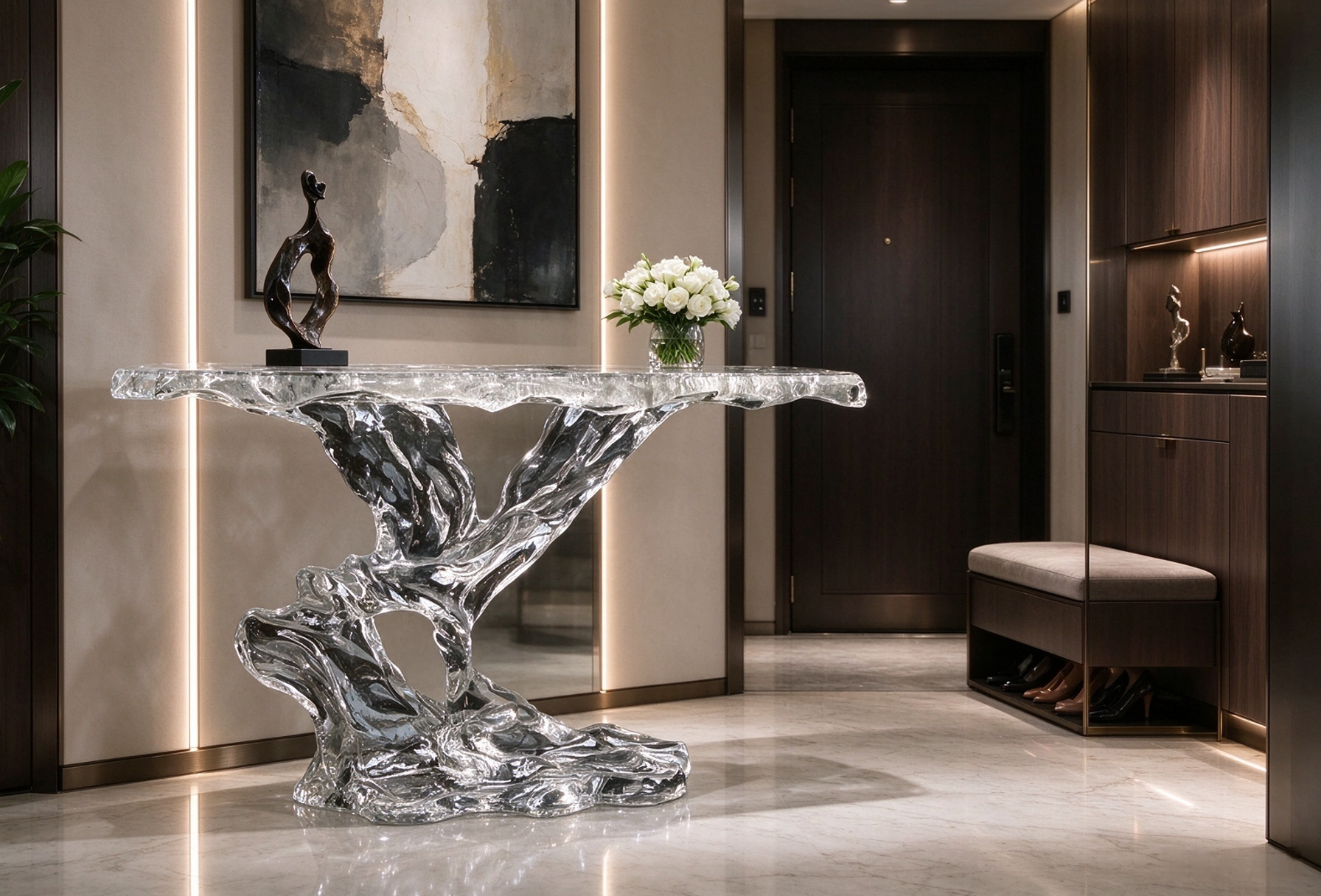
Luxury Spaces Are Designed Around Feelings
People rarely remember every detail of a luxury space. They remember how it made them feel.
A hotel lobby that inspires curiosity, a restaurant that feels elegant without being intimidating, or a private residence that immediately communicates sophistication—all of these emotional responses are carefully designed.
Interior designers understand that emotion is created through multiple elements working together: architecture, lighting, materials, artwork, acoustics, and furniture. Among them, furniture occupies a unique position because it is both visual and interactive. Guests see it, touch it, photograph it, and experience it throughout their visit.
When furniture successfully creates emotion, it becomes part of the story people tell after leaving.
Furniture Has Become Part of Brand Identity
Luxury brands compete not only through products and services but also through experience.
A five-star hotel is expected to offer exceptional hospitality, but today's guests also expect an environment worth remembering. Boutique restaurants seek interiors that become social media destinations. Premium retail stores want customers to associate their physical spaces with craftsmanship, exclusivity, and innovation.
Statement furniture helps communicate these values instantly.
Rather than relying solely on logos or decorative accessories, brands increasingly use signature furniture pieces to establish a recognizable visual language. A distinctive reception desk, an artistic dining table, or a sculptural lounge installation often becomes the image guests remember first.
When carefully designed, furniture strengthens brand identity without saying a single word.
Emotional Design Creates Lasting Memories
The hospitality industry has shifted from providing services to creating experiences.
Travelers no longer choose hotels simply because of location. Diners don't visit restaurants only for food. Clients selecting luxury residences are searching for environments that reflect personality and lifestyle.
Memorable interiors encourage guests to spend more time, share photographs online, recommend destinations to friends, and return in the future.
Furniture contributes directly to these behaviors because it shapes visual rhythm and emotional atmosphere.
Curved silhouettes can feel welcoming. Transparent materials create openness. Sculptural forms inspire curiosity. Dramatic lighting reflections introduce movement throughout the day.
These subtle design decisions influence human psychology more than many people realize.
Why Material Selection Matters More Than Ever
Design ideas can only become reality through the right material.
Luxury projects often demand complex geometries, exceptional optical effects, long-term durability, and consistent manufacturing quality. Traditional materials sometimes struggle to balance all of these requirements simultaneously.
This is where synthetic crystal offers designers greater creative freedom.
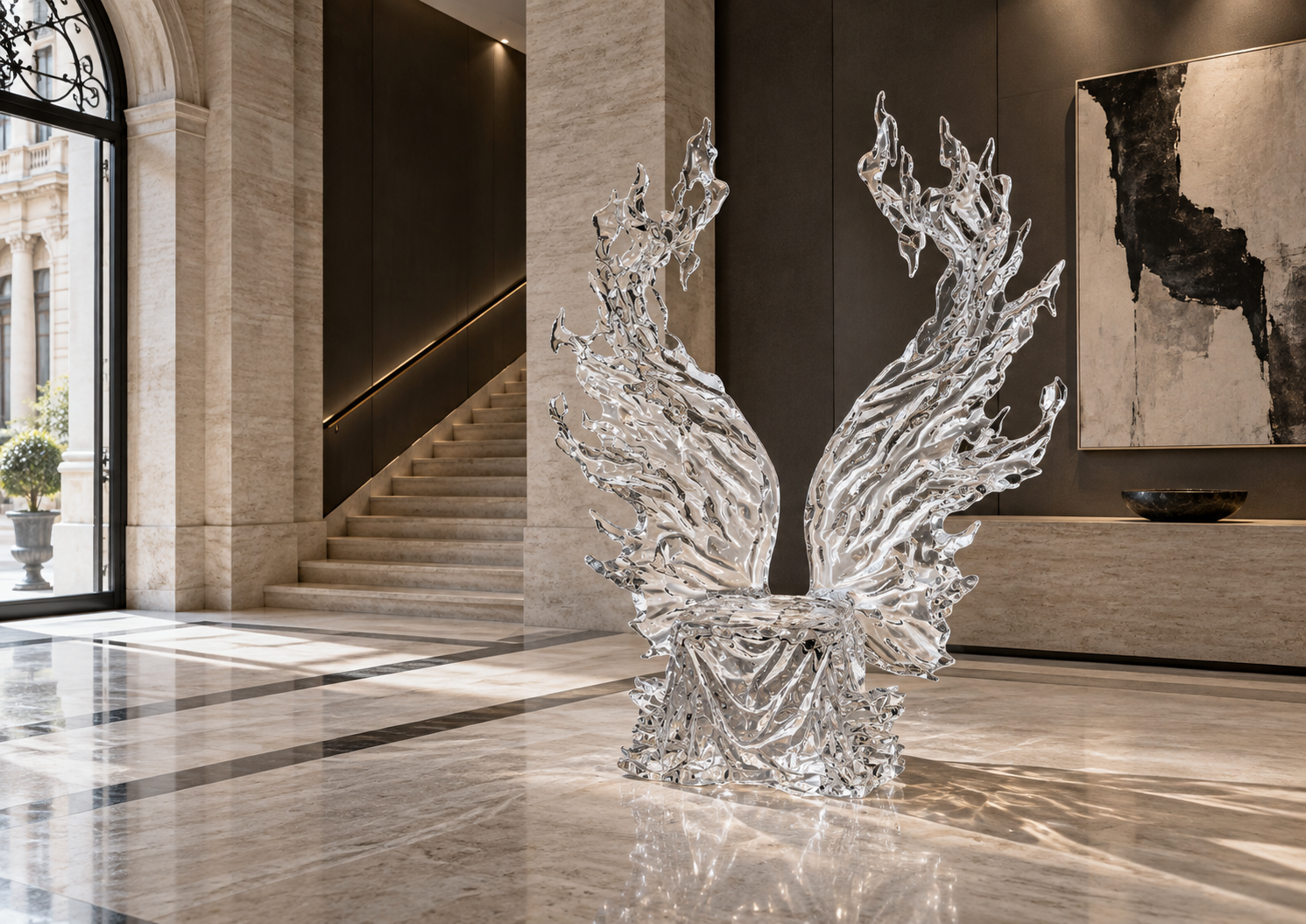
Its exceptional transparency, refined appearance, and ability to be customized into sophisticated forms allow designers to create furniture that appears almost sculptural. Rather than simply occupying space, these pieces interact with surrounding light, architecture, and human movement, continuously changing the visual experience.
Material is no longer hidden beneath the design—it has become part of the design itself.
Statement Furniture Elevates Commercial Spaces
Commercial environments face a unique challenge.
Every square meter must support both aesthetics and business performance.
An impressive hotel entrance can influence first impressions within seconds. A beautifully designed restaurant encourages guests to stay longer. A luxury showroom increases perceived product value through its environment before customers even examine individual products.
Statement furniture helps achieve these goals because it naturally attracts attention while reinforcing the atmosphere the brand wants to create.
Pieces made with synthetic crystal often become conversation starters. Their clarity, depth, and visual lightness create a sense of exclusivity without overwhelming surrounding architecture.
Instead of competing with the interior, they enhance it.
Customization Is Becoming the New Standard
Luxury projects rarely follow standard templates.
Every hotel has its own brand story. Every restaurant pursues a distinct atmosphere. Every private residence reflects the owner's personality.
As a result, customization has become an expectation rather than an upgrade.
Designers increasingly seek manufacturing partners capable of translating complex concepts into reliable production. This includes adapting dimensions, finishes, colors, structural engineering, lighting integration, and installation requirements without compromising design intent.
The ability to manufacture highly customized synthetic crystal furniture allows creative concepts to move from sketches to reality while maintaining consistency across large-scale projects.
Successful luxury interiors depend on this collaboration between creativity and engineering.
The Most Valuable Furniture Is Remembered
Beautiful furniture attracts attention.
Meaningful furniture creates memories.
The difference lies in emotional impact.
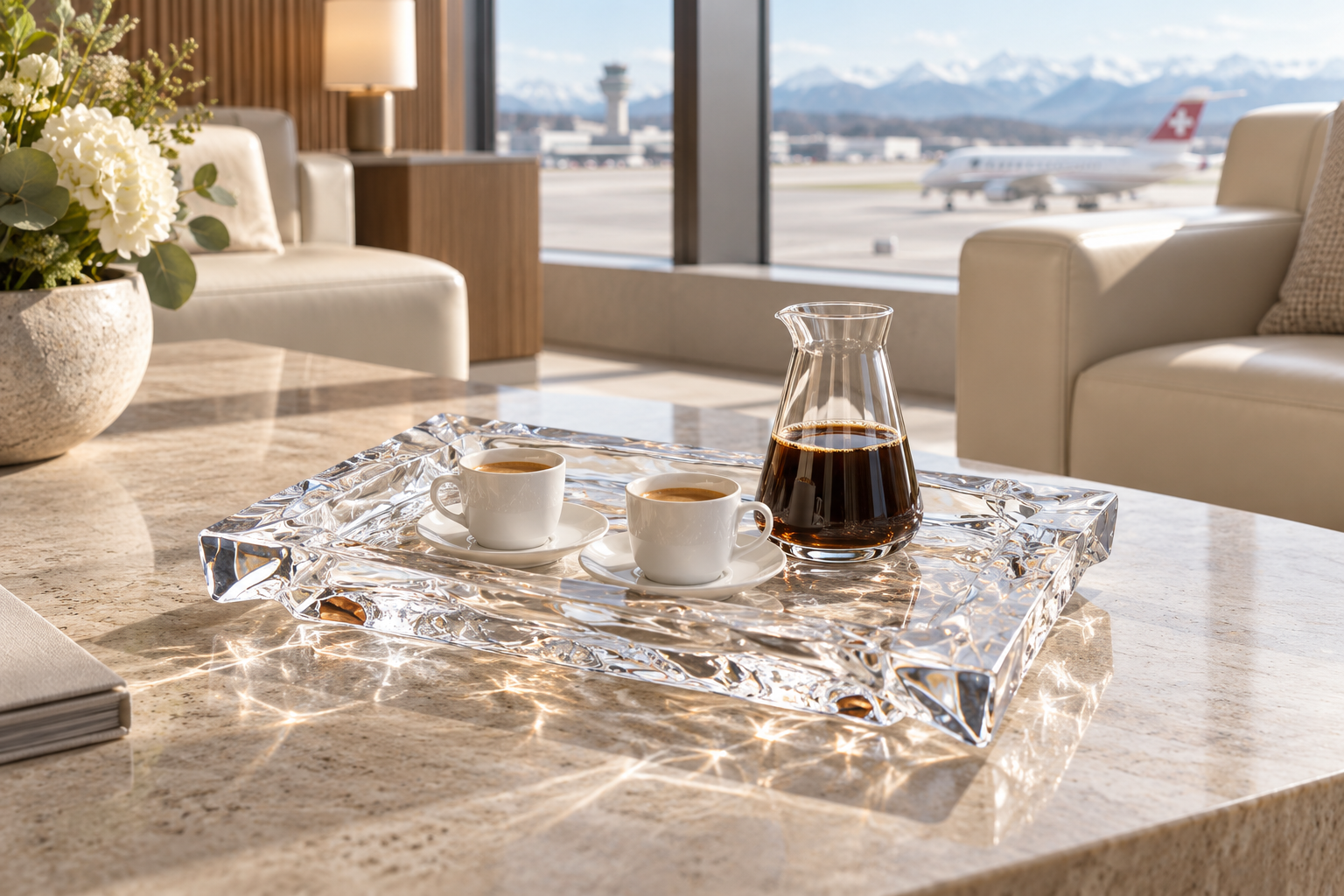
When guests photograph a hotel lobby because of its extraordinary centerpiece, when restaurant visitors recommend a venue because of its unforgettable atmosphere, or when homeowners proudly introduce a custom-designed furniture collection to visitors, the furniture has achieved something beyond decoration.
It has become part of the experience.
That emotional value often delivers greater long-term returns than short-term design trends because memorable spaces naturally encourage stronger customer engagement, repeat visits, and organic brand exposure.
Looking Ahead: Emotion Will Define the Future of Luxury Design
Luxury design is moving beyond appearance alone.
The next generation of commercial and residential interiors will be judged by how effectively they create emotional connections, strengthen brand identity, and deliver memorable experiences.
Furniture will continue evolving from functional objects into artistic expressions that communicate values, inspire conversations, and shape how people remember a place.
With advanced materials like synthetic crystal, designers have more opportunities than ever to create spaces that feel distinctive, timeless, and emotionally engaging.
Because in the world of luxury, people rarely remember every piece of furniture—they remember the one that made them feel something... so what will your signature piece say about your space?


