In today's hospitality market, guests have more choices than ever before. Luxury hotels compete not only with established international brands but also with boutique properties, lifestyle hotels, and design-focused accommodations that promise unique experiences. While many hotels invest millions in architecture, lighting, artwork, and interior decoration, an increasing number still face the same challenge: guests struggle to remember what made one property different from another.
Walk through the lobbies of dozens of upscale hotels around the world, and a familiar pattern begins to emerge. Neutral color palettes, elegant marble floors, premium lighting, comfortable seating, and carefully curated decorative objects create beautiful environments, yet many of these spaces leave remarkably similar impressions.
The difference between a memorable hotel and a forgettable one often comes down to a single factor—signature design elements that become inseparable from the brand itself. Among those elements, furniture plays one of the most influential roles.
For designers and hotel developers, furniture should no longer be viewed simply as something guests use. It should become part of the story guests remember, photograph, and share.
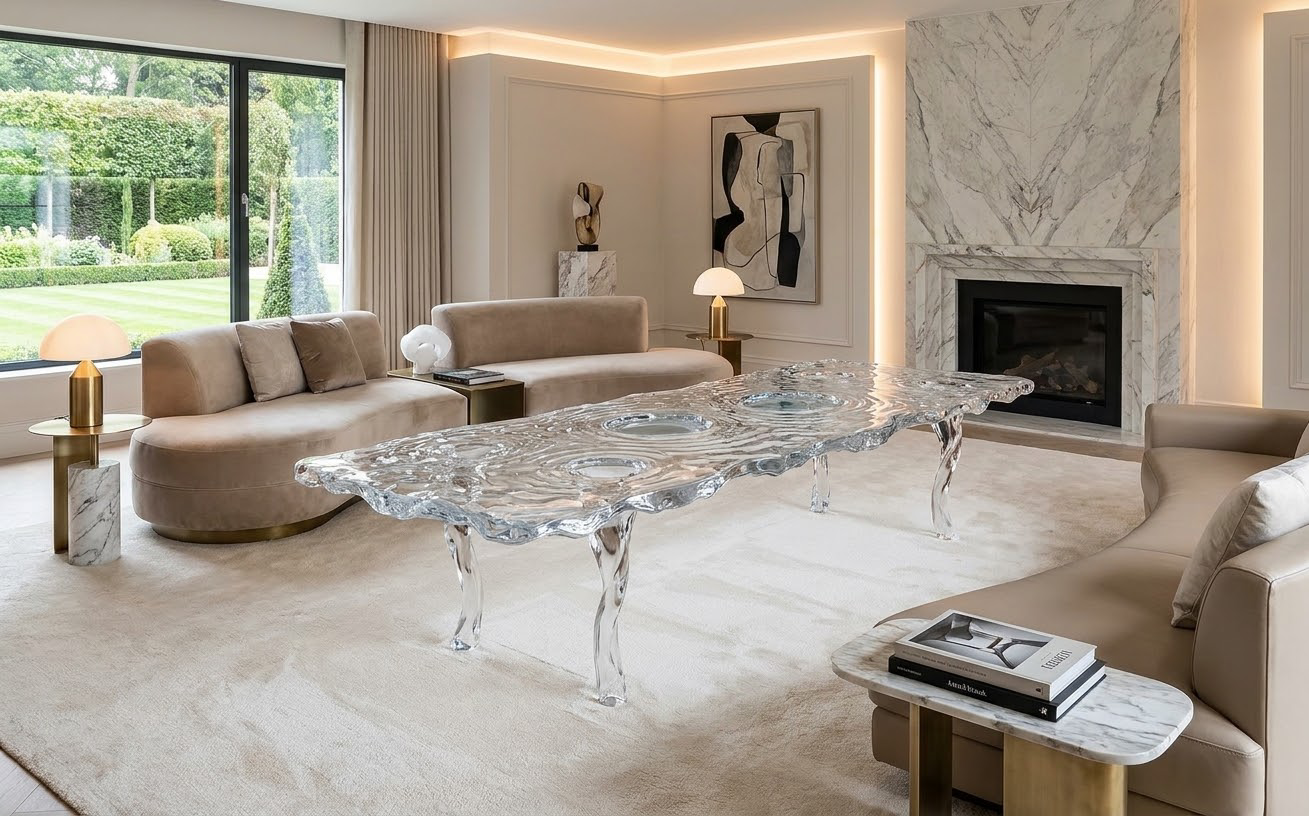
Hotels Are No Longer Competing Only on Comfort
Comfort has become the industry standard rather than a competitive advantage. High-quality mattresses, premium amenities, smart room technology, and attentive service are now expected by guests.
What creates differentiation today is emotional experience.
Guests rarely post photos of comfortable chairs because comfort is difficult to communicate visually. Instead, they photograph spaces that surprise them, inspire them, or create a sense of luxury that feels unique.
This shift has changed the role of furniture dramatically. Instead of quietly blending into the background, carefully designed furniture now helps define the atmosphere of an entire property.
A sculptural reception desk, an illuminated cocktail table, or a statement lounge chair often becomes the visual identity guests associate with the hotel long after checkout.
Signature Furniture Creates Instant Brand Recognition
Strong hospitality brands understand that visual consistency builds recognition.
When guests immediately recognize a hotel from a single photograph, the property has achieved something much more valuable than aesthetic appeal—it has built brand memory.
Furniture contributes to this recognition because it occupies the spaces guests interact with most frequently. Unlike artwork that hangs on a wall or decorative accessories that remain secondary, furniture becomes part of every guest journey.
The lobby where visitors first arrive.
The lounge where business conversations happen.
The restaurant where celebrations take place.
The suite where memorable moments unfold.
Each interaction strengthens the emotional connection between guests and the property.
This is why custom furniture is increasingly viewed as a branding investment rather than simply an interior purchase.
Distinctive Materials Make Spaces More Memorable
Material selection influences perception before guests consciously notice it.
Natural stone communicates permanence.
Wood conveys warmth.
Metal suggests precision and sophistication.
Glass reflects elegance and openness.
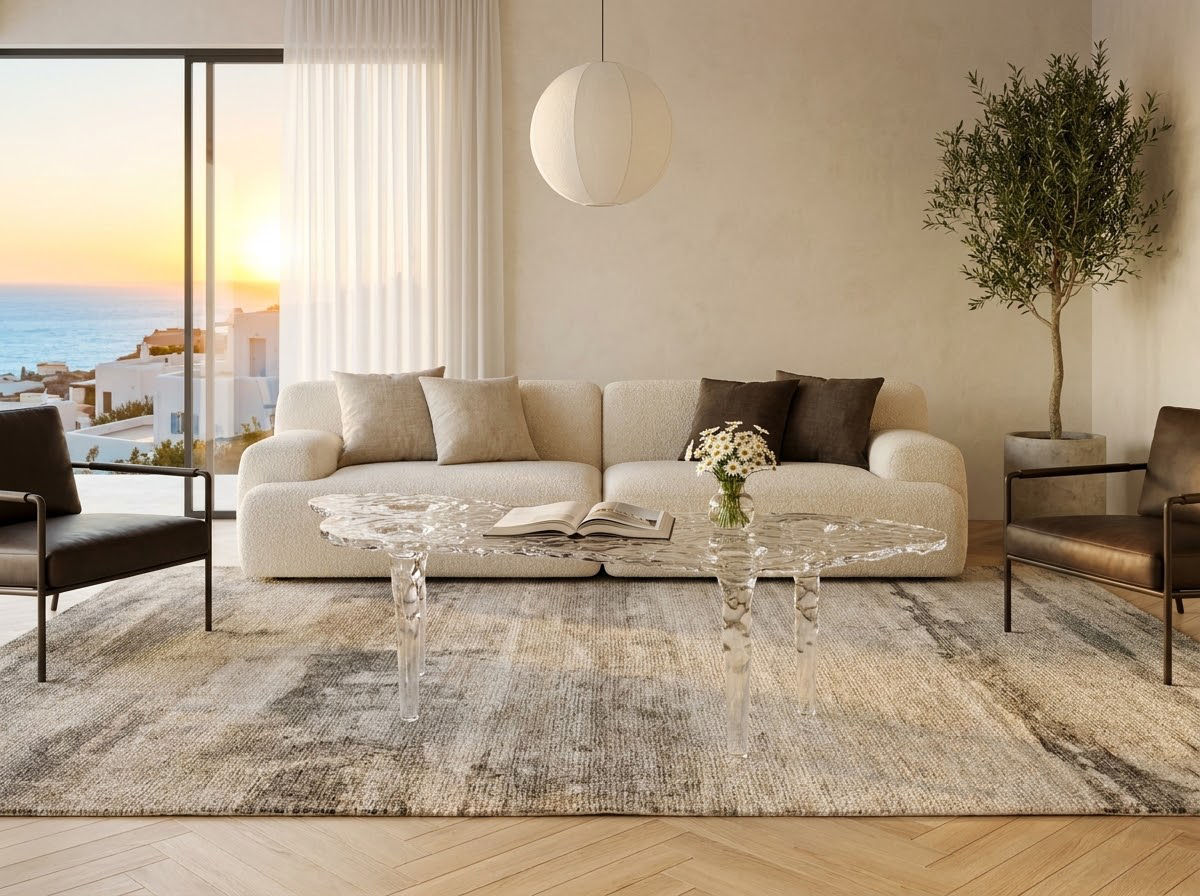
Today, designers are increasingly exploring innovative materials that combine artistic expression with exceptional durability. Among them, synthetic crystal has become an exciting option for projects seeking to create unforgettable visual experiences.
Unlike conventional decorative materials, synthetic crystal offers remarkable clarity, depth, and light transmission. It interacts beautifully with natural daylight as well as carefully designed architectural lighting, creating constantly changing reflections throughout the day.
Rather than serving only as decoration, it becomes part of the spatial experience itself.
For luxury hospitality projects, this visual dynamism helps transform ordinary furniture into conversation pieces.
Furniture Has Become a Marketing Asset
One of the biggest changes in hospitality over the past decade is the rise of social media-driven travel.
Many guests now choose hotels based on images they discover before making reservations. Instagram, Pinterest, Xiaohongshu, TikTok, and travel blogs have shifted marketing power toward highly photogenic environments.
Every share represents free exposure.
Every photograph extends the hotel's brand beyond its physical location.
Signature furniture naturally encourages this behavior because people enjoy photographing objects they cannot easily find elsewhere.
A dramatic dining table, an artistic bar counter, or a sculptural reception feature becomes part of guests' travel stories.
Unlike seasonal decorations, signature furniture continues generating visual content year after year, making it one of the longest-lasting marketing investments a hotel can make.
Custom Design Reflects the Character of Every Property
No two hotels tell exactly the same story.
A beachfront resort celebrates relaxation.
A luxury city hotel emphasizes sophistication.
A mountain retreat highlights tranquility.
A boutique property often focuses on local culture or artistic expression.
Furniture should reinforce these narratives instead of following generic catalog designs.
Custom-designed pieces allow architects and interior designers to translate brand identity into physical form through proportions, textures, lighting, transparency, and sculptural details.
This is where synthetic crystal demonstrates exceptional flexibility.
Its versatility allows designers to create organic curves, geometric forms, illuminated features, and seamless surfaces that would be difficult to achieve using many traditional materials.
Rather than adapting the design to the material, designers gain greater freedom to realize their original creative vision.
Luxury Is Becoming More Experiential Than Decorative
Luxury hospitality has evolved.
Guests increasingly value experiences over visible displays of wealth.
Instead of overwhelming interiors with expensive finishes, many successful hotels create carefully balanced environments where every design element serves a purpose.
Furniture contributes to this philosophy because it combines beauty with functionality.
Guests touch it.
Use it.
Photograph it.
Remember it.
The most successful statement furniture never feels excessive. Instead, it feels intentional—adding emotional value without distracting from the overall spatial experience.
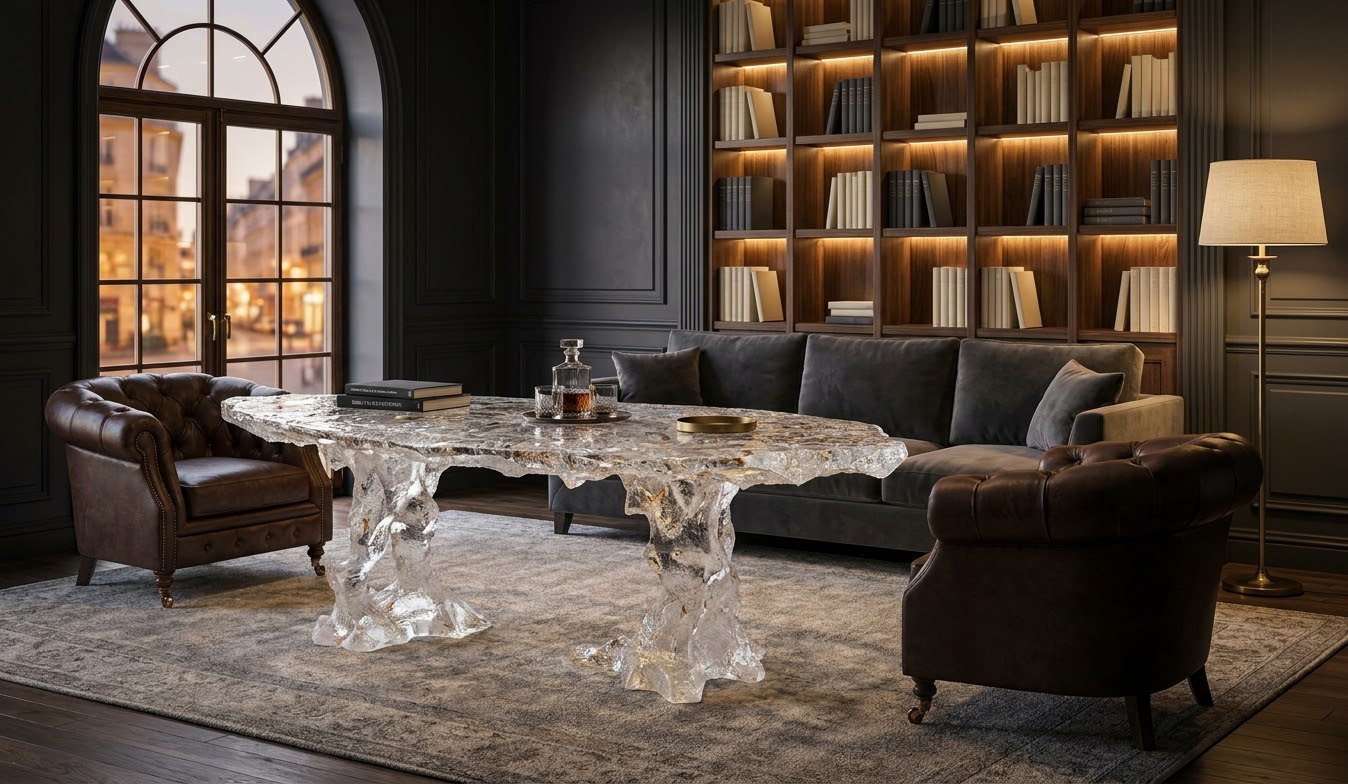
When thoughtfully designed, materials like synthetic crystal enhance this effect by introducing elegance, light, and artistic depth while maintaining a refined contemporary aesthetic.
Investing in Signature Furniture Creates Long-Term Value
Hospitality projects require significant investment, making long-term performance an essential consideration.
While furniture represents only one part of the overall budget, it delivers value across multiple dimensions.
It strengthens brand identity.
It differentiates the guest experience.
It supports marketing through visual appeal.
It increases the perceived quality of the property.
It encourages repeat visits by creating memorable impressions.
Unlike temporary design trends, signature furniture continues contributing to a hotel's image throughout its operational life.
When carefully engineered and manufactured to commercial standards, materials such as synthetic crystal combine artistic impact with durability, making them suitable for demanding hospitality environments where aesthetics and performance must coexist.
Designing Spaces Guests Never Forget
Beautiful hotels are everywhere.
Memorable hotels are much rarer.
As competition continues to intensify, hospitality brands must think beyond attractive interiors and focus on creating lasting emotional connections.
Signature furniture offers one of the most effective ways to achieve that goal because it transforms functional objects into symbols of identity, storytelling, and guest experience.
The hotels that stand out tomorrow will not necessarily be those with the largest budgets, but those that understand how every design decision contributes to a lasting impression—and sometimes, that unforgettable first impression begins with a single extraordinary piece of furniture.


