Transparent materials have become one of the defining elements of contemporary luxury interiors. From five-star hotels and flagship retail stores to executive lounges and premium residences, designers increasingly use transparent furniture and decorative elements to create spaces that feel brighter, lighter, and more sophisticated.
However, selecting a transparent material is far more complex than choosing something that simply looks beautiful. Every material behaves differently under light, responds differently to long-term use, and presents unique manufacturing challenges. A stunning concept can easily lose its impact if transparency, structural integrity, or surface quality is compromised.
Among today's premium materials, synthetic crystal has gained significant attention because it combines exceptional optical clarity with design flexibility, making it ideal for custom furniture and artistic installations. Yet even with advanced materials, successful projects depend on thoughtful planning from the earliest design stages.
This article explores the most important considerations designers should evaluate before specifying transparent materials for high-end interiors.
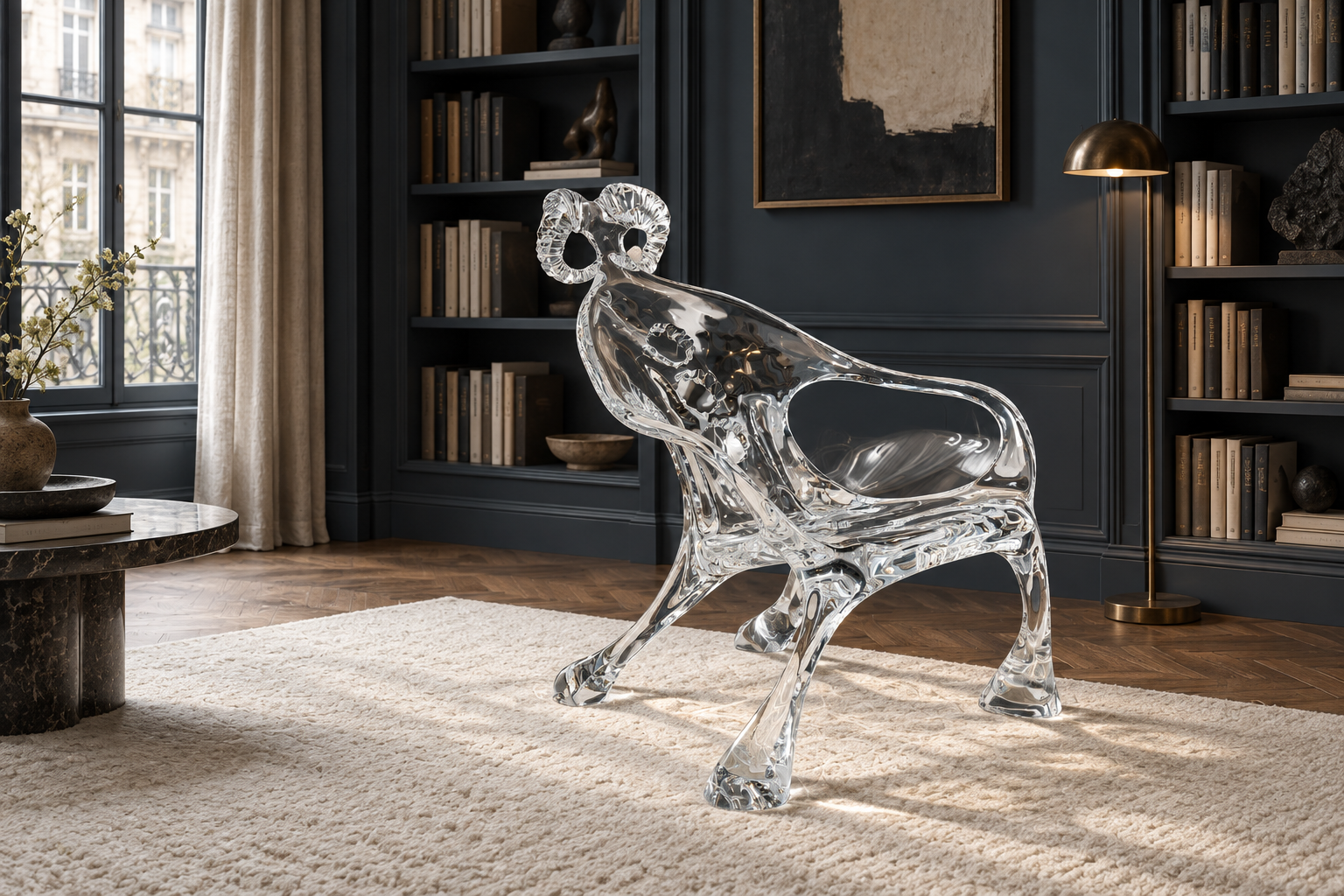
Understand the Role of Transparency in Spatial Design
Transparency is not simply a visual effect—it is a design strategy.
Unlike opaque furniture, transparent pieces interact continuously with their surroundings. They capture daylight, reflect artificial lighting, reveal textures behind them, and visually reduce the weight of large objects. This allows designers to introduce statement furniture without making a room appear crowded.
In luxury hospitality projects, transparent furniture often creates a sense of openness while maintaining an atmosphere of exclusivity. In retail environments, it helps direct attention toward products rather than competing with them. In residential spaces, it introduces elegance without overwhelming carefully curated interiors.
The first question should therefore never be, "Which transparent material should I use?" Instead, ask, "What visual experience should this material create?"
When the design objective is clear, material selection becomes much more intentional.
Evaluate Optical Quality Beyond Simple Transparency
Many transparent materials appear similar at first glance, but their optical performance can differ dramatically.
Premium interiors demand more than high light transmission. Designers should also consider clarity, color neutrality, internal purity, and distortion. Poor-quality materials may contain microscopic bubbles, visible flow marks, or uneven color that only become noticeable after installation.
These imperfections become even more apparent under hotel chandeliers, architectural lighting, or direct sunlight.
High-quality synthetic crystal is manufactured to achieve exceptional optical consistency, producing clean edges, excellent light transmission, and impressive depth. Rather than merely allowing light to pass through, it enhances how light interacts with the surrounding environment.
For luxury commercial projects where every visual detail contributes to the overall experience, this level of refinement makes a meaningful difference.
Consider How Lighting Changes Material Performance
Lighting and transparent materials should always be designed together.
The same furniture can appear dramatically different under warm hospitality lighting, cool retail illumination, or natural daylight. Directional lighting may create dramatic highlights, while diffuse lighting produces a softer and more elegant appearance.
Designers should evaluate several lighting conditions during the specification process:
Natural daylight throughout different times of the day.
Artificial lighting with varying color temperatures.
Accent lighting for focal displays.
Backlighting or integrated LED systems.
Reflection from nearby architectural surfaces.
Because transparent materials amplify surrounding light, even minor lighting adjustments can significantly influence the final visual effect.
Rather than treating lighting as a finishing detail, it should be considered an essential part of material selection.
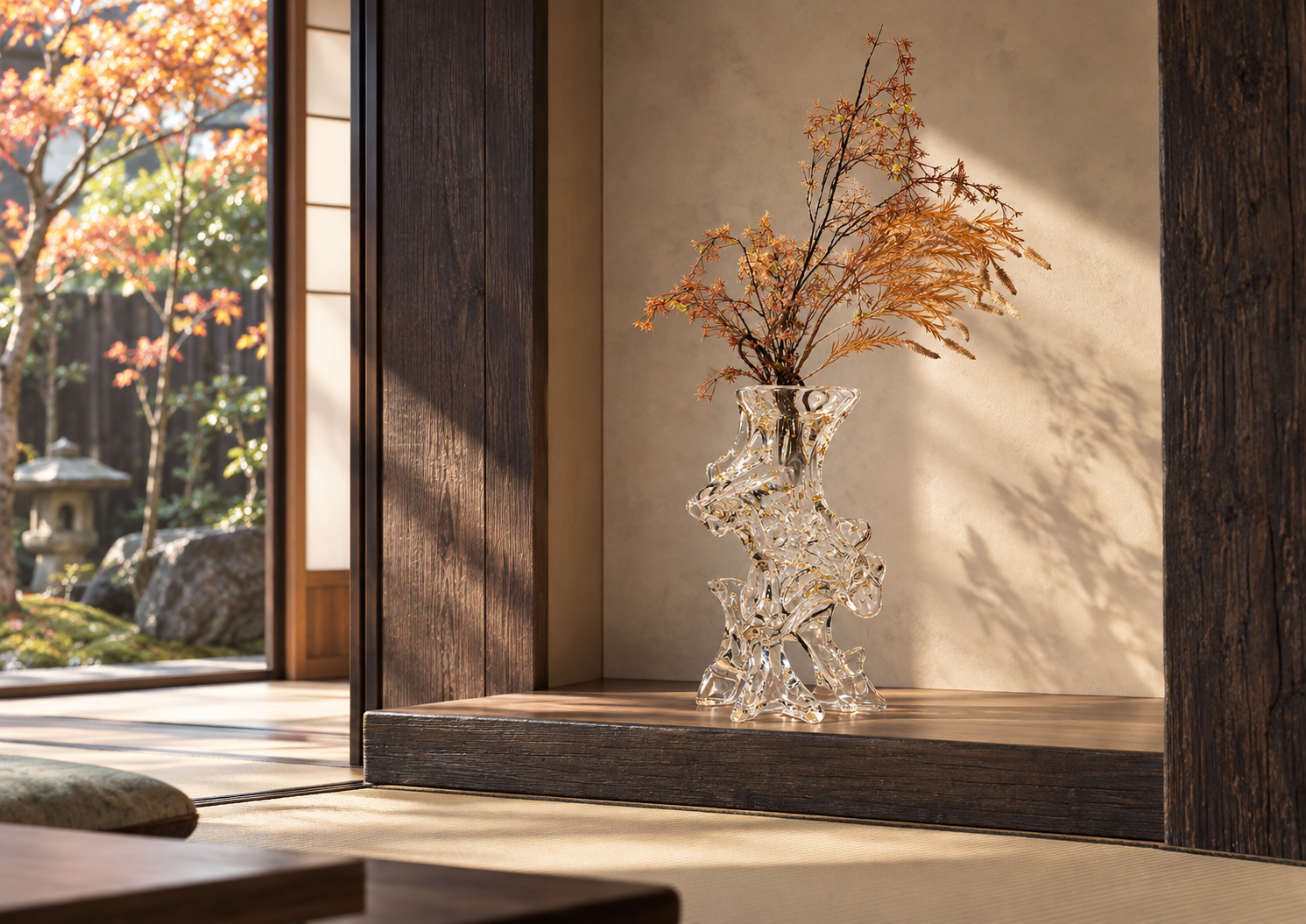
Prioritize Color Consistency Across Custom Projects
Color consistency is often underestimated until production begins.
Large commercial projects frequently require dozens—or even hundreds—of matching components manufactured over multiple production batches. Slight differences in transparency, tint, or gloss can become highly visible once furniture is installed side by side.
This challenge becomes even greater for bespoke hospitality projects where reception desks, dining tables, display elements, and decorative pieces are expected to present a unified visual identity.
Reliable manufacturers invest heavily in process control to maintain consistent color and clarity throughout production.
Choosing synthetic crystal from an experienced manufacturer helps reduce visible variation and ensures the finished space maintains a cohesive luxury appearance.
Balance Structural Performance with Visual Elegance
Transparent furniture should never sacrifice strength for aesthetics.
Luxury commercial spaces place demanding requirements on furniture. Hotel lobbies experience continuous foot traffic. Restaurants require durable dining surfaces. Retail environments demand display furniture capable of supporting substantial loads while maintaining flawless appearance.
Designers should evaluate:
Load-bearing capacity.
Impact resistance.
Dimensional stability.
Long-term deformation.
Connection methods between different materials.
The structural engineering behind transparent furniture is often invisible to end users, yet it determines whether a design remains beautiful after years of daily use.
Successful custom furniture integrates engineering into the design process from the beginning rather than treating it as an afterthought.
Think Beyond the Initial Installation
A luxury interior should continue looking exceptional long after opening day.
Maintenance therefore deserves the same attention as aesthetics.
Transparent materials reveal fingerprints, dust, scratches, and cleaning residue more readily than many opaque finishes. Designers should consider how furniture will be cleaned, maintained, and inspected throughout its service life.
Questions worth asking include:
Will cleaning chemicals affect the surface?
Can minor scratches be repaired?
How resistant is the material to yellowing?
Will UV exposure change its appearance?
How often will maintenance be required?
A slightly higher investment in material quality often results in significantly lower maintenance costs over the lifespan of a commercial project.

Design for Manufacturing, Not Only for Visualization
Digital renderings can make almost any concept appear achievable.
Real-world manufacturing is different.
Complex transparent furniture often requires precision machining, advanced molding techniques, polishing expertise, and strict quality inspection. Sharp internal corners, extremely thin sections, or unrealistic tolerances may increase production risks while affecting final quality.
The most successful designers collaborate with manufacturers during the concept phase rather than waiting until drawings are finalized.
Early technical discussions frequently identify opportunities to simplify production, improve durability, and reduce costs without compromising the original design vision.
This collaborative approach leads to smoother project execution and more predictable outcomes.
Consider Material Integration Within the Overall Interior
Transparent furniture rarely exists in isolation.
Its visual success depends on how it interacts with surrounding materials such as stone, wood, metal, leather, textiles, and architectural lighting.
Luxury interiors achieve sophistication through carefully balanced contrasts. Transparent elements soften heavy materials, while natural textures provide warmth and visual grounding.
Designers should think about transparency as one component within a broader material palette rather than as an individual feature.
When integrated thoughtfully, transparent furniture creates rhythm, depth, and visual hierarchy throughout the space.
Choose Manufacturing Expertise, Not Just Materials
Even premium materials cannot compensate for poor craftsmanship.
The quality of edge polishing, seamless bonding, precision machining, surface finishing, and quality inspection all contribute to the final perception of luxury.
Experienced manufacturers understand how to control optical quality while maintaining structural reliability across customized production.
They also recognize that every project has unique requirements regarding dimensions, installation methods, logistics, and project timelines.
Selecting the right manufacturing partner ultimately reduces project risks and increases confidence throughout the design and procurement process.
Conclusion
Choosing transparent materials for high-end interiors involves far more than aesthetics. Designers must consider lighting, optical performance, structural engineering, color consistency, long-term durability, maintenance, manufacturability, and collaboration with experienced production teams.
When these factors are addressed from the beginning, transparent furniture becomes more than a decorative element—it becomes an integral part of the spatial experience. Premium synthetic crystal offers designers the opportunity to combine artistic expression with engineering precision, delivering interiors that remain visually impressive for years to come.
As luxury spaces continue to evolve, the most memorable projects will not simply use transparent materials—they will understand how to unlock their full potential. What possibilities could your next project achieve by rethinking transparency from the very first design sketch?


