In today's hospitality, retail, and luxury residential markets, memorable spaces are no longer defined by size alone. They are defined by moments—those instantly recognizable scenes that guests photograph, share, and remember long after they leave. While architecture establishes the foundation of an interior, furniture often becomes the visual centerpiece that captures attention first.
Think about the lobby of a five-star hotel, a high-end restaurant entrance, or an exclusive private lounge. Guests may not remember every wall finish or ceiling detail, but they often remember the extraordinary chair, the sculptural table, or the striking bar counter that became the backdrop for countless photos.
The question is simple: why do certain furniture pieces naturally become the most photographed elements in a luxury space while others fade into the background?
The answer lies in the combination of design psychology, material selection, visual hierarchy, lighting, and emotional storytelling. For designers and developers, understanding these principles is becoming increasingly important as social media continues to influence how people experience commercial environments.
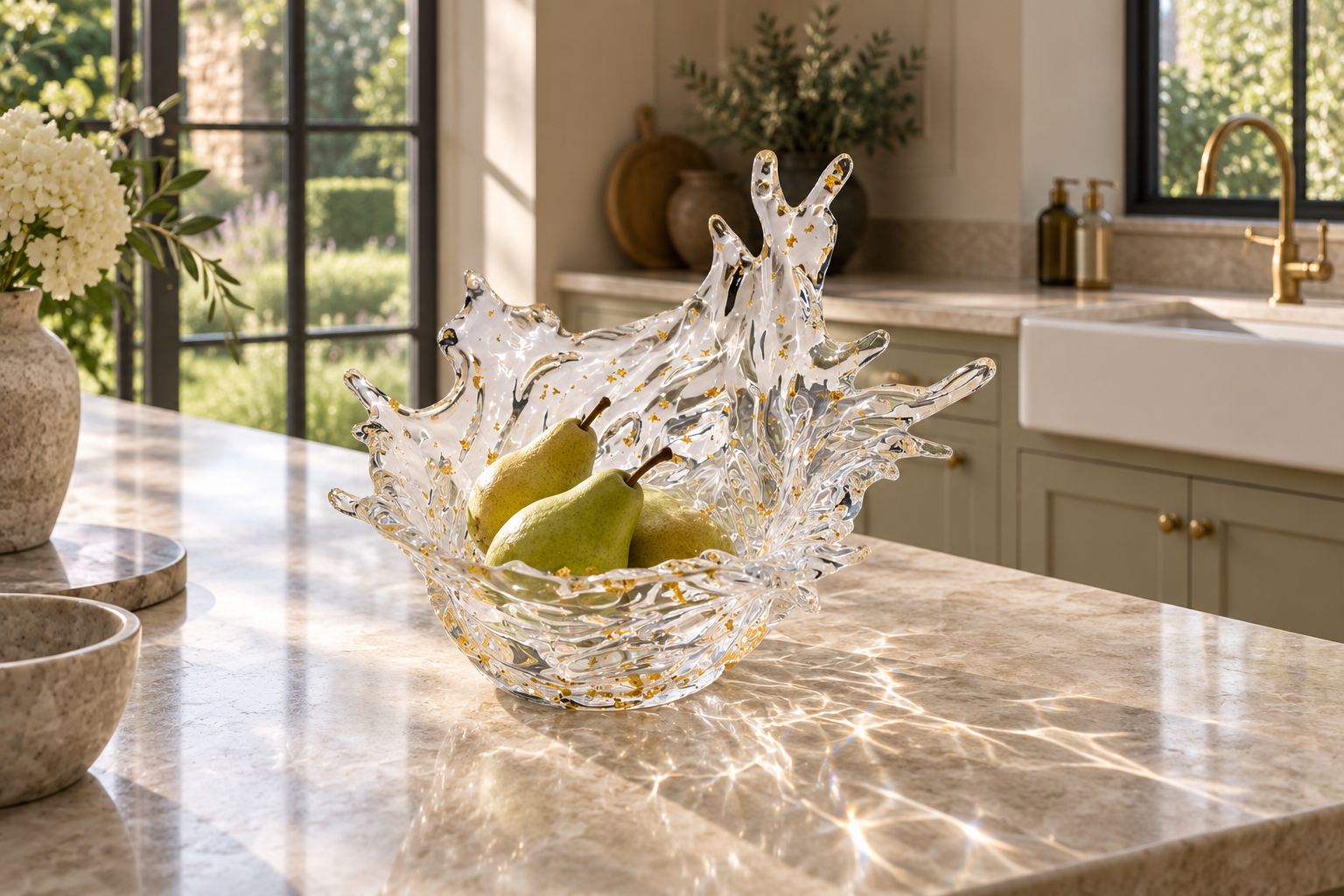
Furniture Has Become a Destination, Not Just a Functional Object
Luxury interiors have evolved significantly over the past decade. Furniture is no longer expected to simply provide comfort or functionality. Instead, it has become part of the overall brand experience.
Hotels compete to create memorable guest journeys. Restaurants aim to deliver immersive dining experiences. Retail stores seek environments that encourage visitors to stay longer and share their experiences online.
In all of these settings, statement furniture plays an important role.
Rather than blending into the surroundings, exceptional furniture creates visual landmarks. Guests instinctively gravitate toward these focal points because they communicate exclusivity, craftsmanship, and artistic value.
The most successful interiors often include one or two iconic pieces that become synonymous with the entire space.
Form That Naturally Draws the Human Eye
People are instinctively attracted to objects with distinctive silhouettes. Our brains process shapes before details, making overall form one of the strongest visual signals in interior design.
Furniture with flowing curves, bold geometry, sculptural proportions, or unexpected profiles immediately captures attention because it breaks visual repetition.
Designers frequently use contrast to establish hierarchy. A sculptural reception desk placed within a minimalist lobby becomes impossible to ignore. A dramatic dining table surrounded by understated finishes instantly becomes the visual anchor of the room.
The goal is not complexity for its own sake. Instead, successful statement furniture balances originality with harmony, creating enough contrast to stand out while remaining connected to the overall design language.
This careful balance is what transforms furniture into an unforgettable experience.
Material Creates Emotional Impact
Shape attracts attention, but material creates emotion.
Luxury spaces rely heavily on materiality to communicate quality. Natural stone, polished metals, fine wood, leather, and architectural glass all contribute to sensory perception.
In recent years, synthetic crystal has emerged as an exceptional material for designers seeking both artistic freedom and premium visual performance.
Its remarkable transparency allows light to travel through the furniture, creating depth that conventional materials cannot easily achieve. Depending on surface treatment and lighting conditions, it can appear luminous during the day and dramatically illuminated at night.
Unlike traditional decorative materials, synthetic crystal also offers greater flexibility for complex forms, allowing designers to create sculptural pieces that combine elegance with engineering precision.
The material itself becomes part of the visual story, making furniture feel more like functional art than ordinary interior products.
.png)
Lighting Turns Beautiful Furniture Into an Icon
Lighting determines whether furniture simply exists or truly commands attention.
Even the most beautifully designed piece can lose its impact under poor lighting. Conversely, thoughtful illumination can transform an already impressive design into the defining feature of an interior.
Luxury hospitality projects often layer lighting to emphasize focal furniture.
Soft ambient lighting establishes atmosphere.
Accent lighting highlights texture and transparency.
Integrated lighting introduces depth and visual movement.
Materials capable of interacting with light create especially memorable effects. The optical clarity of synthetic crystal allows illumination to pass through and around the furniture, producing reflections and dimensional qualities that naturally attract photographers.
This interaction between light and material creates images that appear dynamic even when the furniture itself remains completely still.
Scale and Placement Matter as Much as Design
An exceptional furniture piece cannot achieve its full potential without thoughtful placement.
Luxury interiors rely on spatial composition to guide attention. Designers often position signature furniture where guests naturally pause, enter, or gather.
Hotel entrances.
Reception areas.
Grand staircases.
Restaurant entrances.
Executive lounges.
VIP waiting areas.
These locations maximize visibility while encouraging interaction.
Scale also plays a critical role. Furniture that is too small disappears within expansive spaces. Furniture that overwhelms the architecture creates imbalance.
Successful statement pieces achieve proportional harmony while maintaining enough visual presence to establish themselves as focal points.
The result feels intentional rather than overpowering.
Social Media Has Changed the Way Interiors Are Designed
The rise of Instagram, TikTok, Pinterest, and other visual platforms has transformed interior design priorities.
Guests increasingly search for experiences worth sharing.
Designers now consider not only how spaces feel in person but also how they appear through a smartphone camera.
Photogenic furniture extends the marketing value of a project far beyond its physical location.
Every guest photo becomes organic promotion.
Every shared image strengthens brand recognition.
Every memorable backdrop increases online visibility.
This is why many luxury hotels intentionally invest in signature furniture rather than filling spaces with numerous ordinary pieces.
One extraordinary design often generates more lasting attention than an entire room of conventional furnishings.
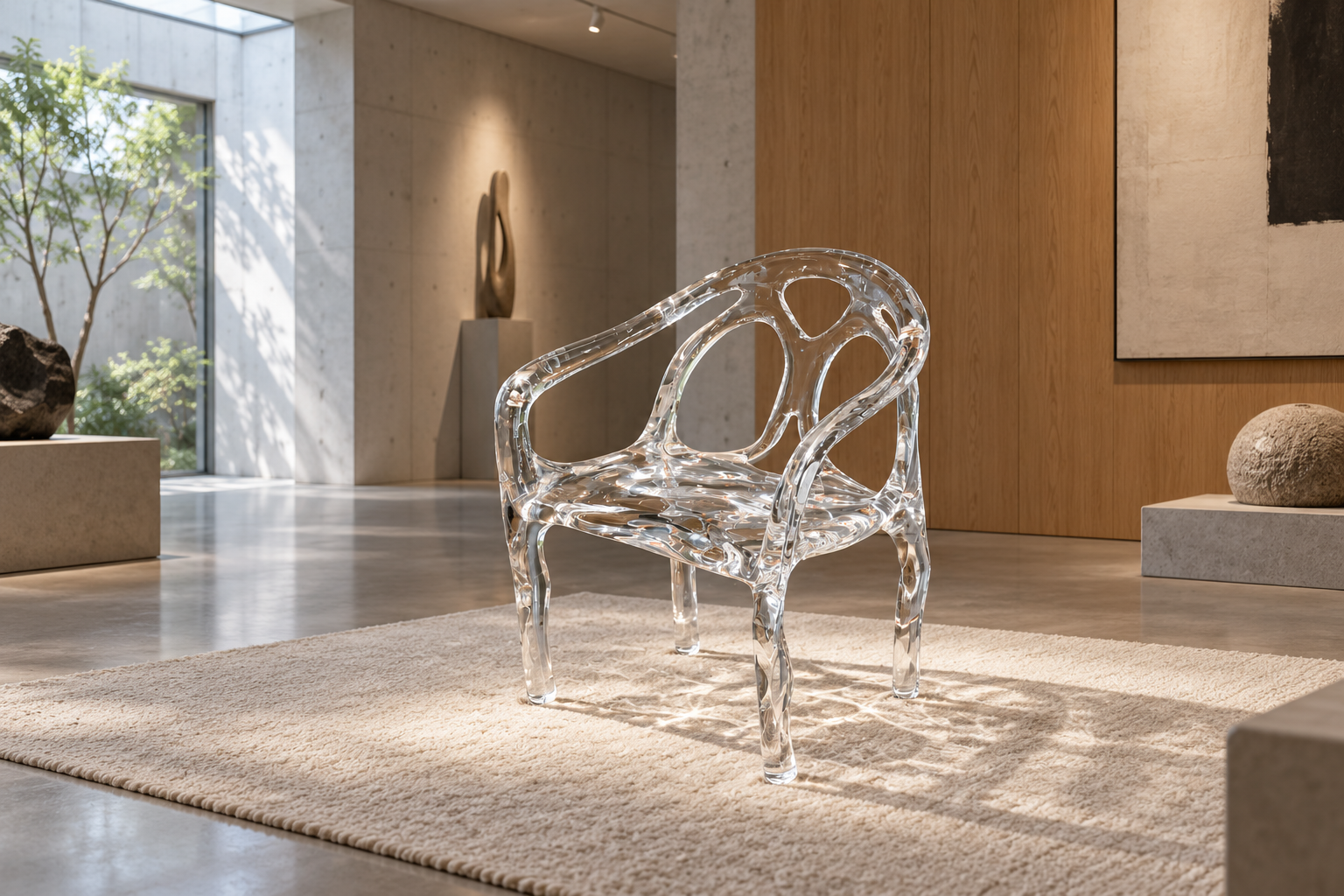
Emotional Connection Makes Furniture Memorable
People rarely photograph furniture simply because it is expensive.
They photograph furniture because it makes them feel something.
Curiosity.
Wonder.
Excitement.
Sophistication.
Inspiration.
Emotion transforms an object into a memory.
Materials contribute significantly to this emotional response. The luminous appearance of synthetic crystal, combined with artistic craftsmanship, often creates a sense of rarity that encourages guests to stop, observe, and engage.
The furniture becomes more than a product—it becomes part of the visitor's personal experience within the space.
That emotional connection is ultimately what people choose to capture and share.
The Future of Luxury Spaces Will Be More Experience-Driven
As luxury design continues to evolve, furniture will play an even greater role in defining how people experience interiors.
Designers are moving beyond decoration toward creating immersive environments where architecture, lighting, materials, and furniture work together as one cohesive story.
Innovation in advanced materials is expanding what designers can achieve. synthetic crystal enables forms, transparency, and visual effects that help transform functional furniture into sculptural landmarks capable of elevating entire spaces.
The most photographed furniture is never created by accident. It results from thoughtful decisions about proportion, material, craftsmanship, lighting, and emotional impact working in harmony.
In the end, the furniture guests remember is rarely the most complicated or the most expensive—it is the piece that makes them stop, reach for their phone, and feel compelled to capture the moment. What kind of signature piece will define your next luxury project?


