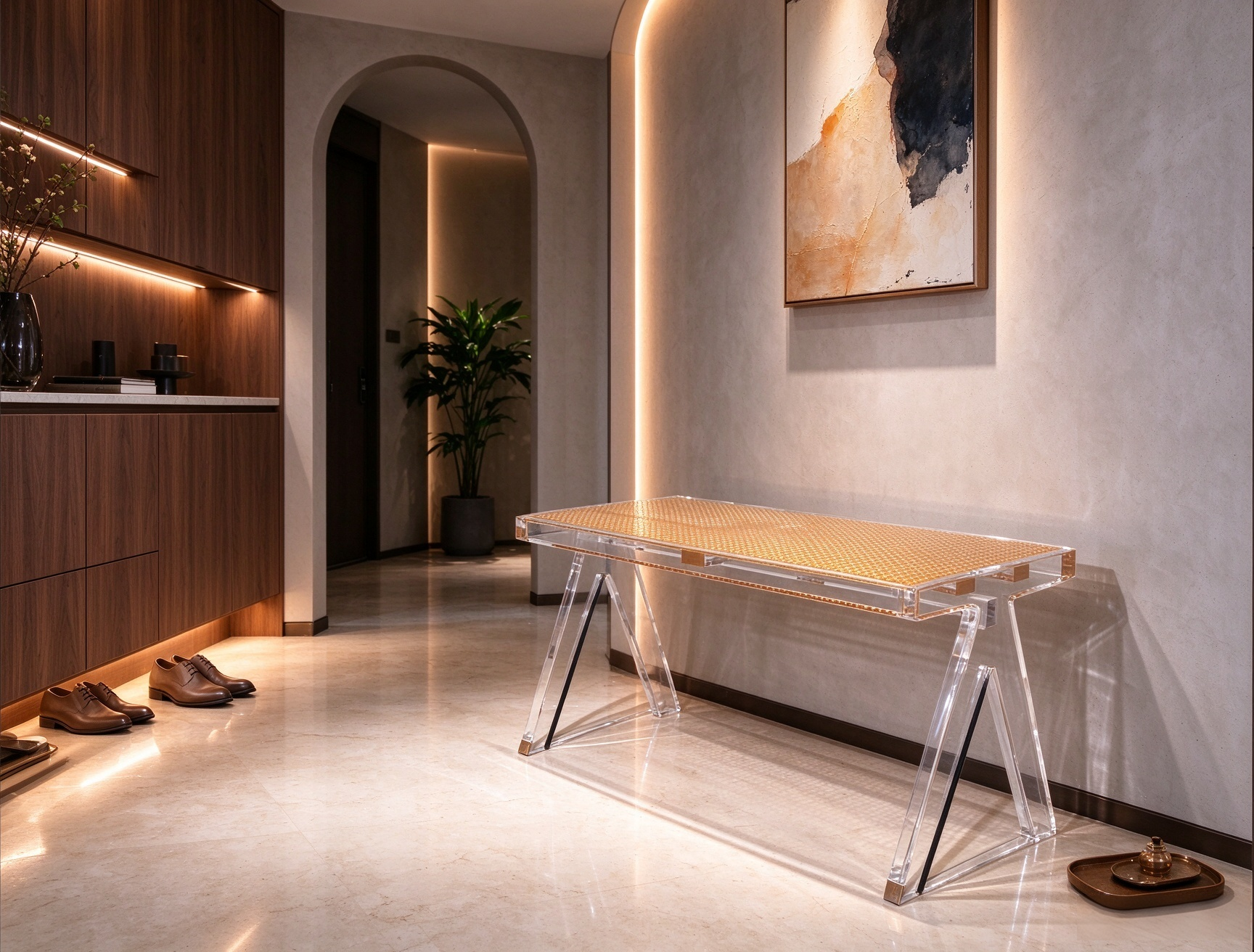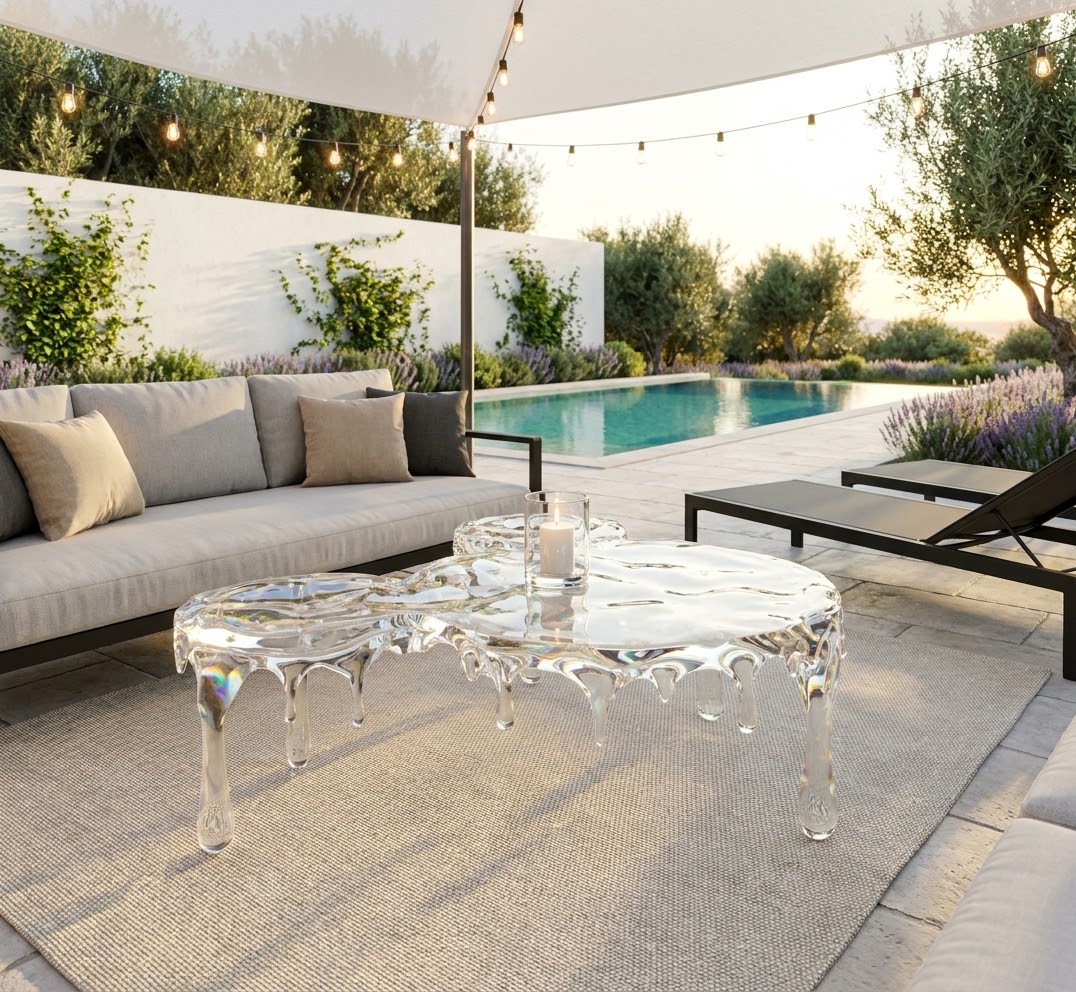
The 2026 interior design landscape is shifting toward bold, nature-inspired statement pieces that blend artistic expression with functional durability. For high-end commercial projects—from Michelin-starred restaurants to luxury hotel lobbies—one trend is emerging as a defining focal point: the bespoke resin dining table for complex organic shapes, stable production and premium commercial interior expression 2026. This furniture category combines fluid, sculptural forms with industrial-grade reliability, addressing a longstanding gap between avant-garde design and commercial-grade performance.
As design firms and hospitality brands prioritize unique, Instagram-worthy spaces that drive customer engagement, resin furniture has evolved from a niche craft material to a mainstream luxury solution. This guide explores the technical advancements, design applications, and market forces driving this trend, providing actionable insights for interior architects, project managers, and luxury brand decision-makers.
The Rise of Organic Aesthetics in 2026 Premium Commercial Interiors
Organic design has moved beyond a passing trend to become a core pillar of 2026 luxury interior strategy, driven by growing demand for biophilic spaces that reduce stress and enhance user experience. In commercial settings, organic shapes create memorable brand identities while fostering a sense of warmth and connection with nature.
Why Organic Shapes Dominate High-End Commercial Design
Modern consumers increasingly seek immersive, sensory-driven experiences when dining, shopping, or staying in luxury properties. Straight, angular furniture feels sterile and generic, failing to leave a lasting impression. Organic forms—with their curved edges, asymmetrical silhouettes, and natural flow—create visual interest and encourage longer guest stays.
For hospitality brands, this translates directly to revenue: studies show that visually distinctive dining spaces increase social media shares by 47%, driving organic brand reach. Resin is uniquely suited to organic design because it can be molded into virtually any shape without sacrificing structural integrity, unlike wood or stone which have natural material limitations.
Resin as a Game-Changer for Organic Form Execution
Traditional materials like solid wood, marble, or metal struggle to achieve complex organic shapes at commercial scale. Carving wood into fluid, sculptural forms is labor-intensive and prone to cracking, while stone fabrication of curved designs generates massive material waste and high costs.
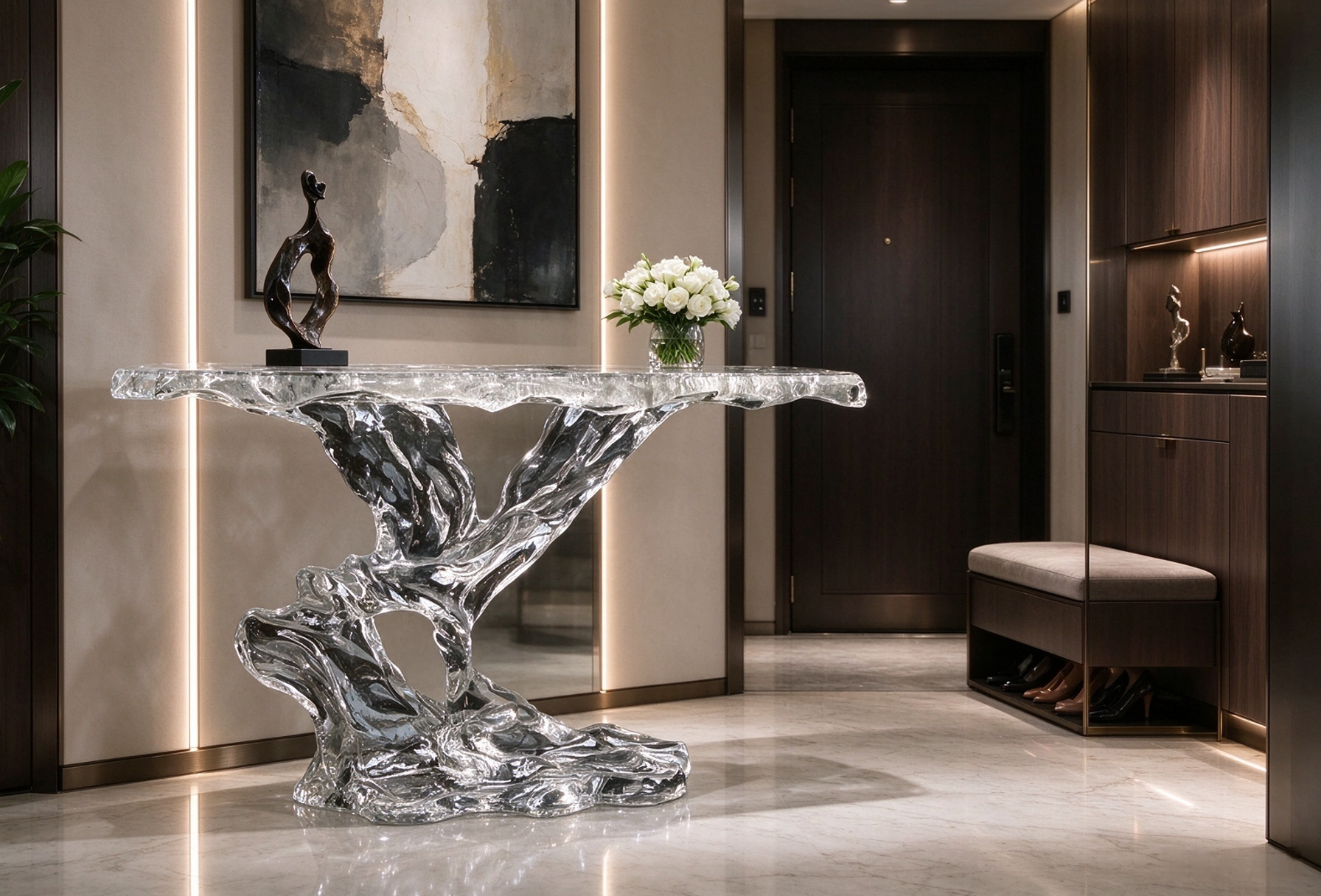
Resin solves these challenges by offering complete design freedom. Designers can create tables with undulating edges, embedded natural elements like wood slices or crystals, and gradient color transitions that mimic natural phenomena like ocean waves or mountain landscapes. The material’s versatility makes the bespoke resin dining table for complex organic shapes, stable production and premium commercial interior expression 2026 a top choice for forward-thinking design teams.
Stable Production: Solving the Scalability Challenge for Bespoke Resin Furniture
For years, custom resin furniture was limited to small-batch artisanal production, with inconsistent quality, long lead times, and high costs that made it unfeasible for large commercial projects. Recent advancements in manufacturing technology have changed that, making stable, repeatable production of bespoke resin dining tables a reality.
Advanced Molding and Curing Technologies for Consistent Results
Modern resin manufacturers use precision 3D-printed molds and computer-controlled curing processes to ensure every table meets exact design specifications. Digital mold design allows for rapid prototyping, so design teams can test multiple shape iterations before full production begins.
UV-cured resin systems have also reduced production time by 60% compared to traditional air-curing methods, while improving material density and resistance to yellowing. This technology ensures that even complex organic shapes with varying thicknesses cure evenly, eliminating structural weaknesses and surface imperfections that were common in early resin furniture.
Quality Control Measures for Commercial-Grade Durability
Commercial furniture faces far more wear and tear than residential pieces, with daily use by hundreds of guests, exposure to food and drink spills, and frequent cleaning with harsh chemicals. Stable production processes include rigorous quality control checks to ensure every table meets commercial performance standards.
Key testing protocols include:
Scratch resistance testing to ensure surfaces maintain their finish after years of use
Stain resistance testing with common commercial spills like wine, coffee, and oil
Load-bearing testing to verify structural integrity for heavy use
UV stability testing to prevent fading in spaces with natural light
These measures make the custom resin dining table for luxury hospitality design a practical, long-lasting investment rather than just a decorative piece.
Premium Commercial Interior Expression: Applications and Case Studies
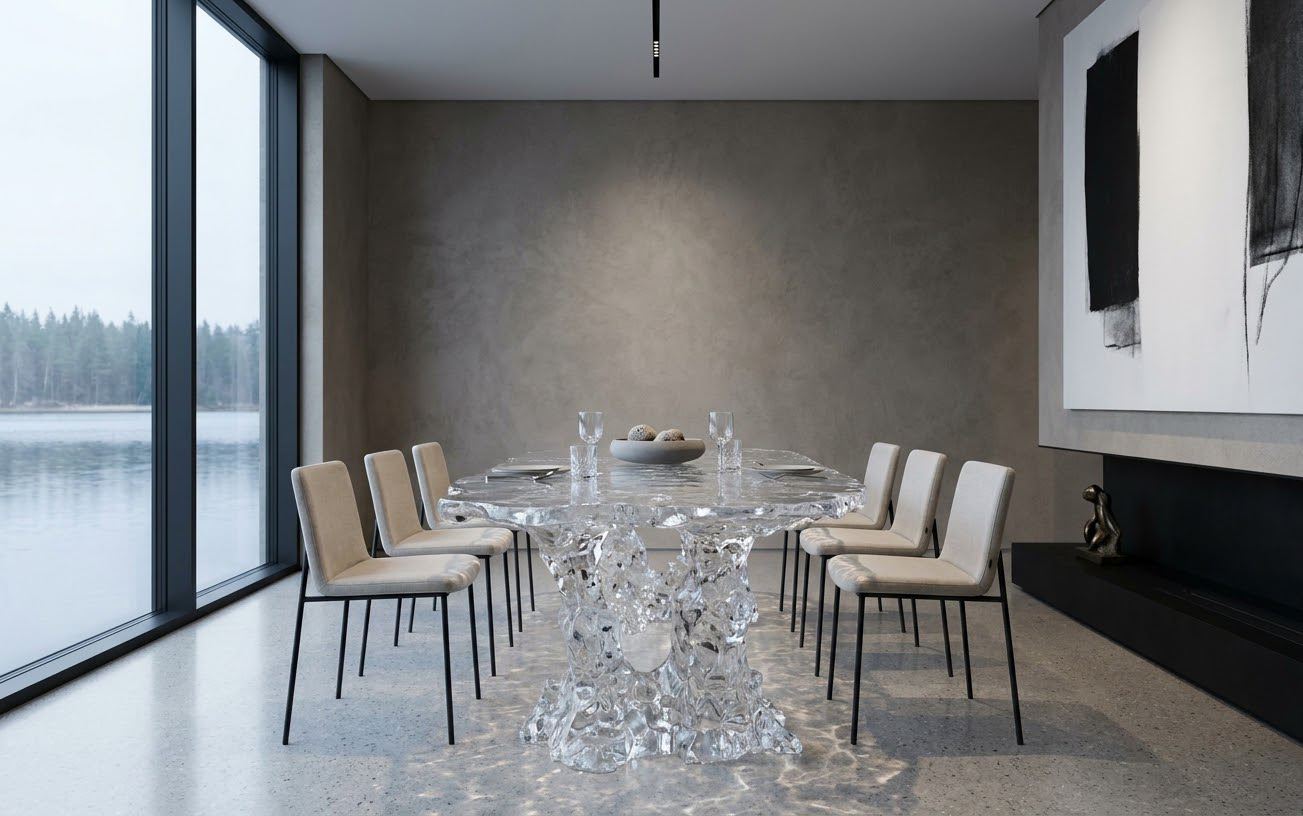
The bespoke resin dining table for complex organic shapes, stable production and premium commercial interior expression 2026 is versatile enough to work across a range of high-end commercial settings, from fine dining restaurants to luxury retail spaces and corporate headquarters.
Fine Dining and Luxury Hospitality Applications
In Michelin-starred restaurants and boutique hotel dining rooms, resin dining tables serve as the centerpiece of the guest experience. For example, a recent project for a coastal luxury resort in Malibu featured a 20-foot organic resin dining table embedded with real seashells and ocean-blue gradient coloring, mirroring the nearby beach landscape.
The table became a major marketing asset for the resort, with 30% of guests mentioning it in post-stay reviews and thousands of social media posts tagging the property. For hospitality brands, this kind of signature piece creates a unique selling proposition that sets them apart from competitors.
Luxury Retail and Corporate Office Applications
High-end retail brands use custom resin tables to create immersive shopping experiences that align with their brand identity. A luxury jewelry brand recently installed organic resin display tables in its flagship store, with embedded crystal elements that complement its product collections and create a luxurious, gallery-like atmosphere.
In corporate settings, resin dining tables in executive dining rooms and reception areas convey innovation and attention to detail. Tech companies and creative agencies often choose bold, colorful organic designs to reflect their creative culture and impress clients and partners.
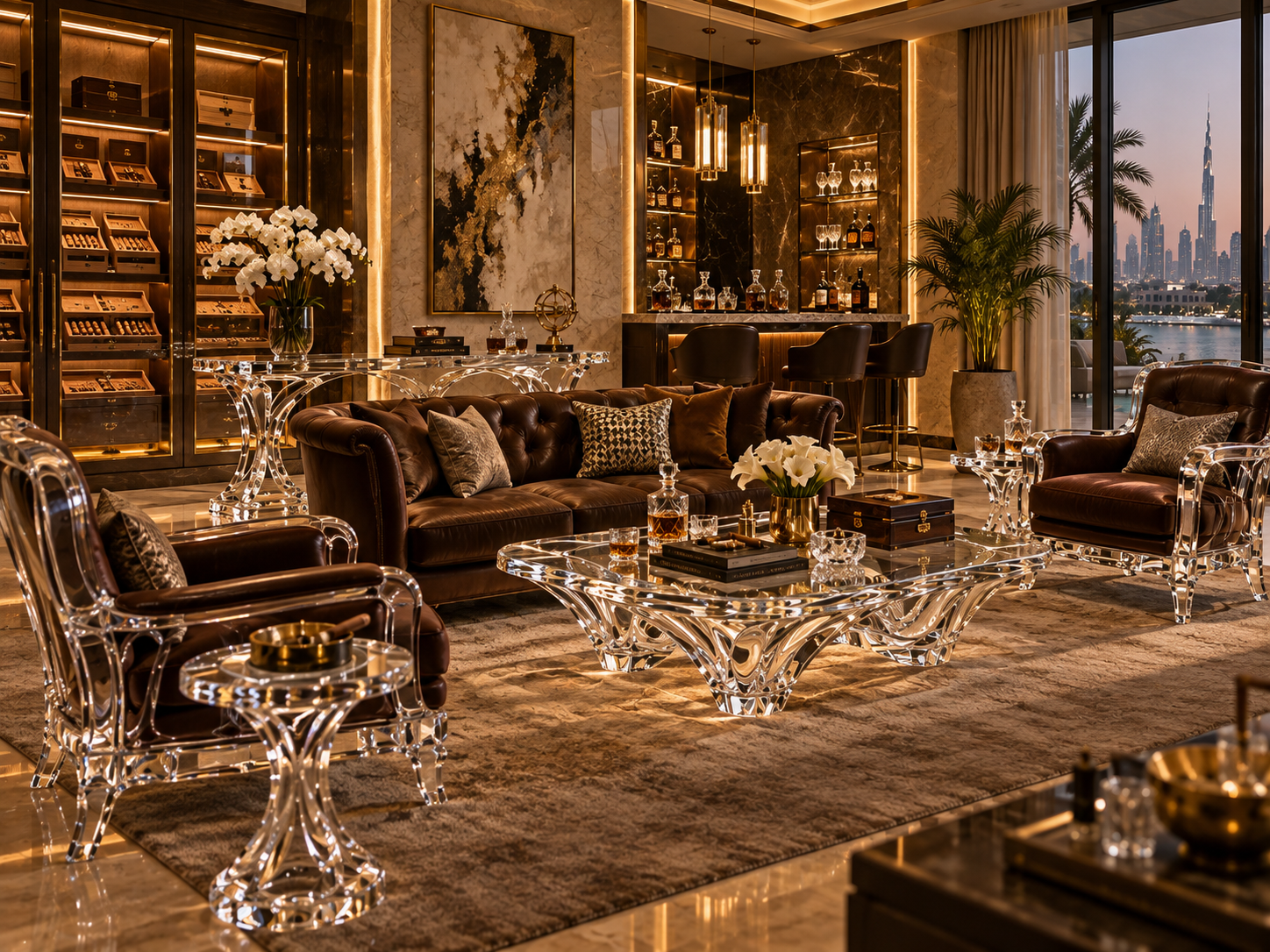
Future Outlook: 2026 and Beyond for Resin Furniture in Luxury Design
As we move into 2026, the high-end commercial interior resin table trends 2026 will continue to evolve, with new material innovations, sustainability improvements, and design concepts pushing the category forward.
Sustainability Innovations in Resin Manufacturing
One of the biggest criticisms of traditional resin furniture is its reliance on petroleum-based materials. In 2026, leading manufacturers are launching bio-based resin formulas made from renewable plant sources, reducing carbon footprint by up to 70% compared to standard resin.
These eco-friendly resins maintain the same durability, clarity, and design flexibility as traditional options, making them ideal for luxury brands with strong sustainability commitments. Many commercial projects now require LEED certification or other green building standards, and sustainable resin furniture helps teams meet those requirements without compromising on design.
Emerging Design Trends and Customization Options
Looking ahead, we’ll see even more innovative customization options for bespoke resin dining tables. Embedded LED lighting, interactive surfaces, and mixed-material designs that combine resin with wood, metal, or stone will become increasingly popular.
Designers are also experimenting with larger-scale installations, including entire resin dining suites, bar tops, and wall panels that create a cohesive organic aesthetic throughout a space. As production technology continues to improve, the cost of custom resin furniture will become more accessible, allowing more mid-tier commercial projects to incorporate these stunning pieces.
The bespoke resin dining table for complex organic shapes, stable production and premium commercial interior expression 2026 is more than just a furniture trend—it’s a reflection of a larger shift in commercial design toward spaces that are both artistically bold and functionally reliable. For design professionals and brand leaders, embracing this trend now offers a chance to stay ahead of the curve and create spaces that resonate with modern consumers.