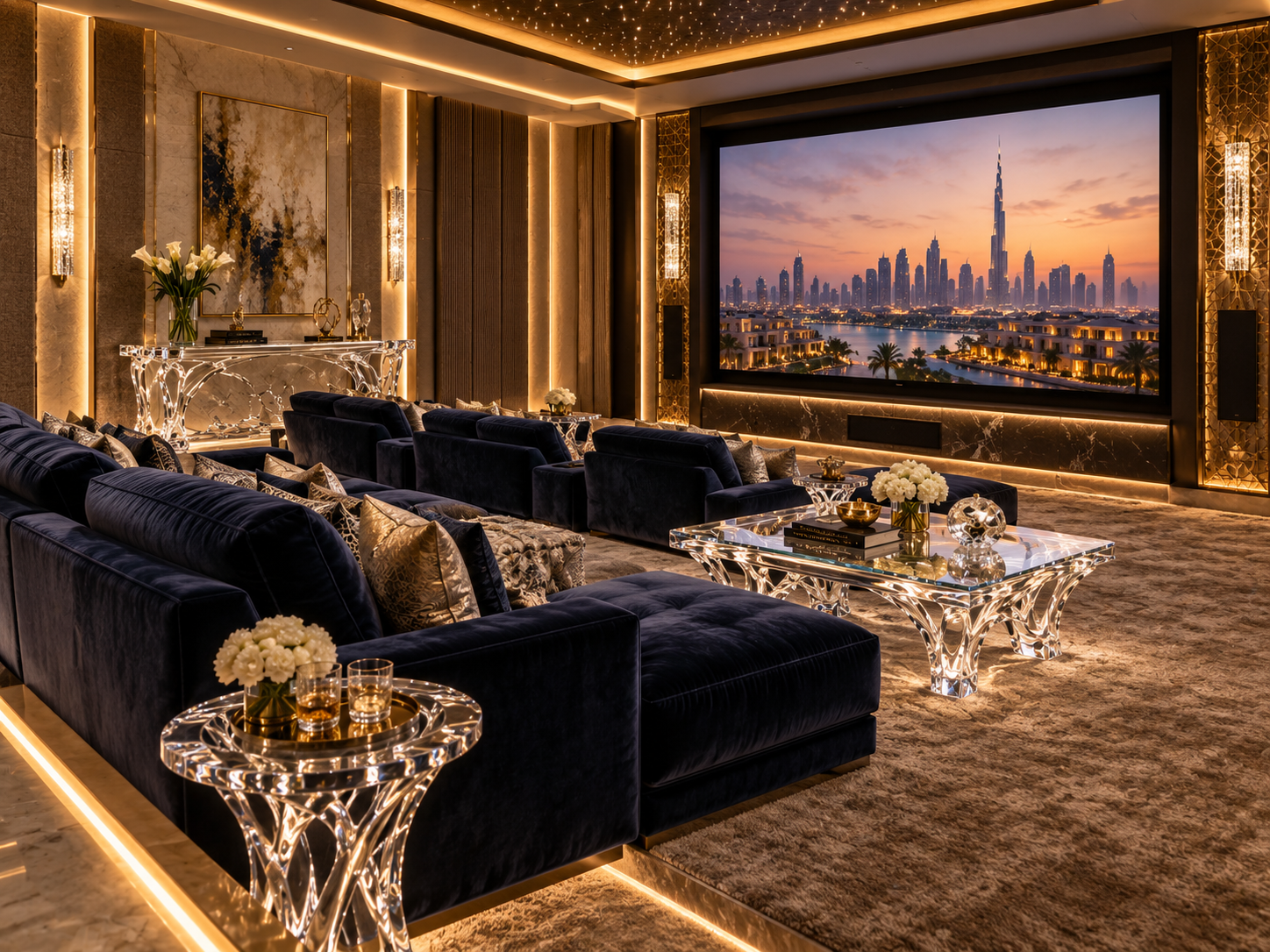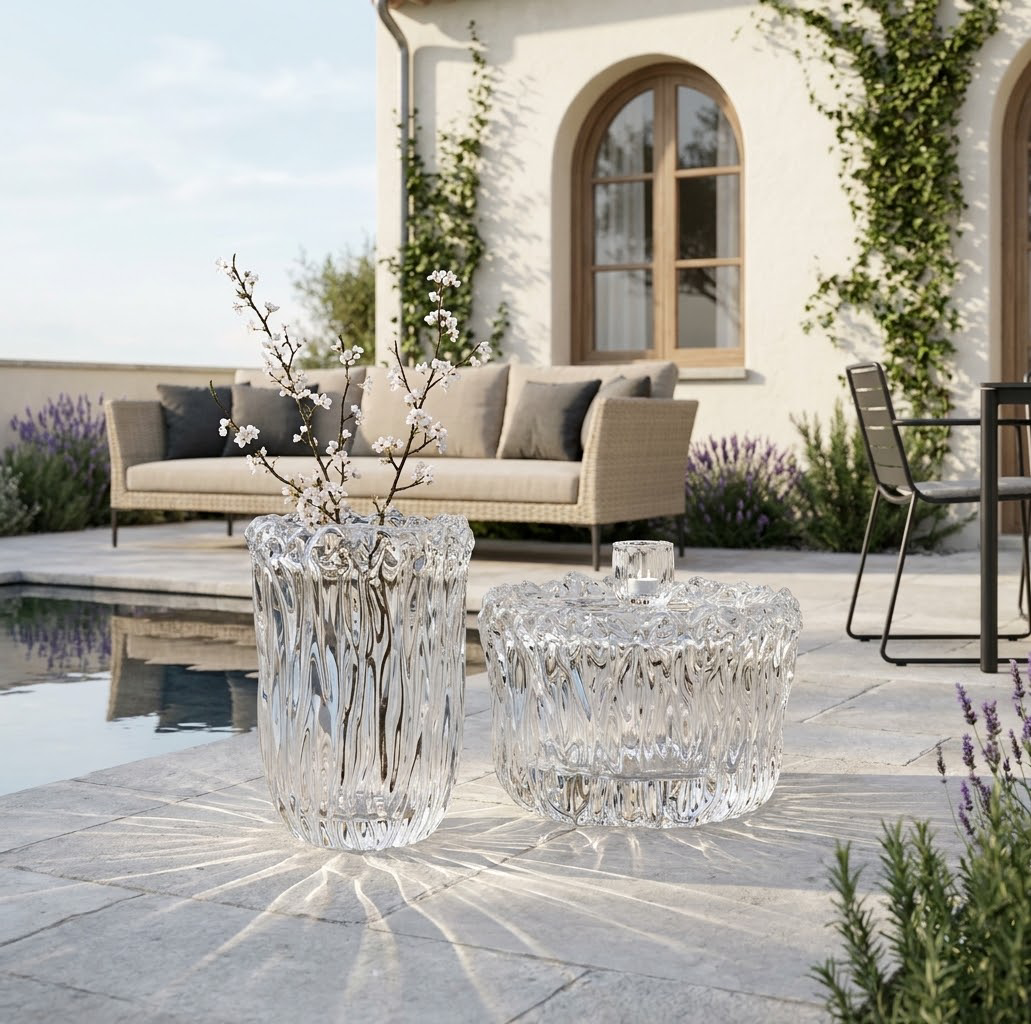
In 2026, luxury interior design is shifting toward statement pieces that blend artistic vision, functional durability, and elevated space value. Top designers are increasingly turning to advanced material innovations to deliver iconic, one-of-a-kind projects that stand out in both residential and commercial markets. The has emerged as a leading choice for firms aiming to push creative boundaries while meeting the strict performance demands of high-end spaces. This article explores why this furniture category is becoming a staple in iconic design projects worldwide.
Unmatched Design Flexibility for Bespoke Creative Vision
One of the core reasons top designers favor synthetic crystal furniture is its ability to turn nearly any creative concept into a tangible, high-quality piece. Unlike natural crystal, which is limited by natural formations, size constraints, and structural weaknesses, synthetic crystal offers complete control over shape, size, color, and finish.
Customization Beyond Natural Material Limitations
Natural crystal dining tables are restricted by the size of raw crystal blocks, often resulting in small, fragmented tabletops or exorbitant costs for large formats. Synthetic crystal eliminates these barriers, allowing designers to create seamless, extra-long dining tables, irregular organic shapes, or sculptural bases that would be impossible with natural stone.
For bespoke synthetic crystal furniture for luxury residential projects, this means clients can request exact dimensions to fit unique room layouts, custom edge profiles, or even embedded decorative elements like metal inlays or LED lighting. The material can be tinted in any hue, from soft champagne to deep emerald, to match a project’s exact color palette.
Precision Surface Quality for High-End Aesthetics
The delivers a flawless, uniform surface that natural materials cannot match. Synthetic crystal is manufactured in controlled environments, resulting in zero internal fractures, consistent clarity, and a perfectly smooth finish that refracts light evenly.
This precision is critical for high-end design realization, where even minor imperfections can detract from a space’s luxury feel. Designers can specify surface textures ranging from high-gloss mirror finishes to soft matte effects, all with consistent quality across the entire piece.
Superior Durability for High-Traffic Luxury Spaces
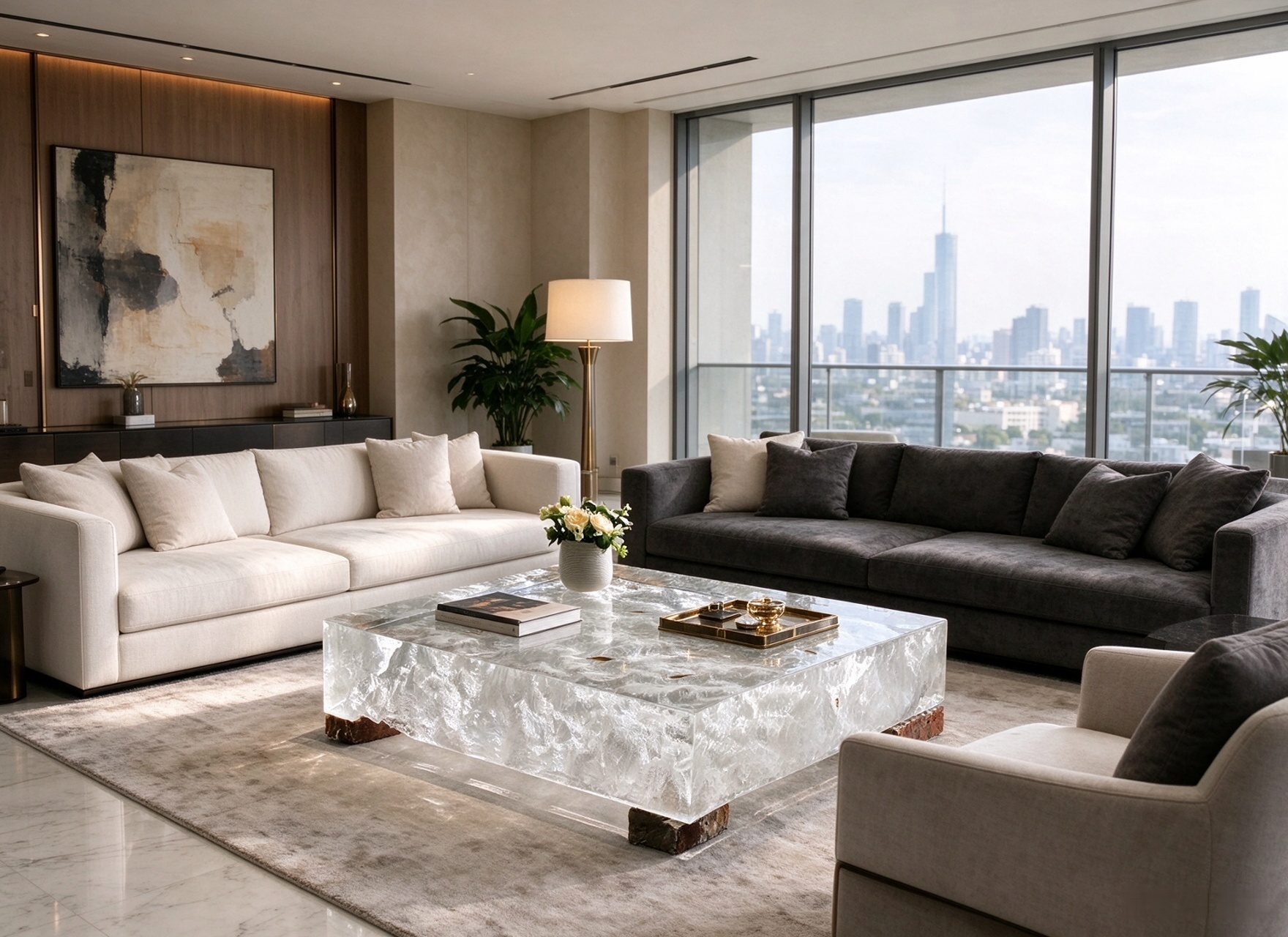
Luxury design does not only rely on aesthetics—top-tier projects, especially commercial ones, require materials that can withstand heavy use without losing their visual appeal. Synthetic crystal dining tables outperform many traditional luxury materials in terms of long-term durability and low maintenance.
Scratch and Stain Resistance for Commercial Use
For hospitality venues, high-end restaurants, and corporate event spaces, furniture must handle constant use, spills, and cleaning products. The high-end synthetic crystal dining table durability for commercial spaces makes it an ideal choice for these high-traffic environments.
Synthetic crystal is non-porous, meaning it resists staining from wine, coffee, or acidic foods that would permanently mark natural stone or wood. It also scores high on scratch resistance, maintaining its flawless surface even after years of daily use. This reduces long-term replacement costs for commercial property owners while preserving the space’s luxury aesthetic.
Structural Stability for Long-Term Value
Unlike natural crystal, which is prone to chipping and cracking under impact or temperature changes, synthetic crystal is engineered for structural strength. It has a higher impact resistance and is less likely to crack from thermal shock, making it suitable for both indoor and covered outdoor luxury dining areas.
This stability translates to higher long-term luxury space value, as the furniture retains its like-new condition for decades. For property investors, choosing durable, low-maintenance statement pieces is a key strategy for preserving and increasing a space’s market value.
Elevated Luxury Space Value and Iconic Focal Point Creation
A key goal of high-end interior design is to create spaces that feel unique, memorable, and worth a premium price. Synthetic crystal dining tables serve as powerful focal points that elevate the perceived value of any space, whether it’s a private residence or a five-star hotel.
Light Refraction for Dynamic Visual Impact
One of the most striking features of synthetic crystal is its ability to refract and reflect light, creating dynamic, ever-changing visual effects throughout the day. When placed near windows or paired with strategic lighting, a crystal dining table casts rainbow patterns and soft glows across the room, adding a sense of drama and luxury.
This quality aligns perfectly with synthetic crystal furniture design flexibility for iconic interiors, as designers can use the material’s light-play properties to shape the mood of a space. For residential dining rooms, it creates an intimate, magical atmosphere for gatherings; for commercial spaces, it becomes a memorable Instagram-worthy feature that drives customer engagement.
Perceived Exclusivity and Premium Brand Alignment
For luxury brands and high-end residential clients, exclusivity is a core value. Custom synthetic crystal dining tables feel inherently luxurious due to their crystalline appearance and the precision of their craftsmanship. They signal a commitment to quality and unique design that resonates with discerning audiences.
According to a 2025 luxury interior design report from Architectural Digest, statement dining pieces are among the top three factors that increase a luxury property’s perceived market value. Synthetic crystal tables, with their combination of rarity (due to customization) and visual impact, deliver a strong return on investment for both homeowners and commercial operators.
2026 Design Trends and the Future of Synthetic Crystal Furniture
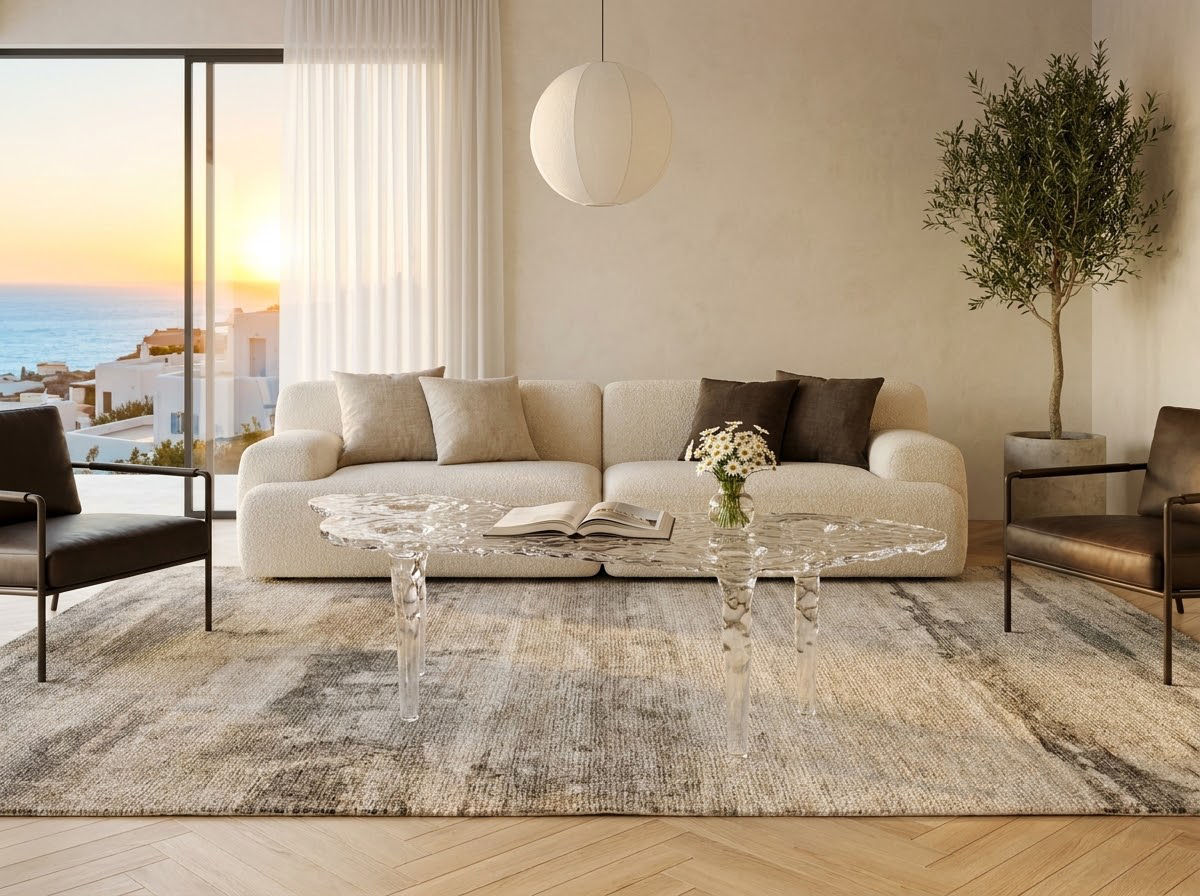
As we move into 2026, several key interior design trends are driving the adoption of synthetic crystal furniture even further. From sustainable luxury to experiential design, this material aligns with the evolving priorities of top designers and their clients.
Sustainable Luxury and Material Innovation
Modern luxury consumers are increasingly prioritizing sustainable materials without compromising on aesthetics or quality. Synthetic crystal can be manufactured using recycled raw materials and produces less waste than natural crystal mining, making it a more eco-friendly choice for sustainable luxury projects.
This aligns with the 2026 trend of responsible luxury, where high-end design must balance opulence with environmental consciousness. Many leading furniture studios now offer recycled synthetic crystal options, allowing designers to meet sustainability targets while still delivering showstopping pieces.
Integration of Smart Design Features
The is also evolving to include smart technology integrations. Designers are embedding wireless charging pads, LED ambient lighting, and even interactive surface features directly into synthetic crystal tabletops, blending functionality with luxury.
For commercial spaces like hotel lobbies or co-working lounges, these smart features enhance user experience while maintaining a sleek, high-end aesthetic. For residential clients, they add a layer of modern convenience that complements the home’s luxury status.
As the demand for unique, durable, and high-value luxury design grows, synthetic crystal furniture will continue to solidify its place in iconic projects. For top designers, investing in custom synthetic crystal pieces is not just a trend—it’s a strategic choice to deliver exceptional quality, creative freedom, and lasting value for their clients. Whether for a private penthouse or a flagship hospitality venue, this material offers a perfect blend of beauty, performance, and exclusivity that defines 2026 luxury design.