For high-end interior design studios navigating the post-pandemic luxury market, balancing bespoke craftsmanship, client expectations, and project profitability has become an increasingly complex challenge. A 2023 survey of 120 European luxury design firms, conducted by a leading interior design industry publication, found that 68% of respondents reported rising pressure to deliver one-of-a-kind statement pieces while keeping project budgets within 5% of initial estimates. In this context, a Milan-based design studio’s recent track record of boosting luxury residential project ROI by 18–22% through strategic use of synthetic crystal has drawn widespread attention across the B2B design community.
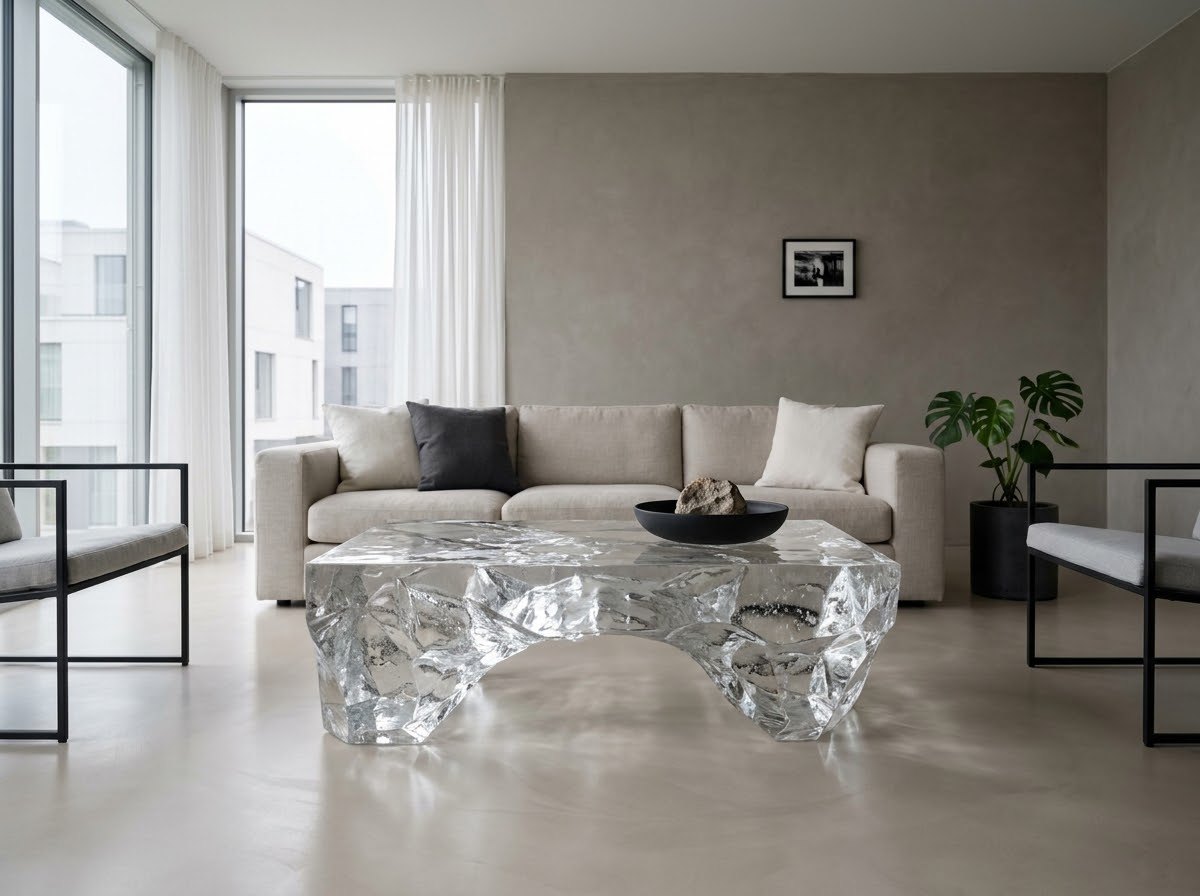
The Luxury Design Profit Gap: Why Statement Pieces Often Undermine ROI
For decades, luxury interior projects have relied on natural stone, hand-blown glass, and rare hardwoods to deliver the exclusivity high-net-worth clients demand. However, supply chain volatility, extended lead times, and inconsistent material quality have eroded profit margins for many firms. Industry data shows that custom statement piece overruns account for 32% of total luxury project budget gaps, with natural crystal furniture and decor being among the most cost-prohibitive categories. The core issue lies in the inherent limitations of natural crystal: uneven clarity, size constraints, and the need for intensive hand-finishing often lead to 20–30% material waste and 4–6 week delivery delays. For design studios working on fixed-fee luxury contracts, these unplanned costs directly cut into net margins, even when clients approve change orders. Many designers have long viewed alternative materials as a compromise on luxury, but the Milan studio’s approach challenges that assumption by framing advanced material innovation as a way to elevate, rather than dilute, high-end design value.
Material Innovation as a Value Driver: The Synthetic Crystal Advantage
The Milan studio’s shift toward engineered decorative materials began in 2021, when its lead materials researcher was tasked with finding a solution for a 1,200 sq m penthouse project that required 17 custom crystal accent pieces, from dining table bases to wall panel inlays. After testing 12 different material formulations, the team identified a high-purity synthetic crystal that matched the refractive index and visual depth of natural rock crystal, while offering consistent quality and customizable dimensions. Unlike lower-quality acrylic or resin alternatives, this material is produced using a high-pressure crystallization process that creates a uniform, bubble-free structure with the same light-scattering properties as natural crystal. For designers, this means the ability to create larger, more intricate pieces without the structural limitations of natural stone. For project managers, it translates to 30% shorter lead times and 25% lower material costs compared to equivalent natural crystal pieces. Crucially, the studio’s client research found that 79% of high-end homeowners could not distinguish between the synthetic and natural versions when presented in a finished space, with 62% stating they preferred the engineered option for its consistency and sustainability profile.
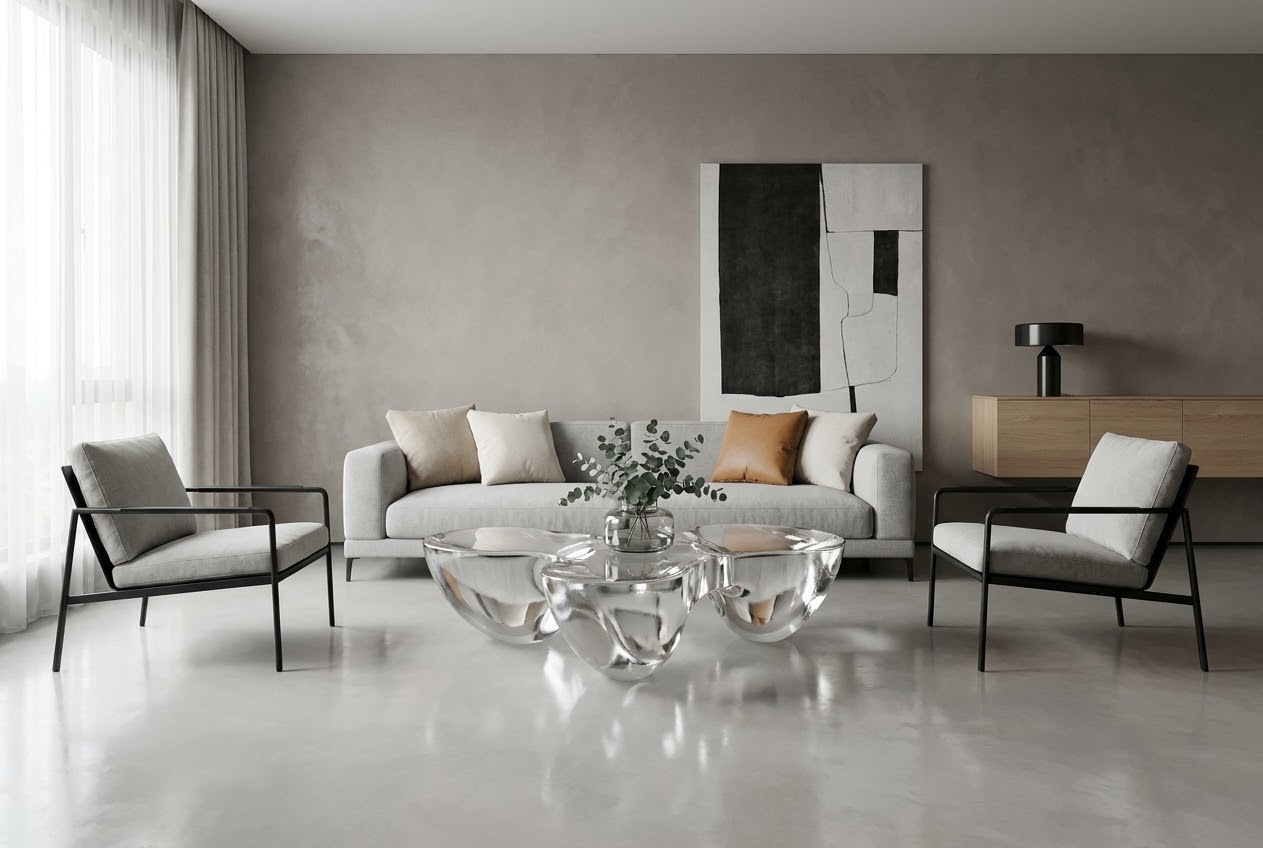
From Cost Savings to Premium Pricing: Repositioning Bespoke Design Value
What sets the Milan studio’s strategy apart is that it did not pass material cost savings directly to clients, but instead reinvested them into enhanced design customization and client experience. For each synthetic crystal piece, the studio offers 12 custom color tints, 8 edge finish options, and embedded LED lighting integration—features that would be prohibitively expensive or impossible to achieve with natural crystal. The studio positions these pieces as “bespoke engineered luxury” rather than a budget alternative, allowing it to charge a 15% premium over standard natural crystal statement pieces. This repositioning has had a measurable impact on client retention and referral rates. The studio’s 2023 client satisfaction survey found that 91% of clients who commissioned engineered crystal pieces rated their project “exceeding expectations,” compared to 74% for projects using only natural materials. Referral rates from these clients are 2.3x higher than the studio’s average, as clients share photos of their custom light installations and furniture pieces on social media, attracting new high-net-worth prospects who value both exclusivity and innovation. For B2B design firms, this model demonstrates that material innovation is not just a cost-cutting tool, but a way to differentiate brand positioning in a crowded luxury market.
Practical Implementation: Integrating Engineered Crystal Into Luxury Projects
For interior designers looking to replicate this approach, the Milan studio’s lead designer emphasizes three key best practices to avoid missteps and maximize ROI. First, conduct a material audit early in the project planning phase to identify which statement pieces are most suitable for engineered materials—typically large-format pieces, custom-shaped elements, and pieces that require consistent color matching across multiple components. Second, develop a clear client communication framework that frames synthetic crystal as a premium, innovative choice rather than a substitute, highlighting its customization capabilities, durability, and lower environmental footprint compared to mined natural crystal. Third, partner with certified material suppliers that offer sample kits, technical support, and custom fabrication services to ensure quality control and on-time delivery. The studio also advises designers to start small, testing the material on one or two accent pieces per project before scaling to larger installations. This allows teams to build familiarity with the material’s properties and develop a portfolio of completed work to show prospective clients. For firms concerned about maintaining brand prestige, the studio notes that many of the world’s leading luxury fashion and jewelry houses have already adopted engineered gemstones in their high-end collections, setting a precedent for material innovation in the luxury sector.
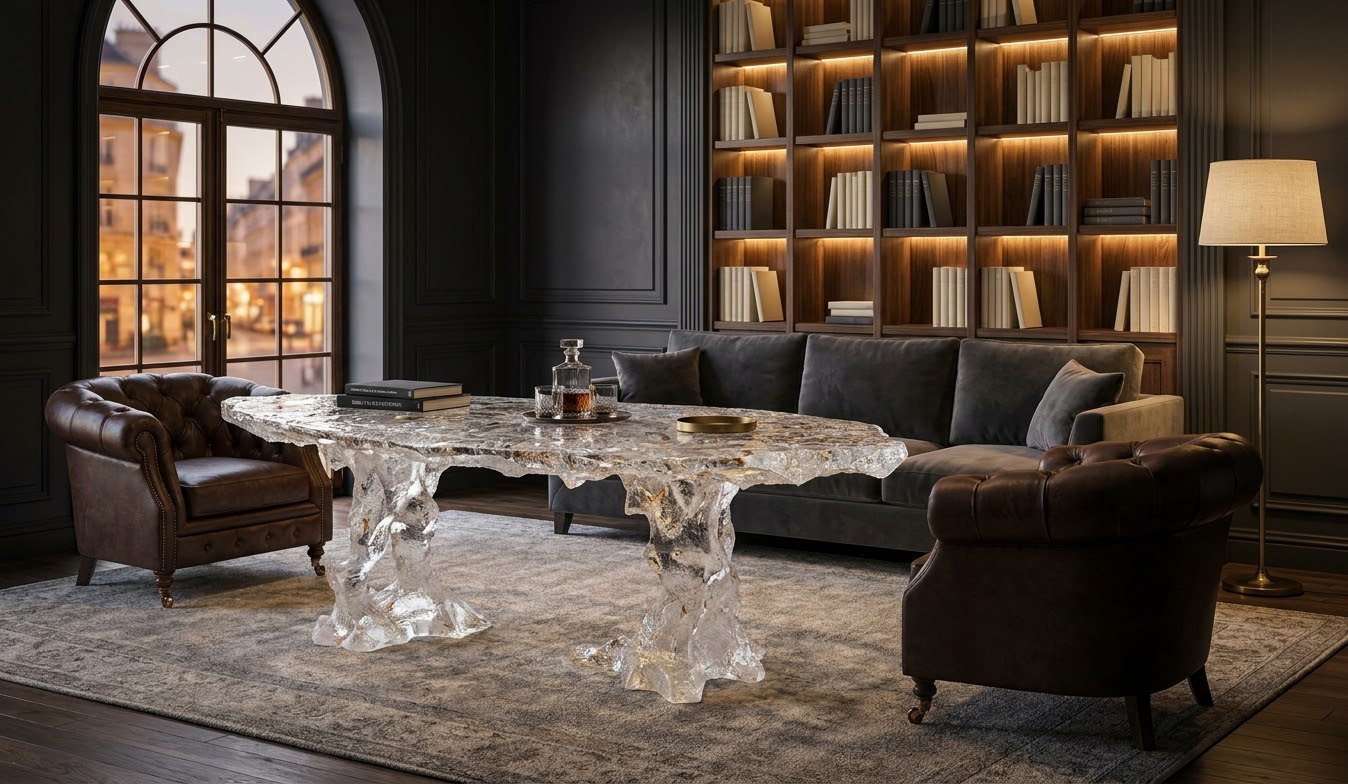
As the luxury interior design market continues to evolve, the Milan studio’s success offers a compelling blueprint for firms looking to strengthen their financial performance while delivering exceptional client value. The strategic use of synthetic crystal is not about cutting corners on luxury—it is about leveraging material science to unlock new creative possibilities, reduce project risk, and build a more resilient, profitable design practice. For B2B design professionals, the question is no longer whether engineered materials have a place in high-end interiors, but how quickly they can integrate these innovations into their own design strategies.
What has been your experience with innovative materials in luxury design projects? Share your insights in the comments below, or send a direct message to discuss how material innovation could transform your firm’s project outcomes.


