The global luxury interior design market is projected to expand at a steady 4.2% CAGR through 2030, per industry consensus, with bespoke statement furniture accounting for nearly 28% of high-end project budgets. For interior designers serving ultra-high-net-worth (UHNW) clients across North America, Europe, and the Middle East, the pressure to source unique, durable, and visually striking pieces that align with both aesthetic vision and practical lifestyle needs has never been higher. This is where synthetic crystal furniture emerges as a underutilized solution, bridging the gap between the opulence of natural crystal and the consistency required for large-scale custom projects. This guide breaks down the core strategies for curating such collections for global high-end clientele, addressing common pain points from material inconsistency to cross-border supply chain reliability.
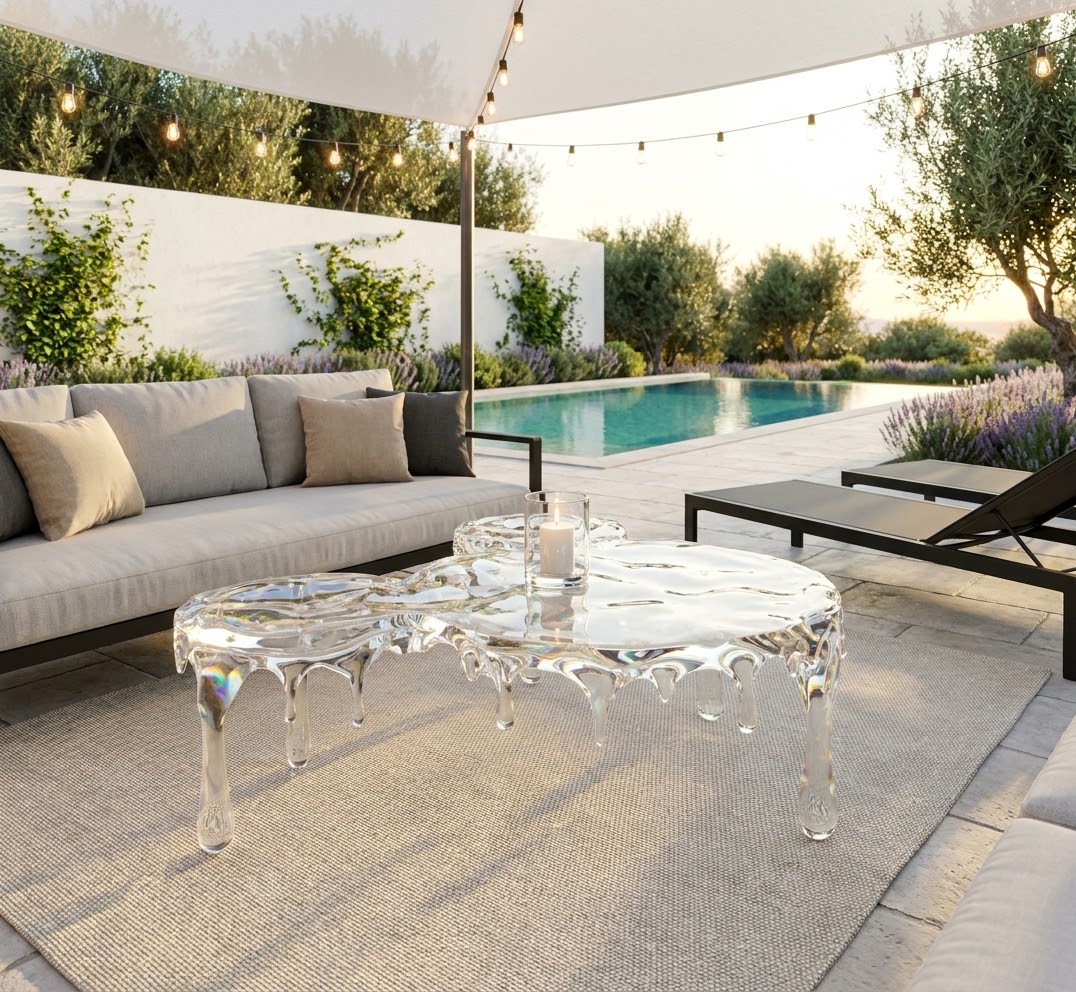
Align Material Specifications With Regional Luxury Preferences
High-end design is not one-size-fits-all, and material performance expectations vary dramatically across key global markets. For clients in coastal Mediterranean or Southeast Asian properties, resistance to humidity and salt air is a non-negotiable requirement; for those in high-traffic residential or hospitality spaces in the U.S. Northeast, scratch resistance and long-term durability take priority. Synthetic crystal furniture addresses these regional gaps by offering customizable material formulations that can be tailored to specific environmental conditions, unlike natural crystal which carries inherent structural vulnerabilities and inconsistent density. When curating collections, designers should first map client location and usage patterns to material specifications: for example, specifying UV-stabilized formulations for sun-drenched Dubai penthouses, or reinforced edge profiles for family homes in London. It is also critical to validate that suppliers provide third-party test reports for load capacity, chemical resistance, and food-safe finishes, as UHNW clients increasingly demand transparent proof of quality alongside visual appeal.
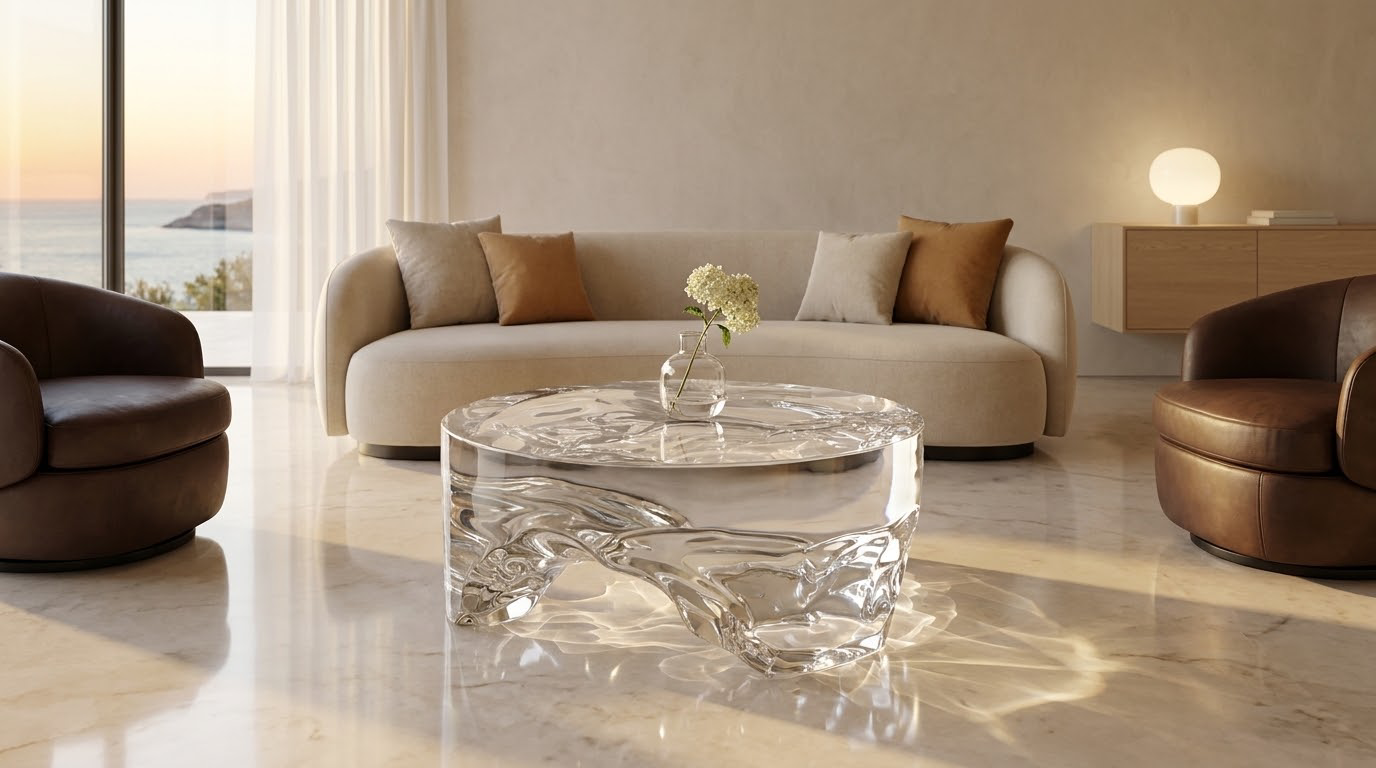
Vet B2B Suppliers for Bespoke Capability and Ethical Compliance
For designers working on custom projects, the biggest pain point in sourcing specialty furniture is often the gap between design intent and production execution. Many mass-market suppliers offer standard synthetic crystal pieces but lack the precision engineering required for fully bespoke designs, such as integrated LED lighting, curved edges, or custom color matching to a client’s existing art collection. When evaluating global B2B partners, prioritize suppliers with in-house design engineering teams and a track record of delivering custom orders for luxury hospitality or residential projects. Request full-scale prototypes before finalizing large orders, and establish clear communication channels with dedicated account managers to avoid misalignment across language and time zone barriers. Equally important is verifying ethical production practices: European and North American luxury clients increasingly require proof of fair labor standards and low-VOC manufacturing processes, so suppliers with ISO 14001 environmental certification or BSCI social compliance audits will reduce reputational risk for both designers and their clients.
Position Value to Clients: Beyond Aesthetics to Long-Term Investment
Many high-end clients initially associate crystal furniture exclusively with natural stone, and may question the value of man-made alternatives. Designers often struggle to frame synthetic options as premium rather than “compromise” choices, leading to missed opportunities to deliver more practical, durable solutions. The key is to position synthetic crystal furniture as a deliberate luxury investment, not a cost-saving substitute. For clients, the benefits extend far beyond appearance: consistent color and pattern across large multi-piece orders (a near-impossibility with natural crystal, which varies widely from slab to slab), lower long-term maintenance costs, and the ability to create exact matching replacement pieces if damage occurs years after installation. For example, a 12-seat dining table with matching side tables crafted from man-made crystal will have uniform veining and structural integrity, whereas natural crystal would require sourcing from the same quarry batch with no guarantee of consistency. Frame these benefits around the client’s priorities: for collectors, it means a cohesive visual statement; for busy families, it means less time spent on specialized cleaning and repair.
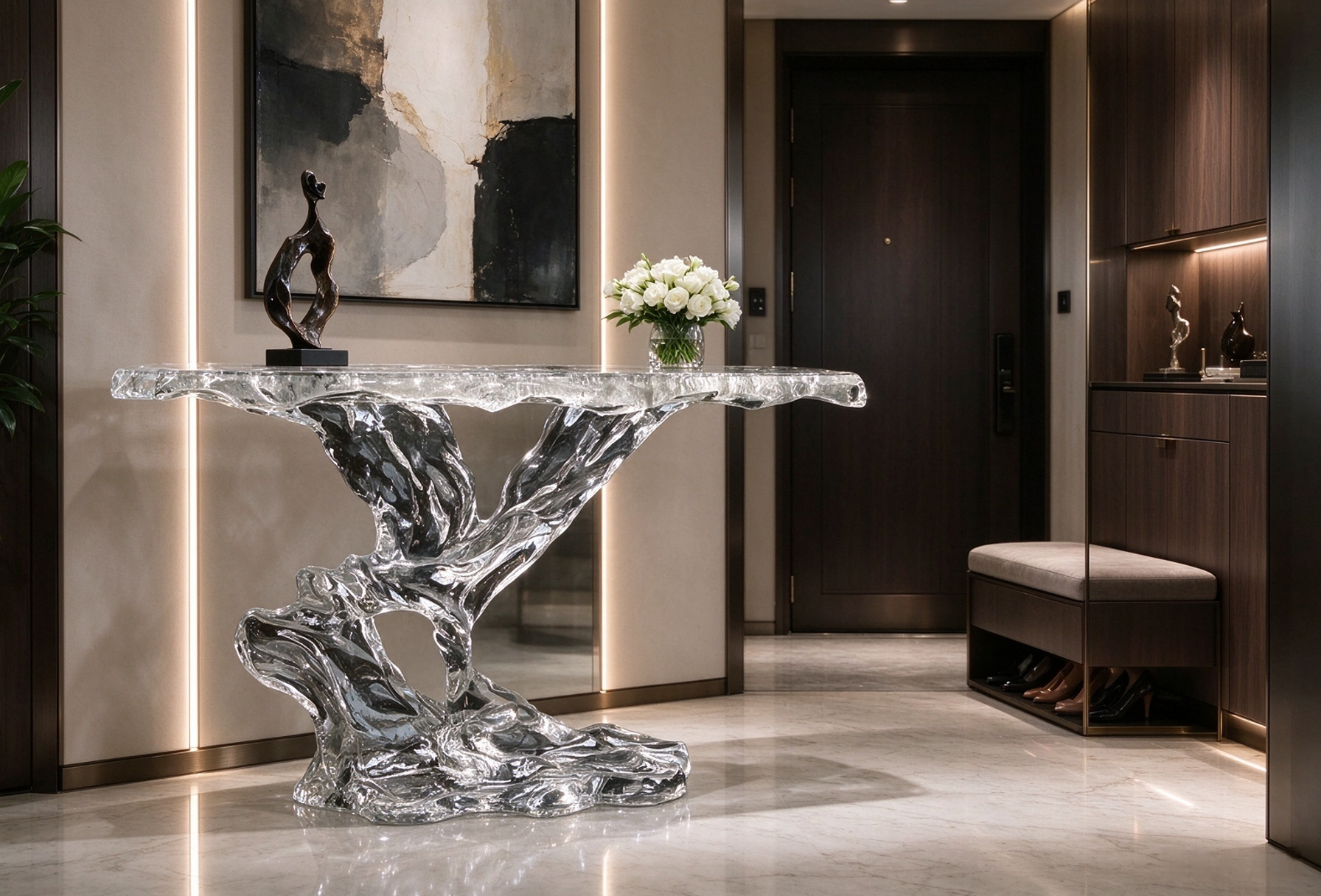
Navigate Cross-Border Logistics and After-Sales Support
Even the most perfectly curated collection can fail if it arrives damaged, late, or without proper installation support. For cross-border B2B orders of high-end furniture, logistics are often the most overlooked pain point for designers, who bear the brunt of client frustration when issues arise. When working with international suppliers, confirm that they have experience shipping to the client’s region, with specialized white-glove delivery and climate-controlled packaging to prevent damage from temperature fluctuations or impact. Negotiate clear terms for damage replacement, including lead times for re-production, and confirm that suppliers can provide on-site installation support for large or complex pieces such as crystal staircases or feature walls. For projects with tight deadlines, ask suppliers to reserve raw material stock at the time of order confirmation to avoid delays caused by material shortages. These steps reduce project risk and allow designers to deliver a seamless client experience from initial concept to final installation.
For interior designers serving global high-end clientele, curating synthetic crystal furniture collections is not just about adding a new material category to your portfolio—it is about solving core pain points that natural materials cannot address, from design consistency to long-term durability. By aligning material specifications with regional needs, vetting suppliers for bespoke capability and compliance, positioning value effectively, and securing robust logistics support, you can deliver unique, high-performing pieces that exceed even the most discerning client expectations.
What has your experience been with sourcing specialty furniture for global luxury projects? Share your insights in the comments below, or feel free to send a direct message to discuss strategies for building a resilient, client-centric supply chain for high-end design.


