High-end hospitality design has long balanced two competing priorities: delivering unforgettable, Instagram-worthy visual experiences, and maintaining operational resilience under 24/7 guest traffic. Recent industry surveys of luxury hotel design teams show a 38% year-over-year increase in specification of alternative stone and crystal materials for public spaces, and synthetic crystal furniture has emerged as one of the fastest-growing segments in this category. For interior designers specializing in premium hospitality projects, this shift is not a fleeting trend—it is a practical response to long-standing pain points that natural stone and crystal have never fully resolved. This piece breaks down the drivers behind the material’s rise, real-world use cases, and actionable guidance for specifying it in upcoming projects.
Aesthetic Versatility That Matches Natural Luxury’s Allure
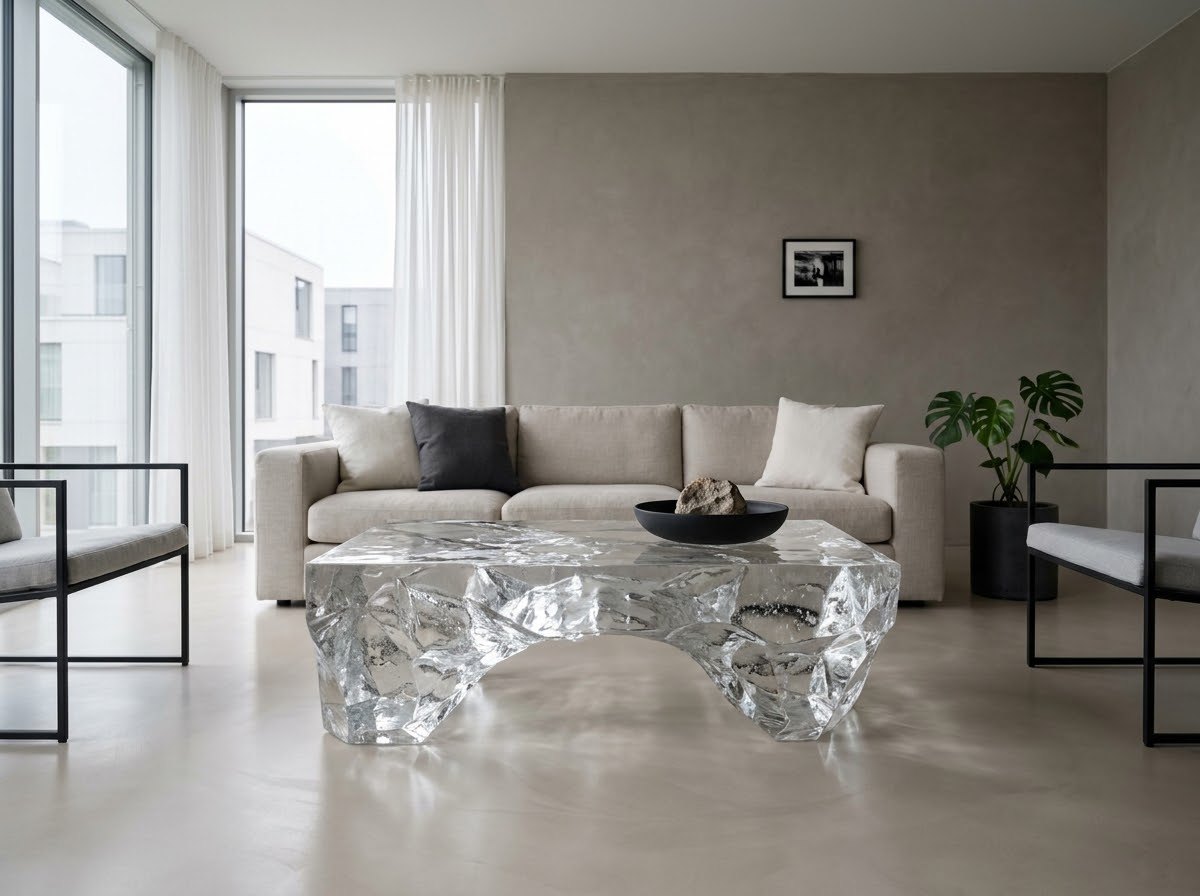
For decades, natural rock crystal was the gold standard for high-end hospitality statement pieces, from lobby reception desks to bar countertops and private dining room tables. Its translucent, light-refracting quality creates a sense of ethereal luxury that few other materials can replicate—but it comes with steep limitations. Natural crystal is rare, inconsistent in veining and clarity, and available only in limited slab sizes, forcing designers to compromise on their vision for large-scale installations.
Synthetic crystal addresses these gaps without sacrificing the premium feel that defines luxury spaces. Produced in controlled factory environments, it can be formulated to match the exact clarity, veining pattern, and color tone of natural crystal, or adjusted to include custom pigments, metallic flecks, or backlight-compatible translucency. For designers working on branded hotel concepts that require consistent visual identity across multiple global locations, this consistency eliminates the risk of material variation between properties. It also enables monolithic installations—such as 12-foot-long continuous bar tops or curved reception desks—that would be logistically impossible and prohibitively expensive with natural crystal.
Operational Durability for High-Traffic Hospitality Environments
Luxury hospitality spaces face unique wear-and-tear challenges: lobby furniture is exposed to luggage scrapes, spilled wine and coffee, constant cleaning with harsh chemicals, and fluctuating humidity levels from outdoor foot traffic. Natural crystal and marble are porous, prone to etching from acidic substances, and prone to chipping at edges under impact—issues that lead to visible wear within 12–18 months of installation, requiring costly refinishing or replacement that disrupts guest experiences.
This durability gap is a primary reason design teams are turning to synthetic crystal for high-use areas. The material has a non-porous surface that resists staining from common hospitality spills, including red wine, citrus juice, and cosmetic products. Its Mohs hardness rating is comparable to quartz, making it far more scratch and chip resistant than natural crystal, and it withstands regular cleaning with commercial-grade disinfectants without dulling its finish. For hotel operators, this translates to 40–60% lower long-term maintenance costs compared to natural stone alternatives, a metric that has become increasingly influential in design specification as hospitality groups tighten operational budgets post-pandemic.
Customization and Sustainability Align With Modern Brand Values
Today’s luxury travelers do not just seek beautiful spaces—they seek spaces that reflect unique brand identity and align with their own sustainability values. Generic, off-the-shelf furniture no longer differentiates five-star properties, and designers are under pressure to deliver one-of-a-kind pieces that also meet ESG (Environmental, Social, and Governance) targets set by hotel ownership groups.
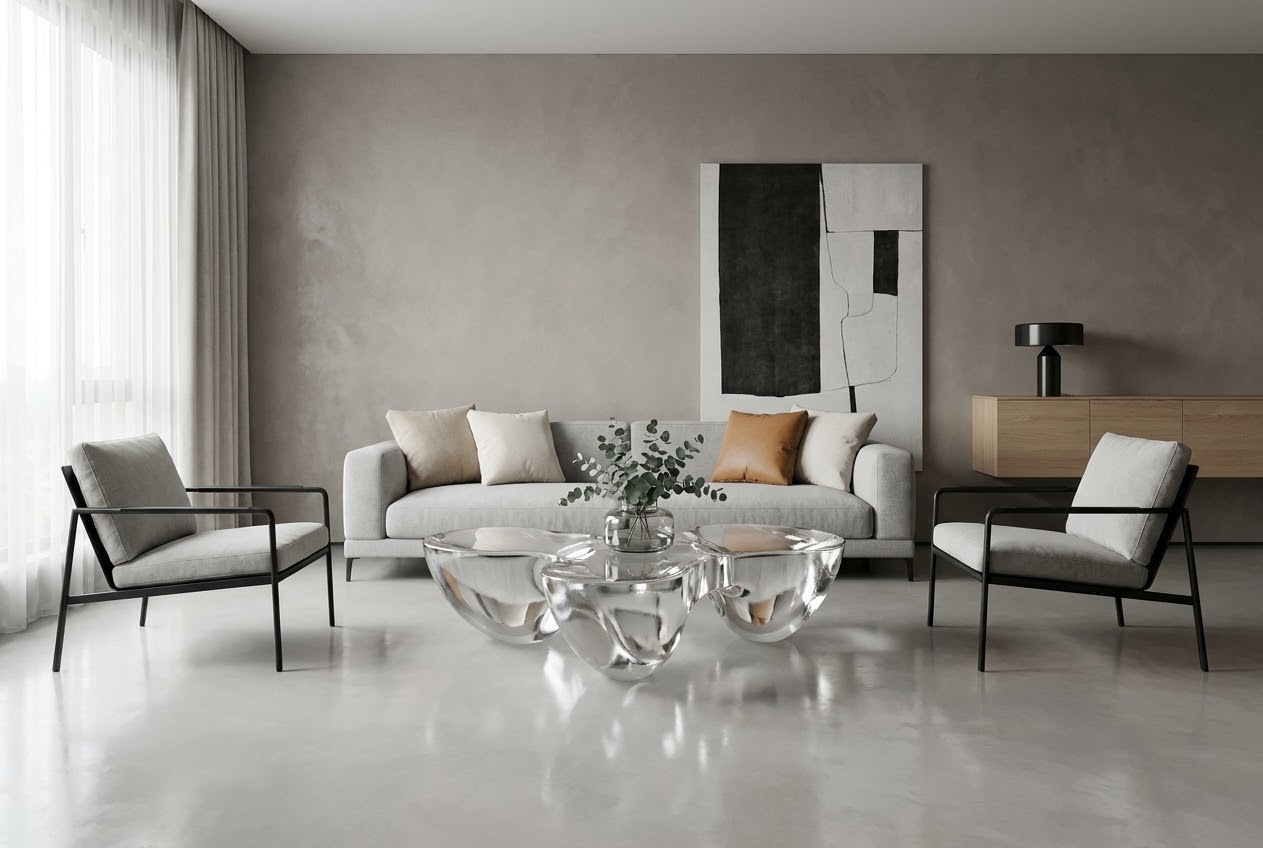
Synthetic crystal excels on both fronts. On the customization side, it can be cast into nearly any shape, thickness, and finish—from matte, textured surfaces for lounge tables to high-gloss, light-diffusing panels for feature walls. Manufacturers can also embed custom elements directly into the material during production: hotel logos, metallic inlays, recycled glass fragments, or even botanical specimens, creating truly bespoke pieces that tell a brand’s story. From a sustainability perspective, many synthetic crystal producers use up to 75% recycled raw material in their formulations, and the material’s 20+ year lifespan reduces replacement waste compared to natural stone options that require frequent refinishing. For designers navigating client requests for eco-certified materials, these attributes make it easy to justify specification without compromising on luxury aesthetics.
Real-World Adoption in Leading Luxury Hospitality Projects
The shift toward this material is not just theoretical—it is already visible in high-profile hospitality openings across Europe, the Middle East, and Southeast Asia. A recent five-star boutique hotel in Lisbon, for example, installed a 10-foot synthetic crystal reception desk with embedded gold flecks and backlighting, designed to mimic the city’s historic tilework while withstanding the wear of 200+ daily guest check-ins. The design team initially specified natural rock crystal for the piece, but switched after learning the natural option would require three separate slabs with visible seams, and would cost 2.5 times more.
In a luxury beach resort in the Maldives, design teams used synthetic crystal for outdoor poolside bar tops and villa side tables, opting for the material because it resists saltwater corrosion and UV fading—two issues that would degrade natural crystal and marble within three years of coastal exposure. The resort’s operations team reported zero visible wear on the pieces after 18 months of use, compared to a 30% damage rate on natural stone furniture in the property’s older wing.
Practical Guidance for Designers Specifying the Material
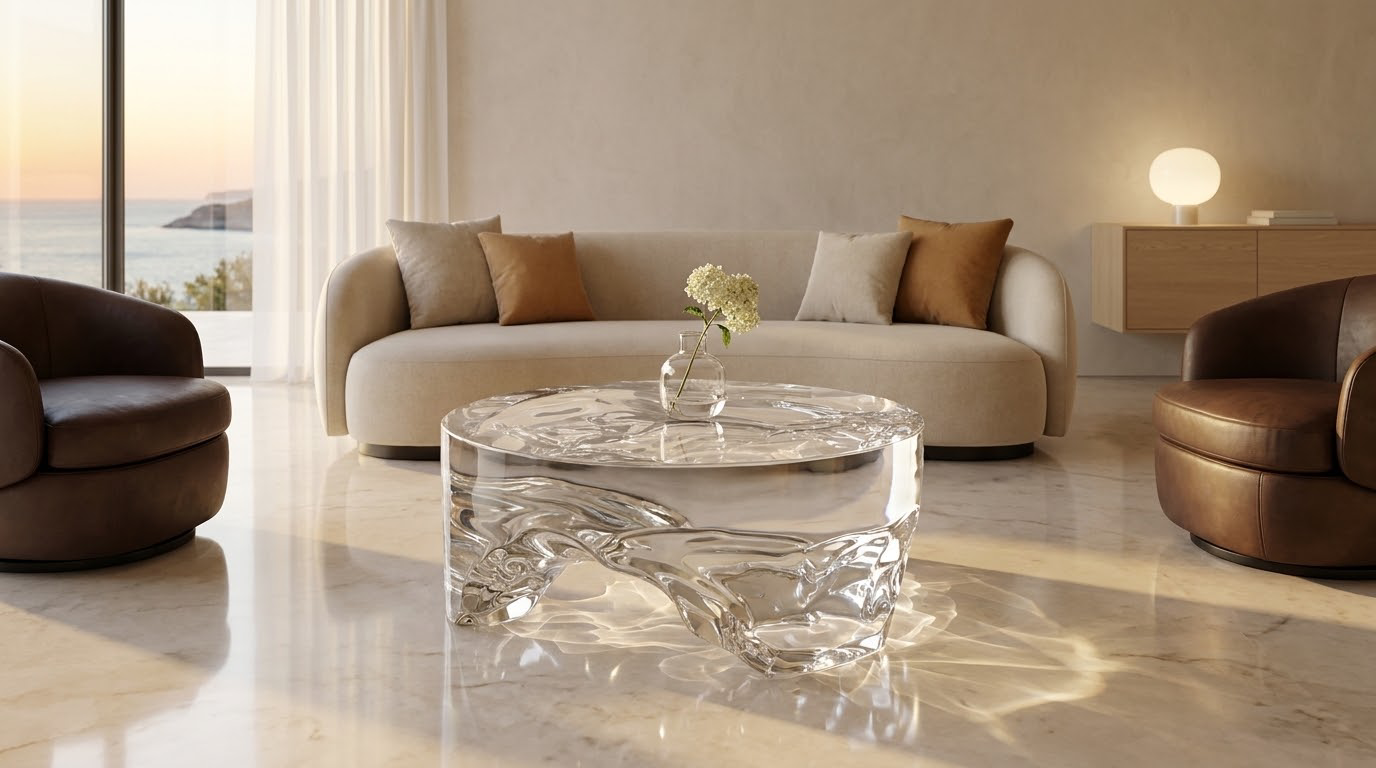
For interior designers considering synthetic crystal for upcoming hospitality projects, there are three key best practices to ensure successful outcomes. First, request physical samples in both matte and gloss finishes, and test them with common hospitality stains and cleaning products to validate performance claims for your specific use case. Second, work with manufacturers that offer full custom tooling and have experience with hospitality-grade certifications, including fire resistance ratings required for public commercial spaces. Third, align with your client’s operations team early in the design process to highlight long-term maintenance savings, which can help justify higher upfront material costs compared to lower-end stone alternatives.
As luxury hospitality design continues to evolve, the rise of synthetic crystal furniture reflects a broader shift toward materials that deliver on both aesthetic ambition and operational practicality. For designers, it is a tool that unlocks creative possibilities that were once out of reach with natural materials, while solving the long-standing pain points of high maintenance and inconsistent quality that have plagued high-end stone specification for decades.
What has your experience been with alternative luxury materials in hospitality design? Have you tested synthetic crystal in recent projects, or do you have questions about its suitability for specific use cases? Share your thoughts in the comments below, or feel free to send a direct message to dive deeper into specification strategies for high-end B2B hospitality projects.


