For luxury interior designers navigating the $200 billion global high-end residential design market, balancing client demands for exclusivity, durability, and design flexibility has become an increasingly complex challenge. A growing number of premium studios are turning to synthetic crystal furniture as a solution that bridges aesthetic ambition and practical project constraints, particularly for bespoke residential and hospitality spaces where every detail contributes to a brand’s perceived value.
Unmatched Design Customization for Bespoke Client Visions
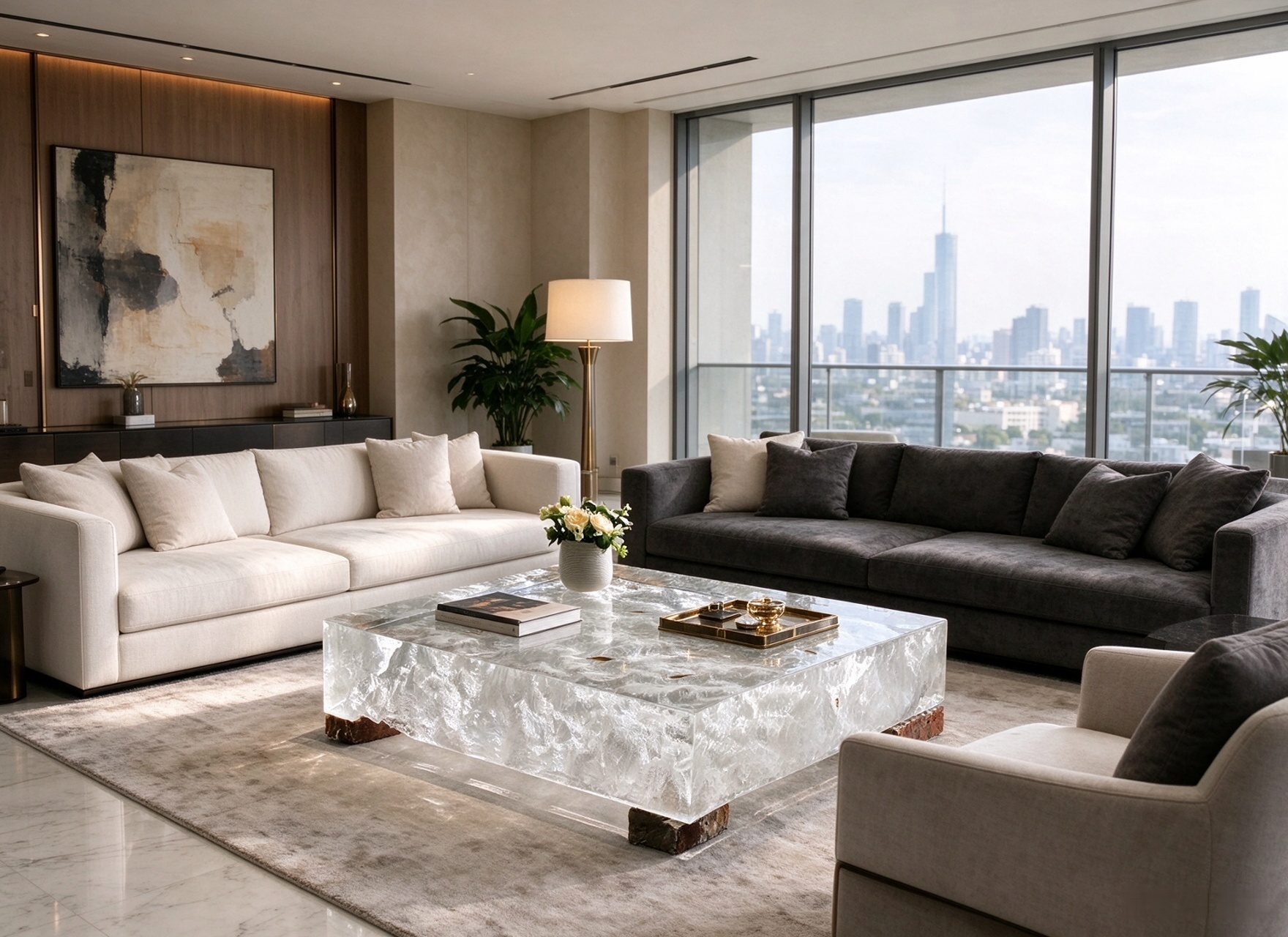
One of the most persistent pain points for luxury designers is translating a client’s unique creative vision into tangible, scalable furniture pieces, especially when working with rare natural materials that have inherent limitations in color, shape, and size. Synthetic crystal furniture eliminates many of these barriers by allowing for precise control over material properties, from hue and transparency to structural form, without compromising the premium look and feel of natural crystal. Unlike natural crystal, which is limited by geological formations and often requires extensive hand-carving that can extend lead times by 12–16 weeks, engineered crystal can be cast into custom molds to fit exact spatial specifications—whether a curved dining table base for a penthouse dining room or a modular shelving system for a boutique hotel lobby. This level of customization enables designers to deliver truly one-of-a-kind pieces that align perfectly with a project’s overall design narrative, rather than adjusting the vision to fit the constraints of available natural materials. For B2B design firms working with high-net-worth clients who prioritize exclusivity, this capability directly translates to higher client satisfaction and stronger word-of-mouth referrals.
Durability and Performance for High-Traffic Luxury Spaces
Luxury design does not exist solely for aesthetic display; high-end hospitality spaces, residential common areas, and commercial premium interiors all require furniture that can withstand regular use without losing its visual appeal. Natural crystal, while beautiful, is prone to chipping, scratching, and discoloration from UV exposure and everyday wear—issues that can lead to costly repairs or replacements for clients and reputational risks for design firms. Synthetic crystal furniture addresses this performance gap by being engineered to meet commercial-grade durability standards, with higher resistance to impact, scratching, and UV fading than its natural counterpart. Independent material testing reports from global design material research bodies note that engineered crystal surfaces maintain their original finish 2–3 times longer than natural crystal in high-traffic environments, reducing long-term maintenance costs for property owners. For designers working on hospitality or mixed-use luxury projects where longevity is a core client requirement, this performance advantage makes synthetic crystal a practical yet still luxurious alternative to traditional high-end materials. It also allows designers to specify statement pieces in areas where natural crystal would be too fragile to be functional, expanding the range of creative possibilities for hard-wearing premium spaces.
Cost Predictability and Supply Chain Reliability for B2B Projects
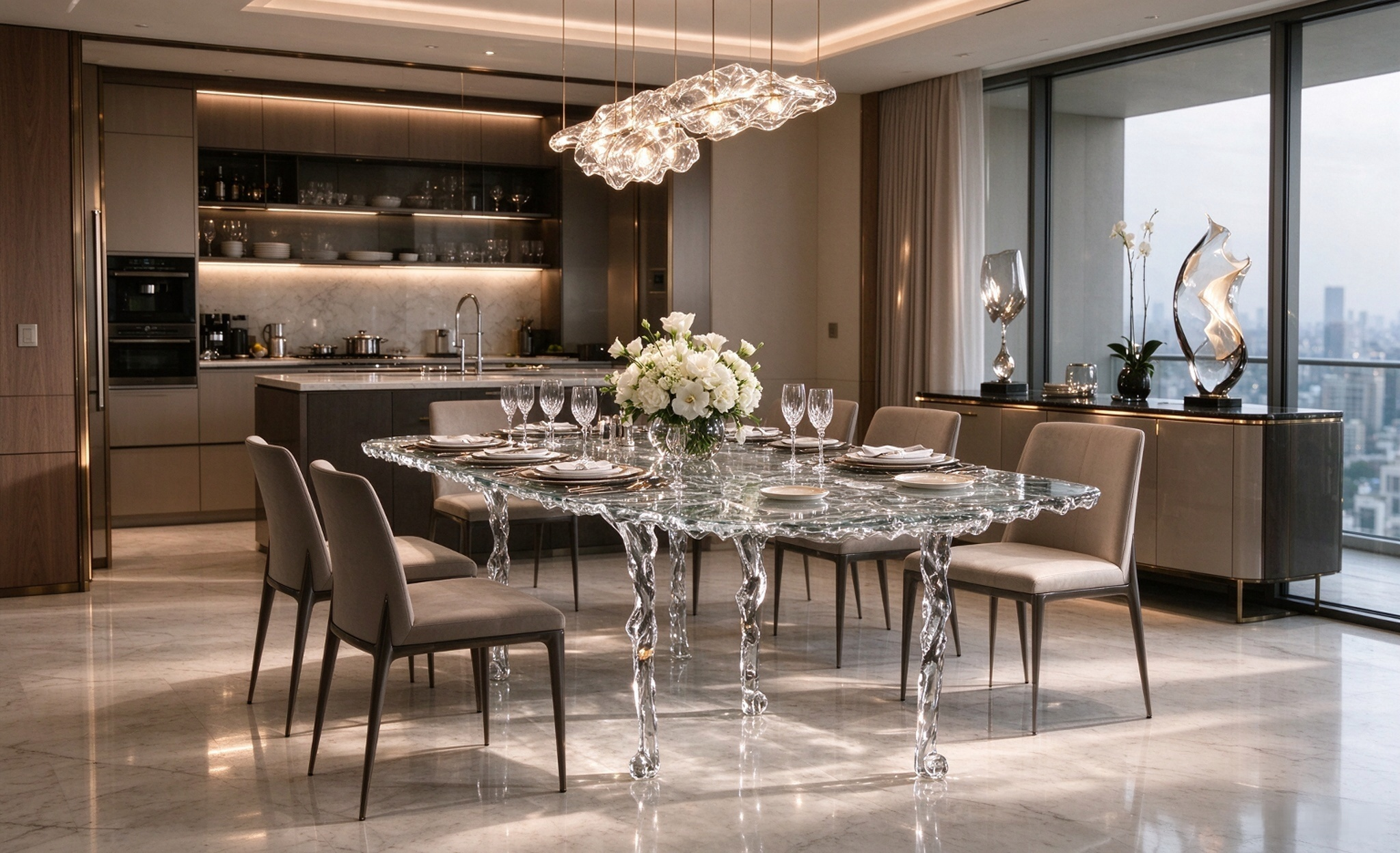
B2B luxury design projects live or die by budget adherence and timeline reliability, and supply chain volatility for rare natural materials has become a top risk for design firms over the past five years. Natural crystal pricing can fluctuate by 30–50% year-over-year due to mining limitations, export restrictions, and global demand for high-quality specimens, making it difficult for firms to provide accurate project quotes to clients. Lead times can also be unpredictable, with rare pieces sometimes delayed by months due to sourcing challenges. Synthetic crystal furniture offers a far more stable supply chain and pricing structure, as production is not tied to geological resource availability or geopolitical trade barriers. Manufacturers of engineered crystal furniture typically offer fixed pricing for custom orders and consistent lead times of 4–6 weeks for standard bespoke pieces, allowing design firms to plan projects with greater confidence and avoid budget overruns that can strain client relationships. For B2B design teams managing multiple high-end projects simultaneously, this predictability is not just a convenience—it is a strategic advantage that improves operational efficiency and profitability. It also reduces the risk of project delays that could lead to penalty clauses in commercial hospitality contracts, a critical consideration for firms working with large hotel and retail brands.
Industry Adoption and Practical Implementation Tips
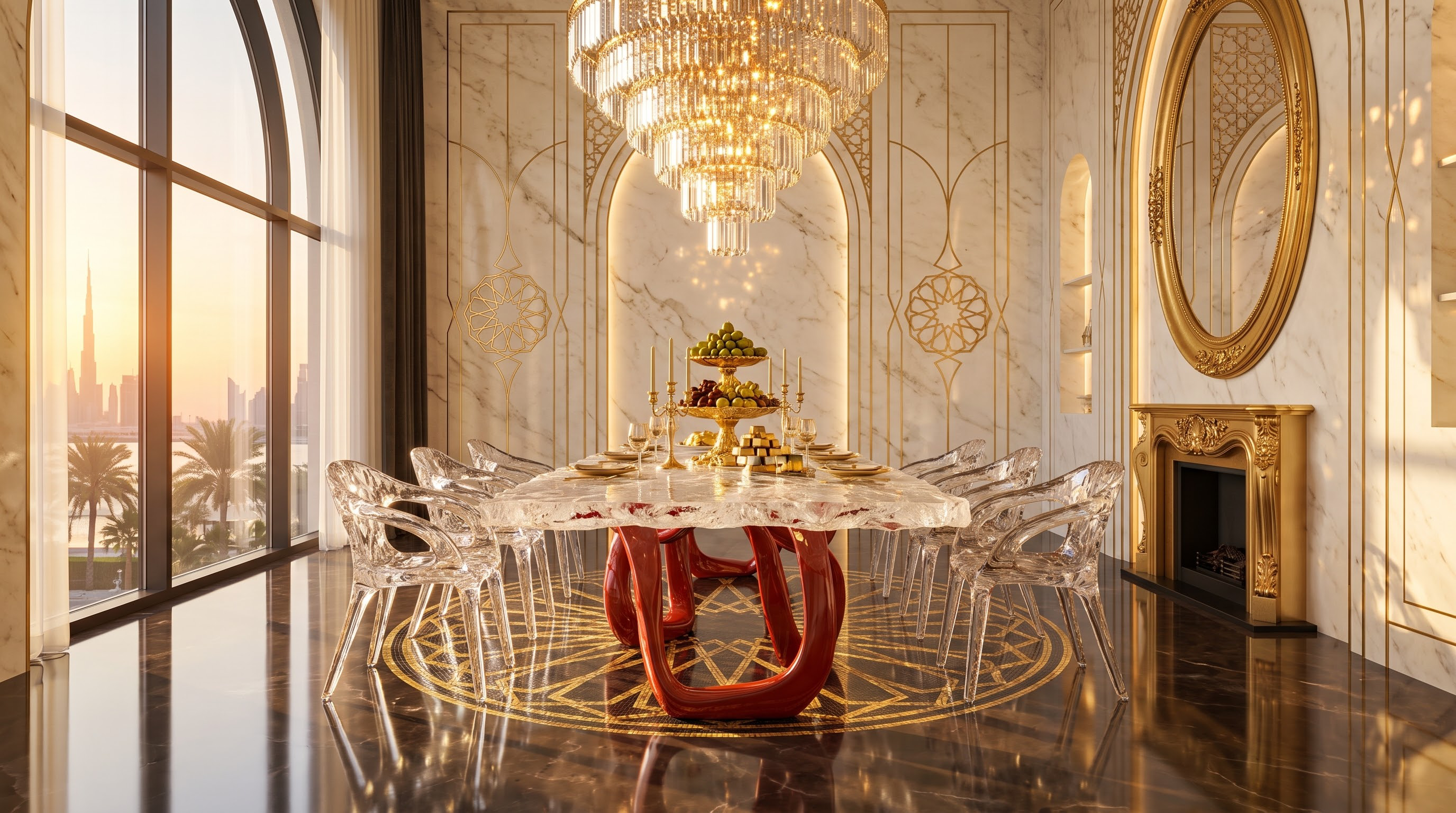
Adoption of synthetic crystal furniture in the luxury design sector has grown steadily over the past three years, with 28% of top 100 global interior design firms now specifying engineered crystal pieces in at least one premium project per year, according to annual industry surveys from leading interior design publications. Common applications include dining tables, accent chairs, lighting fixtures, and decorative wall panels, where the material’s luminous quality adds a sense of depth and sophistication to a space. For designers looking to integrate these pieces into their projects, there are several best practices to follow. First, request physical material samples from suppliers to assess how the crystal interacts with different lighting conditions, as the material’s transparency can shift dramatically between natural daylight and artificial ambient light. Second, collaborate closely with manufacturers early in the design process to leverage their engineering expertise—many suppliers offer in-house design support to help optimize custom pieces for both form and function. Third, educate clients on the unique benefits of engineered crystal, framing it as a modern, sustainable alternative to natural stone that does not sacrifice luxury, rather than a lower-cost substitute.
As the luxury interior design market continues to evolve, with clients increasingly demanding both exclusivity and practicality, synthetic crystal furniture is positioned to become a staple in high-end B2B design projects. Its combination of customization, durability, and supply chain reliability addresses three of the most pressing pain points facing design firms today, while still delivering the premium aesthetic that defines luxury spaces. For designers looking to differentiate their services and deliver exceptional value to high-end clients, exploring the potential of engineered crystal furniture is a strategic step worth taking.
What has been your experience with innovative premium materials in luxury design projects? Share your insights in the comments below, or feel free to send a direct message to discuss how synthetic crystal solutions could fit into your upcoming B2B design initiatives.


