For high-end interior designers sourcing statement pieces for ultra-luxury residential and hospitality projects, the enduring appeal of natural crystal furniture has long been paired with persistent pain points: limited supply of large, flaw-free slabs, exorbitant lead times, and growing client demand for ethically sourced materials. A 2023 luxury interiors industry report noted that 62% of top-tier design firms have explored alternative stone and crystal materials to meet project timelines, and synthetic crystal has emerged as one of the most discussed options in premium furniture specification. This analysis breaks down the performance, aesthetic, and practical tradeoffs between the two materials to help designers make informed decisions for their most discerning clients.
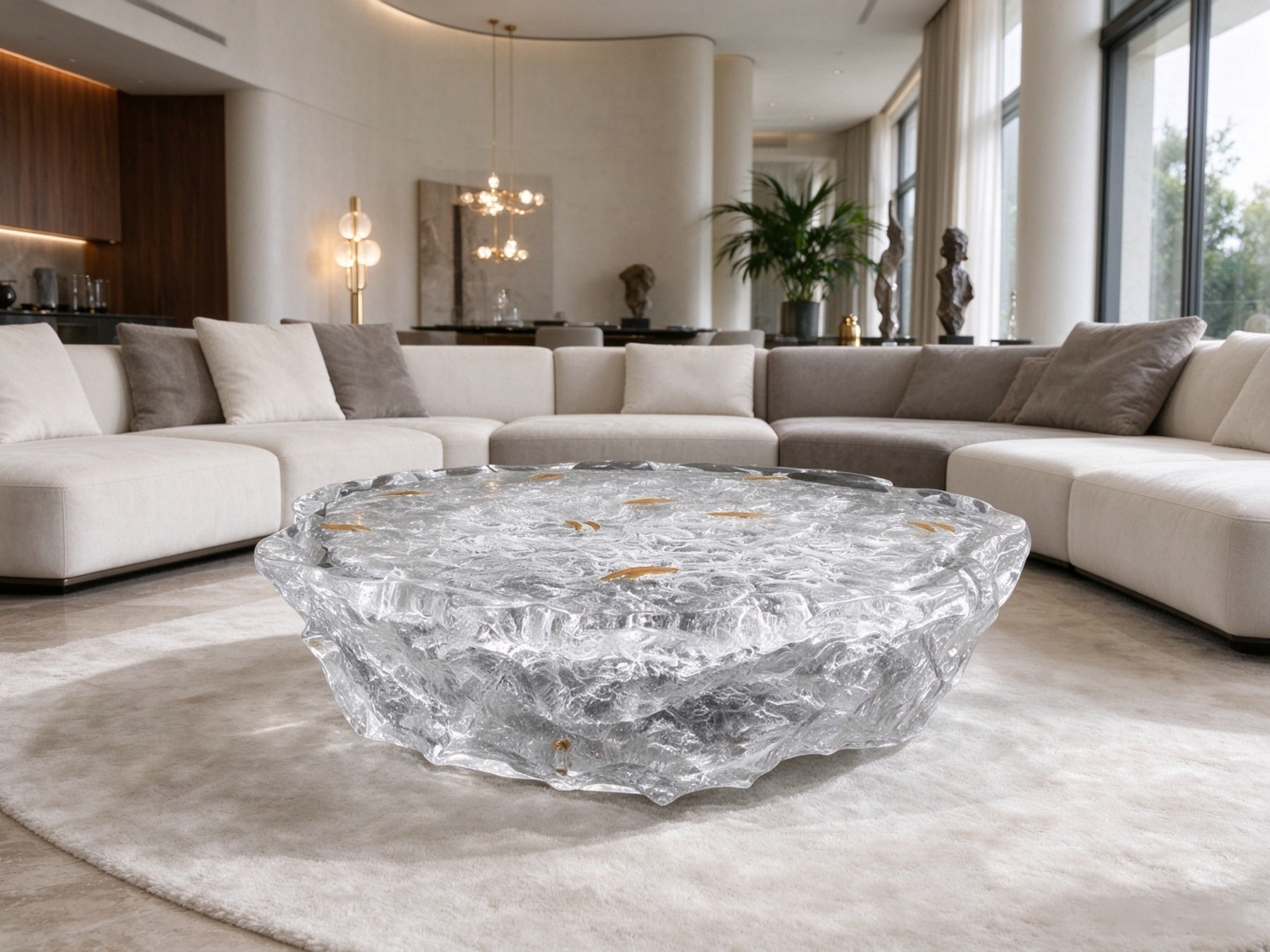
Aesthetic Parity: Can Engineered Materials Deliver Natural Depth?
The primary concern among designers evaluating synthetic crystal furniture is whether it can replicate the unique visual depth that makes natural crystal a coveted statement piece. Natural crystal’s allure stems from its organic inclusions, subtle color variations, and light-refracting patterns formed over millions of years—traits long thought impossible to replicate artificially.
Recent advances in crystal growth technology have narrowed this gap significantly. Modern manufacturing processes can produce large-format crystal slabs with consistent clarity, controlled color saturation, and light refraction properties that are nearly indistinguishable from high-grade natural crystal to the untrained eye. For projects requiring uniform appearance across multiple pieces—such as a full dining set or a series of accent tables for a luxury hotel suite—engineered crystal offers a level of consistency that natural stone cannot match, as natural deposits often have unpredictable veining and inclusion patterns.
That said, for clients who prioritize the unique, one-of-a-kind nature of natural materials, even the most advanced engineered products may fall short. Top-tier collectors often seek out pieces with distinct inclusions or rare color formations as a marker of exclusivity, a demand that only natural crystal can fulfill. Designers should assess whether the project’s core value lies in visual uniformity or organic uniqueness when specifying materials.
Practical Performance: Durability, Maintenance, and Project Feasibility
Beyond aesthetics, the functional performance of furniture materials is a critical consideration for high-traffic luxury spaces, from boutique hotel lobbies to high-end residential dining areas. Natural crystal, while visually striking, is a porous, relatively soft material that is prone to scratching, staining from acidic substances, and chipping under impact. It also requires regular sealing and specialized cleaning to maintain its appearance, a maintenance burden that many commercial and residential clients are reluctant to take on.
Synthetic crystal furniture addresses many of these practical limitations. Engineered crystal is non-porous, resistant to most household stains, and has a higher hardness rating than most natural crystal varieties, making it far more suitable for high-use spaces. It also eliminates the supply chain volatility that plagues natural crystal: large natural crystal slabs suitable for furniture production are extremely rare, with lead times for custom pieces often stretching to 12–18 months. Engineered crystal can be produced in custom sizes and shapes within 8–12 weeks for most premium orders, a critical advantage for projects with tight deadlines.
For B2B suppliers working with international design firms, the consistent quality and reliable lead times of engineered crystal also reduce the risk of project delays and client dissatisfaction, a key selling point for firms that manage multiple high-stakes projects across regions.
.png)
Sustainability and Ethical Sourcing: A Growing Priority for Luxury Clients
Over the past five years, 71% of high-net-worth interior design clients have prioritized ethically and sustainably sourced materials in their project briefs, according to a 2024 luxury consumer behavior study. Natural crystal mining, like many extractive industries, carries environmental and social risks: habitat disruption, high water usage, and limited transparency in supply chains for artisanal mining operations in major producing regions.
Synthetic crystal offers a more traceable alternative for designers looking to meet sustainability targets. Most premium engineered crystal is produced in controlled manufacturing facilities with transparent supply chains, and many leading manufacturers use recycled raw materials and closed-loop water systems to reduce environmental impact. For clients who want the look of crystal without the ethical concerns associated with mining, engineered crystal provides a compelling middle ground that aligns with luxury sustainability standards.
Critics note that engineered crystal production is energy-intensive, as the crystal growth process requires high temperatures over extended periods. However, many top manufacturers are transitioning to renewable energy sources to power their facilities, reducing the carbon footprint of their products to levels comparable to, or lower than, mined natural crystal when accounting for transportation and processing emissions.
Real-World Application: A Case Study in Luxury Hospitality Specification
To illustrate these tradeoffs in practice, consider a 2023 luxury boutique hotel project in the Maldives, where the design team initially specified natural crystal coffee tables and reception desks for the property’s overwater villas and public spaces. Six months into the project, the team learned that the large natural crystal slabs they had sourced had developed unexpected fractures during cutting, pushing the project timeline back by four months and increasing costs by 35%.
The team ultimately switched to premium synthetic crystal pieces for 80% of the public and guest room spaces, reserving a small number of rare natural crystal accent pieces for the hotel’s signature presidential suite. The result was a project delivered on schedule, with 22% lower material costs, and guest feedback that highlighted the “stunning crystal features” as a standout design element—with most guests unable to distinguish between the engineered and natural pieces.
For the design firm, the experience shifted their specification approach: they now use engineered crystal for most large-format furniture pieces in high-traffic luxury hospitality projects, reserving natural crystal for small, high-impact accent pieces where unique organic character is a core client requirement.
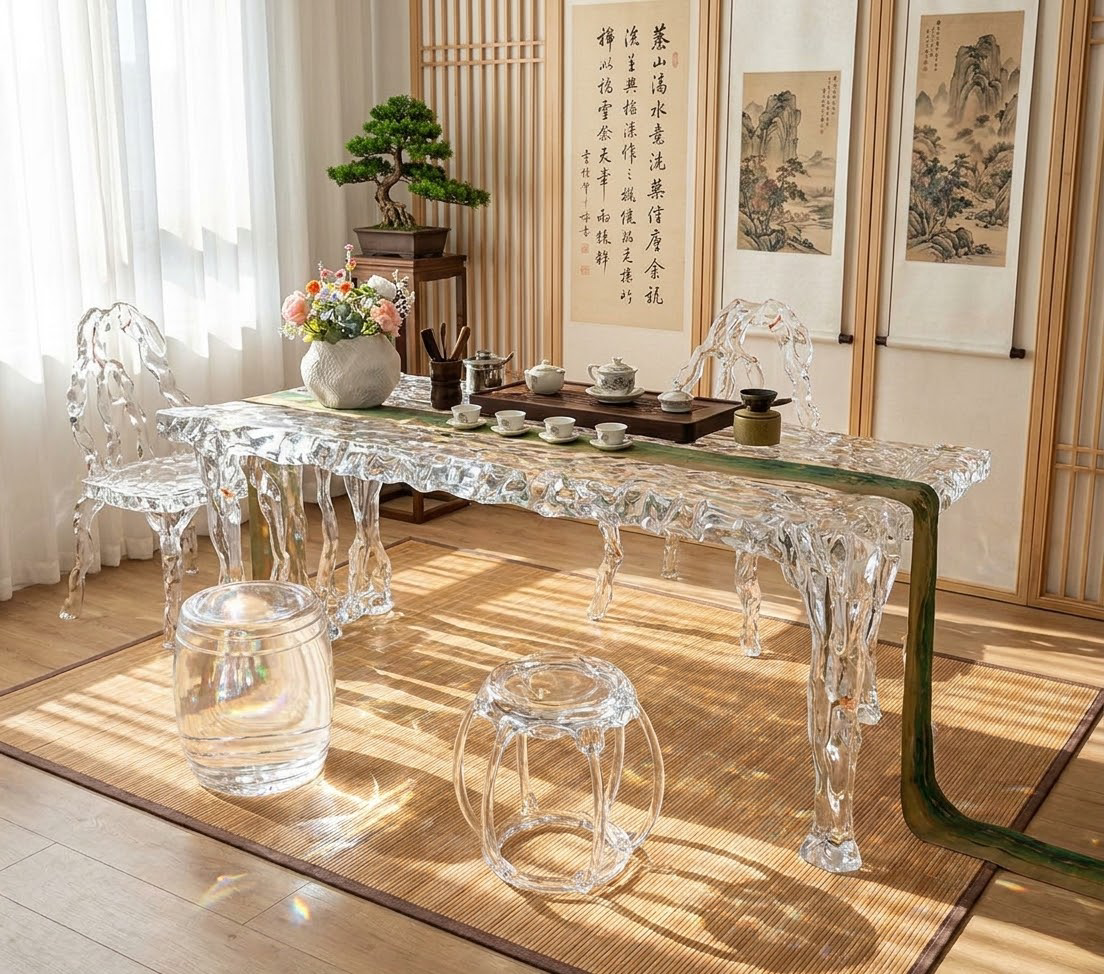
Practical Guidance for Designers Specifying Crystal Furniture
When evaluating whether to specify synthetic or natural crystal furniture for a luxury project, start by aligning material choice with the project’s core priorities. For clients focused on exclusivity and collectibility, natural crystal remains the gold standard, but be prepared to build extended lead times and higher maintenance requirements into the project brief. For projects with tight timelines, high traffic levels, or sustainability mandates, engineered crystal is a high-performance alternative that delivers comparable visual impact without the practical limitations of natural stone.
When sourcing synthetic crystal furniture from B2B suppliers, always request physical samples of the material in both natural and artificial light to assess its refraction and color properties. Look for suppliers that offer third-party durability and sustainability certifications, and ask for references from past luxury projects to verify product quality and supply chain reliability.
As the luxury interiors industry continues to evolve, synthetic crystal is no longer a “budget alternative” to natural crystal—it is a high-performance material in its own right, with unique advantages that make it a valuable addition to any designer’s material library. The choice between the two is not a matter of which is “better,” but which best aligns with the specific goals, constraints, and values of each individual project.
I’d love to hear from fellow interior designers and industry professionals: have you specified engineered crystal furniture in luxury projects? What were the biggest surprises or challenges you encountered? Share your thoughts in the comments below, or feel free to send a direct message to discuss material specification strategies for high-end projects in more detail.


