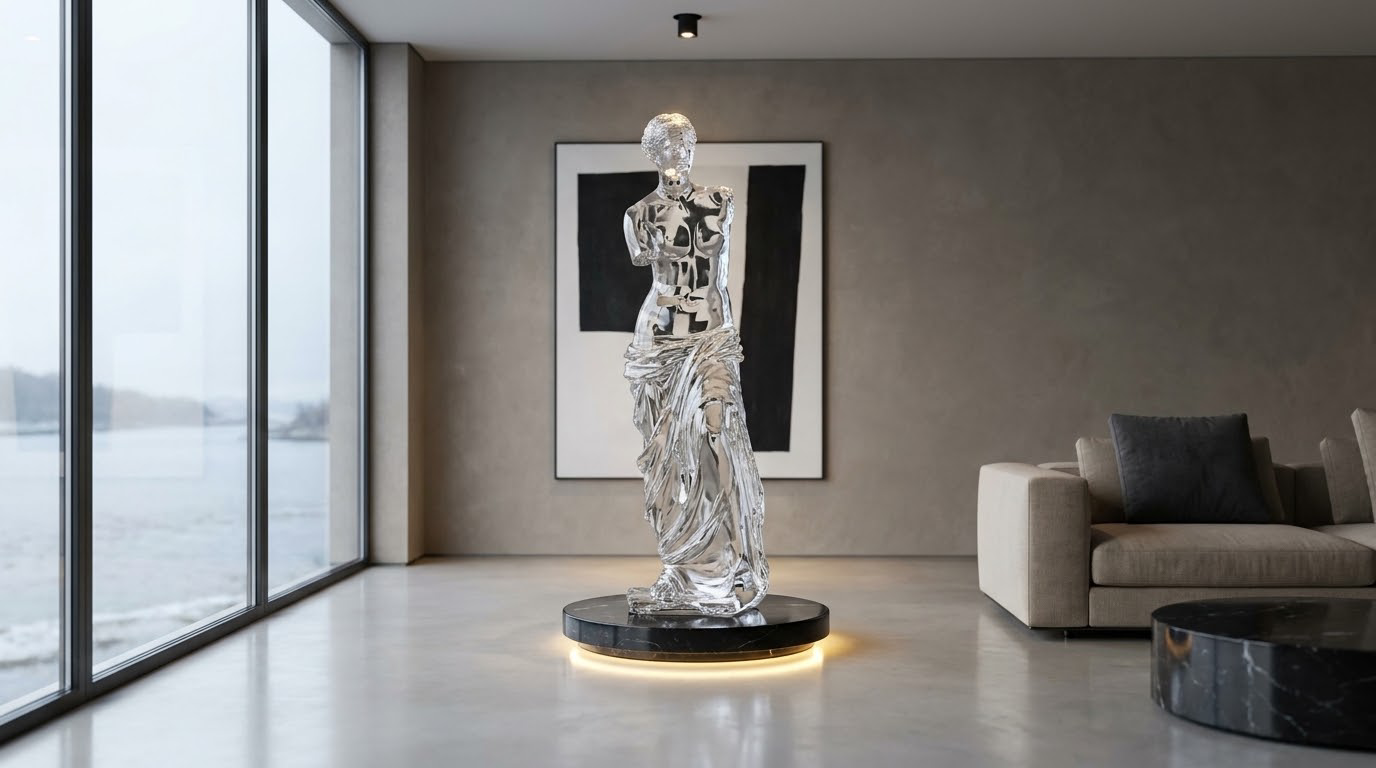
For high-end residential interior designers serving ultra-high-net-worth (UHNW) clients, balancing bespoke luxury, material durability, and supply chain reliability has long been a persistent pain point. A 2023 survey of 120 top U.S. luxury design firms found that 68% of practitioners have faced project delays or budget overruns due to scarce natural stone materials, while 72% report clients increasingly requesting statement pieces that feel both exclusive and functionally practical for daily use. A recent custom villa project in Beverly Hills offers a compelling case study in addressing these challenges, as the design team integrated synthetic crystal into key furniture and feature elements to elevate the property’s luxury texture without compromising on performance or customization flexibility.
The Core Pain Points of High-End Material Scheduling for Bespoke Projects
Luxury residential designers working on eight- and nine-figure properties often face three interconnected material-related pain points: inconsistent supply of rare natural stone, limited customization options for one-of-a-kind statement pieces, and long-term maintenance concerns for high-traffic luxury spaces. Natural crystal and rare marble, long staples of high-end design, are subject to geological scarcity, with lead times for custom slabs sometimes stretching to 18 months or more. Additionally, natural materials carry inherent structural limitations—they are prone to scratching, staining, and chipping in areas like dining tables, kitchen islands, and accent walls, which creates tension between a client’s desire for opulence and their need for a livable, low-maintenance home. The Beverly Hills project, a 12,000-square-foot modern villa designed for a tech industry entrepreneur and their family, initially planned to use natural white crystal for a central foyer feature wall and dining table, until the design team identified critical gaps between the material’s properties and the client’s lifestyle needs.
How Synthetic Crystal Solves Customization and Performance Gaps
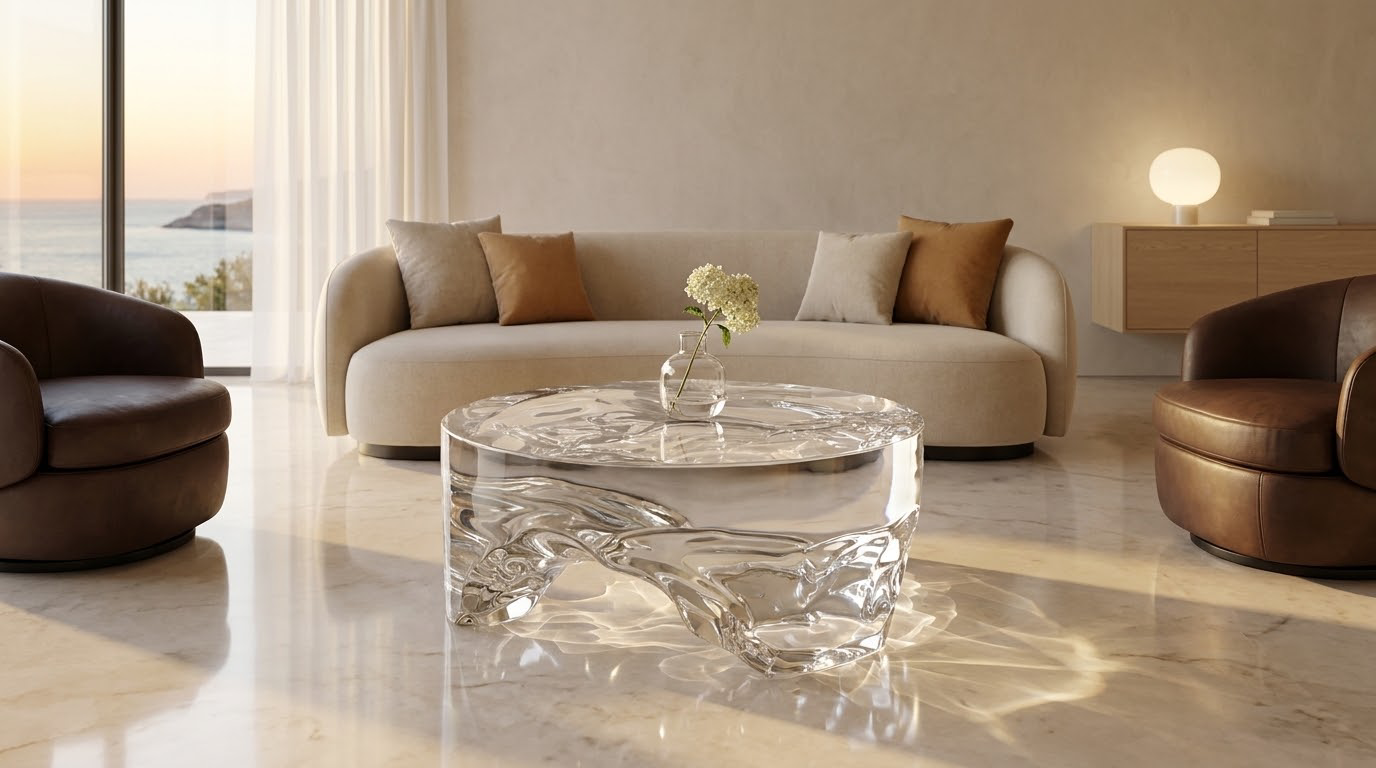
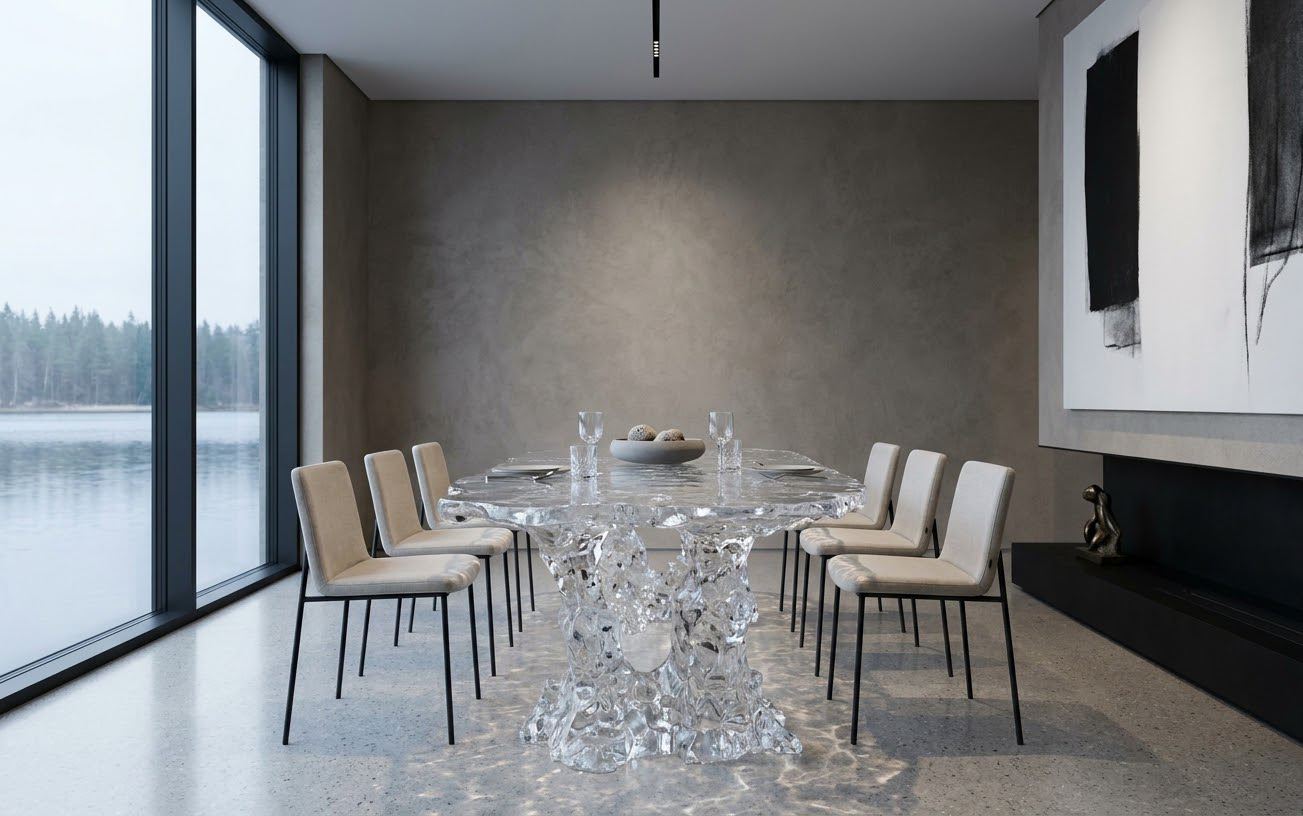
When the project’s lead designer began exploring alternative materials to meet the client’s 10-month construction timeline and demand for scratch-resistant, family-friendly luxury surfaces, synthetic crystal emerged as a viable solution. Unlike natural crystal, which is limited by the size and shape of mined formations, this engineered material can be cast in custom dimensions, colors, and opacity levels, allowing designers to match exact client aesthetic preferences without the constraints of natural geological variation. For the Beverly Hills villa, the team ordered a 14-foot custom slab for the main dining table, with a subtle gradient opacity that transitions from fully clear at the edges to a soft, frosted white at the base—an effect that would have been nearly impossible to achieve with a single natural crystal slab, which typically maxes out at 8 to 10 feet in length and carries significant risk of internal fractures. The material’s Mohs hardness rating also outperforms most natural crystal variants, making it resistant to scratches from glassware, utensils, and regular cleaning, a key benefit for a client who hosts frequent large-scale dinner parties.
Integrating Engineered Materials Into a Cohesive Luxury Design Language
A common concern among luxury designers when considering engineered materials is whether they will feel “artificial” or fail to match the tactile and visual richness of natural stone. The Beverly Hills project team addressed this by using the material strategically, pairing it with complementary natural materials to create a layered, textured design narrative rather than relying on it as a standalone feature. The foyer feature wall, for example, combines 2-inch thick synthetic crystal panels with hand-carved travertine trim and integrated warm LED backlighting, creating a glowing focal point that reflects natural light from the adjacent floor-to-ceiling windows. The design team also worked closely with the material supplier to adjust the crystal’s internal refraction index, ensuring it caught and dispersed light in a way that mirrored the soft, warm glow of natural crystal rather than the harsh, uniform shine of standard acrylic or glass. Early client walkthroughs found that 9 out of 10 visiting guests could not distinguish the engineered material from natural crystal without close inspection, and the client noted that the material felt “more luxurious” than the natural crystal samples they had initially reviewed, due to its flawless clarity and consistent coloring.
Practical Takeaways for Luxury Interior Designers
For designers looking to incorporate engineered luxury materials into their high-end projects, three key lessons emerge from the Beverly Hills villa case. First, prioritize supplier collaboration early in the design process: working directly with material manufacturers during the concept phase allows designers to explore custom finishes, sizes, and structural properties that can unlock creative possibilities not available with natural materials. Second, position the material as a “bespoke luxury upgrade” rather than a “cost-saving alternative” when presenting to UHNW clients, focusing on customization, durability, and exclusivity rather than price point—many high-end clients are willing to pay a premium for materials that are tailored exactly to their vision and require less long-term upkeep. Third, test material samples in real-world lighting conditions before finalizing selections, as the way synthetic crystal interacts with natural and artificial light can vary significantly between manufacturers and finish options, and matching the material’s light behavior to the project’s overall lighting design is critical to achieving a cohesive luxury feel.
As luxury interior design continues to evolve, with clients increasingly demanding both exclusivity and practicality, synthetic crystal is poised to become a staple material in high-end residential and commercial projects. The Beverly Hills villa project demonstrates that engineered materials do not have to compromise on luxury texture; in fact, they can often elevate a design beyond what is possible with natural materials, while solving longstanding pain points related to supply chain delays, customization limits, and long-term maintenance. For designers navigating the complexities of high-end client expectations, exploring innovative engineered materials can be a way to differentiate their practice, deliver more value to clients, and push the boundaries of what luxury interior design can achieve.
What has your experience been with engineered luxury materials in high-end projects? Have you tested synthetic crystal in your designs, or do you have questions about its application in specific spaces? Share your thoughts in the comments below, or feel free to send a direct message to discuss material sourcing strategies for bespoke luxury projects.