For luxury interior designers working on high-end residential projects, the pressure to deliver one-of-a-kind, durable, and ethically sourced statement pieces has never been higher. A 2023 global luxury home design survey found that 68% of high-net-worth clients now prioritize both visual exclusivity and material sustainability in their renovation briefs, creating a delicate balancing act for design professionals. As natural stone and crystal supplies face growing environmental and supply chain constraints, synthetic crystal has emerged as a viable alternative that bridges aesthetic ambition and practical feasibility. This article explores how designers can seamlessly integrate these pieces into cohesive high-end residential design systems, addressing common pain points from material consistency to long-term maintenance.
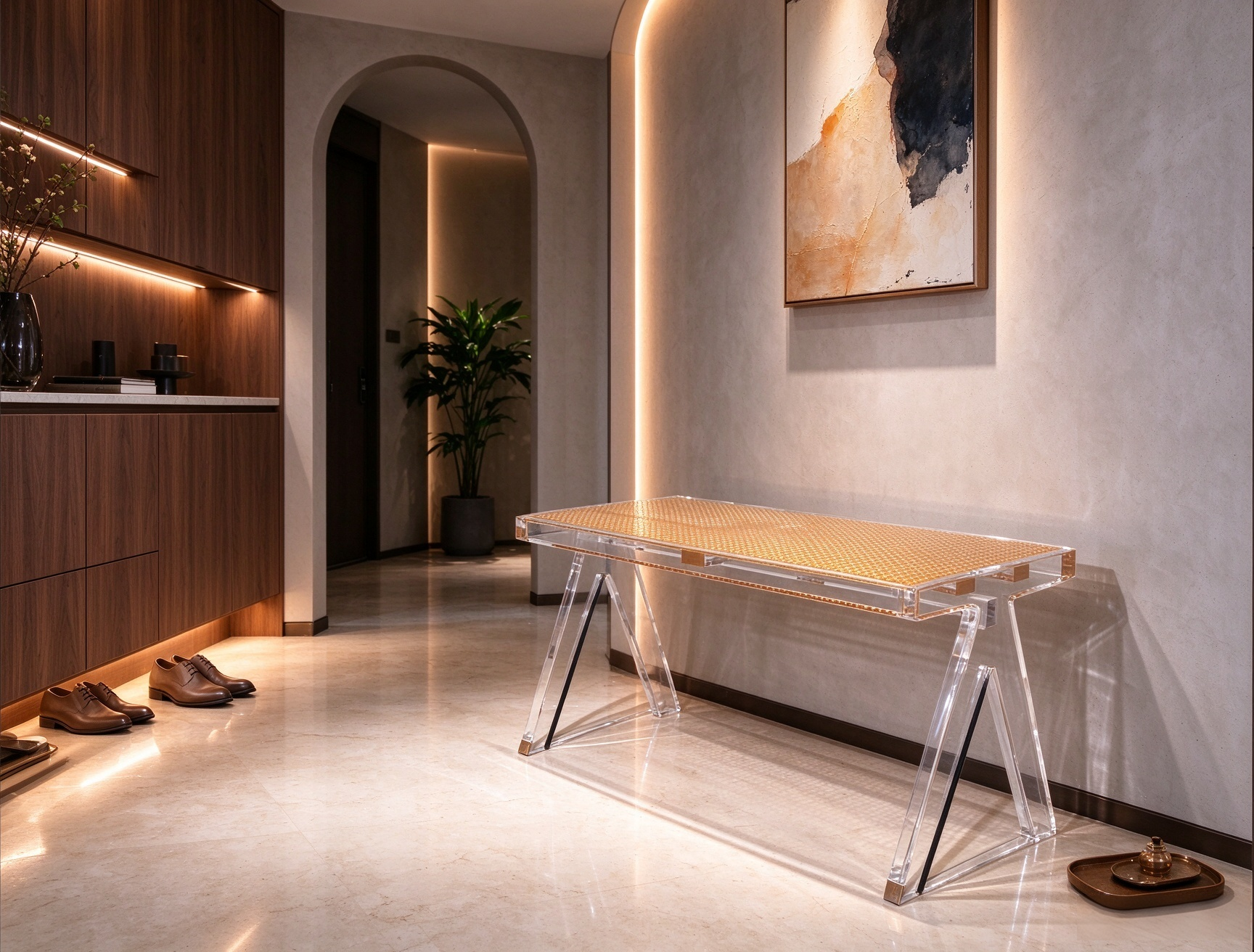
Aligning Material Properties with Design Intent
The first challenge in incorporating new luxury materials is ensuring they align with the core narrative of a residential space. Unlike natural crystal, which varies widely in clarity, color saturation, and structural integrity from slab to slab, synthetic crystal offers controlled uniformity that lets designers execute precise visual concepts. For example, a designer working on a minimalist Beverly Hills villa might require a dining table with a perfectly clear, bubble-free tabletop that refracts light in a predictable way to complement floor-to-ceiling glazing. With natural crystal, matching this specification would require sourcing multiple rare slabs and extensive hand-finishing, often leading to 12–16 week lead times and 20–30% cost overruns. Synthetic variants, by contrast, can be formulated to exact clarity and tint specifications, allowing designers to lock in material details early in the project timeline and reduce client approval cycles. This consistency also extends to structural performance: engineered formulations can be reinforced to support larger furniture formats, such as 3-meter console tables, without the risk of natural fissures that compromise long-term durability.
Integrating with Existing Luxury Material Palettes
A common pain point for high-end designers is ensuring new statement materials harmonize with curated palettes of marble, brass, velvet, and rare woods. Synthetic crystal furniture offers versatile refractive properties that can be calibrated to complement rather than compete with surrounding finishes. For warm, earthy design schemes centered on travertine and burnished bronze, designers can specify pieces with subtle amber or smoky quartz undertones that pick up warm ambient light, creating a cohesive visual flow between hard surfaces and soft furnishings. For cool, contemporary spaces featuring Calacatta marble and polished nickel, clear or pale blue-tinted variants can amplify natural light and add a sense of airy depth without disrupting the minimalist aesthetic. Designers can also leverage custom edge finishes—from hand-polished beveled edges to matte, stone-like textures—to match the level of craftsmanship associated with other luxury materials in the space. This adaptability eliminates the need to compromise on the overall design narrative, a frequent issue when working with one-of-a-kind natural stone pieces that may clash with pre-selected finishes.
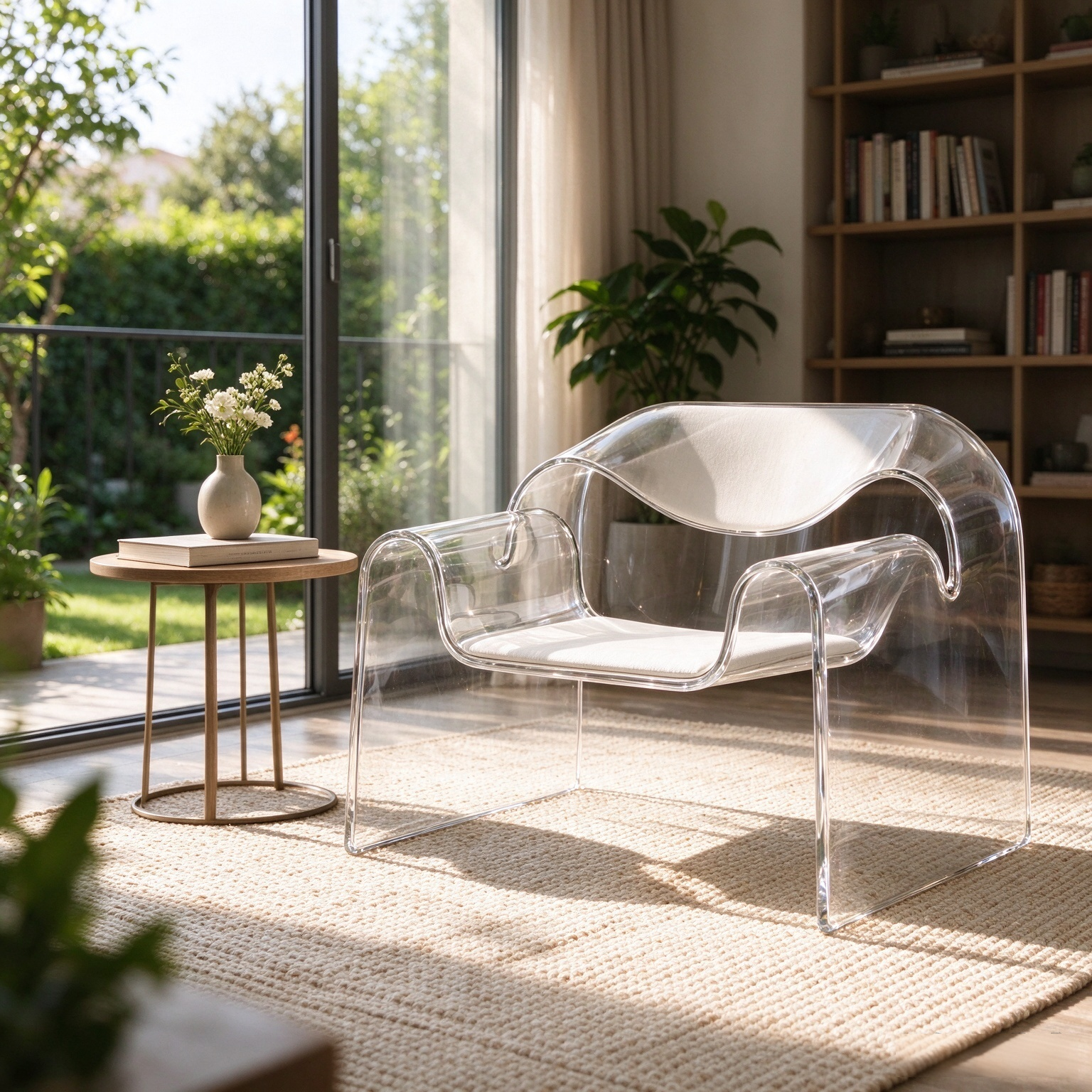
Addressing Supply Chain and Sustainability Pain Points
High-end residential projects often suffer from delays caused by global supply chain volatility for rare natural materials, and ethical concerns around unregulated crystal mining have also become a top client priority. A 2024 luxury design industry report noted that 41% of high-net-worth clients now request full transparency on material sourcing, with many rejecting pieces linked to environmental degradation or unethical labor practices. Synthetic crystal furniture addresses both issues: production facilities in Europe and Southeast Asia offer standardized lead times of 6–8 weeks for custom pieces, with reliable shipping routes that minimize project delays. From a sustainability standpoint, most synthetic variants are produced using 30–50% recycled silica, with manufacturing processes that generate less waste than natural crystal quarrying, which typically discards 60–70% of extracted material due to structural flaws. For designers, this means being able to provide clients with verifiable sustainability credentials without sacrificing the luxury feel of crystal, turning a potential client objection into a value-added selling point.
Practical Implementation Tips for Design Systems
To fully integrate these pieces into a high-end residential design system, designers should follow three core best practices. First, involve material specialists early in the schematic design phase: synthetic crystal can be molded into custom shapes, from curved coffee table bases to integrated lighting fixtures, but early collaboration ensures structural and aesthetic feasibility. Second, test material samples under the project’s specific lighting conditions: the refractive quality of the material will look different under warm recessed lighting versus natural daylight, so adjusting tint or finish during the sample phase prevents post-installation mismatches. Third, pair pieces with complementary hardware and bases: for example, a synthetic crystal dining table top paired with a hand-forged black steel base creates a balanced contrast between delicate transparency and industrial luxury, tying the piece to the broader design language of the home. These steps help designers avoid common pitfalls like ill-fitting pieces or visual disconnect from the rest of the space.
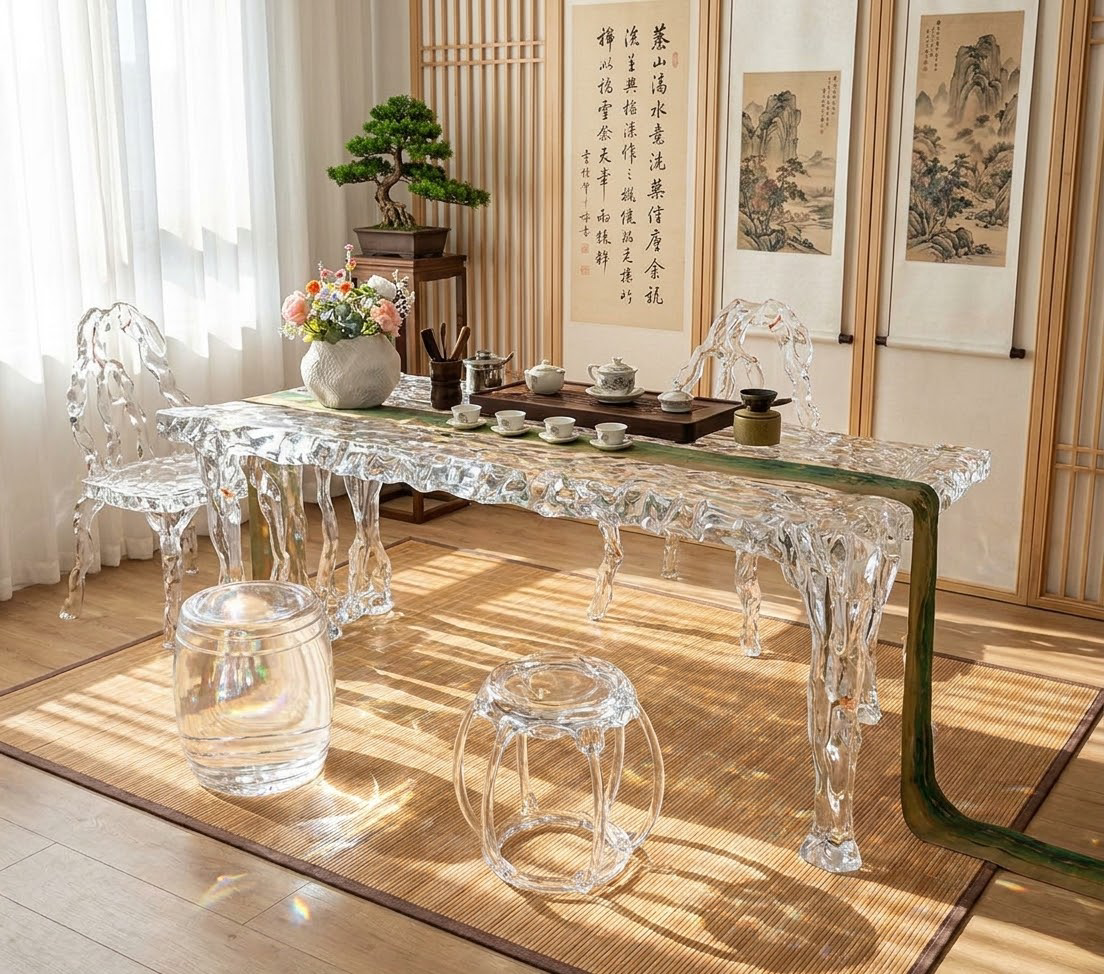
As high-end residential design continues to evolve, balancing exclusivity, practicality, and sustainability will remain a core challenge for design professionals. Synthetic crystal offers a flexible, reliable solution that lets designers push creative boundaries while meeting client expectations for quality and ethical sourcing. Whether used as a focal point in a formal dining room or as subtle accent pieces in a private lounge, these furniture pieces can elevate a design system when integrated with intentionality and technical precision.
What has your experience been with incorporating engineered luxury materials into high-end projects? Share your insights in the comments below, or feel free to send a direct message to discuss custom integration strategies for your upcoming residential designs.


