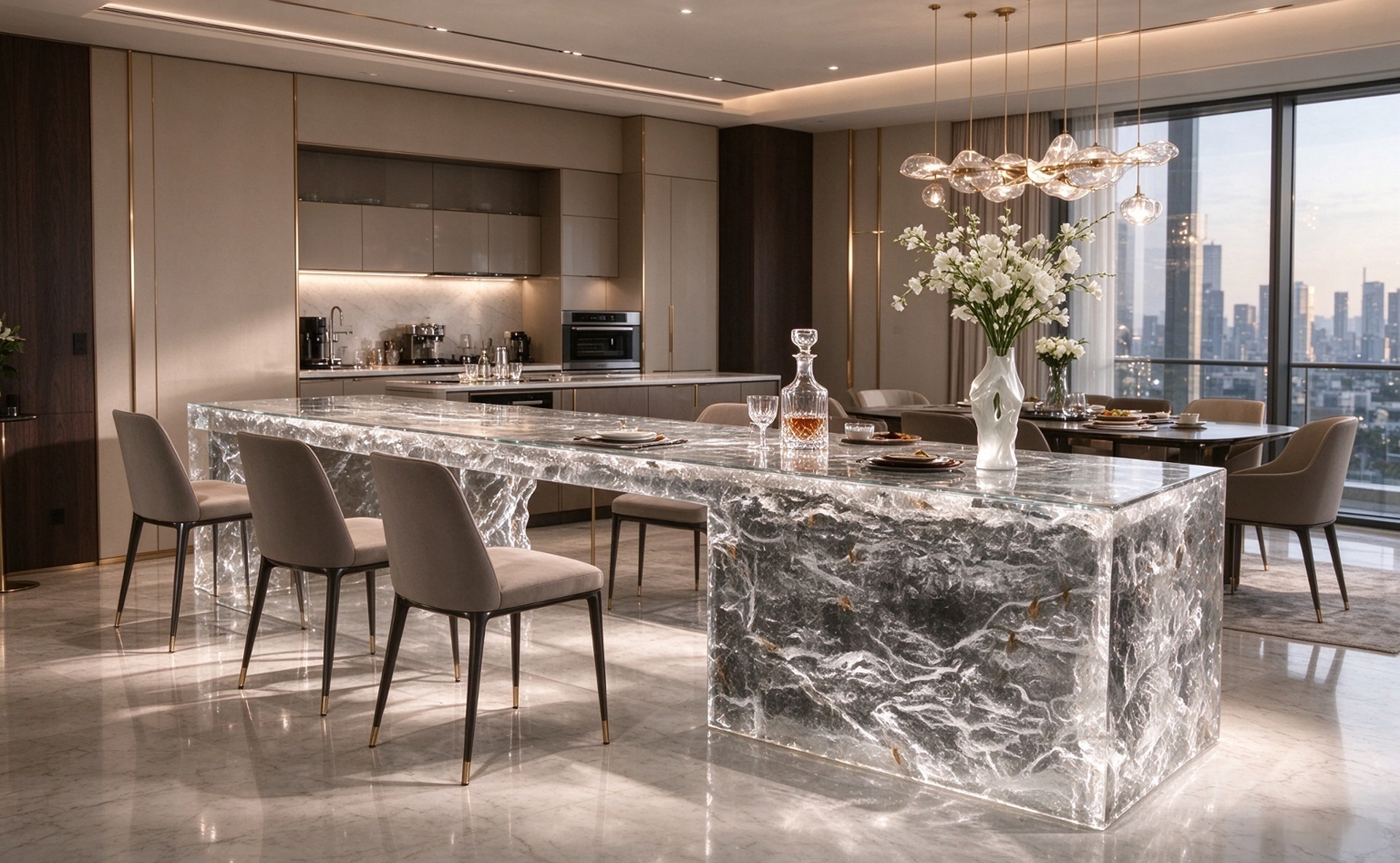
For high-end interior designers tasked with delivering bespoke residential and hospitality projects, the tension between visual opulence and long-term functionality remains a persistent pain point. A 2023 survey of 120 senior interior designers specializing in luxury markets, conducted by a leading global design industry publication, found that 68% have had to revise material specifications mid-project because natural decorative stone failed durability tests for high-traffic luxury spaces. In this landscape, synthetic crystal has emerged as a material that bridges the gap between couture-level aesthetics and commercial-grade resilience, offering a viable alternative for designers navigating the strict demands of ultra-high-net-worth clients and premium hospitality operators.
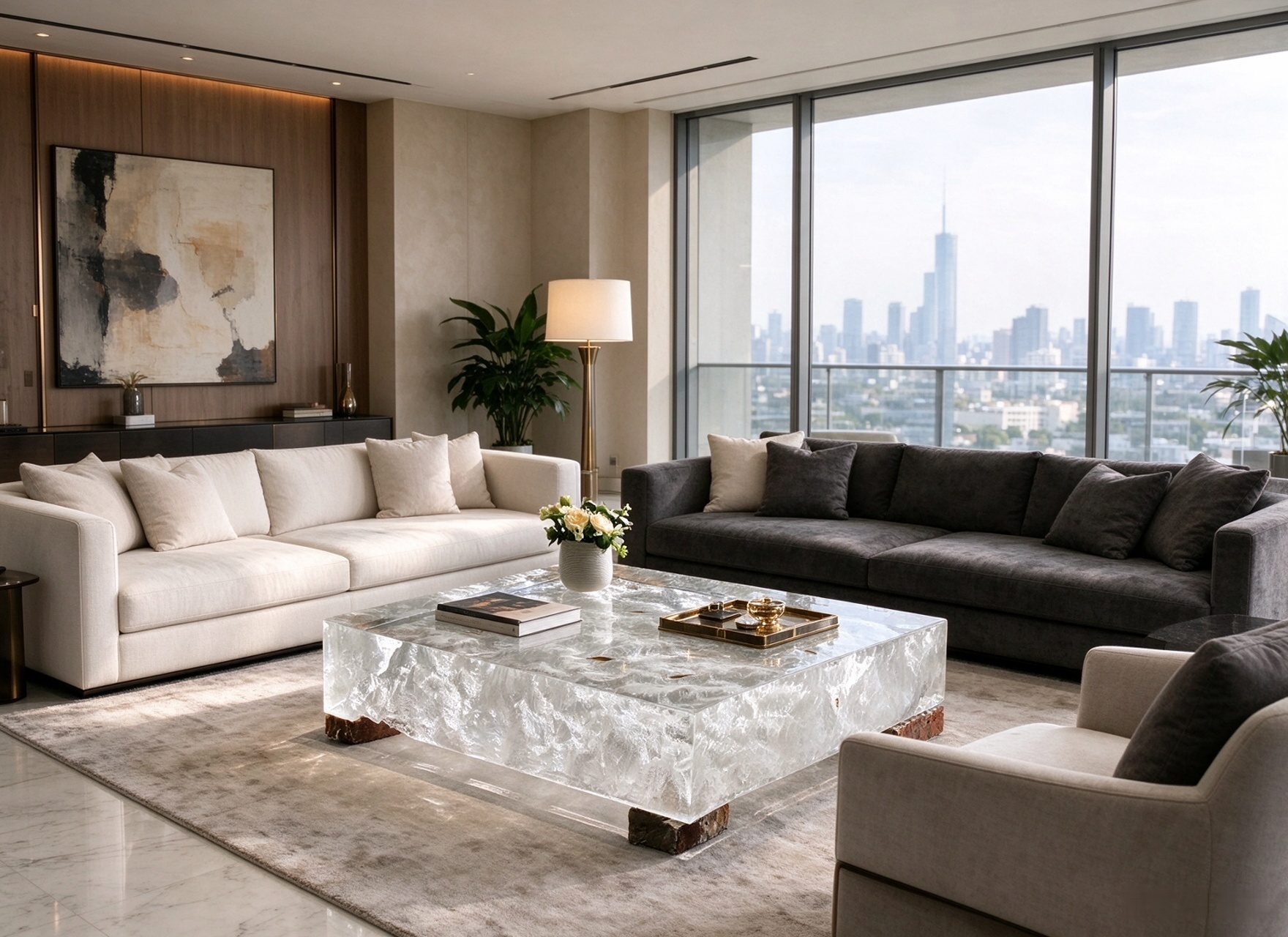
The Aesthetic Parity: Matching Natural Luxury’s Visual Identity
The first critical advantage of the material lies in its ability to replicate, and in some cases exceed, the visual depth of natural crystal formations. Natural crystal furniture pieces, from dining table bases to accent wall panels, are prized for their refractive light play, unique crystalline patterns, and association with exclusivity—but they are limited by geological inconsistencies: color banding, internal fractures, and size constraints that force designers to compromise on their original vision. By contrast, synthetic crystal can be engineered with consistent color saturation, controlled clarity, and custom dimensions, allowing designers to specify large-format furniture pieces without the visual irregularities that often require complex, design-altering workarounds. For example, a London-based luxury design studio recently used the material for a 3.2-meter continuous dining table top in a Mayfair penthouse, achieving a uniform smoky quartz tone that would have required sourcing and joining 11 separate natural crystal slabs, with visible seams that would have disrupted the minimalist design brief. The material’s ability to be cast in custom shapes—from curved table edges to sculptural chair frames—also expands the creative scope for designers who want to push the boundaries of luxury furniture form without relying on the limited shapes available from natural stone cutting.
Durability for High-Traffic Luxury Spaces: Solving Maintenance Pain Points
For designers working on five-star hotels, private members’ clubs, and family-owned luxury residences, durability is not a secondary concern—it is a non-negotiable requirement that can make or break a project’s long-term success. Natural crystal and high-end natural stone are inherently porous and brittle: they stain easily from wine, coffee, and acidic cosmetics, chip under impact from dropped objects, and require annual professional sealing to maintain their appearance. The same 2023 design industry survey found that 72% of luxury designers receive post-completion complaints related to natural stone furniture damage within the first two years of installation, leading to costly warranty claims and damaged client relationships. Synthetic crystal addresses these pain points through its engineered molecular structure, which is non-porous and has a higher impact resistance than most natural decorative crystal varieties. It does not require sealing, resists staining from common household and hospitality substances, and maintains its polished finish for years even in high-foot-traffic areas. For a boutique hotel in the Maldives, for instance, a design firm specified the material for all lobby accent tables and suite vanity tops, citing concerns about salt air corrosion and frequent exposure to sunscreen and tropical fruit juices. After three years of operation, the furniture showed no signs of discoloration or surface damage, compared to natural stone pieces in the same property that required refinishing twice within the first 18 months. This reduced maintenance burden is particularly valuable for designers working with international clients, who often cannot coordinate regular upkeep for their secondary or tertiary residences.
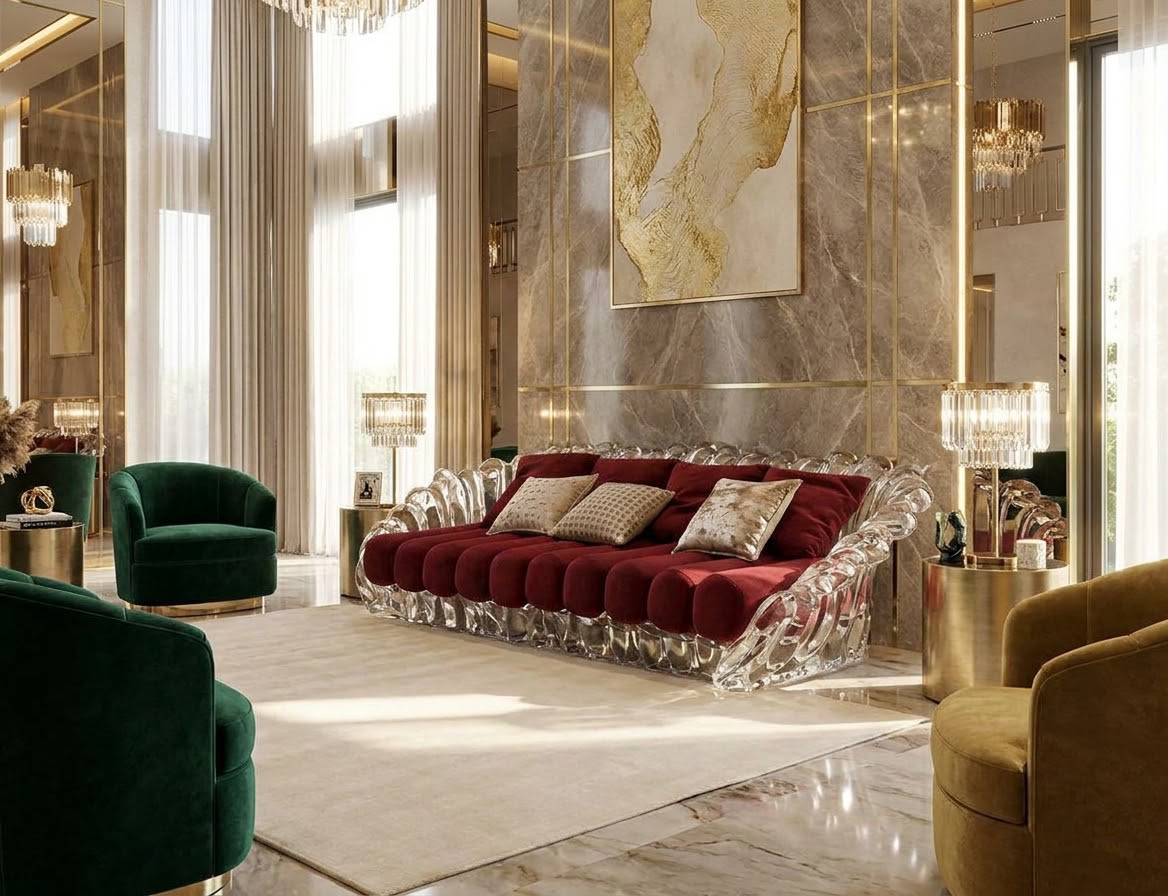
Supply Chain Reliability for B2B Luxury Projects
A less frequently discussed but equally critical pain point for high-end interior designers working on cross-border projects is supply chain unpredictability for rare natural materials. Natural crystal furniture is often sourced from a small number of artisanal mines, with lead times that can stretch to 6–9 months for custom pieces, and prices that fluctuate wildly based on geological availability and export regulations. For designers working on tight project timelines—common in luxury hospitality, where delayed openings can cost tens of thousands of dollars per day—this volatility creates significant risk. As a factory-engineered material, synthetic crystal offers consistent lead times, transparent pricing, and scalable production for B2B orders, allowing designers to lock in project timelines and budgets with far greater certainty. Many global suppliers of the material offer custom fabrication services with lead times of 4–6 weeks for standard furniture pieces, and can accommodate bulk orders for full hotel fit-outs without compromising on quality or visual consistency. This reliability is a key selling point for design firms that manage multiple international projects simultaneously, as it reduces the administrative burden of sourcing rare materials and minimizes the risk of project delays that can harm a firm’s reputation in the competitive luxury market.
Practical Guidance for Designers Specifying the Material
For designers considering integrating this material into their luxury projects, there are three key best practices to ensure optimal results. First, request physical samples in both matte and polished finishes, and test them under the project’s specific lighting conditions—refractive light play varies based on finish, and what works in a sunlit residential space may not translate to a dimly lit hospitality lounge. Second, collaborate directly with suppliers during the design development phase to leverage their engineering expertise: many suppliers can advise on structural limits for large-format pieces, and can integrate hidden support structures that preserve the material’s sleek, seamless appearance. Third, communicate the material’s benefits clearly to clients, framing it not as a “compromise” alternative to natural stone, but as a premium engineered material that offers greater design flexibility and long-term value—an approach that resonates with 62% of high-net-worth clients, according to a 2024 luxury consumer trends report, who prioritize longevity and low maintenance alongside aesthetic appeal.
As the luxury design industry continues to evolve, the demand for materials that deliver both uncompromising aesthetics and practical functionality will only grow. Synthetic crystal represents a meaningful step forward in meeting that demand, offering interior designers a tool to bring their most ambitious creative visions to life while addressing the core pain points of durability, maintenance, and supply chain reliability that have long plagued high-end furniture specification.
What has your experience been with engineered luxury materials in high-end projects? Have you tested synthetic crystal furniture in your designs, or do you have questions about its suitability for specific project briefs? Share your insights in the comments below, or feel free to send a direct message to discuss material specification strategies for luxury B2B projects.