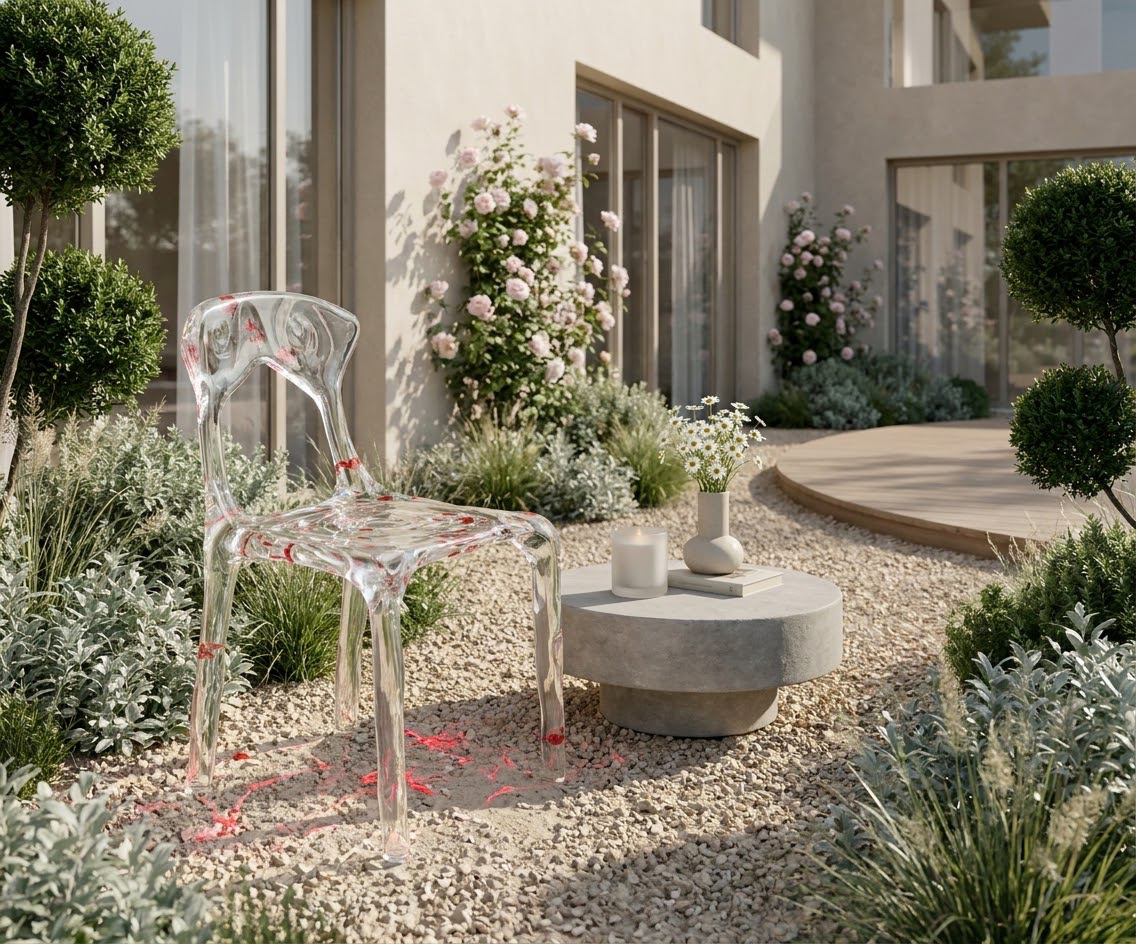
In 2026, the line between classic elegance and contemporary minimalism continues to blur—and synthetic crystal furniture sits at the heart of this shift. As interior designers and architects seek fresh ways to honor traditional craftsmanship while embracing modern aesthetics, transparent furniture offers a versatile solution that feels both timeless and cutting-edge.
From residential living rooms to luxury hotel lobbies, acrylic furniture and decor is no longer a niche trend. It’s a design staple that redefines how we perceive space, light, and materiality. This guide explores how high-end transparent furniture bridges traditional and modern design, and why it’s become a top choice for B2B buyers and design professionals alike.
1. The Rise of Transparent Furniture in 2026 Interior Design
1.1 Why Traditional-Meets-Modern Aesthetics Dominate 2026 Trends
Today’s homeowners and commercial clients crave spaces that feel familiar yet forward-thinking. They want the warmth of classic interiors paired with the clean lines of modern design furniture.
According to 2026 industry data, 68% of interior designers report that "traditional-modern fusion" is their most requested style for high-end projects.
This demand has paved the way for transparent decorative furniture to take center stage.
Synthetic crystal furniture for modern interior spaces works because it doesn’t compete with existing classic pieces. Instead, it complements them—adding lightness and visual flow without disrupting a room’s traditional charm.
1.2 How Transparent Materials Fit Into Classic Interior Schemes
Classic interiors often feature rich woodwork, ornate moldings, and heavy textiles. These elements can feel overwhelming in smaller spaces or in projects that aim for a lighter, more open feel.
Transparent resin furniture solves this problem by:
Adding functional seating and surfaces without visual bulk
Reflecting natural light to make rooms feel larger and brighter
Acting as a "neutral" piece that works with any color palette or pattern
The application of transparent materials in furniture design has evolved far beyond basic acrylic chairs. Today, options range from delicate transparent design console tables to statement-making synthetic crystal chandeliers, all designed to blend seamlessly with classic decor.
2. Key Advantages of Transparent Furniture in Interior Design
2.1 Visual and Spatial Benefits for Residential and Commercial Spaces
One of the biggest advantages of transparent furniture in interior design is its ability to create the illusion of more space. Unlike solid wood or metal pieces, plexiglass furniture lets light pass through, making rooms feel open and airy.
Key spatial benefits include:
Visual lightness: Transparent pieces don’t "weigh down" a room, even in large quantities
Light reflection: High-gloss finish on transparent surfaces bounces natural and artificial light around the space
Versatility: They work in small apartments, grand hotel lobbies, and everything in between
For 2026 buyers, this versatility is a major selling point. It means one furniture style can work across multiple project types, reducing the need for custom design furniture for every space.
2.2 Durability and Performance Features of Modern Transparent Materials
Gone are the days when acrylic furniture was seen as flimsy or low-quality. Today’s high-end transparent furniture uses advanced materials that rival wood and metal in durability.
Key performance features include:
Mechanical strength of synthetic crystal materials: Modern formulations are scratch-resistant, impact-resistant, and built to last for decades
Optical transparency of transparent materials: Premium grades offer 92% light transmission, clearer than glass
Low maintenance: Wipes clean with a soft cloth, no polishing or sealing required
Acrylic sheet thickness also plays a critical role. High-thickness acrylic structure is used for heavy-use pieces like dining tables and bar counters, ensuring stability and longevity even in high-traffic commercial settings.
3. Signature Transparent Furniture Pieces That Elevate Classic Interiors
3.1 Living and Dining Room Focal Points
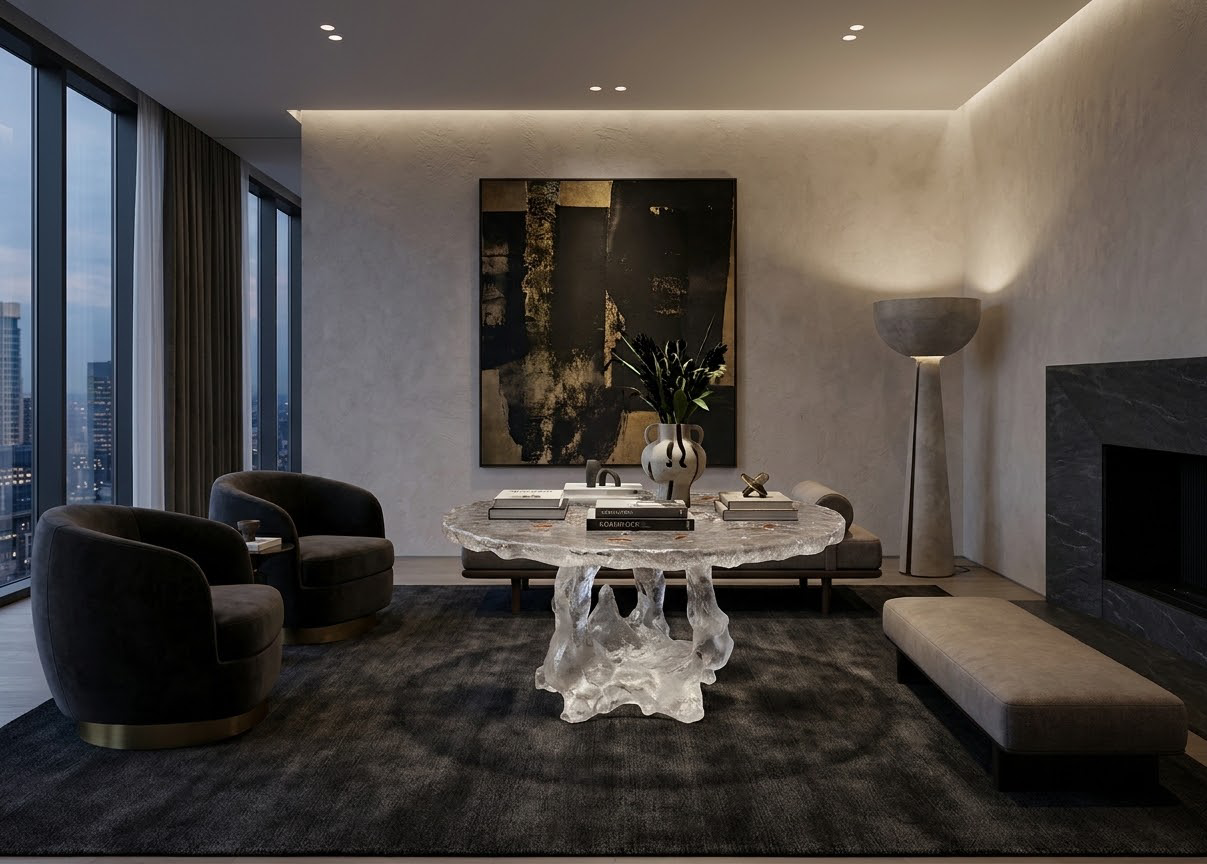
The living room is where classic and modern design often collide—and designer transparent coffee tables and decorative furniture are the perfect mediators.
A transparent coffee table paired with a traditional tufted sofa creates a balanced look that feels both elegant and current. For dining spaces, a transparent dining table with acrylic chairs and stools lets a beautiful area rug or statement chandelier take center stage.
Other standout pieces for living and dining areas include:
Synthetic crystal tables with hand-polished edges that catch light like real crystal
Transparent design console tables for entryways that add function without clutter
Acrylic side tables that can be easily moved between rooms as needed
These pieces work especially well in classic homes with architectural details like crown molding or hardwood floors. They let the traditional features shine while adding a modern twist.
3.2 Decorative Accents That Bridge Style Eras
Furniture isn’t the only way to incorporate transparent design into classic interiors. Smaller decorative pieces can have a big impact on a room’s overall feel.
Popular transparent decor accents for 2026 include:
Synthetic crystal chandeliers that combine classic chandelier shapes with modern materials
Acrylic bookends and display stands for showcasing traditional decor items
Transparent resin sculptures and art objects that add contemporary flair
The key is to balance transparent pieces with traditional materials like wood, leather, and fabric. This creates a layered look that feels intentional, not mismatched.
4. Custom Transparent Furniture for Commercial and Residential Projects
4.1 How Custom Furniture Manufacturers Bring Design Visions to Life
For projects with unique requirements, working with custom furniture manufacturers is essential. They can create pieces that fit exact dimensions, match specific design aesthetics, and meet performance needs.
The custom furniture design and development process typically includes:
Initial consultation to understand project goals and style preferences
3D renderings and prototypes to visualize the final piece
Material selection, including acrylic sheet thickness and finish options
Production using fine processing technology of acrylic materials
Quality inspection, including edge polishing and structural testing
Furniture size and shape customization means pieces can be designed to fit perfectly in any space—from oddly shaped residential nooks to large commercial lobbies. This level of customization is especially valuable for architects and interior designers working on one-of-a-kind projects.
4.2 Synthetic Crystal Furniture for Commercial Engineering Projects
Commercial spaces have unique demands: they need to be durable, stylish, and able to withstand heavy use. Synthetic crystal furniture for commercial engineering projects checks all three boxes.
Common commercial applications include:
Retail spaces: Transparent display tables and acrylic shelving that keep the focus on products
Restaurant and hospitality: Acrylic bar counters and transparent dining tables that create a sleek, modern vibe
Office spaces: Clear conference tables and acrylic chairs that make meeting rooms feel more open
Commercial engineering furniture project companies and commercial space design and decoration companies increasingly recommend transparent furniture for clients who want a modern, upscale look that holds up to daily wear and tear.
For catering enterprises and chain, transparent furniture offers a consistent, brand-aligned aesthetic that works across multiple locations.
5. Luxury Hotel Applications: Transparent Furniture in Hospitality Design
5.1 Elevating Guest Experiences With High-End Transparent Furniture
Luxury hotel groups are always looking for ways to create memorable guest experiences—and high-end transparent furniture delivers. It adds a sense of modern luxury while still feeling welcoming and comfortable.
Hotel designers use transparent furniture in key areas like:
Lobbies: Large synthetic crystal tables and acrylic seating that make grand lobbies feel even more spacious
Guest rooms: Transparent desks and acrylic chairs that don’t crowd the space
Bars and restaurants: Acrylic bar counters and transparent bar stools that create a sleek, upscale atmosphere
Hotel procurement managers often choose transparent furniture because it’s versatile enough to work with a variety of design themes, from classic luxury to ultra-modern.
5.2 Luxury Hotel Custom Furniture Solutions for Unique Properties
Every luxury hotel has its own brand identity and design vision. Off-the-shelf furniture rarely fits the bill—especially for high-end properties.
Luxury hotel custom furniture solutions offer:
Bespoke designs: Pieces created specifically for the hotel’s aesthetic and space
Branding integration: Custom logos or patterns embedded in transparent materials
Scale: Ability to produce large quantities of custom pieces for full-property renovations
One standout 2026 project features a high-end crystal billiard table in a hotel’s game lounge. The piece combines the classic appeal of billiards with the modern luxury of synthetic crystal, becoming a major talking point for guests.
Hotel and commercial space designers note that custom transparent furniture also works well in boutique hotels, where unique, Instagram-worthy pieces are a key part of the guest experience.
6. Working With Transparent Furniture: A Guide for Design Professionals
6.1 Tips for Architects and Interior Designers
For architects and interior designers, incorporating transparent furniture into projects requires a thoughtful approach. The goal is to use it strategically to enhance the overall design, not just add it as an afterthought.
Key tips for success:
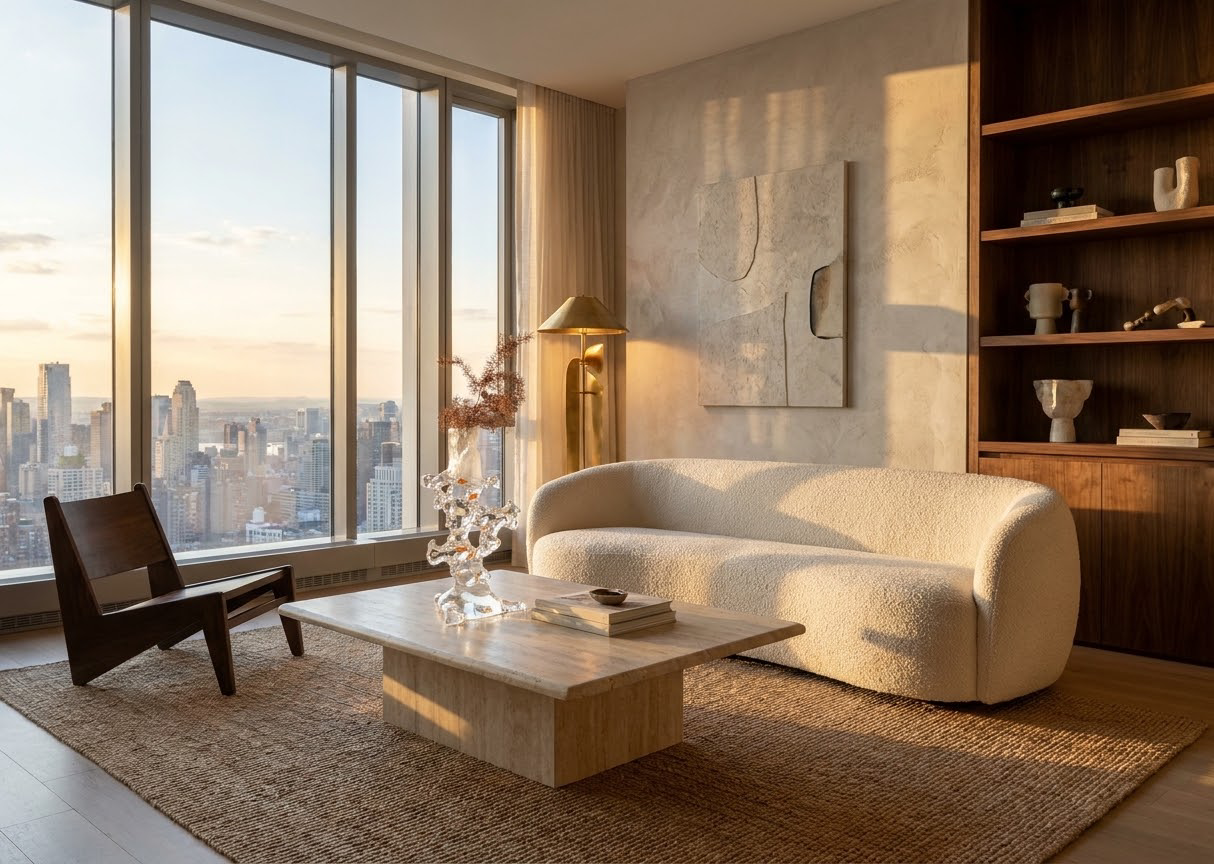
Balance with solid materials: Pair transparent pieces with rich woods, soft textiles, or metal accents to create visual contrast
Consider lighting: Transparent furniture looks best when there’s plenty of natural or accent light to highlight its clarity
Think about scale: In large rooms, use substantial pieces like high-thickness acrylic structure tables to avoid feeling too delicate
Mix eras: Don’t be afraid to pair modern acrylic furniture with antique or vintage pieces—this contrast is what makes the traditional-meets-modern aesthetic work
Custom acrylic furniture for architects and interior designers also opens up new possibilities. Designers can work with manufacturers to create completely unique pieces that perfectly match their vision.
6.2 Choosing the Right Supplier for High-End Transparent Furniture
The quality of transparent furniture varies widely depending on the manufacturer. For B2B buyers and design professionals, choosing the right supplier is critical.
What to look for in a supplier:
Experience with high-end projects: Look for a portfolio that includes luxury residential, hotel, and commercial work
Material quality: Ensure they use premium-grade acrylic with high optical transparency and mechanical strength
Customization capabilities: Verify they offer furniture size and shape customization, as well as custom finishes
Craftsmanship: Check for details like furniture edge processing and polishing technology, which affect both look and safety
Architecture and interior design firms, high-end furniture brands and enterprises, and custom furniture designers all prioritize suppliers that combine quality, customization, and reliability.
For specialty pieces like acrylic piano accessories or custom synthetic crystal furniture, working with a supplier that has expertise in both furniture design and acrylic fabrication is essential
READ MORE:
- How to Reduce Customization Risks for High-End Synthetic Crystal Furniture Projects: Full Solutions from Design to Delivery
- How Synthetic Crystal Furniture Brands Build Reliable Delivery Systems for Large Hotel & Commercial Projects
- How Architects Transform Creative Visions Into Manufacturable Synthetic Crystal Furniture: Key Challenges in Structural Design and Material Processing
- Synthetic Crystal Furniture: How to Balance Aesthetics, Function and Project Efficiency in Interior Design
- Synthetic Crystal Furniture: The Ultimate Luxury Hotel Customization Guide for 2026
- How Can Design Trends Translate into Commercial Value? Creating a Competitive Edge Through Luxury Furniture
- From Hotel Lobbies to Private Clubs: How to Select Statement Furniture for Different Spaces
- Why Is Structural Design Just as Important in Furniture? The Stability and Functional Logic Behind Aesthetics
- How Does Furniture Shape Spatial Perception? Design Innovation from Visual Experience to Spatial Function


