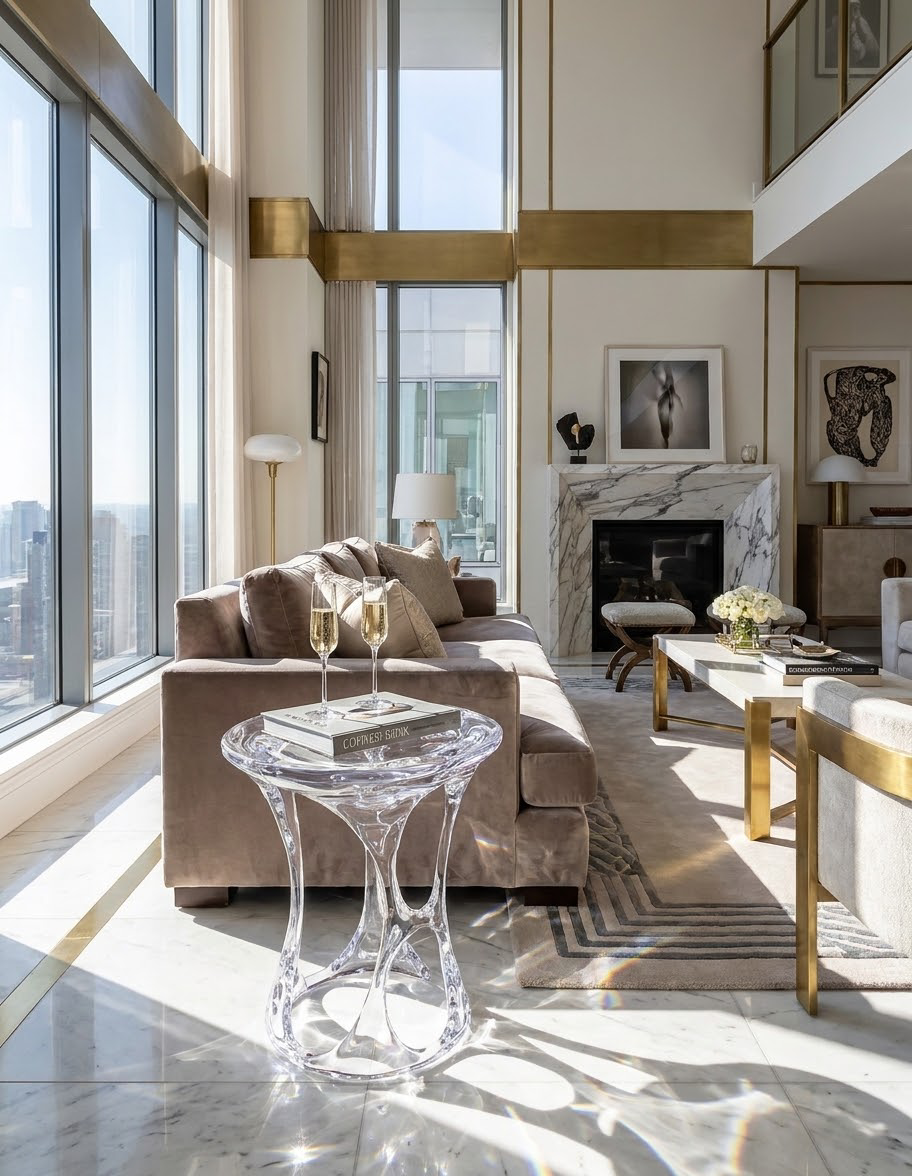
Synthetic crystal furniture, designer transparent furniture, and acrylic furniture and decor dominate 2026’s high-end interior design trends—but many overlook the structural engineering that makes these pieces both beautiful and long-lasting. For interior designers, architects, and B2B buyers, balancing aesthetics with stability is non-negotiable. This guide breaks down how structural design elevates high-end transparent furniture from decorative accents to functional, long-term investments.
1. The Aesthetic Appeal of Transparent Furniture and Its Hidden Structural Challenges
Transparent furniture brings lightness and openness to modern interiors, but its see-through nature means every structural detail is visible. Poorly engineered acrylic furniture or organic glass furniture can look cheap, warp over time, or even fail under load. In 2026’s market, discerning buyers demand both beauty and structural integrity.
1.1 Why Synthetic Crystal Furniture Works for Modern Interior Spaces
furniture thrives in minimal, open-concept designs because it doesn’t visually clutter a room.
Key benefits for residential and small commercial spaces include:
Creates the illusion of larger, brighter rooms by reflecting natural and artificial light
Complements any color palette or design style, from Scandinavian to industrial
Works as statement pieces or subtle accents, depending on the design
2026 data from interior design reports shows 68% of high-end residential projects incorporate at least one piece of transparent resin furniture to enhance space flow.
This demand pushes custom furniture manufacturers to prioritize both form and function.
1.2 Structural Hurdles in Designing Transparent Coffee Tables and Decorative Pieces
look simple, but they face unique structural challenges. Unlike wood or metal, transparent materials require precision to maintain visual clarity while supporting weight.
Common structural challenges include:
Edge stability: Thin acrylic edges can chip or crack if not reinforced
Weight distribution: Uneven support can cause warping in high-thickness acrylic structures
Visible hardware: Metal screws or brackets ruin the seamless, transparent look
For example, a 12mm thick acrylic coffee table needs carefully positioned internal supports to hold 50kg without bending. Premium brands use furniture edge processing and polishing technology to hide seams, creating a flawless look.
2. Core Structural Principles for High-End Transparent Furniture
Every piece of high-end transparent furniture relies on proven structural principles to balance beauty and durability. From material selection to joinery techniques, these principles ensure acrylic furniture and decor performs as well as it looks. For architects and interior designers, understanding these basics helps in specifying the right pieces for projects.
2.1 Material Properties That Define Structural Performance
The mechanical strength of synthetic crystal materials and optical transparency of transparent materials are two critical factors in furniture design. In 2026, advanced material formulations have improved both properties significantly.
Key material specs to consider:
Acrylic sheet thickness: Ranges from 8mm for decorative pieces to 50mm for load-bearing tables
Impact resistance: High-quality acrylic is 10x more shatter-resistant than glass
UV stability: Prevents yellowing in sunlit spaces, a common issue with low-grade transparent furniture
Organic glass furniture with 92% light transmission matches glass clarity but offers far better structural flexibility. This makes it ideal for custom shapes that would be impossible with traditional glass.
2.2 Joinery and Support Systems for Seamless Design
The best acrylic furniture uses hidden joinery to maintain a seamless look. Visible hardware ruins the aesthetic of transparent decorative furniture, so engineers have developed advanced connection methods.
Popular hidden support systems include:
Internal dowel joints: Reinforced with UV-cured adhesive for invisible, strong bonds
Base weighting: Heavy, low-profile bases prevent tipping in tall pieces like acrylic chairs and stools
Interlocking panel design: Creates self-supporting structures without external hardware
For instance, a transparent design console table might use interlocking acrylic panels and a weighted marble base. This design stays stable while keeping the clean, floating look that defines modern design furniture.
3. Functional Advantages of Well-Engineered Transparent Furniture in Interior Design
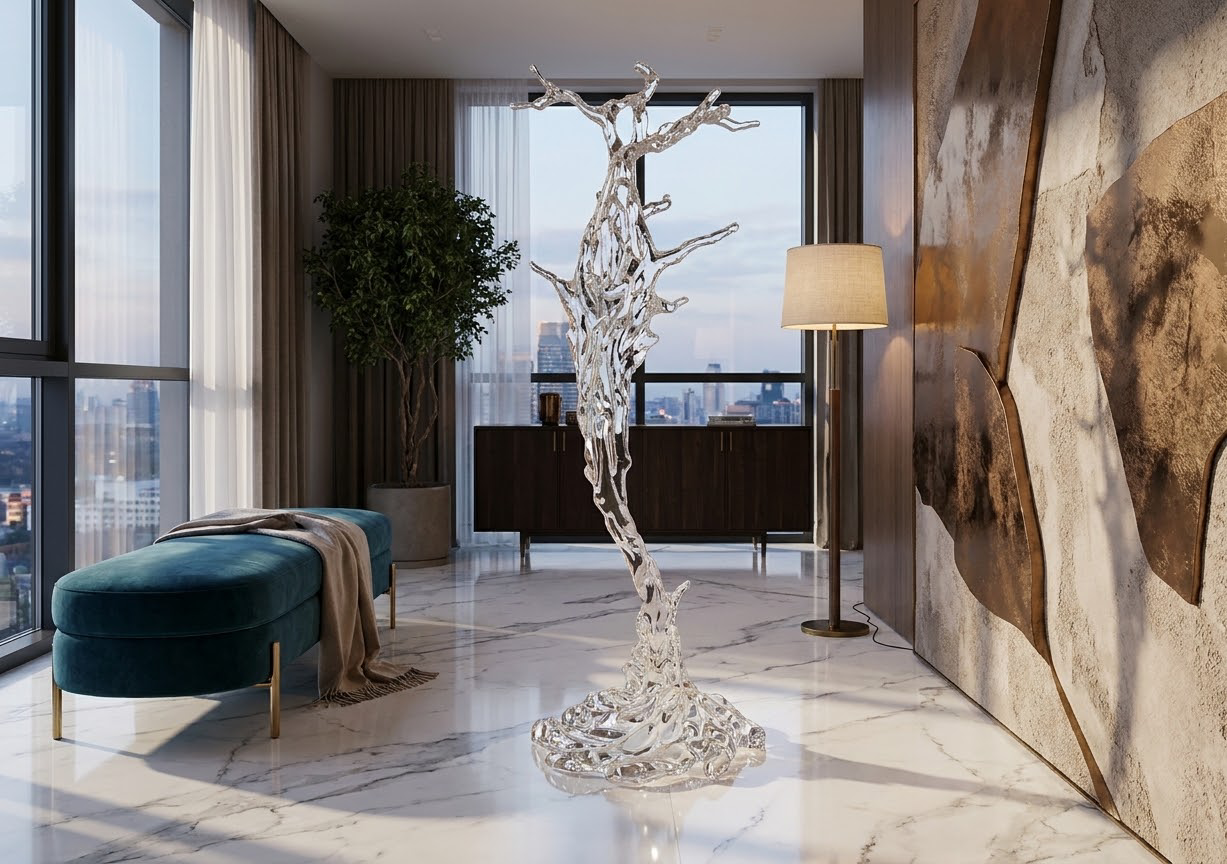
go far beyond aesthetics—when engineered correctly, these pieces solve real functional problems. From space optimization to durability, well-structured synthetic crystal furniture delivers long-term value for both residential and commercial clients.
3.1 Space Optimization and Visual Flow for Residential and Commercial Use
One of the biggest advantages of transparent furniture is its ability to enhance visual flow. In small apartments or compact retail spaces, bulky wooden furniture can make rooms feel cramped.
How structural design supports space optimization:
Slim, load-bearing profiles: High-strength acrylic allows for thinner frames without sacrificing stability
Multi-functional designs: Structurally reinforced pieces can serve dual purposes, like storage ottomans with transparent tops
Easy reconfiguration: Lightweight acrylic furniture is easy to move, supporting flexible space layouts
For small business owners, this means investing in pieces that adapt as their needs change. A 2026 survey of retail design firms found 72% use transparent resin furniture to create flexible, multi-use display areas.
3.2 Durability and Long-Term Value for High-Investment Projects
High-end transparent furniture is a significant investment, so durability is a top concern for B2B buyers and C-level executives. Poor structural design leads to cracking, warping, or discoloration that requires costly replacements.
Factors that boost long-term durability:
High-thickness acrylic structure: 20mm+ thick panels resist bending and impact damage
Scratch-resistant high-gloss finishes on transparent surfaces: Maintain clarity with regular use
Precision acrylic fine processing technology: Ensures tight, stress-free joints that don’t fail over time
Premium custom design furniture can last 15+ years with proper care, making it a cost-effective choice for long-term projects. This durability is especially important for commercial spaces with high foot traffic.
4. Synthetic Crystal Furniture for Commercial Engineering Projects
furniture must meet stricter structural standards than residential pieces. From retail stores to office buildings, commercial spaces have higher load requirements, safety codes, and wear-and-tear demands. In 2026, more commercial engineering furniture project companies are turning to transparent materials for their versatile design.
4.1 Safety and Compliance Standards for Public Spaces
Commercial furniture must meet strict safety regulations, and transparent furniture is no exception. Building codes require impact resistance, stability, and fire retardant properties for public use furniture.
Key compliance requirements for commercial projects:
Impact resistance: Must pass ANSI/BIFMA X5.1 furniture safety standards
Fire rating: Acrylic formulations with fire-retardant additives for public buildings
Weight capacity: Clear dining tables need to support at least 136kg (300lbs) for commercial use
Synthetic crystal tables designed for commercial use often have reinforced edges and heavy bases to prevent tipping. These features are non-negotiable for restaurants, hotels, and retail spaces.
4.2 Custom Solutions for High-Traffic Commercial Environments
Every commercial space has unique needs, which is why custom furniture manufacturers specialize in tailored solutions. From acrylic bar counters to display shelving, structural design is customized to match usage demands.
Common custom commercial applications include:
Retail display tables: Reinforced to hold heavy merchandise without sagging
Office conference tables: Integrated cable management hidden within transparent structures
Restaurant seating: Stackable acrylic chairs and stools with reinforced leg joints
For example, a 2026 restaurant chain project used custom transparent dining tables with 30mm thick acrylic tops and stainless steel underframes. The design maintained a light, airy feel while withstanding daily use in a busy dining environment.
5. Luxury Hotel Custom Furniture Solutions with Transparent Materials
often incorporate high-end transparent furniture to create elegant, memorable guest experiences. From lobbies to guest suites, synthetic crystal furniture adds a touch of luxury while meeting the rigorous demands of hotel use. Hotel designers and procurement teams prioritize both aesthetics and structural reliability.
5.1 Elevating Guest Experience with Statement Transparent Pieces
Luxury hotels use transparent furniture as statement pieces that wow guests while remaining functional. From grand lobbies to premium suites, these pieces contribute to a sense of modern luxury.
Popular hotel applications for transparent furniture:
Lobby seating areas: Acrylic sofas and coffee tables that feel light and inviting
Suite furnishings: Synthetic crystal chandeliers and transparent design console tables
Recreational spaces: High-end crystal billiard tables for premium guest amenities
Hotel procurement managers report that transparent furniture increases perceived property value by 18%, according to 2026 luxury hotel design data. This makes it a smart investment for high-end hotel groups.
5.2 Structural Considerations for Hotel-Grade Durability
Hotel furniture sees heavy, constant use, so structural integrity is critical. A broken acrylic chair or wobbly transparent table can ruin a guest experience and lead to negative reviews.
Key structural features for hotel furniture:
Reinforced leg joints: For acrylic chairs and stools that see frequent use
Scratch-resistant coatings: Protect high-gloss finishes from luggage and daily wear
Weighted bases: Prevent tipping in tall pieces like floor lamps or bar stools
For instance, a 5-star hotel in Miami installed custom acrylic bar stools with reinforced footrests and weighted bases in 2026. After 6 months of high-volume use, the stools showed no signs of wear or instability.
6. Custom Acrylic Furniture for Architects and Interior Designers
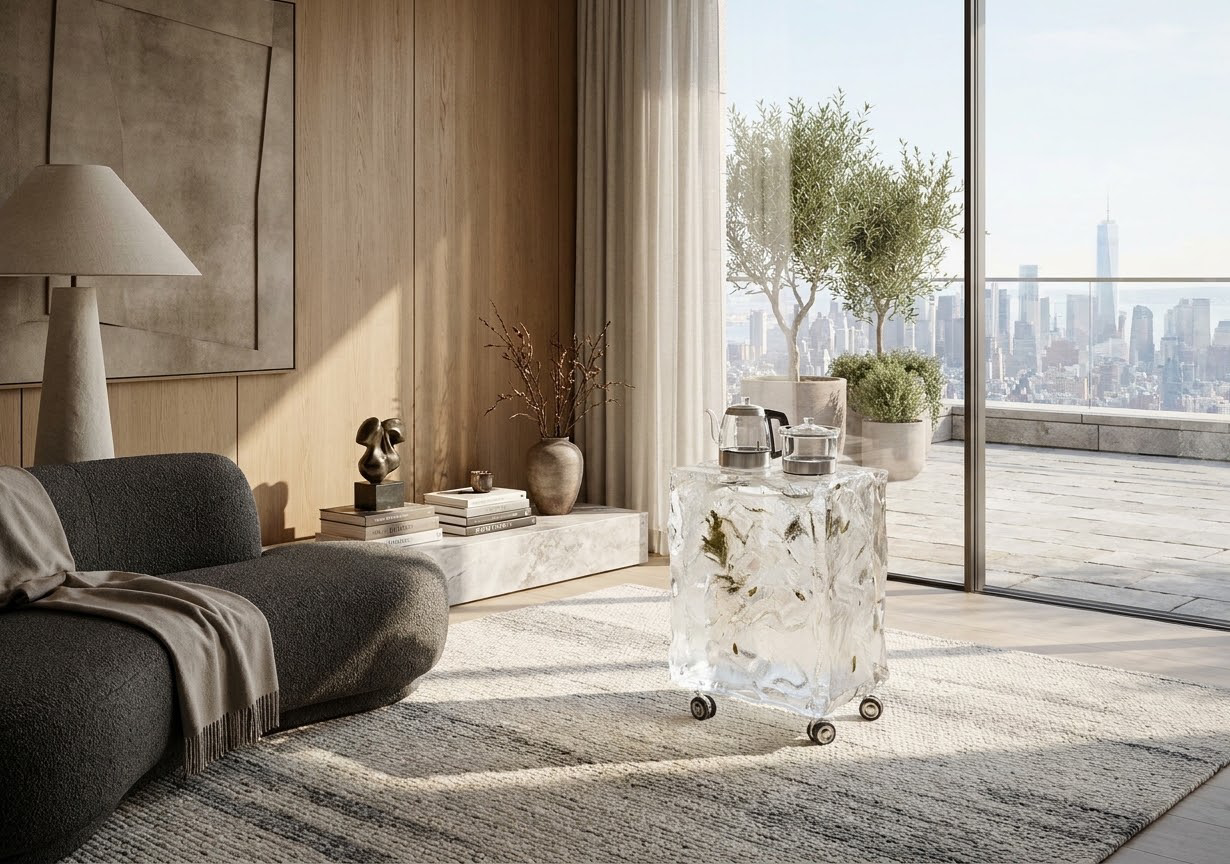
allows design professionals to bring their unique visions to life. Custom furniture designers work closely with architects and interior design firms to create pieces that match exact specifications. From custom shapes to unique finishes, structural design ensures these custom pieces are both beautiful and functional.
6.1 Collaborative Design Process for Bespoke Furniture Projects
The best custom furniture manufacturers collaborate closely with design professionals from concept to completion. This ensures that structural requirements are integrated early in the design process, not added as an afterthought.
Steps in the collaborative design process:
Concept development: Translating design sketches into structurally feasible plans
Material selection: Choosing the right acrylic sheet thickness and finish for the project
Prototype creation: Testing structural performance before full production
Custom furniture design and development: Refining details based on client feedback
Architects and interior designers value this collaborative approach because it reduces risk and ensures the final product matches their design intent.
6.2 Advanced Customization Capabilities for Unique Design Visions
Modern acrylic fine processing technology enables almost unlimited customization. From organic shapes to embedded materials, custom synthetic crystal furniture can be tailored to any design concept.
Advanced customization options available in 2026:
Furniture size and shape customization: From small acrylic piano accessories to large statement pieces
Color tinting: Transparent materials can be tinted to match brand colors or design palettes
Embedded elements: Flowers, metal accents, or LED lighting integrated within the acrylic structure
For example, a 2026 project with a top architecture firm included a custom 4-meter long synthetic crystal conference table with embedded LED lighting. The structural design used internal steel supports hidden within the acrylic to span the length without sagging.
Conclusion
Structural design is the unsung hero of synthetic crystal furniture, designer transparent furniture, and acrylic furniture and decor. For interior designers, architects, hotel groups, and commercial project teams, understanding the stability and functional logic behind these pieces is essential for making smart purchasing decisions. In 2026’s competitive market, high-end transparent furniture that combines stunning aesthetics with rigorous structural engineering delivers the best long-term value.
Whether you’re sourcing pieces for a modern residence, a commercial space, or a luxury hotel, prioritize structural quality alongside visual appeal. Working with an experienced custom furniture manufacturer ensures your transparent furniture pieces are as durable and functional as they are beautiful.
READ MORE:
- How to Reduce Customization Risks for High-End Synthetic Crystal Furniture Projects: Full Solutions from Design to Delivery
- How Synthetic Crystal Furniture Brands Build Reliable Delivery Systems for Large Hotel & Commercial Projects
- How Architects Transform Creative Visions Into Manufacturable Synthetic Crystal Furniture: Key Challenges in Structural Design and Material Processing
- Synthetic Crystal Furniture: How to Balance Aesthetics, Function and Project Efficiency in Interior Design
- Synthetic Crystal Furniture: The Ultimate Luxury Hotel Customization Guide for 2026
- How Can Design Trends Translate into Commercial Value? Creating a Competitive Edge Through Luxury Furniture
- From Hotel Lobbies to Private Clubs: How to Select Statement Furniture for Different Spaces
- Where Traditional Materials Meet Modern Design: How Can Transparent Furniture Redefine Classic Interiors?
- How Does Furniture Shape Spatial Perception? Design Innovation from Visual Experience to Spatial Function


