
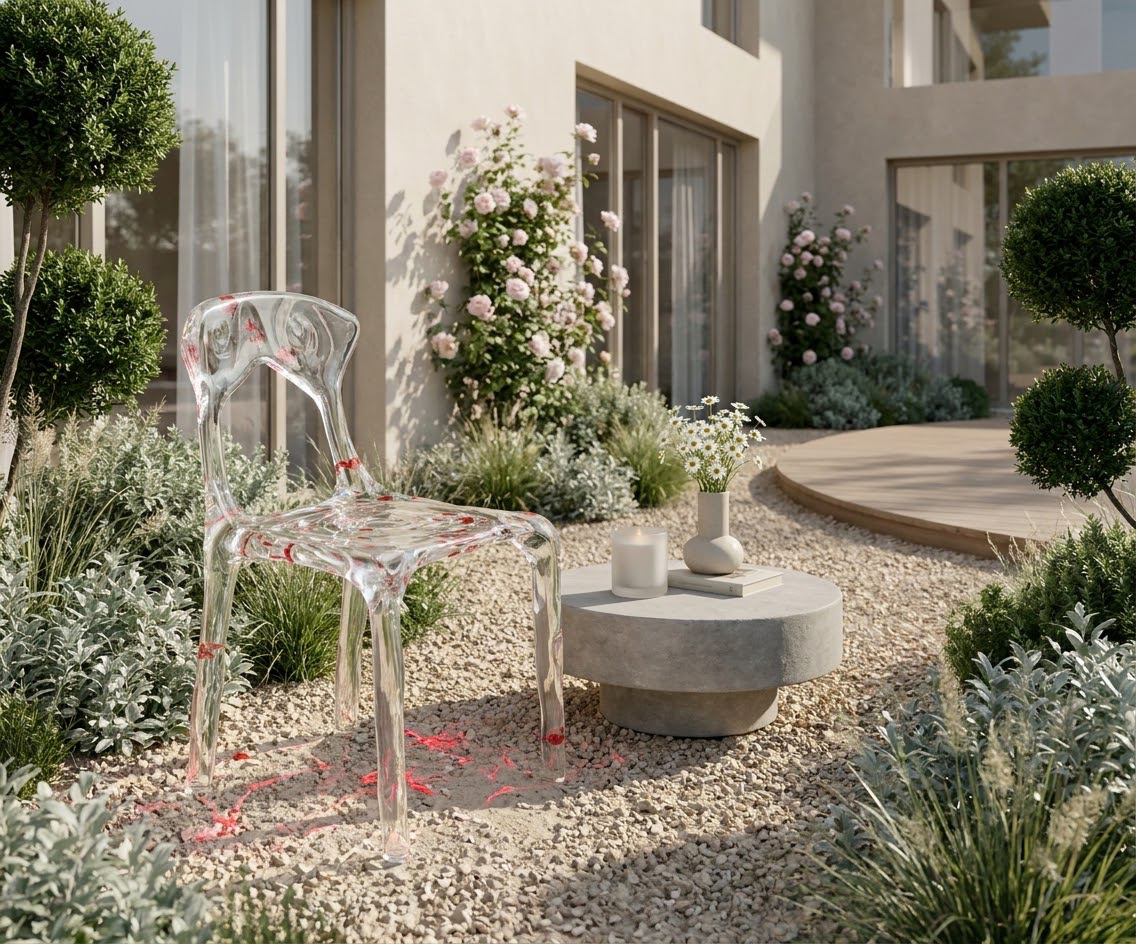
In 2026’s luxury hospitality design market, synthetic crystal furniture has become a signature choice for high-end hotel lobbies, executive lounges, and premium commercial spaces.
Its luminous texture and customizable shapes allow interior designers to create iconic visual focal points that elevate brand perception.
However, delivering large-scale custom projects on time and on spec remains a top challenge for both brands and project stakeholders.
This guide breaks down the end-to-end delivery framework for large hotel and commercial furniture projects, from initial custom production to final on-site installation.
We’ll reference 2026 industry data, real-world project cases, and material science insights to help industry experts build more reliable, scalable delivery systems.
Whether you work with artificial crystal furniture or other high-end custom furnishings, the principles below apply to any complex commercial furniture rollout.
1. Pre-Production Planning: Align Custom Requirements With Supply Chain Capabilities
The foundation of a reliable delivery system is set long before production starts.
For synthetic crystal furniture projects, misalignment between design intent and manufacturing feasibility is the #1 cause of delays in 2026, according to recent industry surveys.
1.1 Translating Interior Designer Visions Into Manufacturable Specs
Interior designers often push the boundaries of shape, size, and finish for synthetic crystal tables and chairs.
The pre-production phase must bridge creative ambition and technical reality.
Key steps in this translation process include:
Conducting a 3D design review with both design teams and manufacturing engineers to identify structural risks
Validating material compatibility for custom finishes, such as tinted layers or embedded metallic elements
Creating a full-scale prototype of high-complexity pieces for client approval before mass production
Documenting every spec change in a shared, real-time project dashboard to avoid version control errors
For example, a 2026 luxury resort project in Dubai required 42 custom synthetic crystal tables with curved edges and embedded LED strips.
The initial design called for a 12mm thickness, but engineering teams found that 18mm was needed to maintain structural integrity for large tabletops.
By catching this issue in the pre-production review, the team avoided a 6-week production rework delay.
1.2 Supply Chain Validation for High-Purity Optical-Grade Materials
Synthetic crystal furniture relies on consistent raw material quality to deliver uniform clarity and performance.
In 2026, supply chain volatility for specialty materials remains a persistent risk for premium furniture manufacturers.
Critical supply chain checks include:
Verifying that high-purity optical-grade materials suppliers have ISO 9001:2025 certification and batch traceability systems
Securing backup suppliers for core raw materials to mitigate regional shipping delays
Testing material samples for high surface hardness, light transmittance, and UV resistance before full production runs
Locking in material pricing and delivery timelines with written contracts 30+ days before production starts
A 2026 report on specialty polymer supply chains notes that 62% of high-end furniture delays stem from last-minute material quality issues.
Brands that conduct pre-production material audits reduce their delay risk by 47% compared to those that rely solely on supplier certifications.
2. Custom Production Management: Standardize Processes for High-Volume Custom Orders
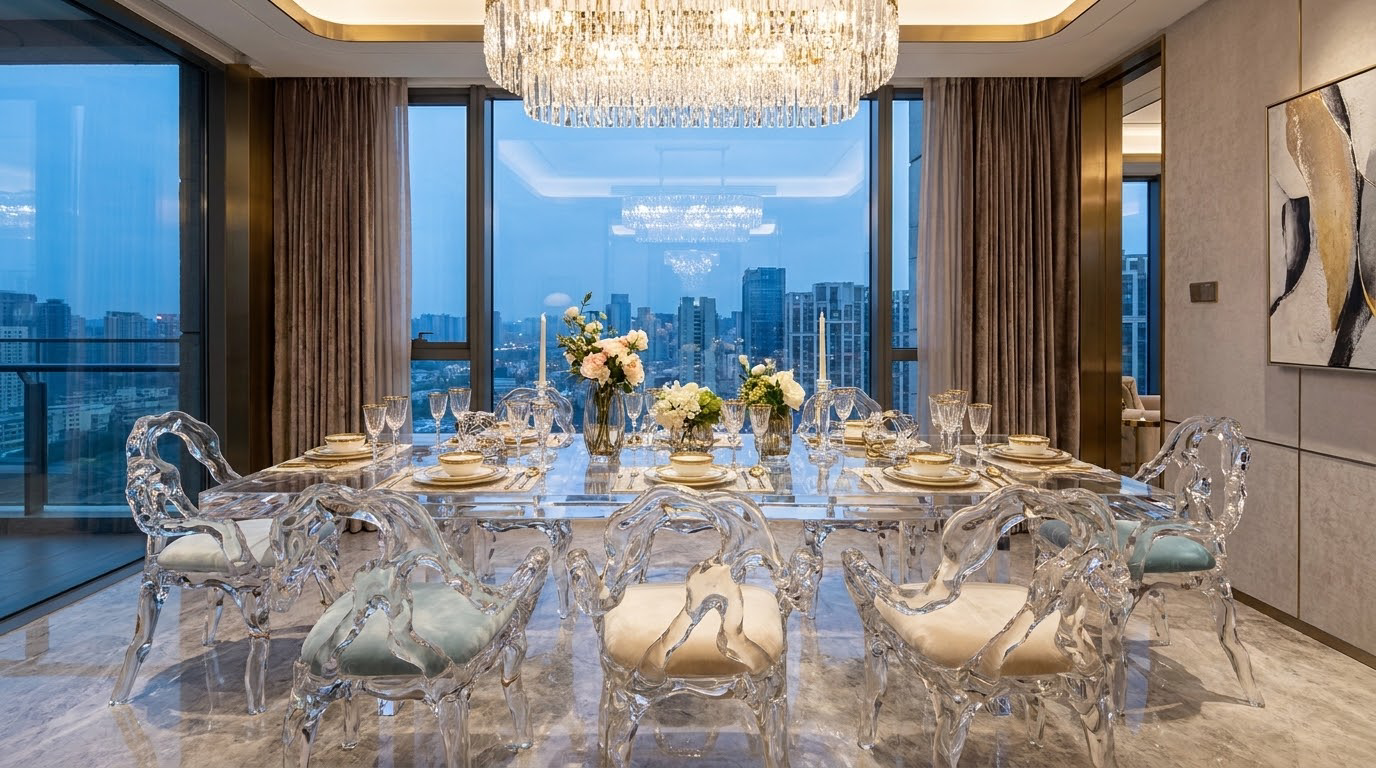
Custom production for large hotel projects requires a delicate balance: maintaining design uniqueness while ensuring consistent quality and timelines across dozens or hundreds of pieces.
For synthetic crystal furniture, this means building standardized workflows for highly customized products.
2.1 Modular Production Frameworks for Synthetic Crystal Tables and Chairs
The most successful 2026 manufacturers use a modular production approach for artificial crystal furniture.
This method breaks custom pieces into standardized core components and customizable design elements.
Core modular production benefits:
Reduces per-unit production time by 30-40% compared to fully custom one-off production
Improves quality consistency by using standardized molds for structural components
Simplifies replacement parts for post-installation maintenance
Allows parallel production of different components to shorten overall lead times
For synthetic crystal chairs, for example, the seat base and support structure may use a standardized mold, while the backrest shape, color tint, and edge finish are fully customizable.
This approach was used in a 2026 5-star hotel chain project with 180 custom chairs, cutting production time from 14 weeks to 9 weeks.
2.2 In-Process Quality Control for Performance and Aesthetics
Quality issues discovered after production are far more costly to fix than those caught mid-process.
For synthetic crystal furniture, both aesthetic and performance specs require rigorous in-process checks.
Key in-process quality control checkpoints:
Material inspection: Verify high-purity optical-grade materials composition for each production batch
Dimensional check: Measure critical dimensions of every piece using digital calipers and 3D scanning
Surface check: Inspect for bubbles, scratches, or discoloration under controlled lighting conditions
Performance test: Conduct impact and scratch tests on sample pieces to confirm high surface hardness
Finish check: Validate edge polish, tint consistency, and coating adhesion before final assembly
Brands that implement 5+ in-process checkpoints reduce post-production defect rates to under 2%, according to 2026 furniture manufacturing benchmarks.
For a 200-piece hotel project, this translates to 16 fewer reworked pieces and a 3-week faster delivery timeline.
3. Logistics and Warehousing: Protect High-Value Furniture Through the Supply Chain
Even perfect production can be undone by poor logistics.
Synthetic crystal furniture is high-value, fragile, and often oversized, making it particularly vulnerable to damage during shipping and storage.
3.1 Custom Packaging and Damage Prevention Strategies
Generic packaging is not sufficient for premium synthetic crystal furniture.
2026 data shows that 18% of commercial furniture project delays are caused by shipping damage, a number that jumps to 27% for glass and crystal-like furnishings.
Best practices for damage-free shipping:
Using custom-molded foam inserts that match the exact shape of each furniture piece
Adding reinforced wooden crates for oversized items like large synthetic crystal tables
Including shock and tilt indicators inside packaging to track handling conditions
Labeling crates with clear “fragile” and “this side up” markers in multiple languages
Using climate-controlled shipping for projects in extreme temperature regions
A leading 2026 synthetic crystal furniture brand reduced its shipping damage rate from 12% to 1.8% by switching to fully custom packaging and partnering with specialized high-value freight carriers.
The additional packaging cost was offset by the elimination of replacement and re-delivery expenses.
3.2 Regional Warehousing and Just-In-Time Delivery Coordination
For multi-location hotel projects or phased rollouts, regional warehousing plays a critical role in delivery reliability.
It allows brands to stage inventory close to project sites and respond quickly to installation schedule changes.
Key warehousing strategy components:
Partnering with climate-controlled warehousing providers in major hospitality project hubs
Implementing barcode or RFID tracking for every furniture piece for full inventory visibility
Conducting pre-delivery quality checks at the regional warehouse before final site transport
Coordinating delivery windows with on-site project managers to avoid conflicts with other trades
For a 2026 hotel chain renovation project spanning 12 properties across the U.S., a regional warehousing strategy cut final-mile delivery times by 40%.
It also allowed the brand to quickly replace 3 damaged synthetic crystal chairs without delaying the overall project timeline.

4. On-Site Installation: Execute Flawless Final Delivery for Hotel Clients
The installation phase is the most visible part of the delivery process to the client.
For large hotel and commercial projects, even minor installation errors can damage the client relationship and delay project handover.
4.1 Pre-Installation Site Assessment and Preparation
Successful installation starts before the furniture leaves the warehouse.
A pre-installation site visit ensures that the space is ready and that the installation team has all the information they need.
Critical pre-installation steps:
Measuring doorways, elevators, and hallways to confirm furniture can access the installation space
Checking floor levelness and load-bearing capacity for heavy pieces like large synthetic crystal tables
Coordinating with general contractors to ensure clean, safe work areas free of debris
Confirming power and tool access for any on-site assembly or finishing work
Reviewing site safety protocols and required PPE for the installation team
In a 2026 downtown luxury hotel project, a pre-installation assessment revealed that the lobby elevator was too small for 8 custom synthetic crystal tables.
The team was able to arrange for a crane and window access 2 weeks in advance, avoiding a costly last-minute delay.
This kind of proactive planning is a hallmark of top-tier delivery systems.
4.2 Professional Installation Teams and Post-Install Quality Assurance
The installation team is the face of the brand during final delivery.
For high-end synthetic crystal furniture projects, teams need both technical expertise and client-facing professionalism.
Characteristics of a reliable installation team:
Specialized training in handling and assembling artificial crystal furniture
Experience working in active hotel and commercial environments with minimal disruption
Attention to detail for final adjustments, alignment, and surface cleaning
Ability to identify and resolve minor on-site issues without waiting for head office approval
Clear communication with project managers and client representatives throughout the process
Post-installation quality assurance is equally important.
Top 2026 brands conduct a full walkthrough with the client, checking every piece for damage, proper alignment, and functional performance.
They also provide care and maintenance documentation, including guidance for preserving the material’s high surface hardness and optical clarity over time.
5. Post-Delivery Support: Build Long-Term Reliability and Client Loyalty
A reliable delivery system doesn’t end when the last piece is installed.
Post-delivery support turns one-time project clients into repeat customers and referral sources.
5.1 Warranty and Replacement Part Infrastructure
For commercial furniture, downtime is costly.
Hotels and commercial clients need fast resolution if a piece is damaged or fails after installation.
Key post-delivery support elements:
Clear warranty terms covering both material defects and workmanship for a minimum of 2 years
A dedicated commercial project support line with 24-hour response times for urgent issues
A spare parts inventory for common replacement components like hardware and protective feet
A streamlined replacement process for damaged synthetic crystal tables or chairs
Regular check-ins at 3, 6, and 12 months post-installation to address any emerging issues
2026 client satisfaction data shows that brands with dedicated commercial support teams have a 38% higher repeat client rate than those with general customer service.
For interior designers, reliable post-delivery support is one of the top 3 factors when choosing furniture partners for future projects.
5.2 Data-Driven Delivery System Optimization
The most reliable delivery systems are continuously improving.
By collecting data from every project, brands can identify bottlenecks and implement targeted improvements.
Key metrics to track for delivery system optimization:
On-time delivery rate for production, shipping, and installation phases
Defect rates at each quality control checkpoint
Damage rates during shipping and installation
Client satisfaction scores for communication and final delivery
Average resolution time for post-delivery issues
Leading 2026 synthetic crystal furniture brands use project management software to aggregate this data across all projects.
They conduct quarterly reviews to identify recurring issues, such as a specific component that frequently breaks in shipping or a production step that consistently runs behind schedule.
This data-driven approach allows brands to incrementally improve their delivery reliability with every project.
In conclusion, building a reliable delivery system for large hotel and commercial synthetic crystal furniture projects requires attention to every stage of the process.
From pre-production planning and custom manufacturing to logistics, on-site installation, and post-delivery support, each phase must be standardized, proactive, and data-informed.
By prioritizing clear communication, rigorous quality control, and client-centric support, brands can differentiate themselves in the competitive 2026 luxury furniture market.
For interior designers and project stakeholders, partnering with brands that have mature delivery systems reduces risk, saves time, and ensures that high-end synthetic crystal furniture projects deliver on their creative and functional promise.

READ MORE:
- How to Reduce Customization Risks for High-End Synthetic Crystal Furniture Projects: Full Solutions from Design to Delivery
- How Architects Transform Creative Visions Into Manufacturable Synthetic Crystal Furniture: Key Challenges in Structural Design and Material Processing
- Synthetic Crystal Furniture: How to Balance Aesthetics, Function and Project Efficiency in Interior Design
- Synthetic Crystal Furniture: The Ultimate Luxury Hotel Customization Guide for 2026
- How Can Design Trends Translate into Commercial Value? Creating a Competitive Edge Through Luxury Furniture
- From Hotel Lobbies to Private Clubs: How to Select Statement Furniture for Different Spaces
- Why Is Structural Design Just as Important in Furniture? The Stability and Functional Logic Behind Aesthetics
- Where Traditional Materials Meet Modern Design: How Can Transparent Furniture Redefine Classic Interiors?
- How Does Furniture Shape Spatial Perception? Design Innovation from Visual Experience to Spatial Function


