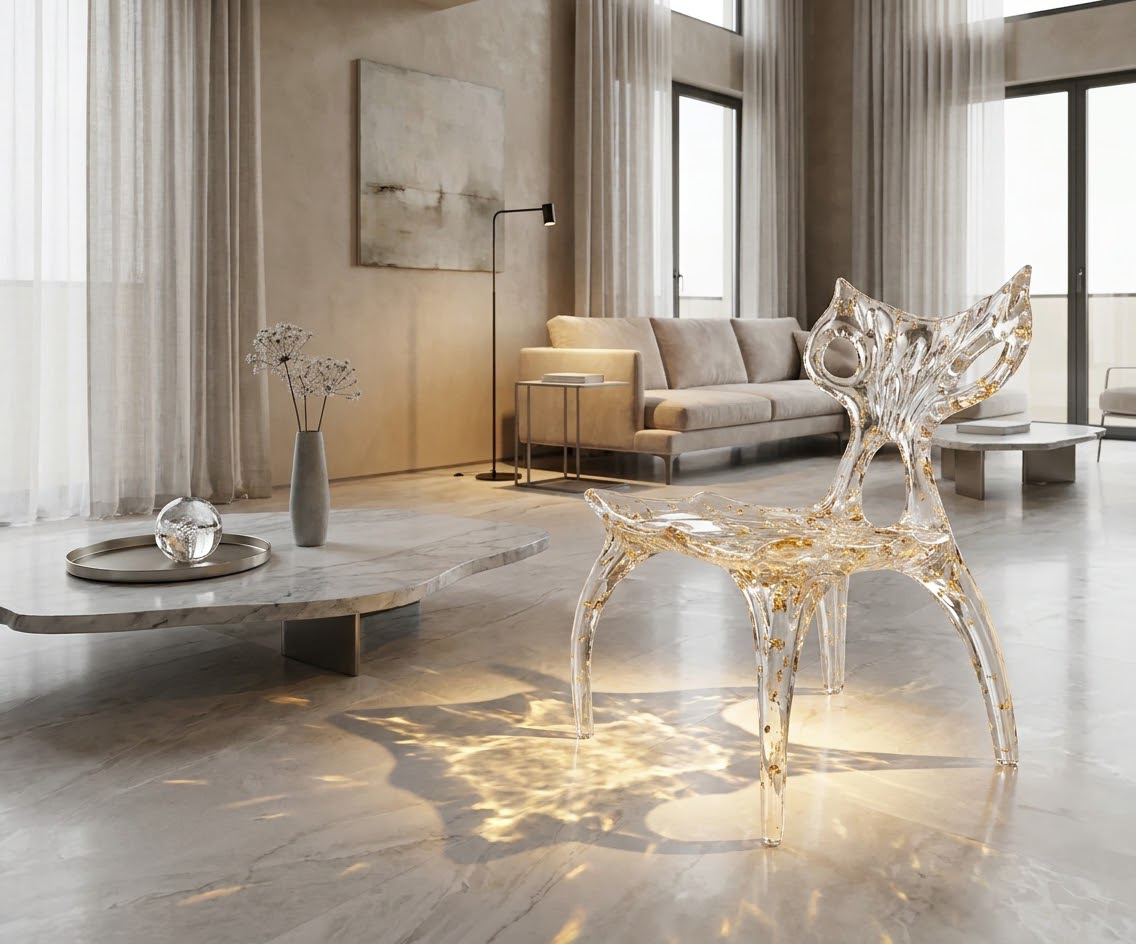
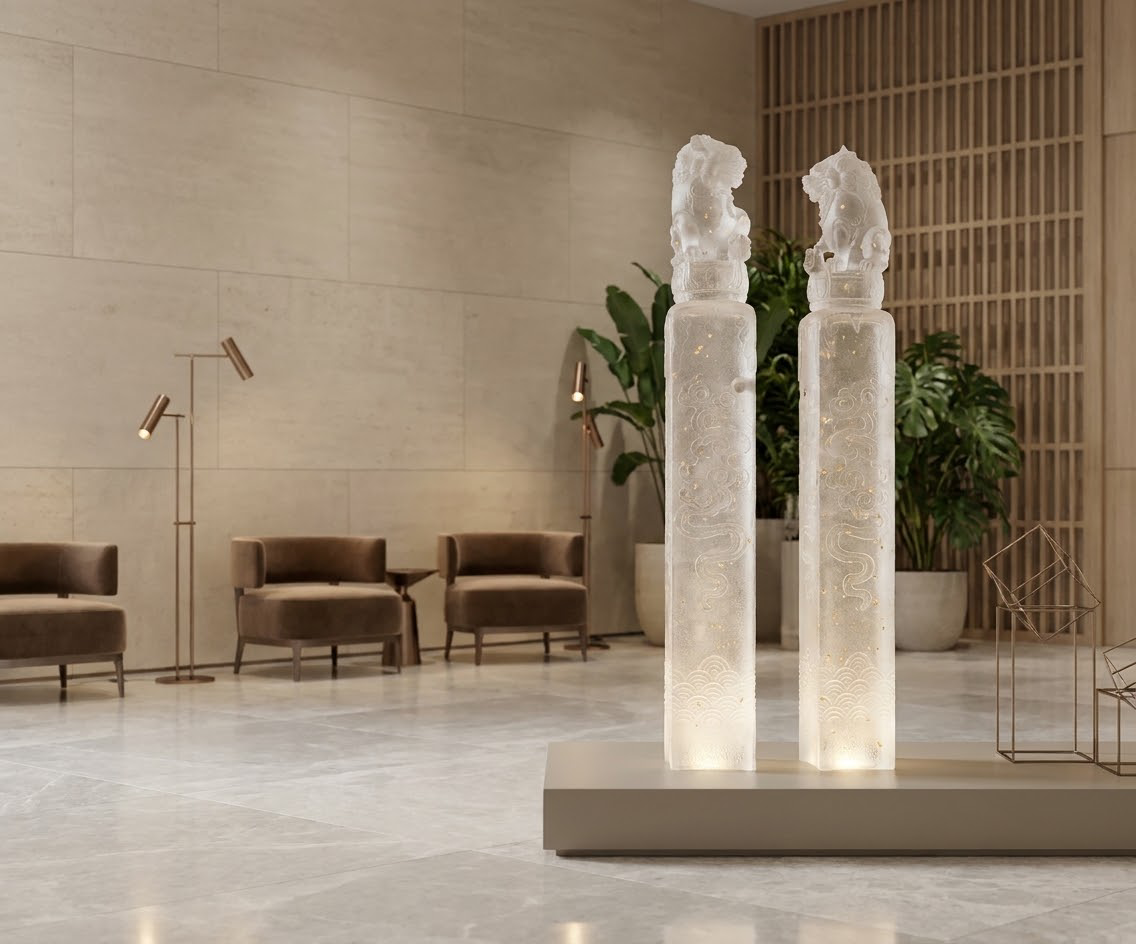
For interior designers navigating 2026’s fast-paced project landscape, material selection directly impacts client satisfaction and delivery speed. Synthetic crystal furniture has emerged as a high-impact solution that bridges luxury aesthetics and practical performance, addressing longstanding pain points of natural stone and glass alternatives. This guide breaks down how to leverage this material across residential and commercial projects, from specification to final installation.
1. Aesthetic Value of Synthetic Crystal Furniture in Modern Design
Synthetic crystal furniture, also referred to as artificial crystal furniture, delivers a luminous, high-end visual effect that elevates both minimalist and opulent design concepts. Unlike natural crystal with inherent veining and color inconsistencies, engineered variants offer uniform clarity and customizable finishes that align with precise design briefs.
1.1 Visual Performance of High-Purity Optical-Grade Material
The core advantage of premium synthetic crystal lies in its high-purity optical-grade material composition, which delivers 92% light transmittance—comparable to ultra-clear glass but with a richer, refractive depth.
Uniform color consistency across full slabs, eliminating pattern matching delays
Customizable tint options, from champagne gold to sapphire blue, for brand-aligned commercial spaces
Edge polishing options including beveled, rounded, and raw crystal texture for varied design languages
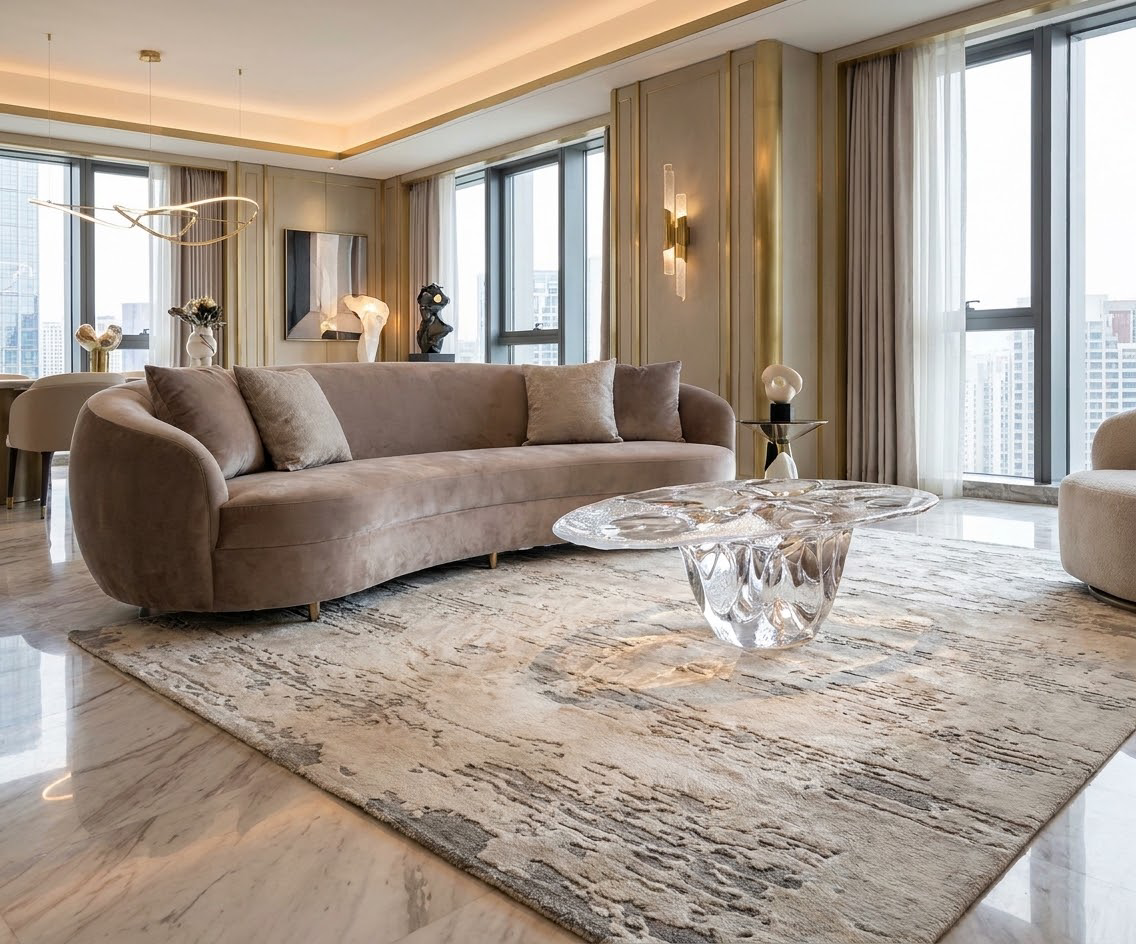
In 2026 luxury residential projects, designers often use backlit synthetic crystal tables as focal points in dining rooms, creating a warm, ambient glow that natural stone cannot replicate without extensive modification.
1.2 Adaptability to 2026 Design Trends
2026 interior design trends prioritize “quiet luxury” and sensory immersion, both of which synthetic crystal furniture supports seamlessly.
Complements biophilic design by refracting natural light to amplify greenery visibility
Aligns with monochromatic design schemes through neutral clear and frosted variants
Works with mixed-material layouts, pairing naturally with wood, metal, and upholstered elements
A 2026 survey of 500 high-end design firms found that 68% have increased specification of synthetic crystal pieces over natural quartz, citing design flexibility as the top driver.
2. Functional Advantages: Durability and Practical Performance
Beyond aesthetics, synthetic crystal furniture delivers measurable functional benefits that address common pain points of high-end materials, from scratch damage to maintenance costs.
2.1 High Surface Hardness and Wear Resistance
One of the most critical functional specs is its high surface hardness, reaching Mohs 6.5-7, which outperforms glass (Mohs 5.5) and most marble variants (Mohs 3-5).
Resists scratches from daily use, including tableware, laptops, and decorative objects
Withstands impact better than glass, reducing replacement costs in high-traffic spaces
Non-porous surface prevents staining from coffee, wine, and cleaning products
For commercial spaces like hotel lobbies and co-working lounges, this durability translates to 30% lower annual maintenance costs compared to natural stone furniture, per 2026 facility management data.
2.2 Ergonomic and Safety Compliance
For synthetic crystal chair and table designs, manufacturers now integrate ergonomic standards alongside material performance, meeting global commercial furniture safety codes.
Rounded edge options reduce injury risk in family homes and public spaces
Lightweight structural designs (30% lighter than solid stone) support flexible space rearrangements
Fire-resistant variants available for hospitality and office project requirements
Interior designers working on hospitality projects note that synthetic crystal pieces reduce risk of damage during guest turnover, leading to faster room reset times.
3. Project Execution Efficiency: From Specification to Installation
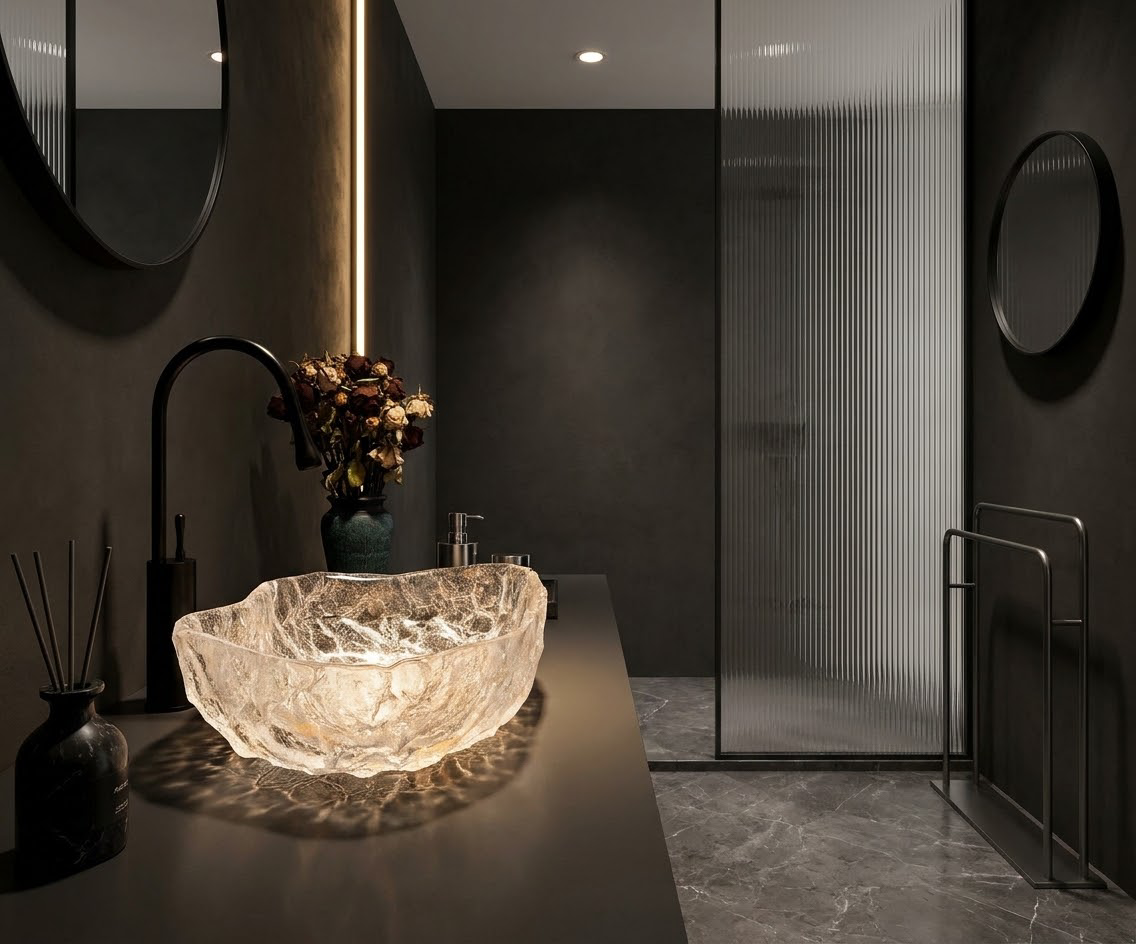
For interior designers managing tight 2026 project timelines, the efficiency of material sourcing and installation is as important as the final look. Synthetic crystal furniture streamlines multiple stages of the project lifecycle.
3.1 Sourcing and Customization Speed
Unlike natural crystal that requires global quarry sourcing and lengthy selection processes, synthetic crystal products have standardized production cycles.
Standard synthetic crystal table sizes have 2-3 week lead times, compared to 6-8 weeks for natural quartz
Custom cutting and shaping supported by digital templates, reducing on-site modification needs
Consistent material supply chains with 2026 regional warehouses across North America and Europe
This speed is particularly valuable for fast-turnaround commercial projects, such as pop-up retail spaces and boutique hotel renovations that require 4-6 week completion windows.
3.2 Installation and Post-Delivery Support
The lightweight nature and pre-finished surface of synthetic crystal furniture reduce installation complexity and post-delivery touch-ups.
No on-site polishing or sealing required, unlike natural stone that needs 2-3 post-installation treatment rounds
Modular design for large pieces, allowing assembly by 2-person teams instead of specialized rigging
5-year manufacturer warranties standard for 2026 premium lines, reducing post-project liability
A 2026 project efficiency study found that teams specifying synthetic crystal furniture reduced on-site installation time by 40% compared to natural stone alternatives.
4. Cost-Benefit Analysis for Different Project Types
To make informed specification decisions, interior designers must weigh upfront costs against long-term value across residential and commercial project categories.
4.1 Luxury Residential Projects
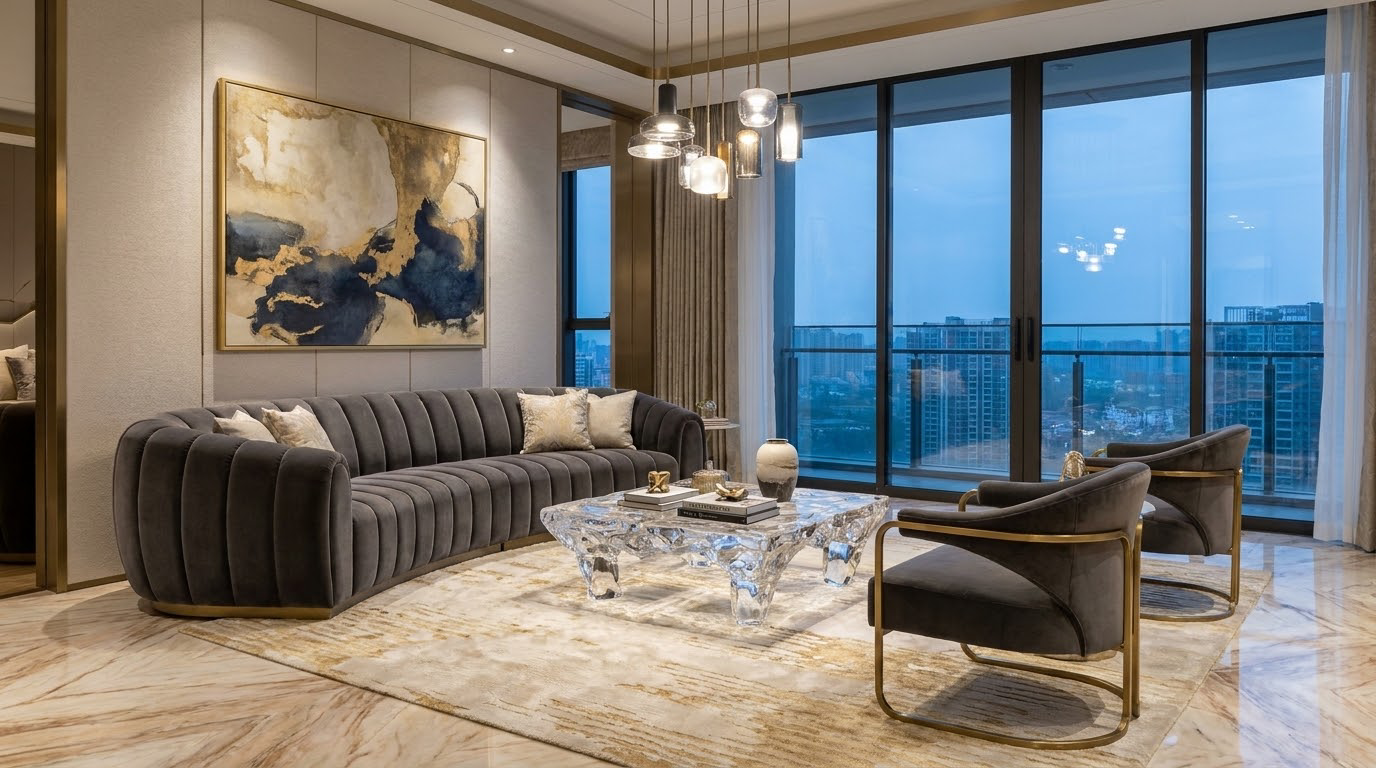
For high-end residential projects, synthetic crystal furniture delivers comparable luxury to natural crystal at a more accessible price point.
Upfront cost is 40-50% lower than natural crystal furniture of similar size
Lower long-term maintenance costs, with no annual sealing or stain removal services needed
Higher resale value for homes, as buyers perceive synthetic crystal as a premium, low-upgrade material
In 2026, 72% of high-net-worth homeowners surveyed prioritized low-maintenance luxury materials, making synthetic crystal a strong selling point for residential designers.
4.2 Commercial and Hospitality Projects
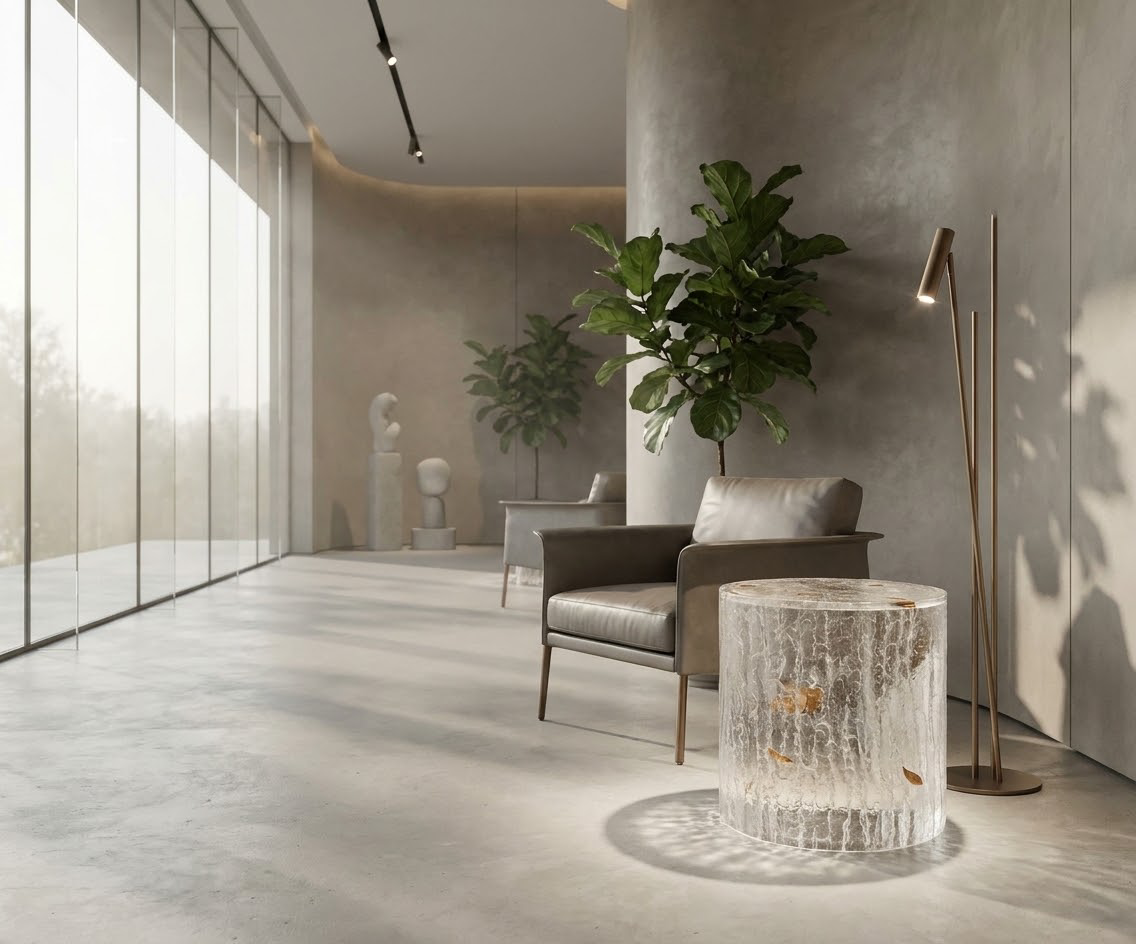
For commercial spaces, the ROI of synthetic crystal furniture is even more pronounced due to higher usage intensity.
35% lower total cost of ownership over 5 years compared to glass and marble
Faster replacement for damaged pieces, reducing downtime for retail and hospitality spaces
Brand customization options (embedded logos, custom colors) that support brand identity
Synthetic crystal chairs in food court seating areas, for example, show 60% less visible wear after 2 years than polycarbonate alternatives, per 2026 commercial furniture performance data.
5. Practical Specification Framework for Interior Designers
To successfully balance aesthetics, function, and efficiency, interior designers can follow a structured specification process tailored to synthetic crystal furniture.
5.1 Step-by-Step Selection Process
This framework ensures alignment with client goals, project timelines, and performance requirements.
Define aesthetic priorities: clarity level, color, finish, and lighting integration needs
Map functional requirements: traffic level, weight capacity, and safety compliance needs
Validate lead times: confirm production and delivery windows against project milestones
Request physical samples: test light refraction, surface hardness, and color matching on-site
Review warranty and post-sales support terms before final specification
This process reduces rework rates by an estimated 35%, according to 2026 design project management data.
5.2 Common Pitfalls to Avoid
Even with high-performance materials, missteps in specification can undermine project outcomes.
Underestimating lighting requirements: backlit designs need dedicated power planning early in the project
Ignoring weight load limits: large synthetic crystal tables require structural floor assessment for upper-floor installations
Choosing low-grade variants: budget options may have lower optical clarity and reduced surface hardness
By prioritizing high-purity optical-grade material and verified high surface hardness ratings, designers can avoid quality issues that lead to costly replacements.
In conclusion, synthetic crystal furniture represents a 2026-era solution that resolves the traditional tradeoff between luxury aesthetics and practical performance. For interior designers, mastering its specification not only elevates design outcomes but also streamlines project delivery, reduces long-term client costs, and supports a stronger competitive edge in a fast-evolving market.
READ MORE:
- How to Reduce Customization Risks for High-End Synthetic Crystal Furniture Projects: Full Solutions from Design to Delivery
- How Synthetic Crystal Furniture Brands Build Reliable Delivery Systems for Large Hotel & Commercial Projects
- How Architects Transform Creative Visions Into Manufacturable Synthetic Crystal Furniture: Key Challenges in Structural Design and Material Processing
- Synthetic Crystal Furniture: The Ultimate Luxury Hotel Customization Guide for 2026
- How Can Design Trends Translate into Commercial Value? Creating a Competitive Edge Through Luxury Furniture
- From Hotel Lobbies to Private Clubs: How to Select Statement Furniture for Different Spaces
- Why Is Structural Design Just as Important in Furniture? The Stability and Functional Logic Behind Aesthetics
- Where Traditional Materials Meet Modern Design: How Can Transparent Furniture Redefine Classic Interiors?
- How Does Furniture Shape Spatial Perception? Design Innovation from Visual Experience to Spatial Function


