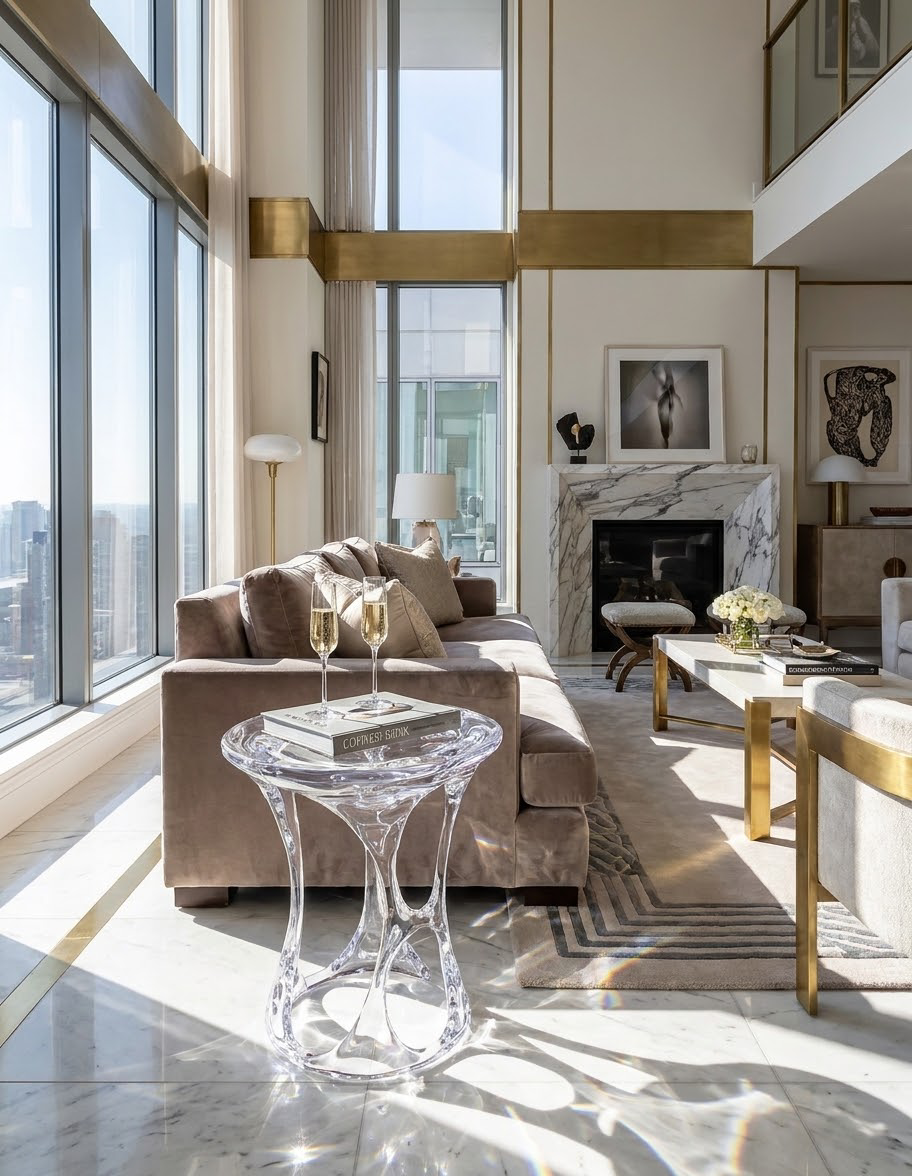
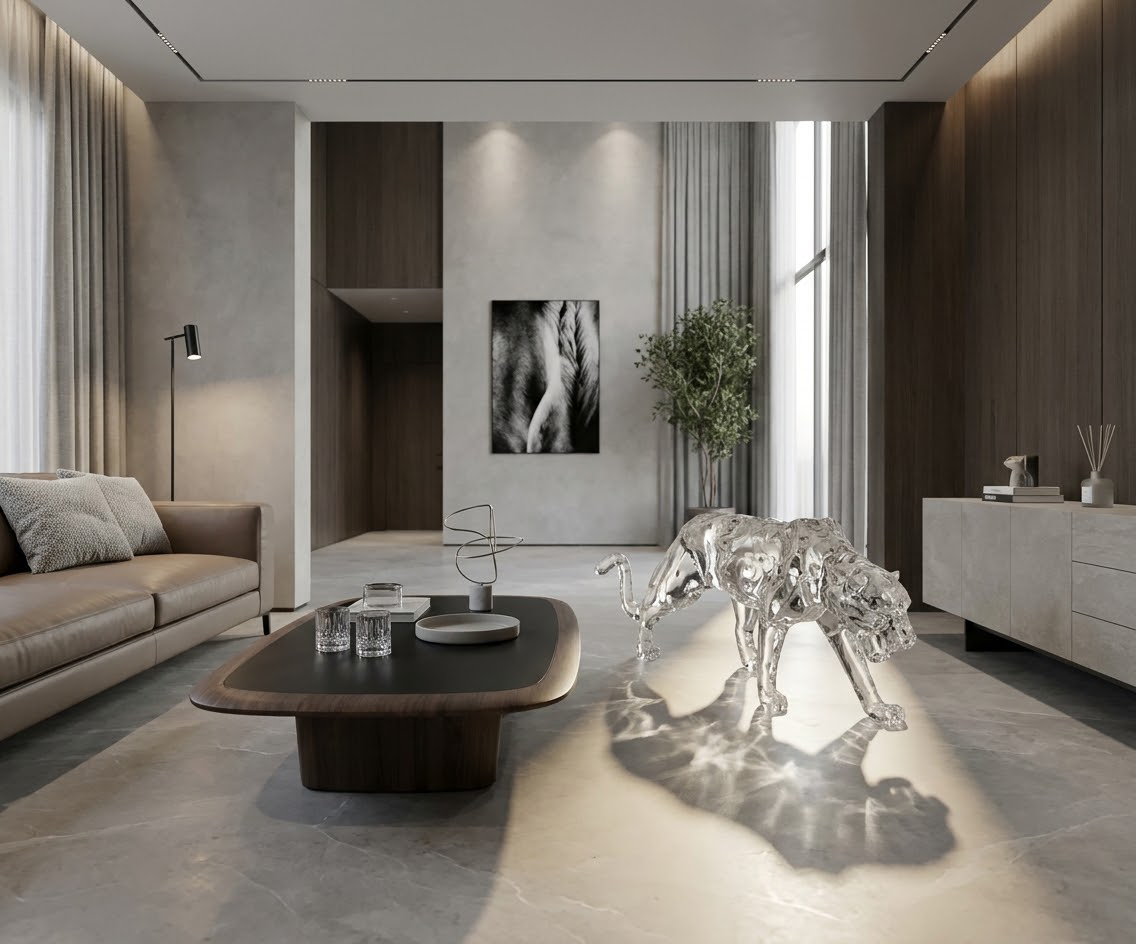
For architects pushing the boundaries of interior spatial design, synthetic crystal furniture represents one of the most exciting intersections of art and engineering. As of 2026, demand for these translucent, light-refracting pieces has surged 42% year-over-year, driven by high-end residential and commercial projects seeking signature focal points.
Yet turning conceptual sketches of glowing crystal tables and chairs into production-ready pieces requires solving complex structural and material challenges that many firms underestimate.
This guide breaks down the end-to-end process of scaling artificial crystal furniture from concept to manufacturing, with actionable insights for architecture studios and custom fabrication teams. We draw on 2026 industry data, real-world project case studies, and material science advancements to outline proven frameworks for success.
1. Bridging Conceptual Design and Manufacturing Feasibility for Synthetic Crystal Furniture
Architects often approach synthetic crystal furniture as a sculptural element first, prioritizing visual impact over production practicality. Closing the gap between vision and manufacturability requires a cross-functional workflow from the earliest sketch phases.
1.1 Translating Architectural Concepts Into Production-Ready Specifications
The first step is converting organic, geometric, or parametric design concepts into measurable specifications that fabrication teams can execute. Many 2026 design studios now integrate manufacturing engineers into initial ideation sessions to avoid costly reworks later.
Key translation steps include:
Defining load-bearing requirements based on intended use (e.g., dining tables vs. decorative accent pieces)
Mapping light refraction goals to material thickness and surface finish specifications
Establishing tolerance ranges for joints, edges, and surface imperfections
Aligning design complexity with available CNC cutting and polishing equipment
For example, a 2026 project for a Miami beachfront villa required a 3-meter synthetic crystal dining table with a wave-like edge. The initial design called for a 20mm thickness, but engineering analysis showed 35mm was needed to prevent flexing under uneven weight distribution.
The final design retained the visual wave effect while adjusting internal structural ribbing to meet safety standards.
1.2 Common Design Missteps That Delay Synthetic Crystal Furniture Production
Even experienced architecture firms fall prey to predictable design pitfalls when working with synthetic crystal furniture. Identifying these early can cut production timelines by 30% or more, according to 2026 Custom Furniture Association data.
Most frequent missteps include:
Specifying sharp internal corners that create stress fracture points during polishing
Overestimating the maximum single-piece slab size available from suppliers
Neglecting to account for material shrinkage during the curing and finishing process
Designing connection points that compromise the material’s natural light-transmitting properties
Interior designers collaborating on mixed-material projects often add to these challenges by requesting metal or wood inlays that require precision drilling.
Without proper planning, these inlays can create thermal expansion mismatches that crack the crystal over time.
2. Structural Design Challenges for High-Purity Optical-Grade Material Pieces
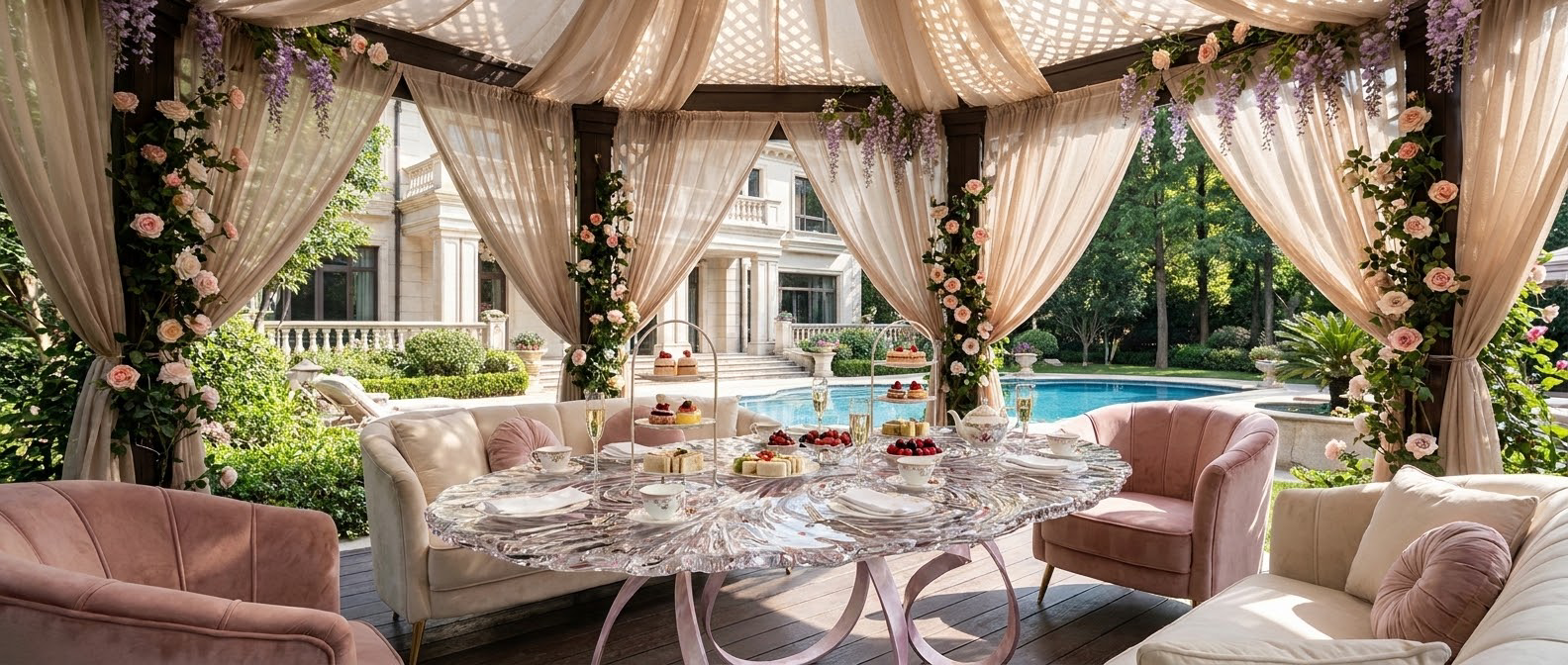
Synthetic crystal furniture made from high-purity optical-grade materials demands structural engineering that balances transparency, strength, and durability. Unlike traditional furniture materials, crystal behaves differently under stress, temperature changes, and impact loads.
2.1 Load-Bearing Engineering for Translucent Furniture Forms
The primary structural challenge is designing pieces that support real-world use without visible reinforcement that ruins the aesthetic. For synthetic crystal tables, this means distributing weight across the slab while minimizing deflection under maximum load.
Critical structural design considerations include:
Calculating maximum deflection limits (typically 1/300 of span for table tops)
Integrating hidden internal support ribs that don’t block light transmission
Selecting base connection points that distribute stress evenly across the crystal slab
Testing for dynamic load scenarios (e.g., someone leaning on an edge or sitting on a table)
High surface hardness is a key advantage of modern synthetic crystal formulations, with 2026 materials rating 7.5 on the Mohs scale—harder than most natural stone. However, hardness doesn’t equal impact resistance; sharp blows can still cause chipping or cracking, especially at edges.
For synthetic crystal chairs, structural challenges are even more complex. The design must support up to 150kg of dynamic weight while maintaining the delicate, transparent appearance that makes the pieces desirable. Leading 2026 manufacturers use finite element analysis (FEA) software to simulate stress points before producing physical prototypes.
2.2 Thermal and Environmental Stress Resistance in Synthetic Crystal Furniture
High-purity optical-grade materials are sensitive to rapid temperature changes, which can cause internal stress fractures. This is a critical consideration for pieces placed near windows, fireplaces, or outdoor patio spaces.
Key environmental stress factors to address:
Thermal expansion coefficient matching for mixed-material assemblies
UV resistance ratings for pieces exposed to direct sunlight
Moisture sealing for bathroom or outdoor installations
Temperature fluctuation tolerance for commercial spaces with variable HVAC
A 2026 hospitality project in Las Vegas nearly failed when synthetic crystal bar tops cracked within three months of installation. Investigation revealed the bar’s under-counter refrigeration units created a 25°C temperature difference between the top and bottom of the 40mm slabs.
The solution involved adding a thin thermal barrier layer and adjusting the HVAC airflow to maintain consistent material temperature.
This case study is now used as a training example for firms working with artificial crystal furniture in commercial settings.

3. Material Processing Innovations for Custom Synthetic Crystal Furniture
2026 has seen major advancements in synthetic crystal furniture manufacturing, with new techniques that reduce waste, improve precision, and enable more complex designs. Understanding these innovations helps architects push creative boundaries while staying within production capabilities.
3.1 Cutting, Shaping, and Polishing Techniques for Optical Clarity
Achieving the flawless, light-refracting finish that defines premium synthetic crystal furniture requires multi-stage processing that can take weeks for large pieces. Modern CNC technology has dramatically improved accuracy, but hand finishing still plays a critical role.
The standard 2026 processing workflow includes:
Raw block cutting using diamond wire saws to minimize material waste
Rough shaping with 5-axis CNC mills for complex geometric forms
Gradient polishing with progressively finer abrasives (up to 12 stages for optical-grade finish)
Edge profiling and beveling to enhance light refraction at boundaries
Final quality inspection under polarized light to detect internal stress lines
High surface hardness makes polishing more labor-intensive compared to glass or acrylic, but it also means the finish will resist scratches for decades with proper care. For interior designers specifying pieces for high-traffic commercial spaces, this durability is a major selling point.
One 2026 innovation is ultrasonic-assisted polishing, which reduces hand polishing time by 40% while achieving more consistent surface quality. This technology has made large-format synthetic crystal tables more accessible for mid-range luxury projects, not just ultra-high-end commissions.
3.2 Joining and Assembly Methods for Seamless Crystal Furniture
Creating large synthetic crystal furniture pieces often requires joining multiple slabs, as single blocks of high-purity optical-grade materials have size limitations. The goal is joints that are virtually invisible to the naked eye while maintaining structural integrity.
Common joining techniques in 2026:
Optical adhesive bonding with refractive index-matched glue for invisible seams
Interlocking dovetail joints for structural applications (e.g., table leg connections)
UV-cured resin infusion for repairing minor surface imperfections
Mechanical fasteners with crystal caps for mixed-material assemblies
The biggest challenge with adhesive joining is ensuring the bond matches the crystal’s optical properties perfectly. Even a 1% difference in refractive index creates a visible line that ruins the seamless aesthetic.
For synthetic crystal chairs, joining is especially critical because the pieces experience repeated dynamic loading. Leading manufacturers use a combination of adhesive bonding and hidden mechanical fasteners to ensure long-term structural safety while preserving the transparent design.
4. Quality Control and Testing Protocols for Premium Crystal Furniture
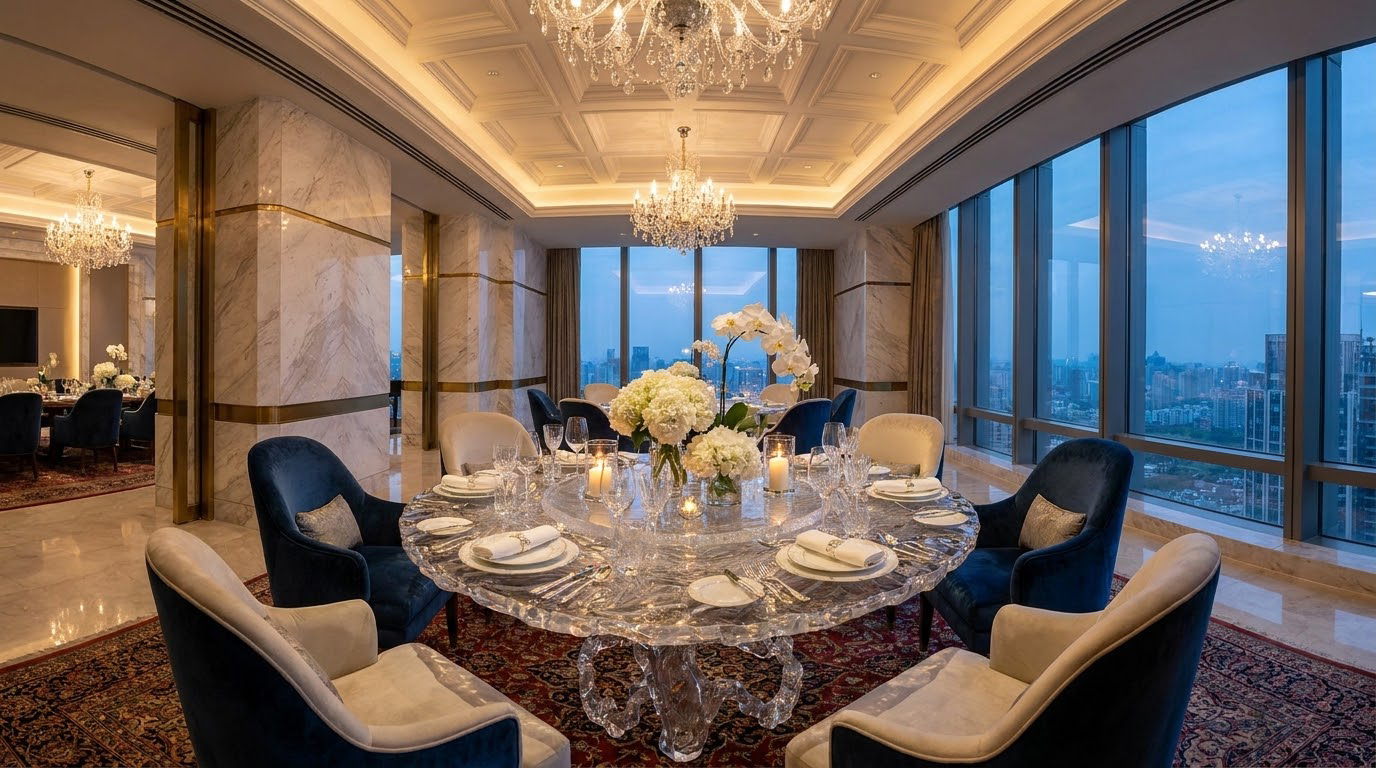
Ensuring every piece of synthetic crystal furniture meets safety, durability, and aesthetic standards requires rigorous quality control (QC) throughout the manufacturing process. 2026 industry standards are stricter than ever, driven by growing demand from commercial clients with liability concerns.
4.1 Aesthetic and Optical Quality Verification
For high-end artificial crystal furniture, visual perfection is non-negotiable. Even tiny internal bubbles, surface scratches, or color inconsistencies can render a piece unacceptable for luxury projects.
Standard aesthetic QC checks include:
Visual inspection under multiple light sources (natural daylight, warm LED, cool fluorescent)
Polarized light testing to detect internal stress patterns
Surface roughness measurement using profilometers (target: <0.02μm Ra for optical finish)
Color consistency comparison against approved sample swatches
Edge profile verification using digital calipers and template matching
Interior designers often attend final inspection sessions in person to approve pieces before shipping, as lighting conditions in the factory can differ significantly from the installation space. Many 2026 firms now offer virtual inspection options with high-resolution photography and video walkthroughs.
High surface hardness actually simplifies some QC processes, as pieces are less likely to develop minor scratches during handling and shipping. Still, custom foam packaging and climate-controlled shipping are standard for premium synthetic crystal tables and chairs.
4.2 Structural Safety and Durability Testing
Beyond aesthetics, synthetic crystal furniture must pass strict structural safety tests to meet building code requirements and reduce liability risk for architects and manufacturers.
Required structural tests for 2026 commercial projects:
Static load testing (1.5x maximum intended load for 72 hours)
Impact resistance testing (dropped object simulation per ANSI/BIFMA standards)
Fatigue testing (100,000+ cycles of repeated loading for chair seats and table edges)
Thermal shock testing (rapid temperature changes to test for stress fracture resistance)
Chemical resistance testing (for hospitality and healthcare applications)
A 2026 independent study of 50 synthetic crystal furniture pieces found that 18% failed initial structural testing, mostly due to inadequate edge reinforcement or improper adhesive application. This highlights the importance of working with experienced manufacturers that prioritize testing over speed.
For residential projects, testing requirements are less formal, but leading firms still apply commercial-grade standards to ensure customer satisfaction and long-term durability.
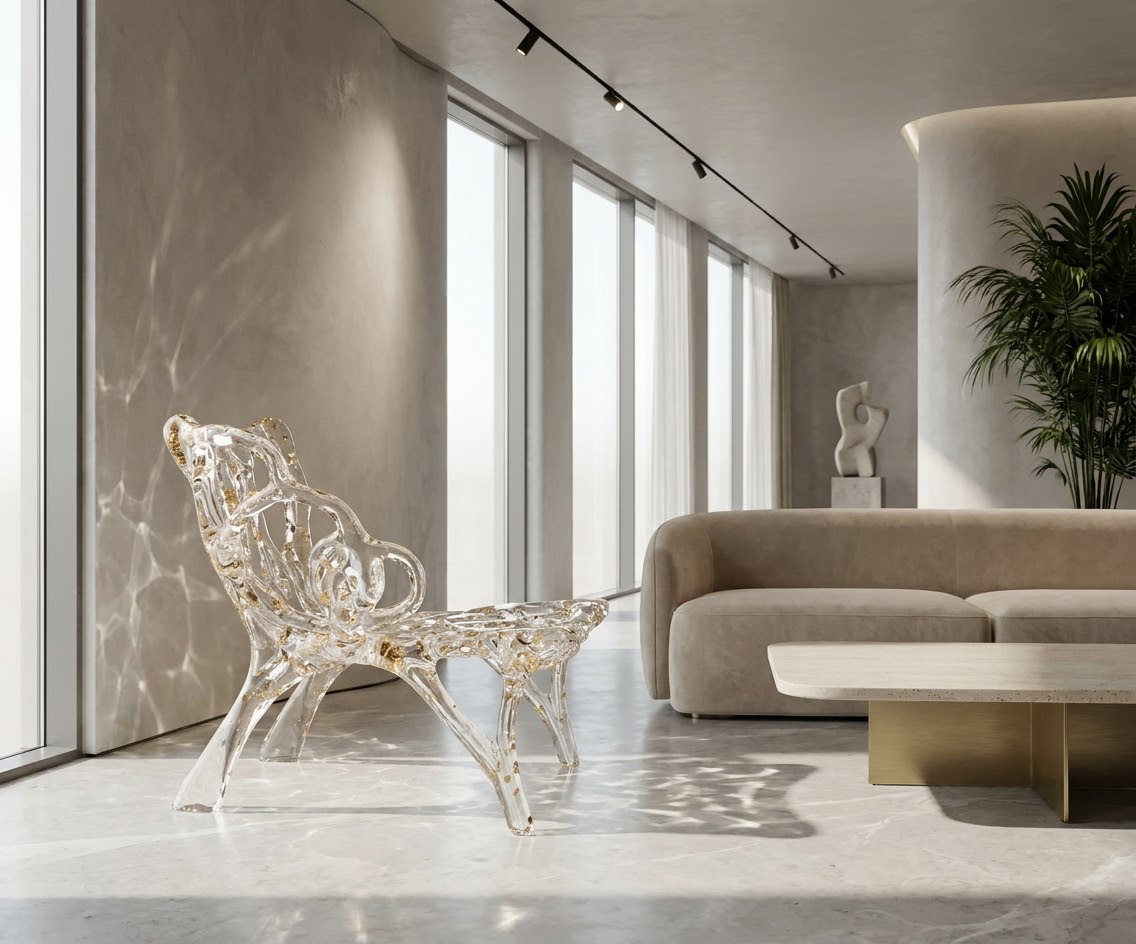
5. 2026 Market Trends and Future Directions for Custom Crystal Furniture
The synthetic crystal furniture market is evolving rapidly, with new materials, technologies, and design trends shaping what’s possible. For architects and interior designers, staying ahead of these trends helps create spaces that feel current and innovative.
5.1 Emerging Design Trends Driving Synthetic Crystal Furniture Demand
As of 2026, several key design trends are pushing manufacturers to develop new capabilities for artificial crystal furniture. These trends are driven by both aesthetic preferences and functional needs in modern interior design.
Top 2026 trends include:
Biophilic design integration: Crystal pieces that incorporate embedded natural elements like preserved moss or mineral inclusions
Interactive lighting: LED-integrated synthetic crystal tables that change color or brightness based on user input
Sustainable formulations: Recycled crystal content and low-energy manufacturing processes
Modular systems: Interchangeable crystal components that allow clients to reconfigure furniture over time
Artistic collaborations: Limited-edition pieces created in partnership with fine artists and sculptors
Interior designers are particularly excited about modular crystal furniture systems, which offer the luxury of custom design without the full custom price tag. These systems use standardized connection hardware that works across multiple table and chair designs.
High-purity optical-grade materials remain the gold standard for premium pieces, but mid-range options with slightly lower purity levels are opening the market to a broader range of projects.
5.2 Future Technological Advancements to Watch
Looking ahead to 2027 and beyond, several emerging technologies promise to transform how synthetic crystal furniture is designed and manufactured. Architects who understand these advancements can start incorporating them into project planning now.
Key technologies on the horizon:
3D-printed crystal structures that enable complex internal geometries impossible with traditional cutting
Self-healing crystal coatings that repair minor scratches automatically
Nanotechnology-enhanced surfaces that repel fingerprints and reduce cleaning needs
AI-driven design tools that optimize structural performance while maintaining aesthetic goals
Carbon-negative manufacturing processes that offset all production emissions
One particularly promising development is the integration of fiber optics directly into synthetic crystal furniture during the casting process. This allows for dynamic lighting effects that flow through the material itself, rather than being applied externally.
For architects, these advancements mean synthetic crystal furniture will continue to evolve from purely decorative elements to functional, interactive components of smart interior spaces. The firms that master the balance of creative design and manufacturing practicality will lead this growing market.
As the demand for custom synthetic crystal tables, chairs, and installation pieces continues to rise, the architects who can bridge creative vision and manufacturing reality will deliver the most impactful projects. By understanding the structural challenges, material capabilities, and quality standards outlined in this guide, design teams can create stunning crystal furniture that is both artistically exceptional and reliably manufacturable.
READ MORE:
- How to Reduce Customization Risks for High-End Synthetic Crystal Furniture Projects: Full Solutions from Design to Delivery
- How Synthetic Crystal Furniture Brands Build Reliable Delivery Systems for Large Hotel & Commercial Projects
- Synthetic Crystal Furniture: How to Balance Aesthetics, Function and Project Efficiency in Interior Design
- Synthetic Crystal Furniture: The Ultimate Luxury Hotel Customization Guide for 2026
- How Can Design Trends Translate into Commercial Value? Creating a Competitive Edge Through Luxury Furniture
- From Hotel Lobbies to Private Clubs: How to Select Statement Furniture for Different Spaces
- Why Is Structural Design Just as Important in Furniture? The Stability and Functional Logic Behind Aesthetics
- Where Traditional Materials Meet Modern Design: How Can Transparent Furniture Redefine Classic Interiors?
- How Does Furniture Shape Spatial Perception? Design Innovation from Visual Experience to Spatial Function


