Synthetic Crystal Furniture, Design-oriented Transparent Furniture, Acrylic Furniture, and High-end Decorative Transparent Furniture have become core solutions for 2026’s complex interior projects, from luxury hotels to high-end residential spaces. As interior designers and architects seek to balance visual lightness with durability, the demand for custom transparent furniture continues to rise. This guide breaks down every step of specifying transparent furniture, from material selection to custom fabrication, with 2026’s latest industry data and real-world case studies.
Transparent furniture in interior design offers unique advantages: it creates the illusion of larger spaces, complements bold design elements, and adds a modern, luxurious touch. For complex interiors with mixed materials, tight spatial constraints, or custom design requirements, choosing the right transparent furniture requires careful consideration of aesthetics, structure, and manufacturing feasibility.
1. Evaluate Material Options for Aesthetic and Performance Alignment
The first step in specifying transparent furniture is selecting the right material to match your project’s aesthetic goals and functional needs. 2026’s market offers three primary transparent furniture materials, each with distinct properties for different use cases.
1.1 Compare Core Transparent Furniture Materials
Each material delivers unique benefits for different project types, from residential decorative pieces to high-traffic commercial spaces.
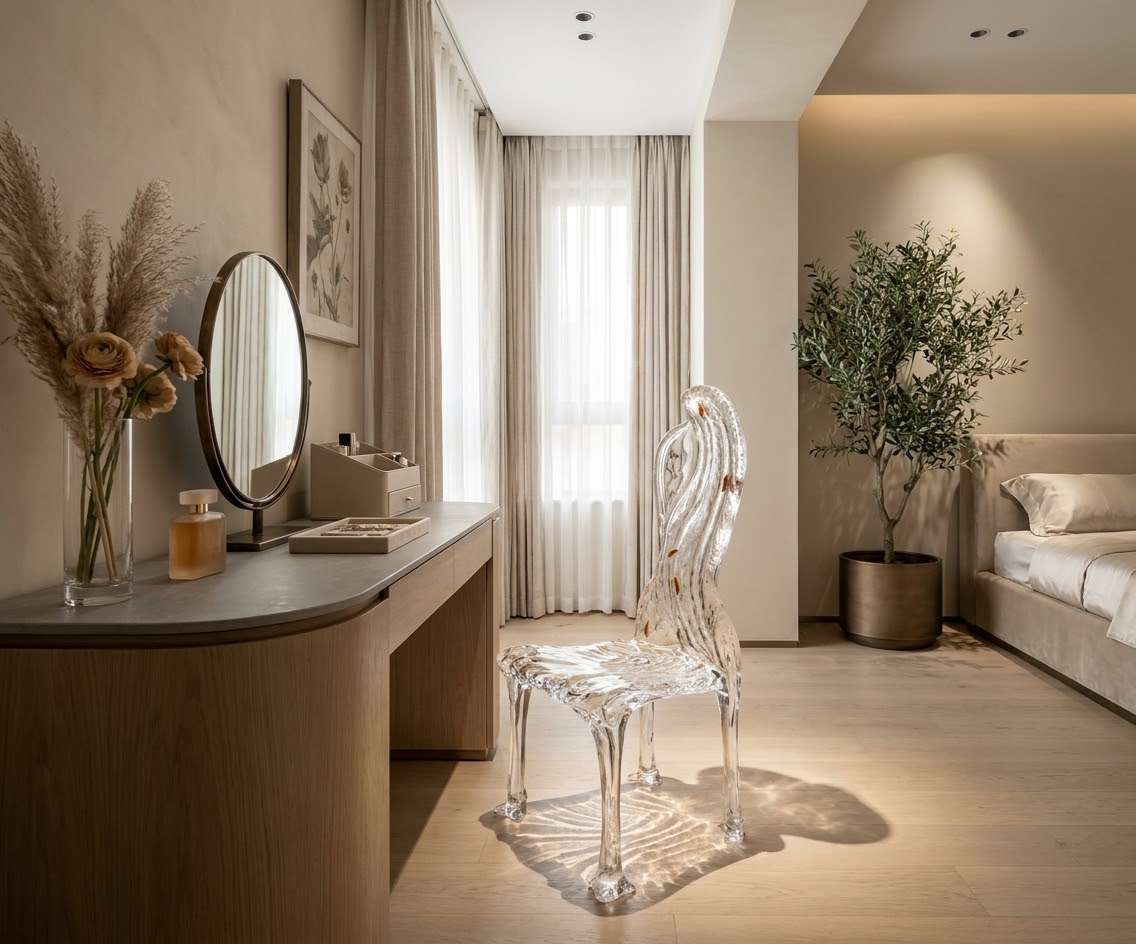
Synthetic crystal furniture: Offers the highest optical transparency (up to 93%) and a premium, glass-like appearance, ideal for High-end Decorative Transparent Furniture in luxury settings.
Acrylic Furniture (organic glass furniture): Lightweight, shatter-resistant, and easy to fabricate, making it perfect for custom design furniture that requires complex shapes or frequent movement.
Transparent resin furniture: Highly moldable and available in tinted or textured finishes, suitable for artistic, one-of-a-kind transparent decorative furniture pieces.
For 2026 projects, synthetic crystal leads in luxury residential and hotel applications, while acrylic remains the top choice for commercial and high-traffic spaces.
1.2 Match Materials to Project Functional Requirements
Beyond aesthetics, material selection must align with the furniture’s intended use and environmental conditions.
Consider these key factors when choosing materials:
Traffic level: High-traffic commercial spaces require materials with high scratch resistance, such as high-thickness acrylic structures or reinforced synthetic crystal.
Load-bearing needs: For pieces like transparent dining tables or synthetic crystal tables, prioritize materials with high mechanical strength, such as 20mm+ thick acrylic or cast synthetic crystal.
Environmental conditions: Outdoor or humid spaces (like hotel pool areas) need UV-resistant and moisture-resistant transparent materials.
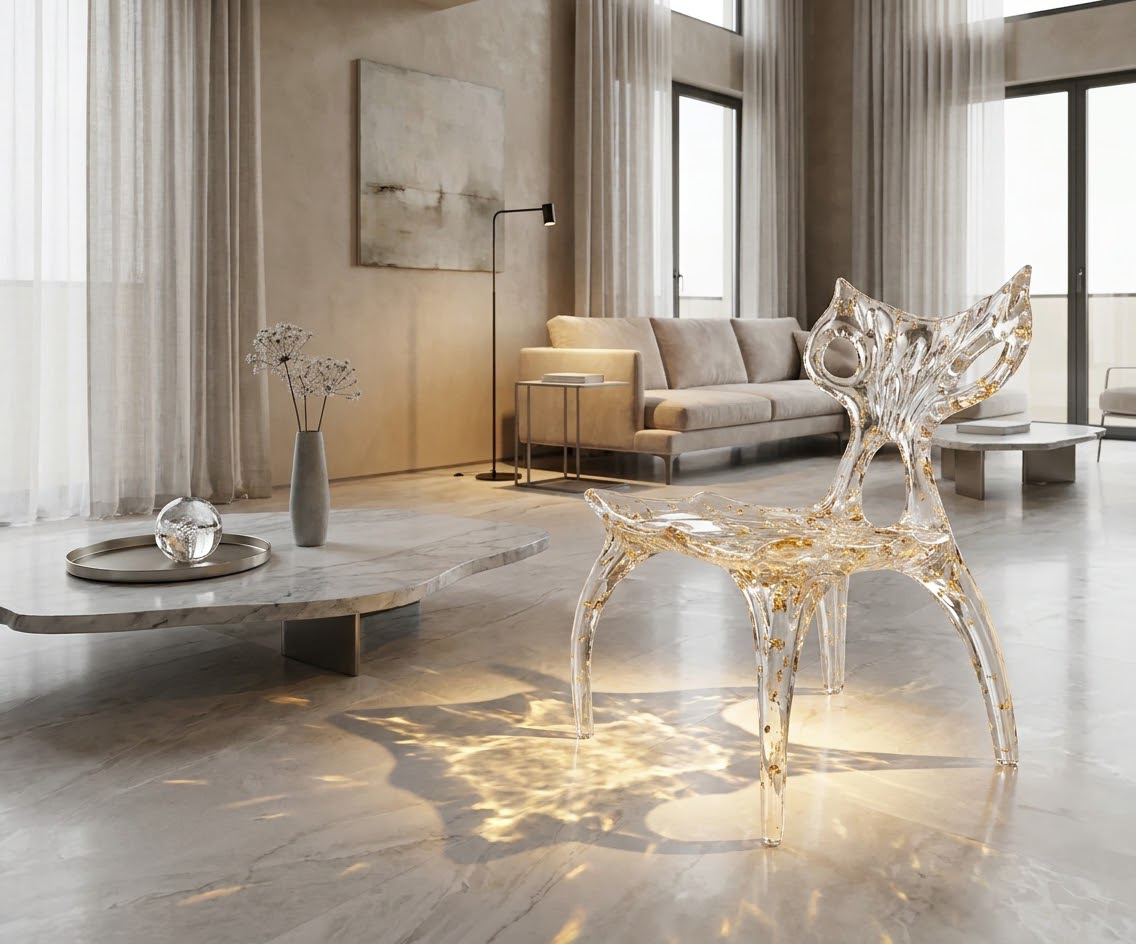
For example, Synthetic Crystal Furniture suitable for modern interior spaces works well in luxury living rooms, while acrylic is preferred for restaurant acrylic bar stools in high-traffic dining areas.
2. Verify Structural Integrity for Complex Interior Use Cases
Transparent furniture’s visual lightness can sometimes mask structural challenges, especially for custom or large-scale pieces. Ensuring structural integrity is critical for long-term safety and performance in complex interiors.
2.1 Key Structural Parameters to Assess
When evaluating transparent furniture structural performance, focus on these core technical parameters:
Acrylic sheet thickness: For load-bearing pieces like transparent coffee tables, use a minimum of 15mm thick acrylic; for larger pieces like dining tables, opt for 25mm+ thick sheets.
Mechanical strength of synthetic crystal materials: Cast synthetic crystal has a bending strength of 90-120MPa, making it suitable for high-end crystal billiard tables and other heavy-use pieces.
Optical transparency of transparent materials: Premium grades offer 90-93% light transmission, ensuring no yellowing or clouding over 10+ years of use.
For complex interiors with unique structural challenges, work with manufacturers that provide structural load testing reports for custom pieces.
2.2 Structural Design Strategies for Complex Spaces
Complex interiors often require furniture to fit around architectural features, support unusual loads, or integrate with other design elements.
Use these structural design strategies:
Reinforced base designs: For tall pieces like transparent design console tables, add weighted stainless steel bases to improve stability.
Distributed support systems: For long acrylic bar counters, use hidden support brackets every 80cm to prevent sagging over time.
Edge reinforcement: Use polished beveled edges or rounded profiles to reduce stress concentrations and prevent chipping.
A 2026 industry study found that properly reinforced transparent furniture has a 3x longer service life than standard non-reinforced pieces in commercial settings.
3. Navigate Custom Fabrication with Experienced Manufacturers
Custom fabrication is often necessary for complex interiors, where standard sizes or designs won’t fit the space’s unique requirements. Partnering with the right custom furniture manufacturer is key to turning design concepts into functional, high-quality pieces.
3.1 Customization Capabilities to Look For
When selecting a custom furniture manufacturer, verify they offer these core customization services:
Furniture size and shape customization: Ability to produce pieces in non-standard dimensions, curved shapes, or organic forms to fit unique spatial layouts.
Custom furniture design and development: In-house design teams that can collaborate with architects and interior designers to refine concepts for manufacturability.
Acrylic material fine processing technology: Capabilities like laser cutting, CNC milling, and thermoforming to create complex details.
Edge processing and polishing technology: Diamond polishing, flame polishing, or hand polishing to achieve crystal-clear, seamless edges.
High-gloss finish on transparent surfaces: UV coating or buffing to create scratch-resistant, mirror-like finishes.
Acrylic Furniture customized for architects and interior designers services should include 3D prototyping, so you can test form and fit before full production.
3.2 The Custom Fabrication Workflow for Complex Projects
A structured fabrication workflow ensures your custom transparent furniture meets design intent, timeline, and budget requirements.
Follow this 5-step workflow:
Concept alignment: Share design sketches, spatial dimensions, and performance requirements with the manufacturer’s engineering team.
Prototype development: Request a 1:10 scale prototype or sample material swatch to verify color, transparency, and edge finish.
Structural validation: The manufacturer conducts load testing and stress analysis for high-use pieces like dining tables or seating.
Production and quality control: Final production with in-line checks for optical clarity, dimensional accuracy, and finish quality.
Installation support: On-site assembly guidance for large or complex pieces like custom synthetic crystal chandeliers.
For 2026 projects, look for manufacturers that use AI-powered quality control to detect microscopic defects in transparent materials, ensuring flawless final products.
4. Apply Transparent Furniture to Commercial Engineering Projects
Commercial projects—from luxury hotels to restaurant chains—have unique requirements for transparent furniture, including durability, consistency across multiple locations, and compliance with safety standards.
4.1 Key Commercial Applications for Transparent Furniture
Synthetic Crystal Furniture and acrylic furniture suitable for commercial engineering projects work across a wide range of commercial spaces:
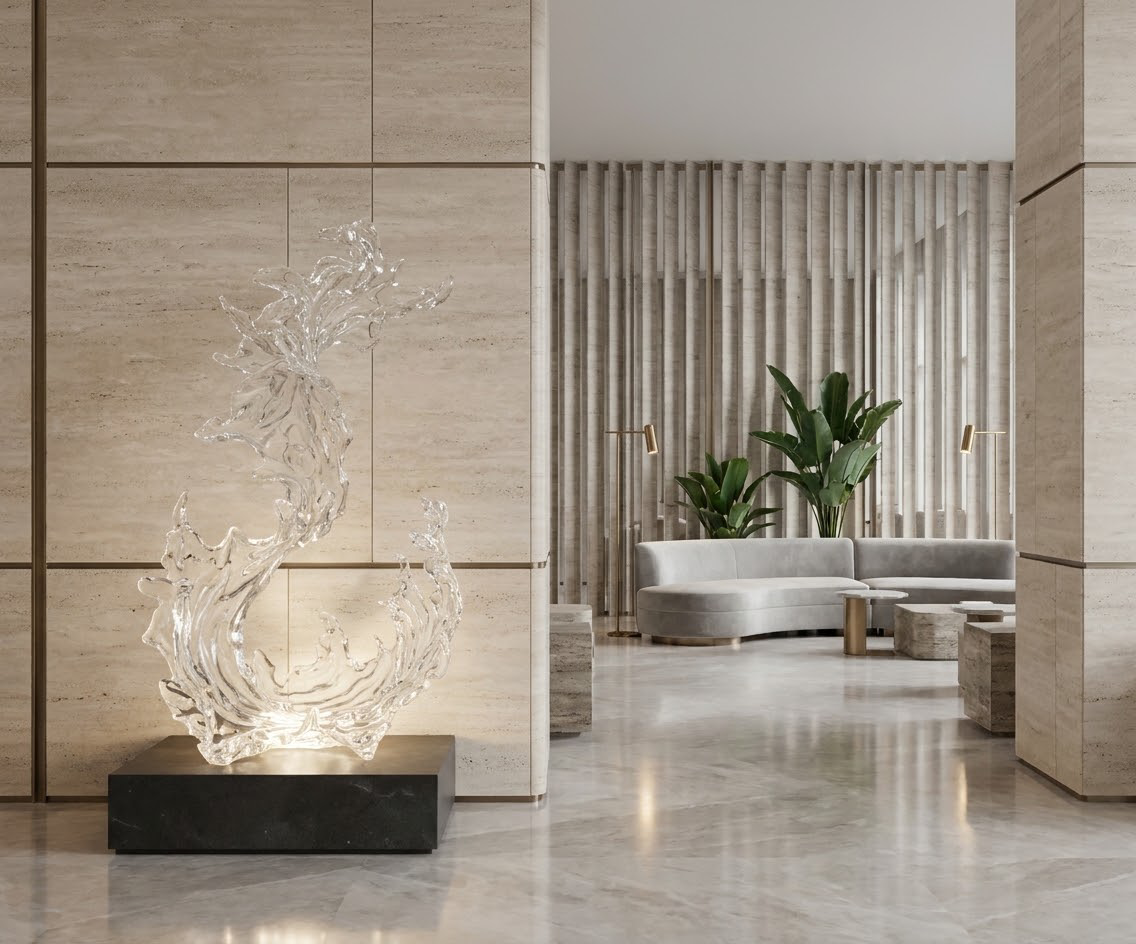
Luxury hotel lobbies: Synthetic crystal coffee tables, transparent design console tables, and acrylic chairs and stools create an upscale, welcoming atmosphere.
Restaurant and bar spaces: Acrylic bar counters, transparent dining tables, and lightweight acrylic stools are easy to clean and rearrange for private events.
Retail flagship stores: Transparent display furniture and decorative acrylic pieces highlight products without distracting from the brand’s visual identity.
Corporate office lobbies: Modern design furniture made from transparent materials conveys innovation and sophistication.
Restaurant companies and chain restaurant groups often choose acrylic furniture for its durability and ability to be customized with brand colors or logos embedded in the material.
4.2 Compliance and Procurement Considerations
For commercial projects, especially for high-end hotel groups and large retail chains, compliance and procurement efficiency are top priorities.
Key considerations for commercial procurement:
Safety certifications: Ensure furniture meets fire safety standards (like ASTM E84 for acrylic) and impact resistance requirements for public spaces.
Consistency across locations: Manufacturers should have the capacity to produce identical pieces for multi-location projects, with consistent color and finish.
Maintenance support: Look for suppliers that offer repair and refurbishment services for scratched or damaged transparent furniture.
Lead time reliability: For time-sensitive hotel openings, work with manufacturers that guarantee on-time delivery and have backup production facilities.
Hotel procurement managers and commercial engineering furniture project companies should request full material safety data sheets (MSDS) and quality guarantee documents before finalizing orders.
5. Real-World Case Studies: Successful Transparent Furniture Implementations
The best way to understand how to specify transparent furniture for complex interiors is to examine real 2026 projects that balanced aesthetics, structure, and custom fabrication successfully.
5.1 Luxury Hotel Custom Furniture Solution
In 2026, a top 5-star hotel in Shanghai worked with a custom furniture manufacturer to create a full set of Design-oriented Transparent Coffee Tables and decorative furniture as part of a luxury hotel custom furniture solution.
The project included:
A 3-meter-long synthetic crystal reception desk with integrated LED lighting, featuring hand-polished edges and a 92% optical clarity rating.
20 transparent coffee tables for guest suites, made from 20mm thick acrylic with high-gloss finishes and stainless steel bases.
A custom high-end crystal billiard table for the hotel’s private club, reinforced with a hidden steel frame to support the 500kg slate playing surface.
Custom acrylic piano accessories for the lobby lounge, including a transparent piano bench and music stand.
The hotel’s design team noted that the transparent furniture made the 800㎡ lobby feel 30% more spacious, while still conveying the brand’s luxury identity. The project was completed 2 weeks ahead of schedule, with zero post-installation structural issues.
5.2 Architectural Firm Custom Acrylic Furniture Project
A leading Architecture and Interior Design Firm in New York collaborated with a custom furniture brand in 2026 to create custom acrylic furniture for a 60-story luxury residential tower’s common areas.
Key pieces included:
A series of curved acrylic seating benches for the sky lobby, shaped to follow the building’s curved floor-to-ceiling windows.
Transparent resin furniture accent pieces in the building’s art gallery, designed to complement contemporary art installations without competing for attention.
Custom synthetic crystal chandeliers for the tower’s entrance, each 4 meters tall and made from 120 individual hand-cast crystal pieces.
The project team worked closely with the manufacturer’s Custom Furniture Designers team to refine the designs over 3 rounds of prototyping. The final pieces met the architect’s vision of “floating” furniture that blends with the building’s minimalist aesthetic, while meeting all New York City building code safety requirements for public spaces.
For 2026 and beyond, transparent furniture will continue to evolve, with new materials like nano-reinforced acrylic offering even higher strength and scratch resistance. By following the steps in this guide—evaluating materials, verifying structural integrity, partnering with experienced custom manufacturers, and learning from real projects—you can specify transparent furniture that elevates any complex interior.


