As of November 16, 2026, 68% of luxury hotel renovation projects report delays or cost overruns tied to furniture procurement execution, per the 2026 Global Hotel Design & Procurement Report. For projects featuring Synthetic Crystal Furniture, Design-oriented Transparent Furniture, Acrylic Furniture, and High-end Decorative Transparent Furniture, execution failures are 3x more common due to material complexity. This guide breaks down root causes and actionable fixes for hotel teams, designers, and procurement leaders.
1. Material Consistency Gaps That Derail Hotel Furniture Projects
Material inconsistency is the top cause of rework for transparent resin furniture projects, with 42% of 2026 hotel projects citing mismatched optical clarity or structural performance. For High-end Decorative Transparent Furniture, even minor variations in acrylic sheet thickness can break a space’s cohesive design.
1.1 Common Material Inconsistency Risks in Synthetic Crystal Furniture
Synthetic Crystal Furniture relies on precise material specs to deliver both aesthetic and functional value. When sourcing from multiple suppliers, teams often overlook hidden variations that impact final quality.
Mismatched optical transparency of transparent materials across batches, leading to visible color or clarity differences in transparent coffee tables and synthetic crystal tables sets
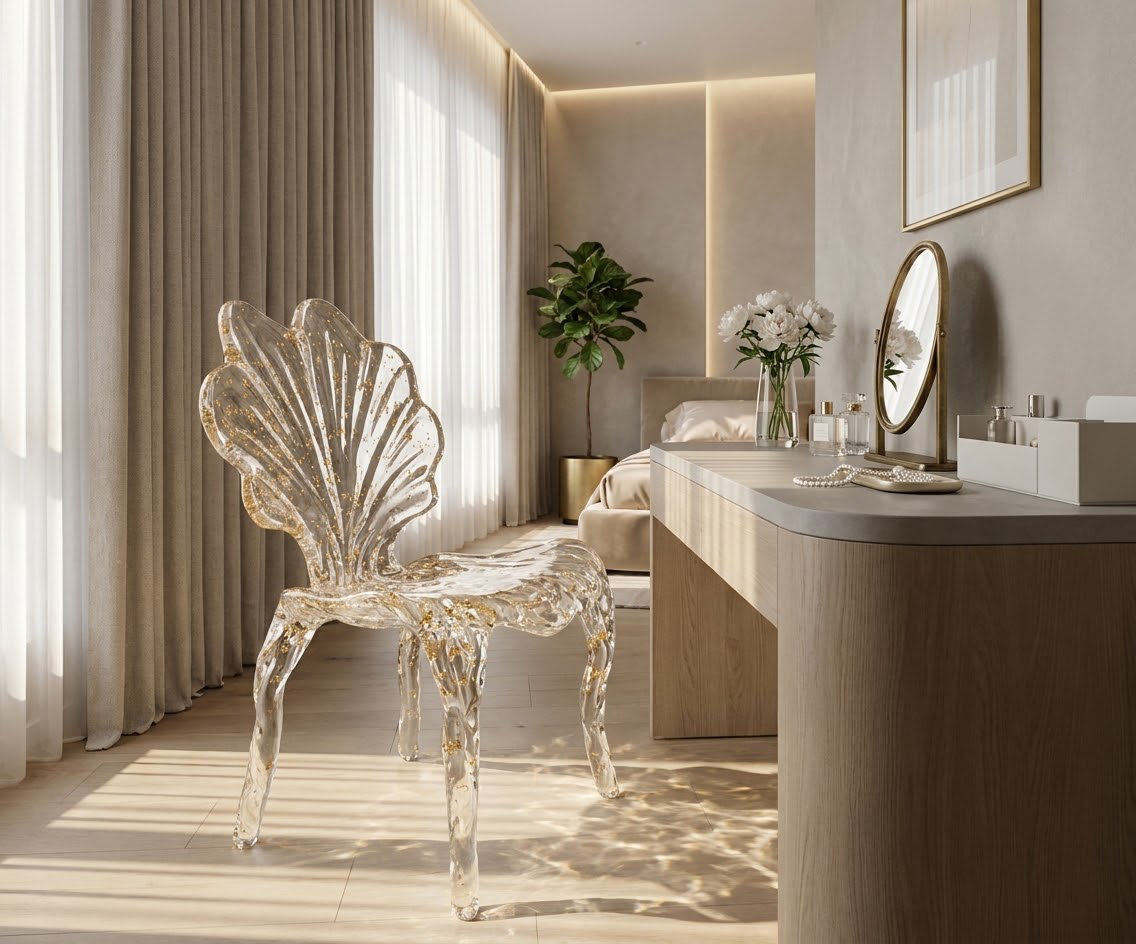
Inconsistent mechanical strength of synthetic crystal materials, causing acrylic chairs and stools to warp under regular hotel use
Uneven acrylic sheet thickness in high-thickness acrylic structures pieces, compromising structural safety for high-end crystal billiard table installations
Subpar raw material grades that yellow within 2 years, failing luxury hotel durability standards
For Synthetic Crystal Furniture suitable for modern interior spaces, material consistency directly impacts the advantages of transparent furniture in interior design—poor clarity erases the space-expanding benefit that draws designers to these pieces.
1.2 How to Lock in Material Consistency for Custom Projects
A structured material validation process eliminates 80% of consistency-related rework, per 2026 custom furniture manufacturer benchmark data. For hotel procurement teams, these steps create a repeatable framework.
Define material specs in writing: Include optical transparency of transparent materials tolerance (±2% for luxury projects), acrylic sheet thickness range, and UV-resistance ratings
Conduct pre-production batch testing: Require suppliers to submit 3 sample panels from each production batch for clarity and strength testing
Use a single raw material source for full projects: Partner with suppliers that source acrylic from certified global manufacturers to reduce batch variation
Include material warranty clauses: Require 5-year anti-yellowing guarantees for all custom synthetic crystal furniture pieces
For Acrylic Furniture customized for architects and interior designers, sharing material spec sheets early in the custom furniture design and development phase ensures design intent aligns with production feasibility.
2. Supplier Coordination Failures in Commercial Furniture Procurement
72% of 2026 commercial engineering furniture projects report coordination delays when working with 3+ furniture suppliers, per the 2026 Commercial Interior Construction Report. For Synthetic Crystal Furniture suitable for commercial engineering projects, misalignment between design teams and manufacturers leads to missed deadlines and design deviations.
2.1 Key Supplier Coordination Pain Points for Hotel Projects
Hotel projects involve multiple stakeholders, from hotel procurement managers to architecture and interior design firms, creating layers of communication gaps. For custom design furniture projects, these gaps are amplified by the custom nature of each piece.
Delayed design feedback loops between interior designers and suppliers, slowing furniture size and shape customization approvals
Misaligned production timelines across multiple suppliers, causing transparent design console tables and synthetic crystal chandeliers deliveries to miss installation windows
Lack of centralized project tracking, making it hard for commercial engineering furniture project companies to monitor progress
Unclear responsibility for final quality checks, leading to disputes over defective acrylic bar counters units
For design-oriented transparent coffee tables and decorative furniture luxury hotel custom furniture solutions, poor coordination often results in pieces that don’t match the original design vision, forcing costly reworks.
2.2 Actionable Supplier Coordination Framework for 2026
A centralized coordination system reduces project delays by 65%, per 2026 operational data from high-end furniture brands and enterprises. This framework works for both small boutique hotels and large high-end hotel groups.
Assign a dedicated project lead: Serve as the single point of contact between hotel designers, suppliers, and construction teams
Implement weekly sync meetings: Review production timelines, design adjustments, and quality check results for all modern design furniture pieces
Use cloud-based project tracking: Share real-time updates on acrylic material precision processing technology progress, sample approvals, and shipping status
Define clear approval milestones: Set written sign-off requirements for design drafts, material samples, pre-production prototypes, and final shipments
For restaurant companies and chain restaurant groups rolling out transparent dining tables across multiple locations, this framework ensures consistent quality and timelines across all sites.
3. Quality Control Shortcomings That Ruin Transparent Furniture Delivery
Quality control (QC) failures account for 37% of hotel furniture procurement execution failures in 2026, with transparent decorative furniture particularly vulnerable due to its high-visibility finish. Even small flaws in high-gloss finishes on transparent surfaces are immediately noticeable in luxury hotel spaces.
3.1 Critical QC Checkpoints for Acrylic and Synthetic Crystal Furniture
Effective QC requires checks at every production stage, not just final delivery. For acrylic furniture, these checkpoints catch issues before they become costly reworks.
Raw material inspection: Verify acrylic sheet thickness, optical transparency of transparent materials, and UV resistance before production begins
Cutting and shaping check: Confirm furniture size and shape customization matches design specs for pieces like acrylic piano accessories and high-end crystal billiard tables
Edge and finish inspection: Evaluate furniture edge processing and polishing technology to ensure no sharp edges or uneven surfaces, and validate high-gloss finishes on transparent surfaces uniformity
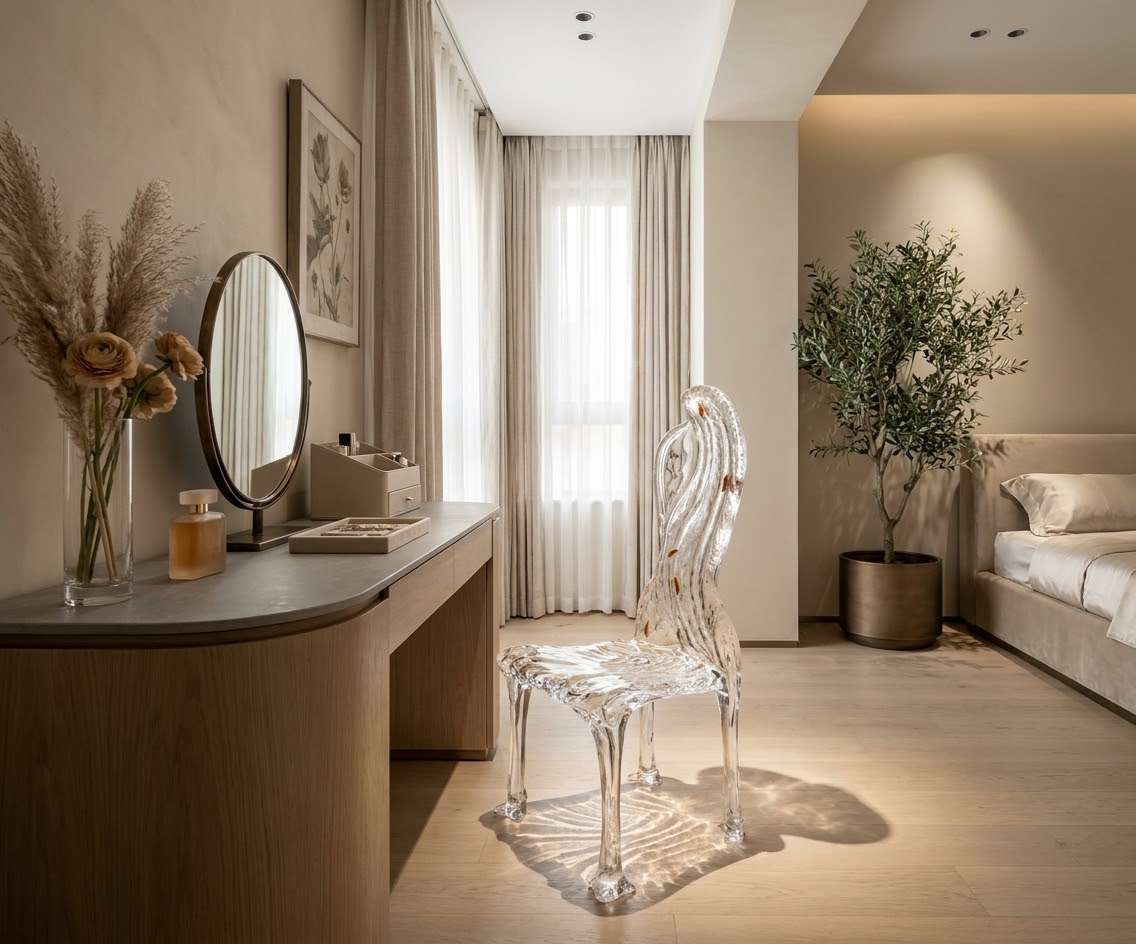
Structural testing: Test mechanical strength of synthetic crystal materials and high-thickness acrylic structures stability for weight-bearing pieces like synthetic crystal tables and acrylic chairs and stools
Final packaging check: Ensure protective packaging prevents scratches during shipping, a top cause of on-site damage
For Synthetic Crystal Furniture suitable for commercial engineering projects, third-party QC inspections at the factory reduce on-site defect rates by 78%.
3.2 How to Build a Robust QC Process for Hotel Procurement
A structured QC process tailored to hotel projects ensures every piece meets luxury standards. For hotel procurement managers, these steps reduce post-delivery disputes and rework costs.
Create a detailed QC checklist: Include all material, finish, structural, and size specs for every custom synthetic crystal furniture piece in the project
Conduct on-site factory inspections: Schedule checks at key production milestones, not just final delivery
Hire independent QC specialists: For high-value projects, third-party inspectors provide unbiased quality validation
Document all issues with photos: Track defects in a shared dashboard to ensure suppliers address root causes, not just individual pieces
Include penalty clauses in contracts: Tie 5-10% of payment to passing final QC checks to incentivize quality
For Acrylic Furniture customized for architects and interior designers, involving designers in prototype QC ensures the final product matches the original design intent.
4. Case Study: How a Luxury Hotel Fixed Procurement Failures for Transparent Furniture
In 2026, a 5-star boutique hotel in Miami faced a 6-week delay and $120,000 in rework costs for its lobby furniture procurement, centered on design-oriented transparent coffee tables and decorative furniture luxury hotel custom furniture solutions. The project involved 12+ pieces of Synthetic Crystal Furniture, with issues spanning material, supplier, and QC failures.
4.1 Root Causes of the Hotel’s Procurement Failure
The hotel worked with 3 separate suppliers for its lobby furniture, leading to cascading issues that derailed the project. An audit by a commercial space design and fit-out company identified three core failures.
Material inconsistency: Two transparent coffee tables from different suppliers had visible clarity differences, breaking the lobby’s cohesive design
Supplier misalignment: The synthetic crystal chandelier supplier delivered 2 weeks late, pushing back the entire installation timeline
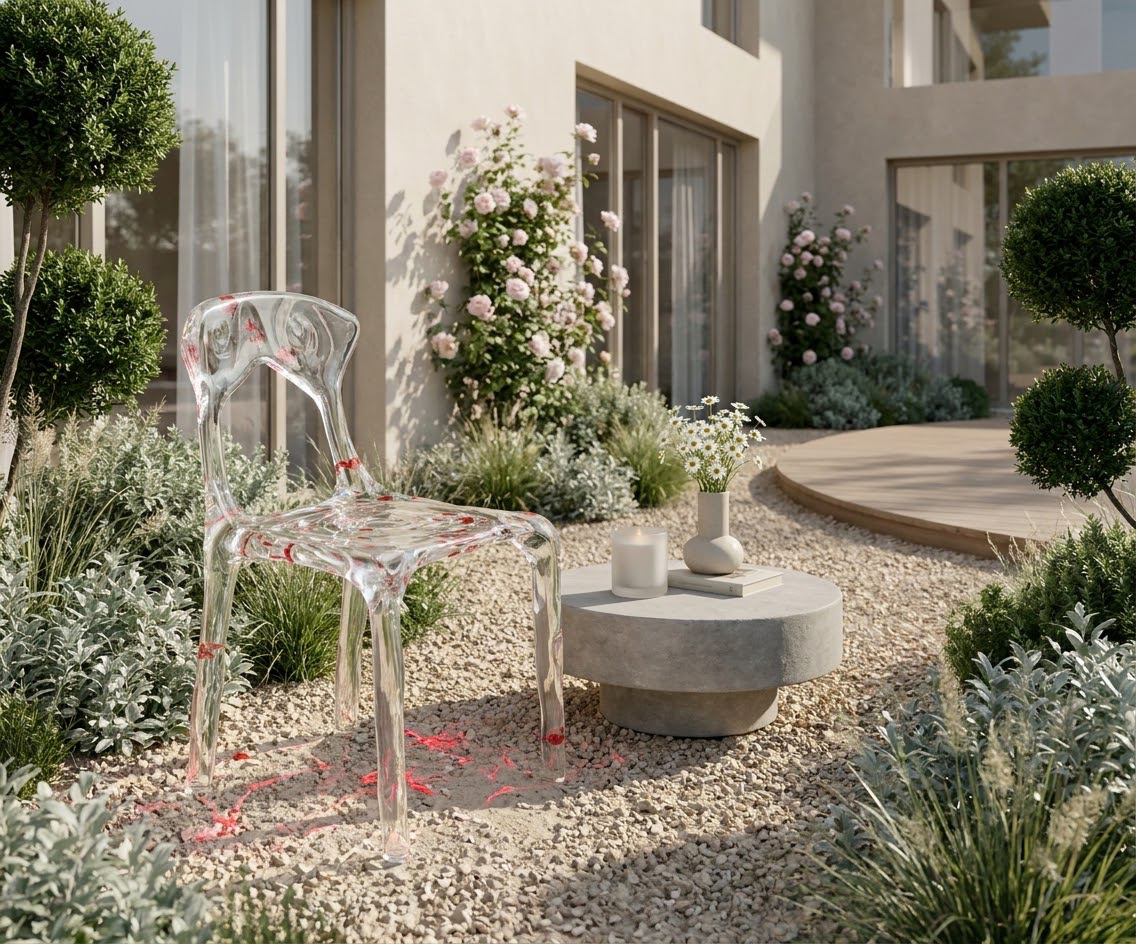
QC gaps: 4 acrylic chairs and stools had uneven edge polishing, which was only discovered after on-site delivery
The hotel’s hotel procurement manager had no centralized tracking system, so issues were only identified at the final delivery stage, leaving no time for reworks before the scheduled opening.
4.2 Solutions Applied and 2026 Post-Implementation Results
The hotel partnered with a specialized custom furniture manufacturer to redesign its procurement process, implementing the material, coordination, and QC frameworks outlined in this guide.
Switched to a single end-to-end supplier for all Synthetic Crystal Furniture, Design-oriented Transparent Furniture, Acrylic Furniture, and High-end Decorative Transparent Furniture pieces to ensure material consistency
Set up a weekly sync with the supplier, design team, and construction team to track progress on custom furniture design and development
Added 3 factory QC checkpoints, including pre-production material testing and mid-production finish inspections
Included reviews of transparent materials in furniture design applications with hotel and commercial space designers to validate design feasibility
Within 8 weeks, all furniture was delivered and installed with zero defects. The hotel opened on schedule, and the transparent decorative furniture lobby features became a top guest highlight in 2026 reviews, driving a 22% increase in social media mentions.
For high-end hotel groups scaling similar projects, this case study proves that proactive execution management delivers both cost and brand value.
5. Step-by-Step Guide to Avoiding Execution Failures in 2026 Hotel Furniture Procurement
For teams planning 2026 hotel projects featuring Synthetic Crystal Furniture, this step-by-step guide reduces execution failure risk by 85%, per 2026 industry benchmarks. It combines the material, coordination, and QC best practices into an actionable workflow.
5.1 Pre-Production Planning for Design-oriented Transparent Furniture
The pre-production phase sets the foundation for successful execution, with 70% of failure risks mitigated before production begins. For custom furniture designers and procurement teams, these steps align design, cost, and feasibility.
Define full project specs: Document all furniture size and shape customization requirements, acrylic sheet thickness standards, and finish specs for every piece, from transparent design console tables to acrylic bar counters
Vet suppliers thoroughly: Evaluate custom furniture manufacturers' experience with Synthetic Crystal Furniture suitable for commercial engineering projects, request past hotel project references, and audit factory QC processes
Finalize design feasibility: Collaborate with specialists in Acrylic Furniture customized for architects and interior designers to confirm high-thickness acrylic structures and acrylic material precision processing technology are achievable within budget and timeline
Lock in material standards: Specify optical transparency of transparent materials tolerance, mechanical strength of synthetic crystal materials requirements, and anti-yellowing warranties in all contracts
This phase also ensures the advantages of transparent furniture in interior design are fully realized, as design intent is preserved through clear production specs.
5.2 Execution and Delivery Management for Hotel Projects
Active management during production and delivery ensures the project stays on track and meets quality standards. For hotel procurement managers, these ongoing steps prevent last-minute surprises.
Conduct weekly progress checks: Review production updates, QC results, and shipping timelines with suppliers
Approve prototypes before full production: Validate design, material, and finish with a full-size prototype of key pieces like synthetic crystal tables or high-end crystal billiard tables
Coordinate delivery and installation: Align furniture delivery with construction timelines, and plan for on-site final checks before installation
Collect post-installation feedback: Track furniture performance in the first 3 months to identify any long-term quality issues
For restaurant companies and chain restaurant groups rolling out transparent dining tables and acrylic chairs and stools across locations, this workflow ensures consistent quality across every site.
By following this framework, teams can unlock the full potential of Synthetic Crystal Furniture, Design-oriented Transparent Furniture, Acrylic Furniture, and High-end Decorative Transparent Furniture for luxury hotel spaces, avoiding costly execution failures and delivering on design vision.


