In 2026’s luxury hospitality market, Synthetic Crystal Furniture, Design-oriented Transparent Furniture, Acrylic Furniture, and High-end Decorative Transparent Furniture have become core choices for premium hotel spaces. However, late design adjustments during production often lead to budget overruns and delayed openings.
This guide breaks down the hidden costs of last-minute changes, and shares actionable steps to protect design intent, production consistency and project timelines for hotel furniture projects.
1. The True Hidden Costs of Late Design Changes in Hotel Furniture Projects
Many hotel teams underestimate the ripple effects of modifying furniture designs after production starts. For high-end transparent furniture, these costs go far beyond material expenses.
1.1 Direct Financial Impacts on Custom Furniture Budgets
Late changes force custom furniture manufacturers to restart material preparation and mold adjustment, leading to direct cost increases.
Material waste: Cut acrylic sheets or synthetic crystal blocks cannot be reused for other custom orders.
Labor overtime: Production teams need to rearrange schedules and work extra hours to adjust processes.
Mold rework: Custom molds for unique shapes need to be re-fabricated from scratch.
According to 2026 latest industry data, late design changes can increase total furniture costs by 25%-40% for luxury hotel projects.
1.2 Indirect Risks to Project Timelines and Brand Reputation
For hotel projects, delayed furniture delivery often means delayed opening dates, resulting in lost revenue.
Opening postponement: Each week of delay for a 200-room luxury hotel can cost $150,000+ in lost room revenue.
Coordination chaos: Interior designers, construction teams and procurement staff need to re-align all related schedules.
Brand damage: Delayed openings can affect customer trust and future booking rates for hotel groups.
For Synthetic Crystal Furniture suitable for commercial engineering projects, timeline consistency is as important as design quality.
2. Why Late Changes Disrupt High-End Transparent Furniture Production
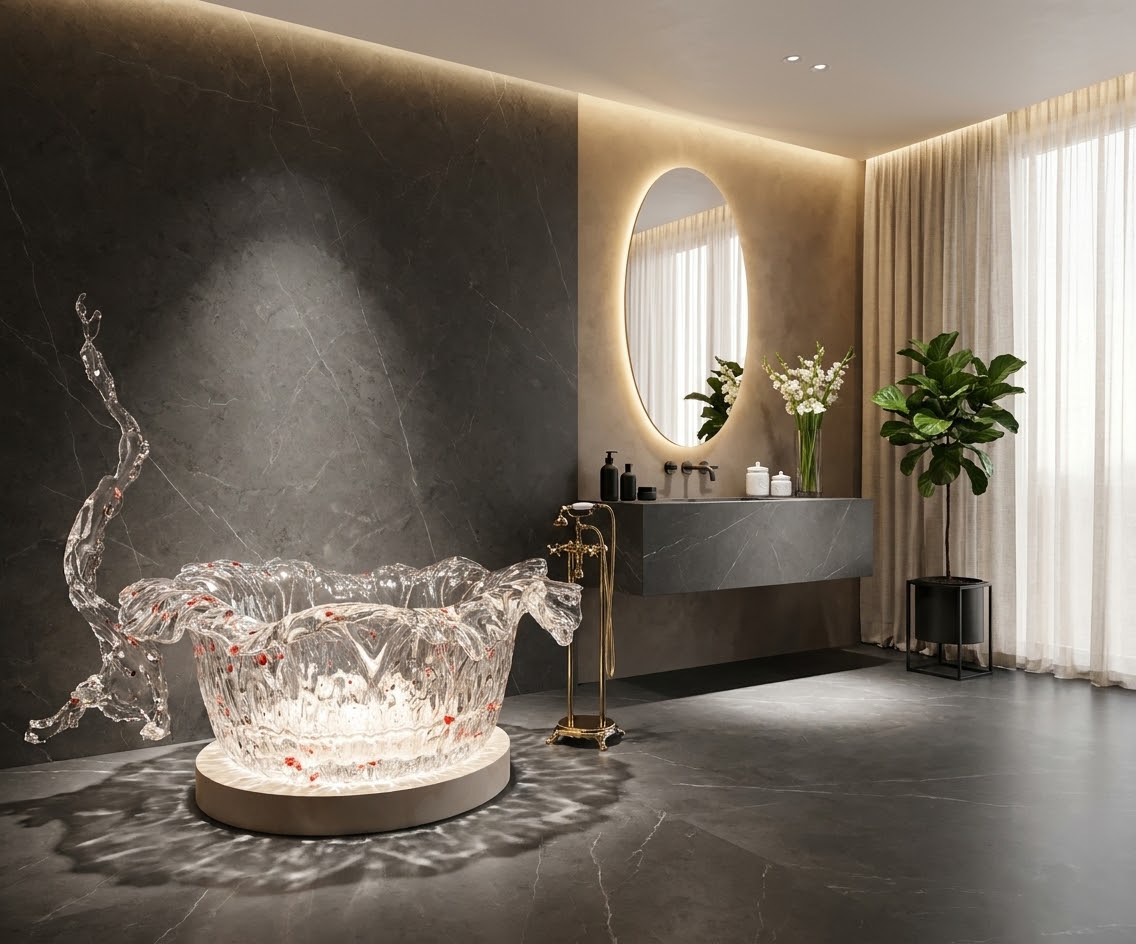
High-end Decorative Transparent Furniture requires strict precision in material and craft. Small design adjustments can affect the entire production chain.
2.1 Material and Process Limitations of Acrylic & Synthetic Crystal Furniture
Synthetic Crystal Furniture, also known as Acrylic Furniture or transparent resin furniture, has unique production requirements.
Acrylic sheet thickness: Custom thickness options require pre-ordered raw materials, with lead times of 2-4 weeks for high-thickness acrylic structures.
Optical transparency of transparent materials: Material grades are selected based on design requirements; changing grades requires re-sourcing.
Furniture edge processing and polishing technology: Edge details require multi-step polishing; design changes mean reworking entire pieces.
Acrylic material precision processing technology: Engraving, bending and forming processes are irreversible once completed.
Other products like Acrylic Furniture chairs and stools, Synthetic Crystal Furniture chandeliers and acrylic piano accessories all face similar process constraints.
2.2 Alignment Challenges Between Design Intent and Production Feasibility
Many design changes come from mismatches between initial design concepts and actual production capabilities.
Furniture size and shape customization: Oversized or overly curved designs may require special structural support that was not planned initially.
High-gloss finishes on transparent surfaces: Different finish effects require different production lines and processing times.
Mechanical strength of synthetic crystal materials: Load-bearing designs need specific material thickness calculations that cannot be changed easily.
For Acrylic Furniture customized for architects and interior designers, early production feasibility review is critical to avoid later changes.
3. 5 Actionable Steps to Protect Design Intent and Avoid Late Changes
Preventing late design changes requires structured collaboration between design teams, hotel owners and custom furniture manufacturers.
3.1 Pre-Production Design Validation and Prototyping
A thorough validation phase before mass production eliminates 80% of potential change requests.
3D rendering review: Confirm all dimensions, materials and finishes with interior designers, architects and hotel designers.
Physical prototype: Produce a 1:1 sample of key pieces such as Design-oriented Transparent Furniture coffee tables and decorative furniture for luxury hotel custom furniture solutions for on-site review.
Load and safety testing: Verify mechanical strength of synthetic crystal materials for functional pieces like transparent dining tables and acrylic bar counters.
On-site mockup: Place prototypes in the actual hotel space to check lighting and overall coordination.
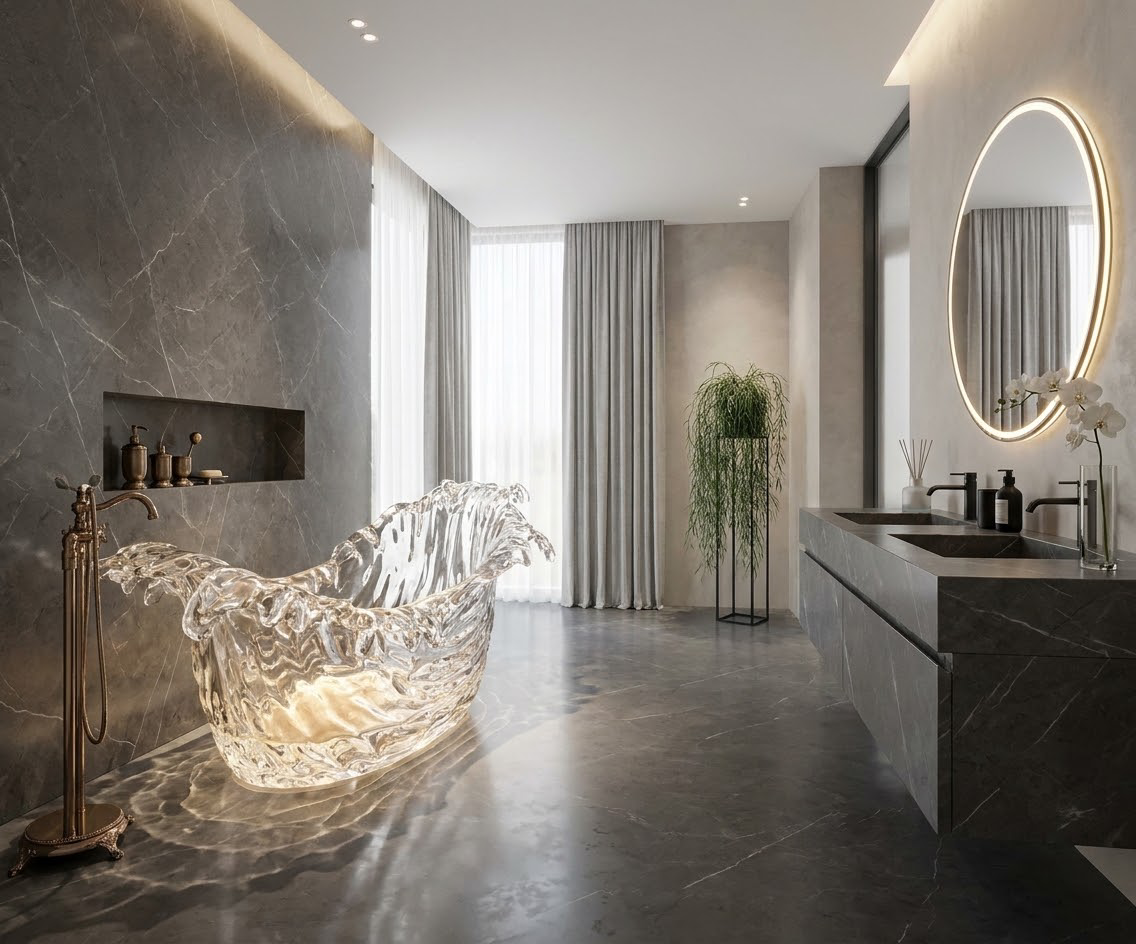
This step is especially important for Synthetic Crystal Furniture suitable for modern interior spaces, where visual effect is a top priority.
3.2 Cross-Team Change Management Protocol
Establish a clear change review process to avoid arbitrary adjustments during production.
Designate a single point of contact for all change requests from architecture and interior design firms or commercial space design and fit-out companies.
Require written change requests with clear reasons, cost estimates and timeline impact assessments.
Set a change cutoff date 2 weeks after production starts, after which no non-safety changes are accepted.
Get sign-off from hotel procurement managers and project managers before implementing any approved changes.
For high-end hotel groups and commercial engineering furniture project companies, this protocol ensures consistent control across multiple projects.
4. How to Maintain Production Consistency for Custom Transparent Furniture
Even with approved changes, maintaining consistent quality across all furniture pieces is a key challenge for hotel projects.
4.1 Standardized Quality Control for Custom Design Furniture
A clear quality benchmark ensures every piece matches the approved design intent.
Reference sample management: Keep a sealed master sample for material, color and finish comparison.
In-process inspection: Check furniture edge processing and polishing technology and high-gloss finishes on transparent surfaces at each production stage.
Batch consistency: For large orders, use the same batch of raw material to avoid color or transparency differences.
Final packaging check: Verify all pieces match the order list before shipping to the project site.
Products like transparent design console tables, high-end crystal billiard tables and custom synthetic crystal furniture all require strict quality control.
4.2 Flexible Production Adjustment for Minor Approved Changes
When small changes are unavoidable, optimized production workflows can minimize impact.
Prioritize unstarted pieces: Apply changes to pieces that have not entered the processing stage first.
Modular design: Use modular structures for modern design furniture so that partial adjustments do not affect the whole piece.
Parallel processing: Arrange additional production lines for changed pieces to avoid delaying the entire order.
For high-end furniture brands and enterprises and restaurant companies and chain restaurant groups, this flexibility helps balance design perfection and project efficiency.
5. 2026 Case Study: Successful Luxury Hotel Furniture Project Delivery
A 5-star boutique hotel in Shanghai completed its lobby and guest room furniture project in 2026 with zero late design changes and on-time delivery.
5.1 Project Background and Initial Challenges
The hotel wanted High-end Decorative Transparent Furniture to create a light, modern luxury atmosphere, but had concerns about design feasibility.
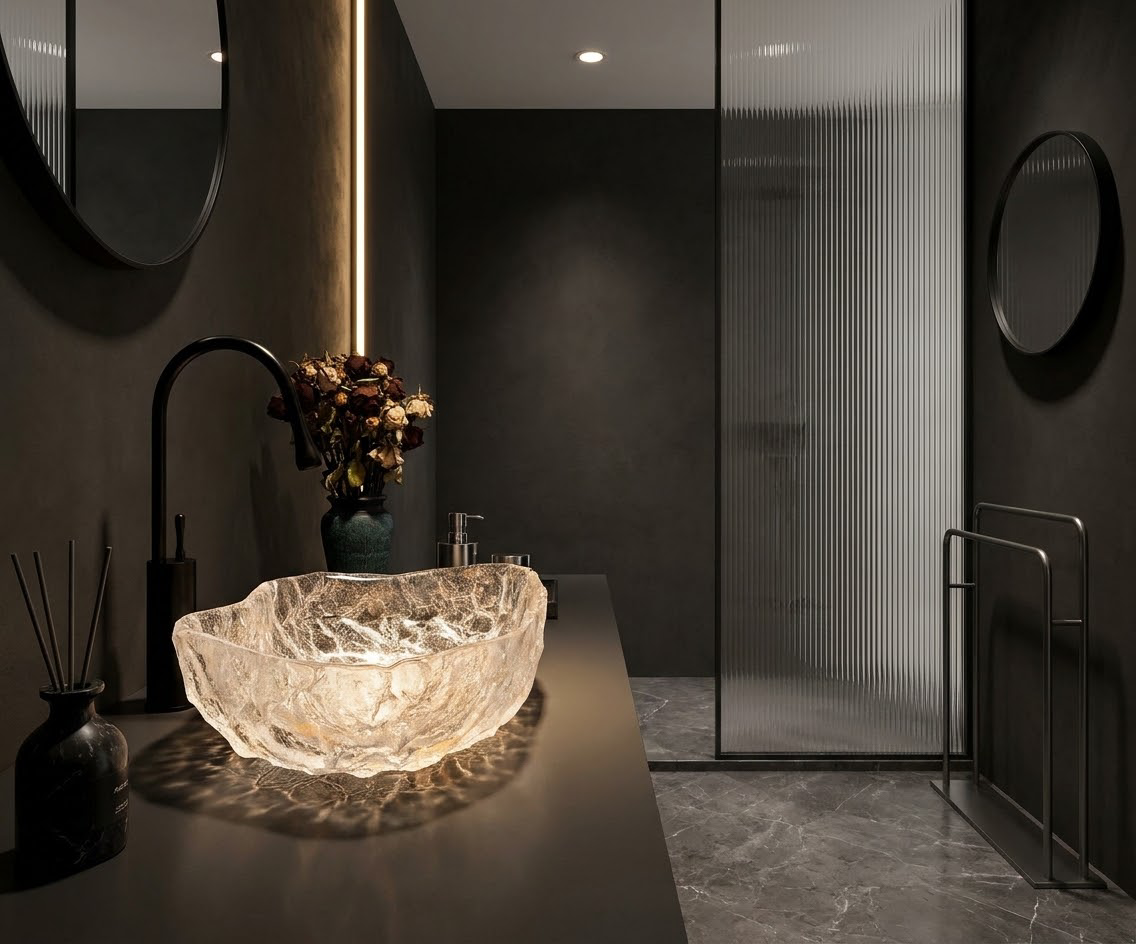
Project scope: Lobby transparent coffee tables, synthetic crystal tables, guest room Acrylic Furniture chairs and stools, bar area acrylic bar counters.
Stakeholders: A top architecture and interior design firm, the hotel’s hotel procurement manager team, and a professional custom furniture manufacturer.
Initial risk: The design team wanted to adjust acrylic sheet thickness multiple times during the concept phase.
The team chose Synthetic Crystal Furniture solutions suitable for commercial engineering projects to balance design and practicality.
5.2 Implementation and Final Results
By following the steps outlined in this guide, the project achieved outstanding results.
Completed 2 rounds of prototype reviews with interior designers and architects before production.
Established a change review committee with representatives from all parties.
Delivered all furniture 3 days ahead of schedule.
Stayed 8% under the initial furniture budget.
Received 95% positive feedback on design consistency from hotel guests.
This case proves that proactive design management protects both design intent and project timelines.
In conclusion, late design changes in hotel furniture projects bring high hidden costs, but they are largely preventable. For Synthetic Crystal Furniture, Design-oriented Transparent Furniture, Acrylic Furniture, and High-end Decorative Transparent Furniture, early validation, clear change protocols and strict quality control are the keys to success.
For hotel and commercial space designers and custom furniture designers, understanding production limitations helps create more feasible designs. For project owners, protecting design intent does not mean constant changes—it means thorough planning before production starts.


