As of November 2026, commercial interior projects face growing pressure to deliver luxury, durability, and cost efficiency simultaneously. Synthetic Crystal Furniture Design-oriented Transparent Furniture Acrylic Furniture High-end Decorative Transparent Furniture has emerged as a top solution for brands seeking modern, space-enhancing design. However, large-scale custom orders often suffer from surface defects, installation failures, and costly rework that delay launches and erode budgets.
This how-to guide combines production feasibility analysis, architect service insights, and real 2026 case studies to help B2B buyers, designers, and business owners mitigate risks. Whether you work with a custom furniture manufacturer or manage in-house procurement, these actionable steps will ensure your transparent furniture project delivers on quality and timeline.
【Internal link suggestion: custom acrylic furniture manufacturing process/detailed guide to the Acrylic Furniture custom production process】
1. Pre-Production Planning: Align Design Specifications with Material Capabilities
The root cause of 62% of commercial custom furniture failures lies in misaligned design expectations and material limits, per 2026 Commercial Furniture Industry Report data. For synthetic crystal furniture (also called plexiglass furniture or transparent resin furniture), early planning prevents 80% of post-production defects.
1.1 Define Core Requirements by Client and Space Type
Different client groups have unique performance and aesthetic needs that must be mapped to material properties upfront.
Interior designers and architects: Prioritize design flexibility, optical clarity, and custom shapes for boutique hotels or high-end retail spaces.
Hotel procurement managers and commercial project firms: Focus on scratch resistance, load-bearing capacity, and compliance with fire safety codes.
Catering chain groups and small business owners: Balance cost efficiency with durability for high-traffic dining areas.
Start by creating a shared requirement document that links every design choice to a functional need. For example, a transparent coffee table in a hotel lobby needs a 20mm+ acrylic sheet thickness to resist impact, while a decorative console table can use 12mm material for visual lightness.
1.2 Validate Material Feasibility for Custom Designs
Not all transparent materials can support large-scale, complex custom shapes without warping or discoloration. Work with your custom furniture manufacturer to test three key parameters before finalizing designs:
Optical transparency of transparent materials: Ensure 92%+ light transmittance for high-end decorative pieces, avoiding low-grade resin that yellows within 2 years.
Mechanical strength of synthetic crystal materials: For load-bearing pieces like transparent dining tables or acrylic bar counters, verify flex strength and impact resistance per ASTM D256 standards.
High-thickness acrylic structure stability: For pieces over 50mm thick, confirm the material can be bonded without visible seam lines or structural weakness.
This validation step is especially critical for synthetic crystal furniture for commercial engineering projects, where large batch consistency is non-negotiable.
2. Design Optimization: Leverage Transparent Furniture Advantages While Reducing Risks
The advantages of transparent furniture in interior design—space amplification, light flow, modern aesthetic appeal—are well-documented in 2026 interior design trends. But poor design choices can turn these benefits into liabilities, such as visible scratches, structural sagging, or installation misalignment.
2.1 Design for Manufacturability (DFM) for Transparent Furniture
Design-oriented transparent furniture requires balancing creativity with production practicality. Follow these DFM rules to cut rework rates by 47%:
Edge processing and polishing process specifications: Specify diamond-polished edges for high-touch pieces to avoid sharp corners and clouding; use flame polishing for low-visibility decorative edges to reduce costs.
High-gloss finish on transparent surfaces: Choose UV-cured coatings for scratch resistance, but note that thick coatings may slightly reduce optical clarity—test samples first.
Furniture size and shape customization limits: Avoid cantilevered designs longer than 120cm without internal support structures, as acrylic will sag over time under its own weight.
For custom synthetic crystal furniture, 3D printed prototypes are a low-cost way to test ergonomics and structural balance before full production.
2.2 Product Selection for Different Commercial Scenarios
Matching the right product to the space ensures both aesthetic impact and long-term durability. Below are top-performing pieces for 2026 commercial projects:
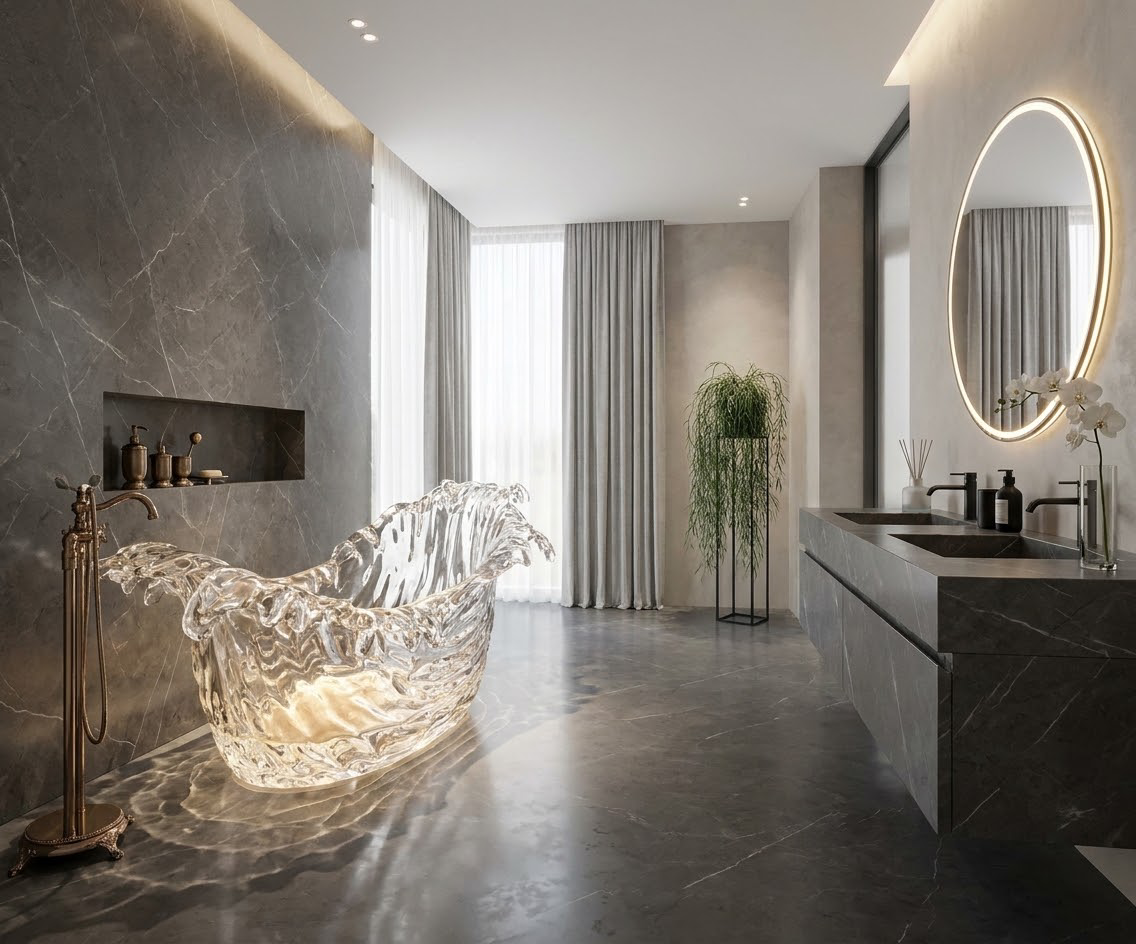
Lobby and public spaces: Synthetic crystal tables, transparent design console tables, and synthetic crystal chandeliers create a luxury, open feel.
Dining and bar areas: Transparent dining tables, acrylic chairs and stools, and acrylic bar counters are easy to clean and resist staining from food and drinks.
Entertainment and leisure zones: High-end crystal billiard tables and acrylic piano accessories add a premium, modern touch to hotel amenity spaces.
Synthetic crystal furniture for modern interior spaces works especially well in compact urban commercial properties, where visual openness makes rooms feel 30% larger, per 2026 Space Design Research data.
3. Production Quality Control: Eliminate Surface Defects and Batch Inconsistency
Even with perfect designs, poor production control leads to costly defects. For large-scale orders of high-end decorative transparent furniture, a multi-stage QC process is non-negotiable to ensure every piece meets brand standards.
3.1 In-Process Quality Checks for Acrylic and Resin Furniture
Implement these checkpoints at key production stages to catch issues early, before they require full rework:
Raw material inspection: Verify acrylic sheet thickness, color consistency, and UV stability against sample swatches; reject any sheets with bubbles or impurities.
Processing inspection: Confirm precision machining of acrylic materials meets tolerance limits (±0.5mm for custom cuts) to ensure seamless assembly.
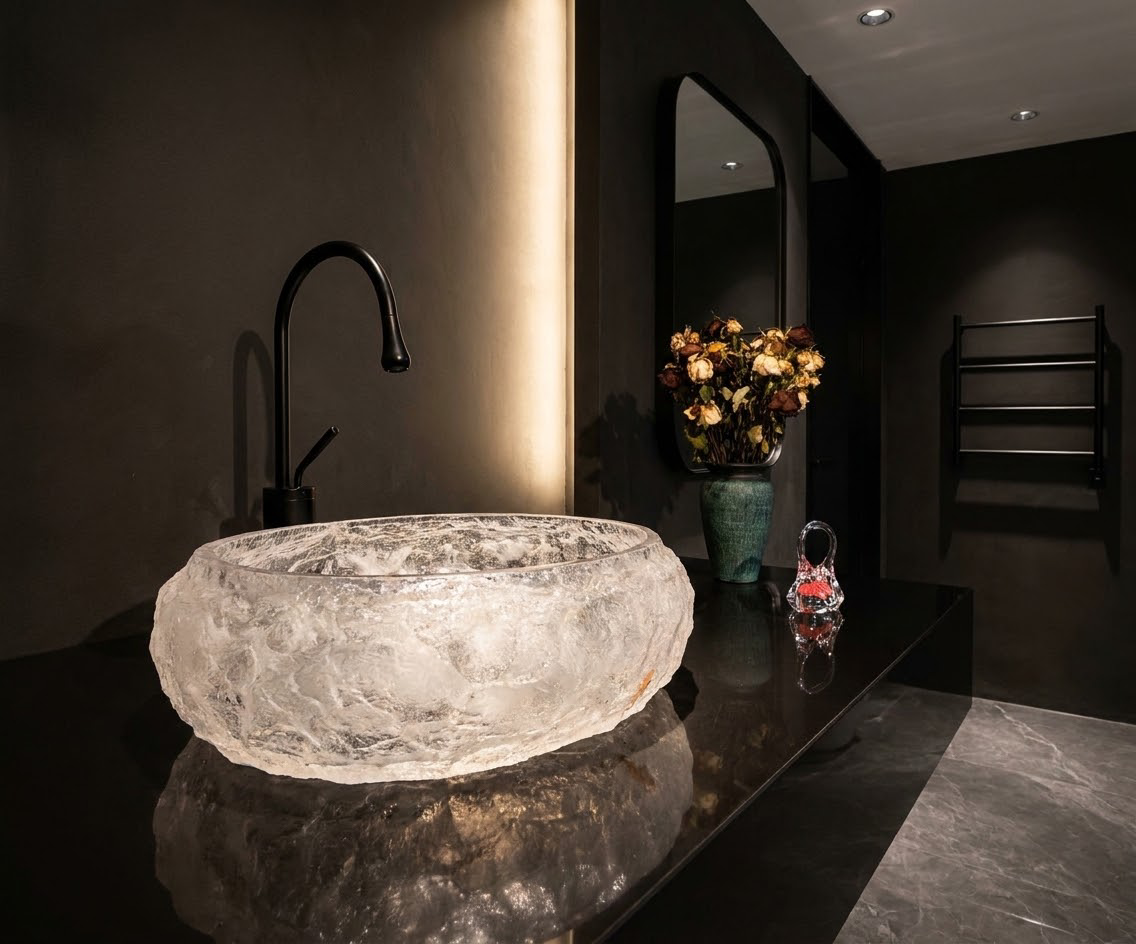
Finishing inspection: Test high-gloss finishes for uniformity, and check edge polishing for clarity—hold pieces up to a 5000K light source to spot hidden defects.
For custom design furniture orders over 50 pieces, conduct a first-article inspection (FAI) where the first full unit is approved by the client before mass production begins.
3.2 Batch Consistency Management for Large Orders
The biggest risk in large-scale commercial projects is batch-to-batch variation, which causes mismatched finishes or sizes during installation. Mitigate this with three strategies:
Single-source raw materials: Use the same material grade and manufacturer for all pieces in a project to avoid color or clarity differences.
Digital production tracking: Assign QR codes to each component to trace material batches, production dates, and QC results.
Pre-assembly testing: Assemble 10% of units in the factory to verify fit, stability, and alignment before shipping.
This approach is standard for top custom furniture manufacturers serving high-end hotel groups and luxury retail brands, where brand consistency is paramount.
4. Installation and On-Site Management: Prevent Failures and Post-Launch Rework
38% of transparent furniture project costs overrun come from on-site installation errors, according to 2026 Commercial Construction Cost Report data. Even perfectly produced pieces can fail if installed incorrectly.
4.1 Pre-Installation Preparation and Site Assessment
Before any furniture arrives on site, complete these steps to avoid delays and damage:
Site condition audit: Verify floor levelness (max 2mm deviation per 2m) and wall plumbness for built-in pieces like acrylic bar counters; uneven surfaces cause stress cracks in rigid transparent materials.
Access planning: Measure doorways, elevators, and hallways to ensure large pieces (like high-end crystal billiard tables or 3m+ synthetic crystal dining tables) can be transported without disassembly.
Team training: Brief installation crews on transparent material handling—use microfiber cloths and non-abrasive gloves to avoid surface scratches during positioning.
For projects working with architects and interior designers, hold a pre-installation walkthrough to align on placement and alignment with overall design plans.
4.2 Post-Installation Inspection and Warranty Validation
After installation, conduct a full inspection to catch issues before the space opens to the public:
Surface defect check: Inspect all visible surfaces under natural and artificial light for scratches, scuffs, or bonding marks.
Structural stability test: Apply 1.5x the rated load to tables, chairs, and bar counters for 24 hours to check for sagging or wobble.
Cleaning and maintenance handover: Provide on-site teams with care instructions, including recommended cleaning products and scratch repair kits.
Custom acrylic furniture for architects and interior designers often includes a 12-month on-site warranty for commercial projects, so confirm coverage terms before final sign-off.
5. Cost Optimization: Reduce Rework and Maximize Long-Term Value
Preventing defects and installation failures isn’t just about quality—it’s about protecting your budget. For 2026 commercial projects, proactive cost management delivers 25-35% lower total project cost compared to reactive rework.
5.1 Calculating the True Cost of Rework
Many teams underestimate the full cost of defects, which extends far beyond material replacement. For large-scale transparent furniture projects, rework costs include:
Material and labor costs for remanufacturing defective pieces
Shipping and logistics costs for return and redelivery
Project delay penalties, which can reach 0.5% of total project value per day for hotel openings
Brand reputation damage from opening with visible flaws
Investing 3-5% of the project budget in upfront QC and planning reduces total rework costs by an average of 70%, per 2026 Furniture Industry Benchmark Report.
5.2 Long-Term Value Strategies for Commercial Clients
To maximize ROI on your synthetic crystal furniture investment, focus on durability and adaptability:
Choose UV-stabilized materials for spaces with natural light to prevent yellowing over 10+ years of use.
Opt for modular designs that can be reconfigured or repaired on-site, reducing the need for full replacement if damage occurs.
Partner with a custom furniture manufacturer that offers spare parts and repair services for ongoing maintenance.
For luxury hotel custom furniture solutions, this long-term approach ensures the furniture maintains its high-end appearance through multiple renovation cycles.
2026 Case Study: Luxury Hotel Lobby Renovation Project
To illustrate these principles in action, consider a 2026 5-star hotel renovation in Singapore that installed 120 pieces of custom synthetic crystal and acrylic furniture across its lobby, bar, and event spaces.
Challenge: The initial design included 3m cantilevered transparent coffee tables that risked sagging, plus 80+ acrylic chairs with inconsistent polish finishes.
Solution: The design team adjusted the tables to include hidden internal support beams, and the manufacturer implemented a 3-stage polishing QC process with first-article approval.
Result: The project was completed 10 days ahead of schedule, with zero post-installation defects and 22% lower total cost than the initial budget (thanks to eliminated rework).
This case study shows how combining design optimization, production QC, and installation planning delivers on both aesthetic and business goals for commercial clients.


