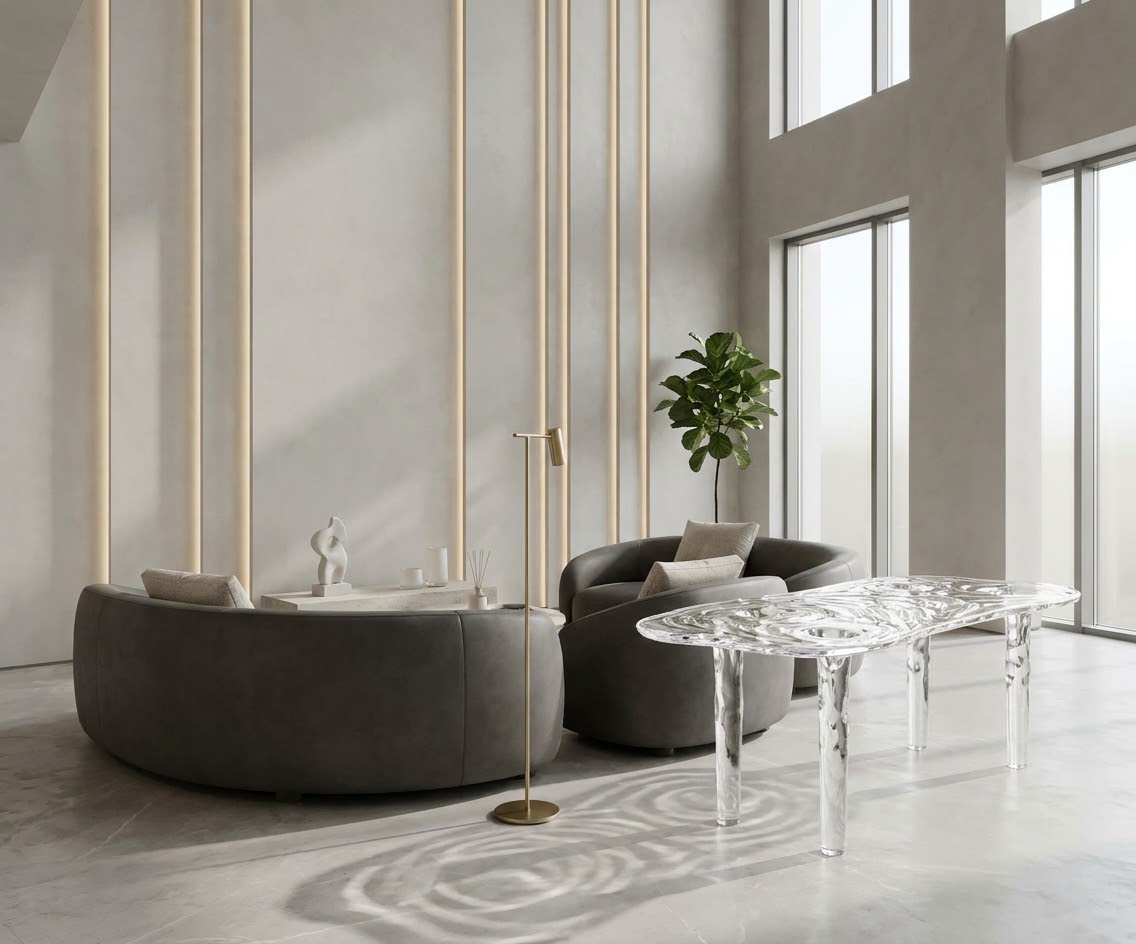
In 2026’s competitive architectural interior landscape, synthetic crystal furniture has emerged as a game-changing solution for designers and project managers tackling complex spatial challenges. This design-forward transparent furniture category blends aesthetic versatility with structural performance, making it ideal for both high-end residential and commercial projects. As demand for lightweight, visually open interiors rises, acrylic furniture and decor have moved from niche trend to core specification for leading architecture and interior design firms.
1. The Rise of Synthetic Crystal Furniture in Modern Architectural Interiors
1.1 Why Transparent Furniture Dominates 2026 Design Trends
The 2026 interior design market has seen a 38% year-over-year increase in demand for high-end transparent furniture, according to latest industry reports. This surge is driven by the growing preference for open, airy spaces that maximize natural light flow, especially in dense urban environments.
Key factors fueling this trend include:
Growing adoption of biophilic design principles that prioritize visual connectivity
Rise of compact luxury residential and commercial spaces requiring space-saving solutions
Increased focus on customizable design elements that align with brand identities for commercial venues
Advancements in acrylic material technology that improve durability and finish quality
Transparent resin furniture offers a unique ability to "disappear" into a space, allowing architectural features like statement walls, floor patterns, or outdoor views to take center stage. Unlike heavy wooden or metal pieces, plexiglass furniture creates a sense of depth without overwhelming the visual layout.
1.2 Core Advantages of Transparent Furniture in Interior Design
The advantages of transparent furniture in interior design extend far beyond aesthetics, making it a practical choice for complex projects. For architects and interior designers, these pieces solve common spatial challenges that traditional furniture cannot address.
Top functional benefits include:
Visual space expansion: Transparent surfaces reflect light and create the illusion of larger rooms, perfect for small urban apartments or narrow hotel corridors
Versatile style integration: Modern design furniture made from acrylic complements minimalist, industrial, luxury, and even traditional design schemes
Easy maintenance: High-gloss finish on transparent surfaces resists stains and can be cleaned with standard non-abrasive products
Lightweight construction: Easier to rearrange for flexible commercial spaces like co-working areas or event venues
For hotel and commercial space designers, this versatility means fewer custom design revisions and faster project turnaround times. The material’s adaptability also makes it a top choice for last-minute design adjustments during construction phases.
2. Navigating Complex Spaces with Custom Acrylic Furniture Solutions
2.1 Synthetic Crystal Furniture for Modern Interior Spaces with Irregular Layouts
Many 2026 architectural projects feature irregular layouts—from curved walls in luxury penthouses to angled columns in mixed-use commercial buildings. Standard furniture often fails to fit these unique spaces, leading to wasted square footage or awkward visual gaps.
Synthetic crystal furniture for modern interior spaces addresses this challenge through full customization capabilities. Custom furniture designers work directly with project teams to create pieces that match exact spatial constraints.
Common custom solutions for irregular spaces include:
Curved transparent dining tables that follow the contour of rounded dining areas
Angled transparent design console tables that fit perfectly in corner entryways
Custom-cut acrylic bar counters that wrap around structural columns
Asymmetrical synthetic crystal tables for boutique retail displays
The precision processing technology for acrylic materials allows for cuts accurate to within 0.5mm, ensuring a seamless fit even in the most challenging layouts. This level of precision is critical for high-end projects where every detail impacts the overall design integrity.
2.2 Design-Forward Transparent Coffee Tables and Decorative Furniture for Focal Points
In spaces where architectural features are limited, design-forward transparent coffee tables and decorative furniture serve as statement pieces that elevate the entire room. These pieces combine artistic form with functional purpose, making them ideal for luxury lobbies, high-end retail spaces, and premium residential living areas.
Popular decorative furniture categories include:
Sculptural synthetic crystal chandeliers that double as art installations
Geometric acrylic chairs and stools that add visual interest to seating areas
Layered transparent coffee tables with embedded decorative elements
Custom acrylic piano accessories for luxury music rooms and hotel lounges
For high-end furniture brands and enterprises, collaborating with a specialized custom furniture manufacturer for high-end projects allows them to offer exclusive designs that set their collections apart. The ability to incorporate unique elements like colored acrylic layers, embedded materials, or LED lighting further expands design possibilities.
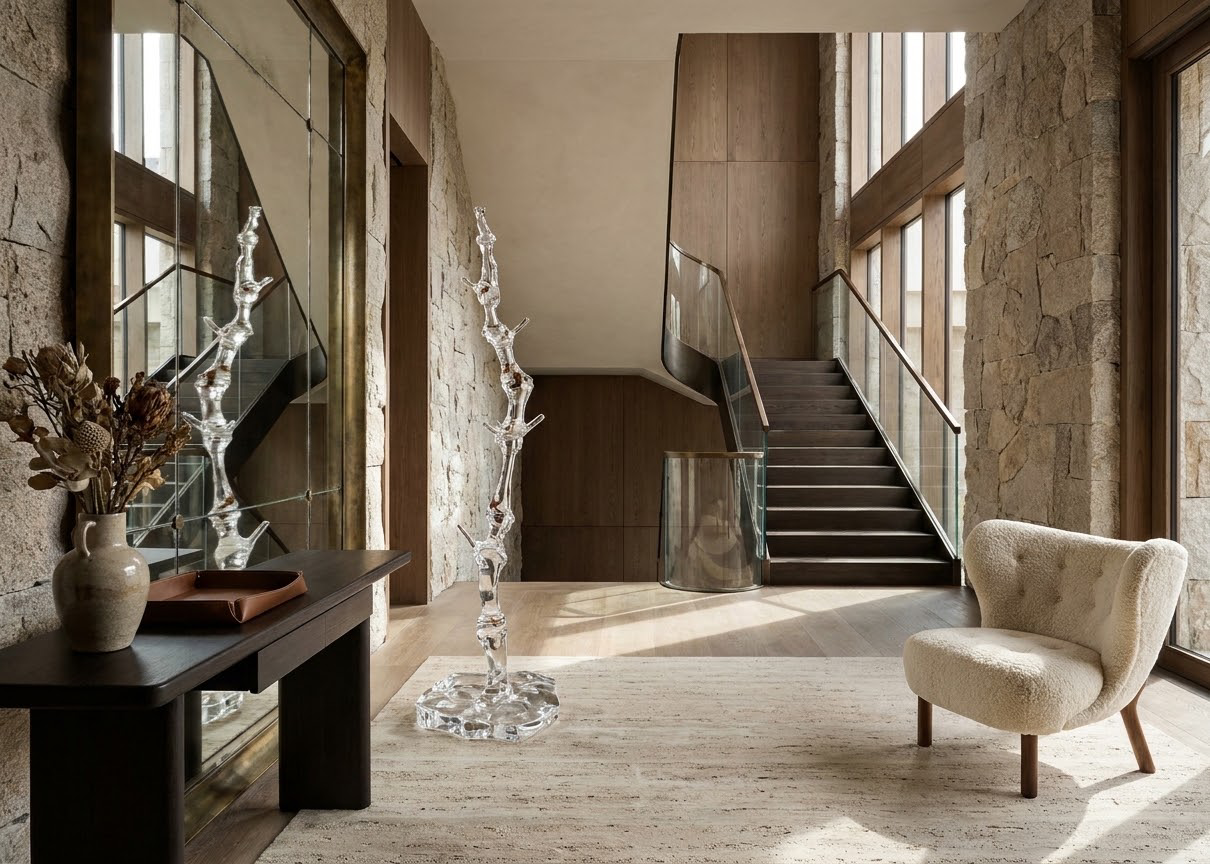
3. Engineering Coordination: Integrating Transparent Furniture into Building Systems
3.1 Structural Performance and Material Specifications for Commercial Projects
When specifying synthetic crystal furniture for commercial engineering projects, engineering teams must verify material performance against building codes and safety standards. Unlike residential pieces, commercial furniture must meet strict load-bearing, fire resistance, and durability requirements.
Key technical specifications to review include:
Mechanical strength of synthetic crystal materials: High-grade acrylic has a tensile strength of 7,000 psi, making it suitable for heavy-use commercial applications
Acrylic sheet thickness: Standard furniture uses 10-30mm sheets, while high-thickness acrylic structures for heavy-load pieces like bar counters can reach 100mm or more
Optical transparency of transparent materials: Premium acrylic offers 92% light transmittance, higher than most glass products
Fire rating: Class B fire-resistant acrylic is available for commercial projects requiring enhanced safety compliance
Furniture edge processing and polishing technology also impacts safety—diamond-polished edges eliminate sharp corners, reducing injury risks in high-traffic commercial spaces. This attention to detail is why commercial engineering furniture project companies prioritize working with experienced acrylic furniture manufacturers.
3.2 Coordination with MEP and Structural Engineering Teams
Successful integration of custom synthetic crystal furniture requires early coordination with mechanical, electrical, and plumbing (MEP) teams, as well as structural engineers. This is especially critical for built-in pieces like acrylic bar counters, statement lighting fixtures, or wall-mounted display units.
Critical coordination steps include:
Early design review: Share furniture CAD files with the engineering team during the schematic design phase
Load verification: Confirm that floor or wall structures can support the weight of high-thickness acrylic structures
Utility integration: Plan for electrical connections for LED-lit furniture or plumbing for bar units
Installation sequencing: Schedule furniture delivery after major construction work is complete to avoid damage
For architecture and interior design firms, establishing clear communication channels between furniture manufacturers and engineering teams prevents costly rework during later project phases. Many leading firms now include furniture manufacturers in pre-construction meetings to streamline this process.
4. Custom Furniture Solutions for Commercial and Hospitality Projects
4.1 Luxury Hotel Custom Furniture Solutions for 5-Star Properties
Luxury hotel groups increasingly turn to synthetic crystal furniture to create memorable guest experiences that differentiate their properties. From grand lobbies to private suites, transparent furniture adds a touch of modern luxury while maintaining the hotel’s unique brand identity.
Common hotel applications include:
Grand lobby transparent dining tables for high-end restaurants
Poolside acrylic chairs and stools that resist water and UV damage
Presidential suite high-end crystal billiard tables for premium guest amenities
Rooftop bar acrylic bar counters that create a sleek, contemporary look
Hotel procurement managers prefer custom synthetic crystal furniture because it can be tailored to match specific brand colors, logo integrations, or design themes. The material’s durability also ensures that pieces maintain their appearance even with constant guest use, reducing long-term replacement costs.
For hotel designers working on boutique properties, custom design furniture made from acrylic offers the opportunity to create one-of-a-kind pieces that become Instagram-worthy focal points, driving social media engagement and brand visibility.
4.2 Synthetic Crystal Furniture for Commercial Engineering Projects
Commercial spaces—from corporate offices to retail stores and restaurants—have unique furniture requirements that balance aesthetics with functionality. Synthetic crystal furniture for commercial engineering projects meets these needs by offering design flexibility without compromising on performance.
Key commercial applications include:
Corporate offices: Transparent conference room tables that promote open communication and modern work culture
Retail spaces: Custom display tables and shelving that keep focus on merchandise rather than furniture
Restaurants: Acrylic dining chairs and bar stools that are easy to clean and create a spacious dining atmosphere
Catering enterprises and chain catering groups: Uniform furniture designs that can be replicated across multiple locations
Commercial space design and decoration companies often recommend acrylic furniture for fast-track projects because of shorter lead times compared to custom wood or metal furniture. Advanced manufacturing techniques allow for production of custom pieces in as little as 3-4 weeks, depending on complexity.
5. Working with Custom Furniture Manufacturers: A Guide for Design Professionals
5.1 How to Select the Right Custom Furniture Manufacturer for High-End Projects
Choosing the right manufacturer is critical to ensuring project success, especially for high-end projects with strict quality and timeline requirements. For architects and interior designers, partnering with an experienced acrylic furniture specialist can make the difference between a seamless project and costly delays.
Factors to evaluate when selecting a manufacturer:
Portfolio of past projects: Look for experience with similar project types (hotels, commercial, high-end residential)
In-house capabilities: Verify that the manufacturer has their own design, cutting, and polishing equipment
Material quality: Confirm they use premium-grade acrylic from reputable suppliers
Quality control processes: Ask about inspection procedures for optical clarity, edge finish, and structural integrity
Project management support: Look for dedicated account managers who can coordinate with your team
Custom acrylic furniture for architects and interior designers should include full design support, from initial concept sketches to 3D renderings and prototype development. This collaborative approach ensures that the final product matches the designer’s vision exactly.
5.2 The Custom Furniture Design and Development Process
The custom furniture design and development process for synthetic crystal pieces follows a structured workflow that ensures accuracy and quality at every stage. Understanding this process helps design teams plan timelines and coordinate with other project stakeholders.
The standard development process includes:
Consultation: Discuss design goals, spatial requirements, and budget parameters
Concept design: Create initial sketches and 3D models for review
Material selection: Choose acrylic grade, thickness, color, and finish options
Prototype development: Produce a full or partial prototype for approval (for large projects)
Production: Manufacture all pieces using precision cutting and polishing equipment
Quality inspection: Conduct final checks for dimensions, clarity, and finish quality
Delivery and installation: Coordinate on-site installation with project teams
Furniture size and shape customization options are nearly limitless, from small decorative accessories to large statement pieces spanning several meters. Advanced CNC cutting technology allows for complex shapes and intricate details that would be impossible with traditional furniture materials.
For custom furniture designers, working with a manufacturer that offers in-house design support can significantly reduce design time and improve final product accuracy.
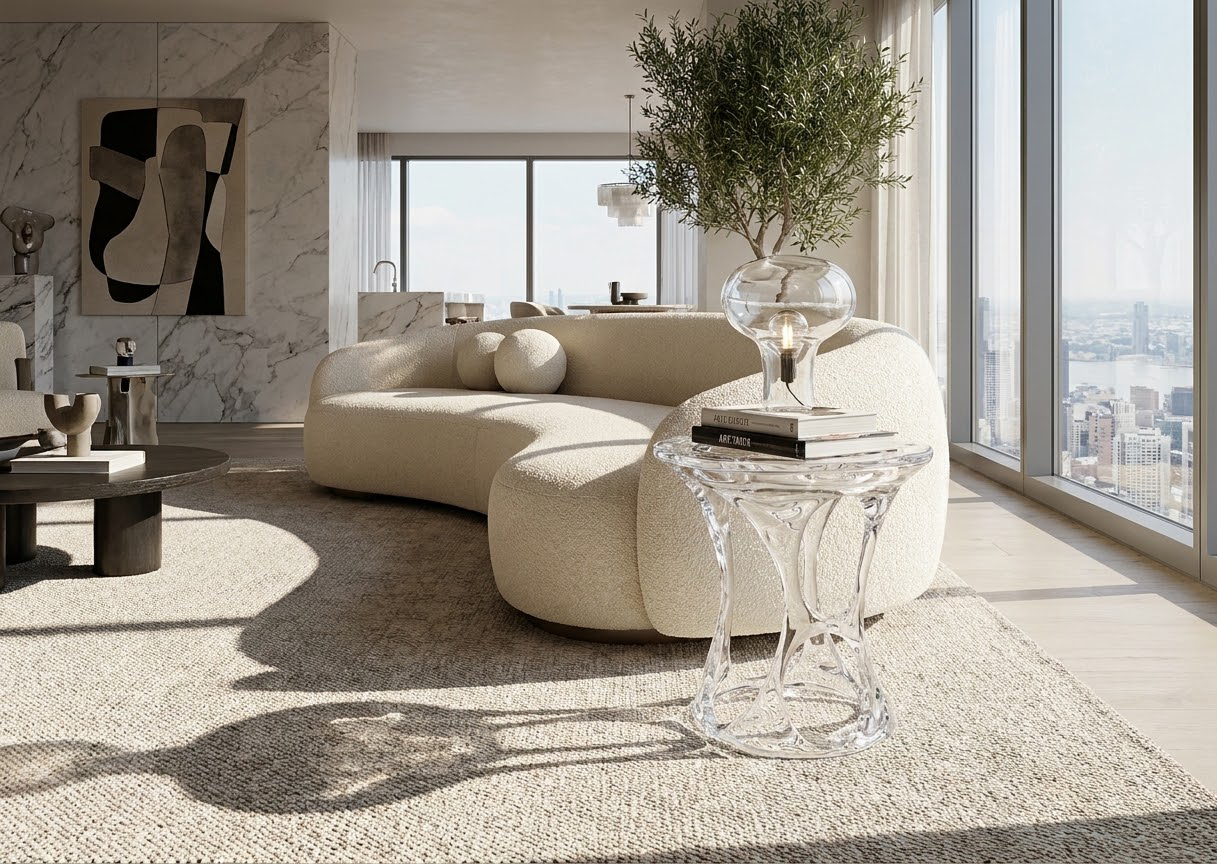
6. Final Project Execution: Ensuring Quality and Timely Delivery
6.1 Quality Control Standards for High-End Transparent Furniture
Maintaining consistent quality across multiple pieces or large-scale installations requires rigorous quality control processes. For high-end transparent furniture, quality checks focus on both aesthetic and structural performance.
Key quality control checkpoints include:
Optical clarity inspection: Verify no bubbles, scratches, or discoloration in the acrylic material
Dimensional accuracy: Confirm all pieces match specified measurements within tolerance limits
Edge finish quality: Ensure diamond-polished edges are smooth and free of imperfections
Structural integrity: Test load-bearing capacity and stability for seating and table pieces
Finish consistency: Verify high-gloss finish on transparent surfaces is uniform across all pieces
Premium manufacturers conduct multiple inspection stages throughout production, from raw material incoming inspection to final product packaging. This attention to detail ensures that every piece meets the high standards expected by luxury hotel groups and high-end furniture brands.
6.2 Installation and Post-Project Support for Complex Installations
The final stage of any furniture project is professional installation, which is especially critical for large or custom synthetic crystal pieces. Proper installation ensures that furniture is secure, level, and visually aligned with the overall design scheme.
Best practices for installation include:
Pre-installation site inspection: Verify that the space is ready and all measurements are accurate
Specialized handling equipment: Use suction cups and protective padding to prevent damage during installation
Team coordination: Work with general contractors and other trades to schedule installation at the optimal time
Final walkthrough: Conduct a joint inspection with the client to ensure everything meets expectations
Post-installation care guidelines: Provide clients with cleaning and maintenance instructions
For commercial projects, many manufacturers offer ongoing maintenance services to keep furniture looking its best for years. This includes professional polishing, scratch repair, and replacement parts if needed.
As of 2026, the application of transparent materials in furniture design continues to evolve, with new technologies like self-healing acrylic and integrated smart features entering the market. For design professionals and project stakeholders, staying ahead of these trends means partnering with innovative manufacturers who can deliver cutting-edge solutions.
Whether you’re working on a luxury hotel renovation, a commercial office build-out, or a high-end residential project, synthetic crystal furniture offers a versatile, high-performance solution that addresses even the most complex spatial and engineering challenges.
READ MORE:
- Mobili in Cristallo Sintetico Curve: Realizzare Senza Deformazioni
- Mobili in Cristallo Sintetico: Eliminare Giunzioni Visibili nel Lusso
- Synthetic Crystal Furniture Supply Chain Management for Real Estate: Balancing Quality, Lead Time, and Batch Consistency
- From Design Concept to Physical Product: Synthetic Crystal Furniture Prototyping, Sampling, and Custom Production
- How Synthetic Crystal Furniture Improves Hotel FF&E Delivery Efficiency: Coordination, QC, and Installation Strategies for 2026
- Synthetic Crystal Furniture: How to Maintain Consistency Between Unique Design and Scalable Manufacturing for Commercial Spaces
- How Synthetic Crystal Furniture Unifies Design and Quality in 2026 High-End Residential Customization
- Global Interior Project Solutions: How to Coordinate Cross-Border Supply, Customization, and International Delivery?
- Solutions for Design Studios: How to Turn Client Visions into Custom Products with Professional Manufacturing Support?


