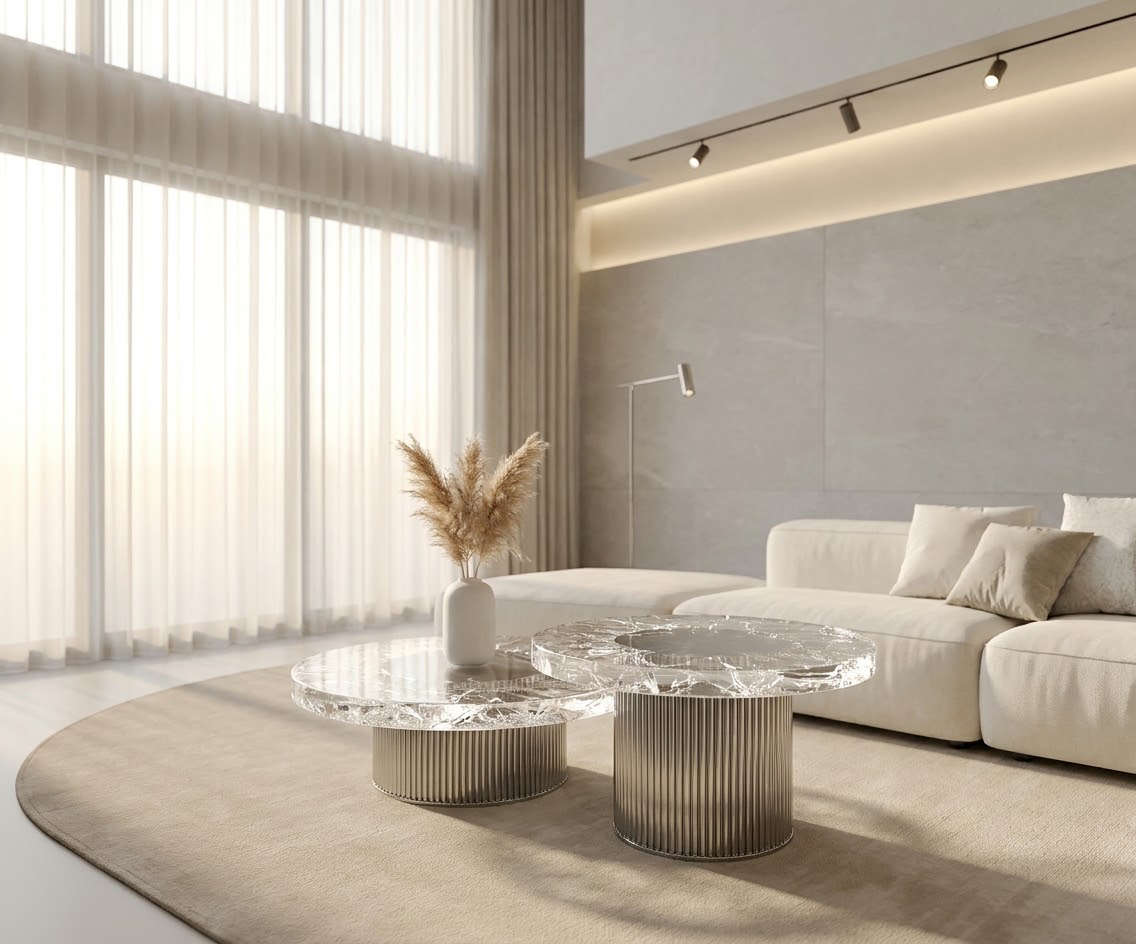
In 2026’s global interior design market, synthetic crystal furniture has emerged as a core element for high-end commercial and residential projects. As demand for designer transparent furniture and acrylic furniture and decor surges, stakeholders from interior designers to hotel procurement managers face growing challenges in coordinating cross-border supply chains, custom production, and international delivery.
This guide breaks down actionable strategies for managing global interior project solutions, with a focus on high-end transparent furniture and tailored services for B2B buyers and industry experts.
1. The 2026 Market Landscape for Transparent Resin Furniture and Global Projects
1.1 Rising Demand for Modern Design Furniture Across Borders
As of 2026, the global high-end transparent furniture market is projected to grow by 18.2% year-over-year, driven by luxury hospitality and commercial space renovations.
Key growth regions include the Middle East, Southeast Asia, and North America, where luxury hotel groups and commercial space design firms prioritize lightweight, visually open decor.
Drivers of this growth include:
Demand for space-enhancing pieces in compact urban commercial areas
Preference for sustainable, durable acrylic materials over traditional glass
Growth of boutique hotel and high-end retail interior refurbishment projects
1.2 Key Stakeholders in Cross-Border Interior Projects
Successful global projects rely on aligned collaboration across multiple professional roles.
Core stakeholders include:
Interior designers and architects who specify material and design requirements
Hotel procurement managers and custom furniture designers who oversee cost and timeline
Commercial engineering project companies and building & interior design firms that manage on-site installation
For custom furniture manufacturers, understanding the unique priorities of each stakeholder is critical to delivering tailored solutions.
2. Cross-Border Supply Chain Coordination for Custom Synthetic Crystal Furniture
2.1 Supplier Qualification and Material Sourcing Standards
When partnering with custom furniture manufacturers, verifying material quality is non-negotiable for international projects.
Key material and process parameters to audit include:
Acrylic sheet thickness consistency for structural stability
Optical transparency of transparent materials to ensure clarity without yellowing
Mechanical strength of synthetic crystal materials for high-traffic commercial use
Edge processing and polishing technology for seamless, safe finishes
For 2026 projects, leading suppliers use high-thickness acrylic structures and precision acrylic material processing technology to meet global safety and quality standards.
2.2 Multi-Regional Supply Chain Risk Mitigation
Cross-border supply chains face risks from tariff fluctuations, port congestion, and raw material shortages.
Effective mitigation strategies include:
Dual sourcing from manufacturers in Asia and Europe to reduce single-region disruption
Pre-booking shipping container space 8–12 weeks ahead for large commercial orders
Using bonded warehouse storage in key transit hubs to speed up last-mile delivery
For example, a 2026 luxury hotel project in Dubai reduced delivery delays by 32% by splitting its synthetic crystal table and transparent dining table order between two certified suppliers.
3. Customization Capabilities for Designer Transparent Furniture
3.1 Tailored Design for Modern Interior Spaces
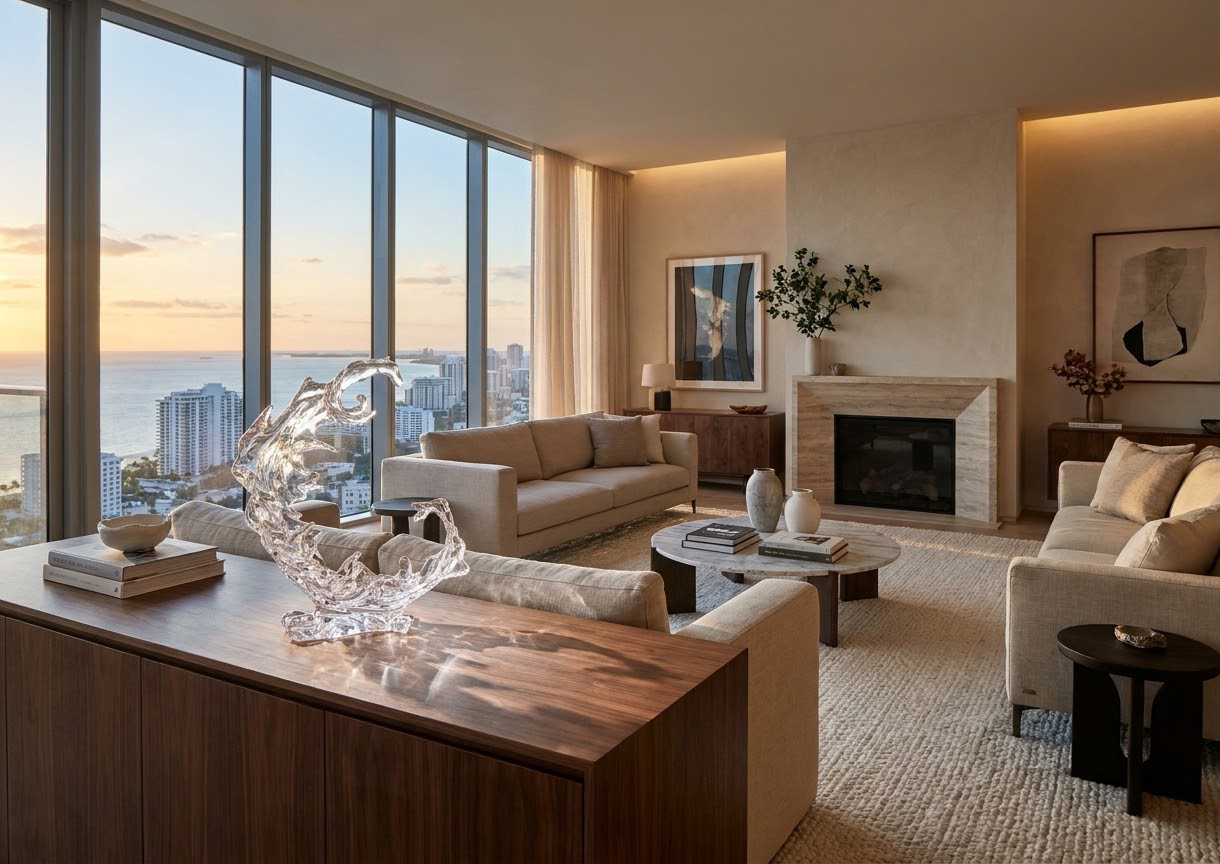
Synthetic crystal furniture for modern interior spaces offers unmatched versatility for both residential and commercial settings.
Popular custom options include:
Furniture size and shape customization to fit unique floor plans
Custom furniture design and development for brand-specific aesthetic requirements
High-gloss finish on transparent surfaces for a premium, luxury feel
Designers often request designer transparent coffee tables and decorative furniture, transparent design console tables, and acrylic chairs and stools to create visually light, open atmospheres.
The advantages of transparent furniture in interior design include making small spaces appear larger and complementing minimalist, contemporary design themes.
3.2 Custom Solutions for Architects and Design Professionals
Custom acrylic furniture for architects and interior designers requires close collaboration from concept to prototype.
Key customization services for professionals include:
3D rendering and prototype production to visualize designs before mass production
Integration of LED lighting, metal accents, or wood elements into plexiglass furniture
Compliance with local fire safety and building code standards for commercial use
Specialty pieces like synthetic crystal chandeliers, acrylic piano accessories, and high-end crystal billiard tables often require 4–8 weeks of custom development to meet precise design specifications.
4. Application Scenarios for Commercial-Grade Transparent Decor Furniture
4.1 Luxury Hotel Custom Furniture Solutions
Luxury hotel custom furniture solutions demand a balance of aesthetic appeal, durability, and brand consistency.
Common hotel applications include:
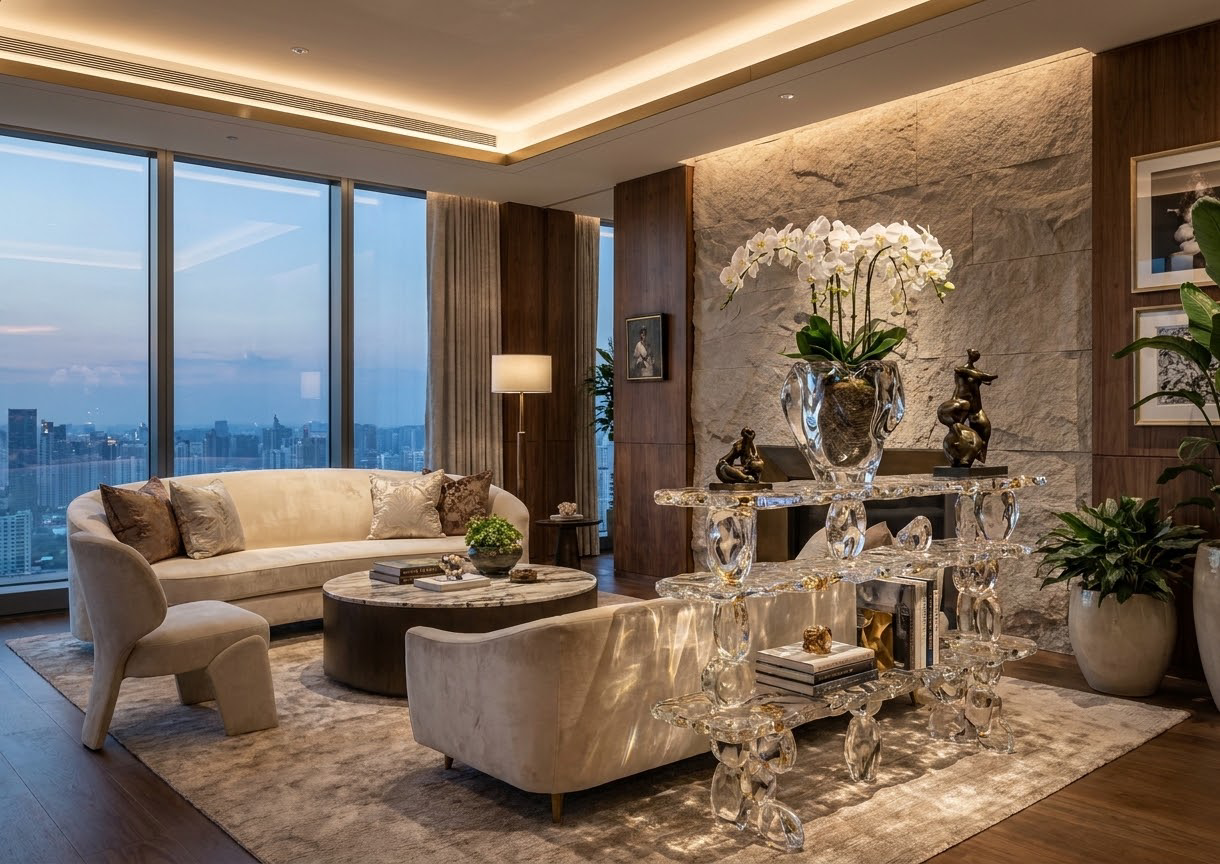
Lobby furniture: synthetic crystal coffee tables, transparent design console tables, and acrylic bar counters
Guest room pieces: transparent bedside tables and acrylic chairs and stools
Event and dining spaces: large transparent dining tables and custom synthetic crystal furniture for banquet halls
Synthetic crystal furniture for commercial engineering projects in hospitality must withstand high daily use while maintaining a premium appearance.
For example, a 2026 five-star hotel opening in Singapore used custom transparent resin furniture in its lobby to create a sense of lightness and luxury.
4.2 Retail, F&B, and Public Commercial Space Applications
For retail brands, transparent furniture helps highlight products and create inviting customer experiences.
Popular commercial uses include:
Retail display tables and acrylic shelving units
Restaurant dining sets and bar stools made of durable acrylic
Office lobby and co-working space furniture for modern, open environments
Commercial space design and often recommend organic glass furniture for its easy maintenance and scratch-resistant properties, making it ideal for high-traffic areas.
5. International Delivery and Installation Logistics for High-End Transparent Furniture
5.1 Packaging and Shipping Protection for Fragile Acrylic Pieces
Even durable acrylic furniture requires specialized packaging to prevent scratches and damage during long-haul shipping.
Best packaging practices include:
Soft foam wrapping and protective film to prevent surface scratches
Reinforced wooden crates with shock-absorbing padding for large pieces
Climate-controlled shipping options to avoid material warping in extreme temperatures
For high-value pieces and custom synthetic crystal chandeliers, white-glove shipping services with real-time tracking are standard for 2026 global projects.
5.2 Global Installation and After-Sales Support
Coordinating on-site installation across borders requires pre-planning and local partner networks.
Key after-sales and installation services include:
Sending professional installation teams or training local contractors
Providing detailed assembly manuals and video guides for standard pieces
Offering 1–3 year warranty coverage and replacement part services
For commercial project furniture companies, having a global installation partner network reduces on-site delays and ensures proper setup of custom pieces.
6. Future Trends and Strategic Recommendations for 2026 and Beyond
6.1 Emerging Trends in Global Transparent Furniture Projects
In 2026’s market, three key trends are shaping global interior project solutions:
Sustainable acrylic materials made from recycled sources, requested by 62% of
Smart furniture integration, such as LED-lit synthetic crystal tables and wireless charging acrylic furniture
AR/VR design tools that allow clients to visualize custom pieces in their space before production
These trends reflect growing demand for both aesthetic and functional innovation in modern design furniture.
6.2 Actionable Strategies for Project Stakeholders
To succeed in cross-border interior projects, stakeholders should adopt the following strategies:
Partner with experienced custom furniture manufacturers with a track record of international delivery
Prioritize suppliers that offer end-to-end services from design to installation
Build flexible project timelines that account for potential supply chain or shipping delays
For hotel and commercial space designers, investing in high-quality custom transparent furniture delivers long-term value through durability, visual appeal, and brand differentiation.
By aligning supply chain coordination, customization capabilities, and logistics planning, teams can deliver successful global interior projects that meet the highest standards of 2026’s luxury design market.
READ MORE:
- Mobili in Cristallo Sintetico Curve: Realizzare Senza Deformazioni
- Mobili in Cristallo Sintetico: Eliminare Giunzioni Visibili nel Lusso
- Synthetic Crystal Furniture Supply Chain Management for Real Estate: Balancing Quality, Lead Time, and Batch Consistency
- From Design Concept to Physical Product: Synthetic Crystal Furniture Prototyping, Sampling, and Custom Production
- How Synthetic Crystal Furniture Improves Hotel FF&E Delivery Efficiency: Coordination, QC, and Installation Strategies for 2026
- Synthetic Crystal Furniture: How to Maintain Consistency Between Unique Design and Scalable Manufacturing for Commercial Spaces
- How Synthetic Crystal Furniture Unifies Design and Quality in 2026 High-End Residential Customization
- Architectural Interior Solutions: How to Address Complex Spaces, Engineering Coordination, and Final Project Execution?
- Solutions for Design Studios: How to Turn Client Visions into Custom Products with Professional Manufacturing Support?


