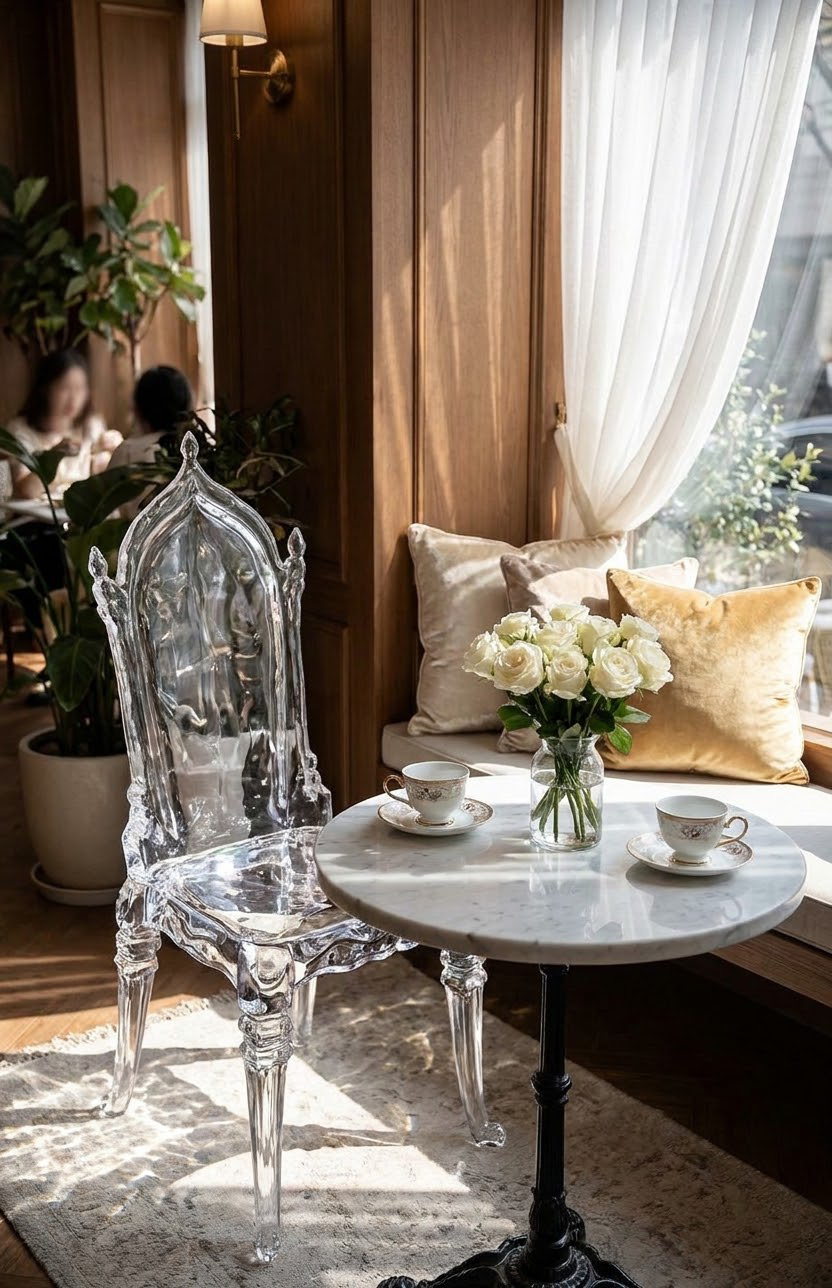
In 2026’s luxury interior market, Synthetic Crystal Furniture and Design-oriented Transparent Furniture have become signature elements for high-end hotels and premium commercial spaces. As hotel designers and architects seek materials that balance aesthetics, durability, and customization, choosing between synthetic crystal, acrylic, and architectural resin can make or break a project’s visual impact. This guide breaks down material properties, use cases, and selection strategies to help you pick the right option for your next High-end Decorative Transparent Furniture project.
1. Core Material Properties: Synthetic Crystal vs. Acrylic vs. Architectural Resin
Understanding the fundamental differences between these three transparent materials is the first step to making an informed decision. Each material offers unique optical, mechanical, and processing characteristics that suit different project requirements.
1.1 Optical Clarity and Visual Performance
The visual appeal of Transparent Furniture depends heavily on optical clarity and light transmission.
Synthetic Crystal Furniture: Delivers 92% light transmission, matching natural crystal’s refractive index for a premium, luminous finish. It has minimal light distortion even in thick slabs.
Acrylic Furniture (Organic Glass Furniture): Offers 93% light transmission, slightly higher than synthetic crystal, but with lower refractive index that creates a “plastic-like” visual effect in high-thickness acrylic structures.
Architectural Resin (Transparent Resin Furniture): Provides 88-90% light transmission, with customizable tinting and embedded decorative elements for unique visual effects.
1.2 Mechanical Strength and Durability
For commercial projects, durability is a non-negotiable factor.
Key performance metrics include:
Synthetic Crystal Material’s Mechanical Strength: 2-3 times higher impact resistance than glass, with scratch resistance comparable to natural stone. It maintains structural integrity in high-traffic areas.
Acrylic Furniture: 10-15 times more impact-resistant than glass, but prone to surface scratches (easily polished for minor damage). Standard Acrylic Sheet Thickness ranges from 3mm to 50mm for furniture applications.
Architectural Resin: Highly impact-resistant and shatterproof, with flexibility that allows for curved shapes without cracking. It is less prone to chipping than rigid crystal materials.
2. Application Scenarios for Luxury Hotel and Commercial Projects
Different spaces demand different material properties. Matching the right material to the use case ensures both aesthetic appeal and long-term functionality.
2.1 High-Traffic Public Areas
For lobbies, restaurants, and event spaces, durability and visual impact are equally important.
Recommended applications:
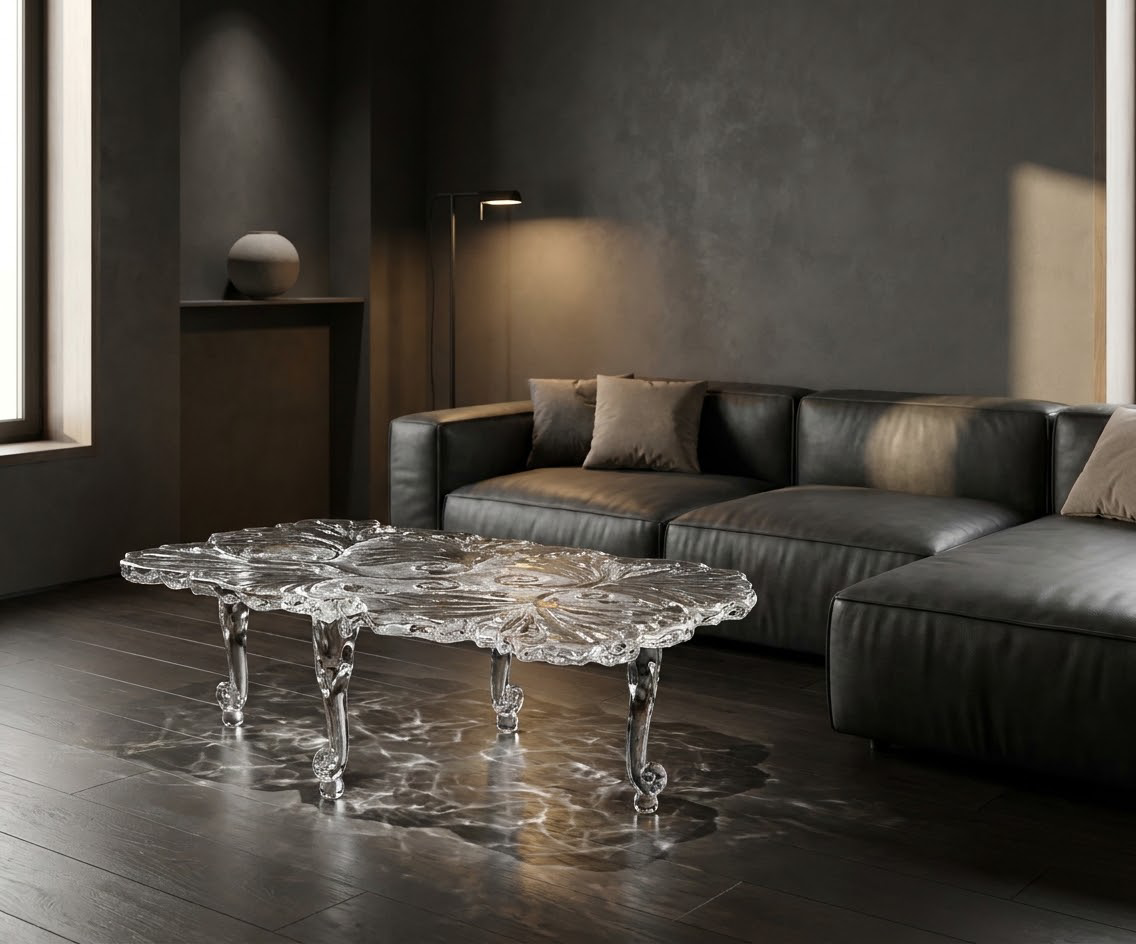
Lobby focal pieces: Synthetic Crystal Tables or Transparent Design Console Tables for a luxurious first impression
Dining areas: Acrylic Chairs and Stools paired with Transparent Dining Tables for lightweight, modern appeal
Bar zones: Acrylic Bar Counters with integrated LED lighting for vibrant nightlife spaces
Synthetic Crystal Furniture for Commercial Engineering Projects is particularly popular in 5-star hotel lobbies, where its premium finish aligns with luxury brand identities.
2.2 Private and Premium Spaces
Guest rooms, suites, and private lounges require materials that convey exclusivity and comfort.
Top choices for premium spaces:
Presidential suites: Custom Synthetic Crystal Furniture, including High-End Crystal Billiard Tables and Synthetic Crystal Chandeliers for ultimate luxury
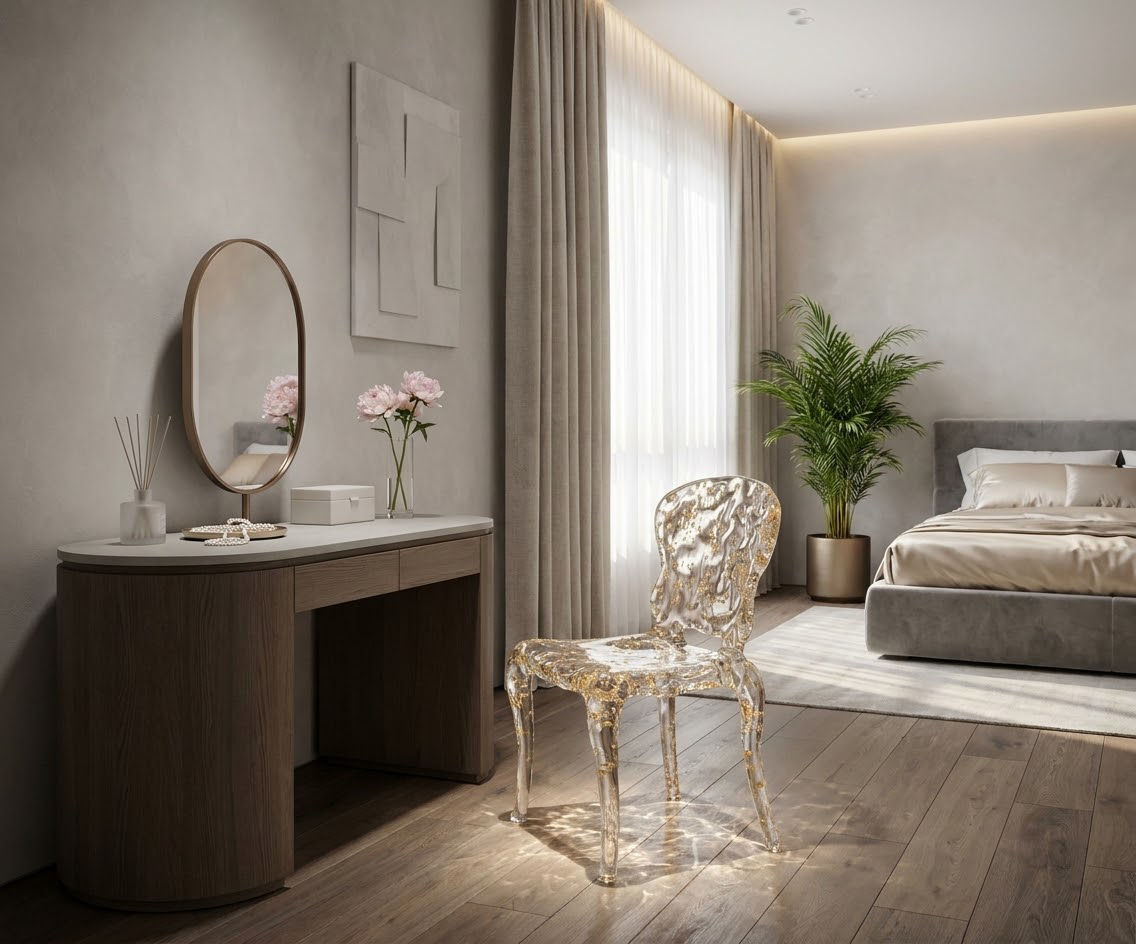
Private dining rooms: Transparent Resin Furniture with embedded gold leaf or natural elements for bespoke design
Spa and wellness areas: Acrylic Furniture with matte finishes for a calming, modern aesthetic
Custom Acrylic Furniture for Architects and Interior Designers is widely used in boutique hotel suites, where custom shapes and colors help create unique brand experiences.
3. Customization Capabilities for Bespoke Interior Projects
Customization is key for high-end projects that require unique design solutions. Each material offers different levels of customization in shape, size, and finish.
3.1 Design Flexibility and Custom Options
The ability to create custom shapes and sizes directly impacts design freedom.
Customization capabilities by material:
Synthetic Crystal: Supports Furniture Size and Shape Customization for large-format pieces, with Furniture Edge Processing and Polishing Technology that achieve crystal-clear edges. Complex 3D shapes require specialized tooling.
Acrylic: Highly flexible for Acrylic Material Fine Processing, including thermoforming, laser cutting, and CNC machining. It is ideal for intricate Custom Design Furniture with tight tolerances.
Architectural Resin: The most versatile for artistic customization, allowing embedded objects, color gradients, and organic shapes that are impossible with rigid materials.
A professional Custom Furniture Manufacturer can help you evaluate which material best fits your design vision and budget.
3.2 Finish and Detailing Options
Surface finishes and detailing define the premium feel of Transparent Furniture.
Available finish options:
High-Gloss Finish on Transparent Surfaces: Standard for all three materials, with synthetic crystal achieving the most mirror-like polish
Matte and Frosted Finishes: Available for acrylic and resin, providing diffused light effects for privacy
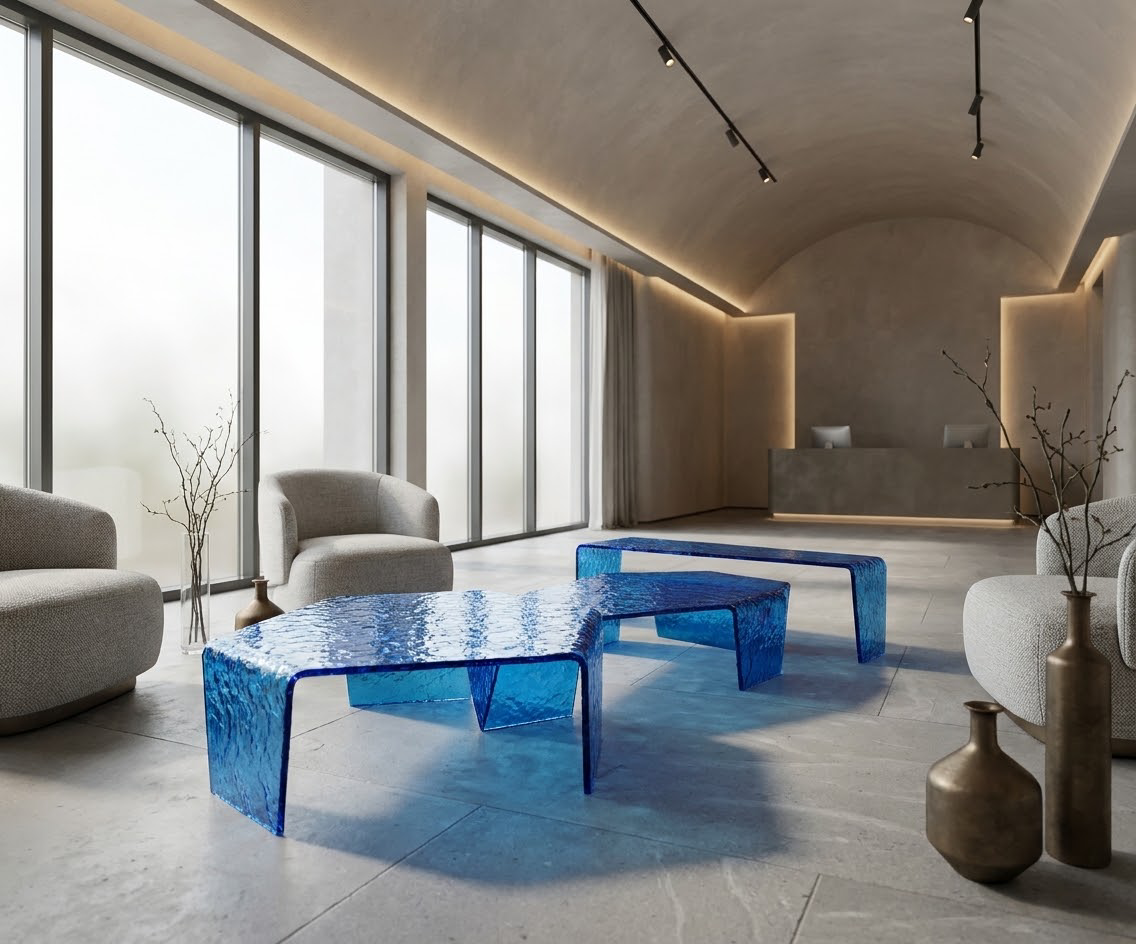
Textured and Patterned Surfaces: Resin offers the most options, with customizable surface textures and embedded patterns
Custom Furniture Design and Development teams often combine multiple finish techniques to create one-of-a-kind pieces for High-End Furniture Brands and Enterprises.
4. Cost-Benefit Analysis for B2B Buyers
For Hotel Procurement Managers and commercial project managers, balancing cost, quality, and ROI is critical. This section breaks down the total cost of ownership for each material.
4.1 Initial Investment Costs
Pricing varies significantly based on material type, thickness, and customization complexity.
Cost comparison (per square meter, 20mm thickness, 2026 market data):
Synthetic Crystal Furniture: $800-$1,500, depending on purity and thickness. High-thickness slabs for High-End Crystal Billiard Tables can cost significantly more.
Acrylic Furniture: $200-$500, making it a more accessible option for large-scale projects. Standard acrylic sheet thickness for furniture is 15-30mm.
Architectural Resin: $500-$1,200, with custom colors and embedded elements increasing costs.
4.2 Long-Term Maintenance and Lifespan
Total cost of ownership includes maintenance and replacement costs over the product’s lifespan.
Key maintenance considerations:
Synthetic Crystal: 20+ year lifespan with minimal maintenance. Resists yellowing and scratches, requiring only occasional cleaning with microfiber cloths.
Acrylic: 10-15 year lifespan. Prone to scratching, but minor damage can be polished out. May show slight yellowing after 10+ years of UV exposure.
Architectural Resin: 15-20 year lifespan. Highly resistant to impact and staining, but may require periodic resealing for high-use surfaces.
Design-oriented Transparent Coffee Tables and Decorative Furniture for Luxury Hotel Custom Furniture Solutions often prioritize synthetic crystal for long-term value, despite higher upfront costs.
5. Step-by-Step Selection Guide for Your Project
With a clear understanding of material properties, use cases, and costs, follow this step-by-step process to select the right Transparent Furniture for your project.
5.1 Define Project Requirements First
Start by clarifying your project’s core needs and constraints.
Key questions to answer:
What is the project’s budget range and timeline?
Will the furniture be used in high-traffic public areas or low-traffic private spaces?
What aesthetic style are you trying to achieve (minimalist, classic luxury, artistic)?
Do you require custom sizes, shapes, or embedded design elements?
Interior Designers and Architecture and Interior Design Firms often start with material selection during the concept design phase to ensure feasibility.
5.2 Partner with the Right Manufacturer
Choosing the right Custom Furniture Manufacturer is as important as choosing the right material.
What to look for in a supplier:
Experience with high-end projects: Look for a portfolio with High-End Hotel Groups and Commercial Engineering Furniture Project Companies clients
In-house design capabilities: A team of Custom Furniture Designers that can support Custom Furniture Design and Development
Quality control processes: Certifications for material quality and safety, with samples available for review
Full-service support: From initial design to installation, especially for large-scale Commercial Space Design and Decoration Companies projects
Synthetic Crystal Furniture for Modern Interior Spaces works with a wide range of clients, including Catering Enterprises and Chain Restaurant Groups and Hotel and Commercial Space Designers, making it a versatile choice for many project types.
By following this guide, you can confidently select between synthetic crystal, acrylic, and architectural resin for your next luxury interior project. Remember that the best material choice depends on your specific design goals, budget, and functional requirements. For personalized advice, consult with an experienced Custom Furniture Manufacturer that specializes in High-End Transparent Furniture.
READ MORE:
- Synthetic Crystal Furniture Installation Failures: 7 Checks for Hotel Projects
- Synthetic Crystal Furniture: Prevent Warping in Oversized Custom Pieces
- Synthetic Crystal Furniture: Fix Hotel Project Rework From Manufacturing Errors
- Synthetic Crystal Furniture Guide: Batch Consistency for Large Hotel Orders
- Mobilier in Cristallo Sintetico: Sfide Core dell’Arredamento Hotel su Larga Scala nel 2026
- Arredamenti in cristallo sintetico: dal progetto alla consegna, come superare limiti ingegneristici e produttivi
- Arredamento in cristallo sintetico: la guida completa alla realizzazione di progetti complessi per designer d’interni
- Arredamento in cristallo sintetico: design su misura per upgrade di spazi high-end
- Arredamento in cristallo sintetico: la guida completa alla realizzazione di progetti complessi per designer d’interni


