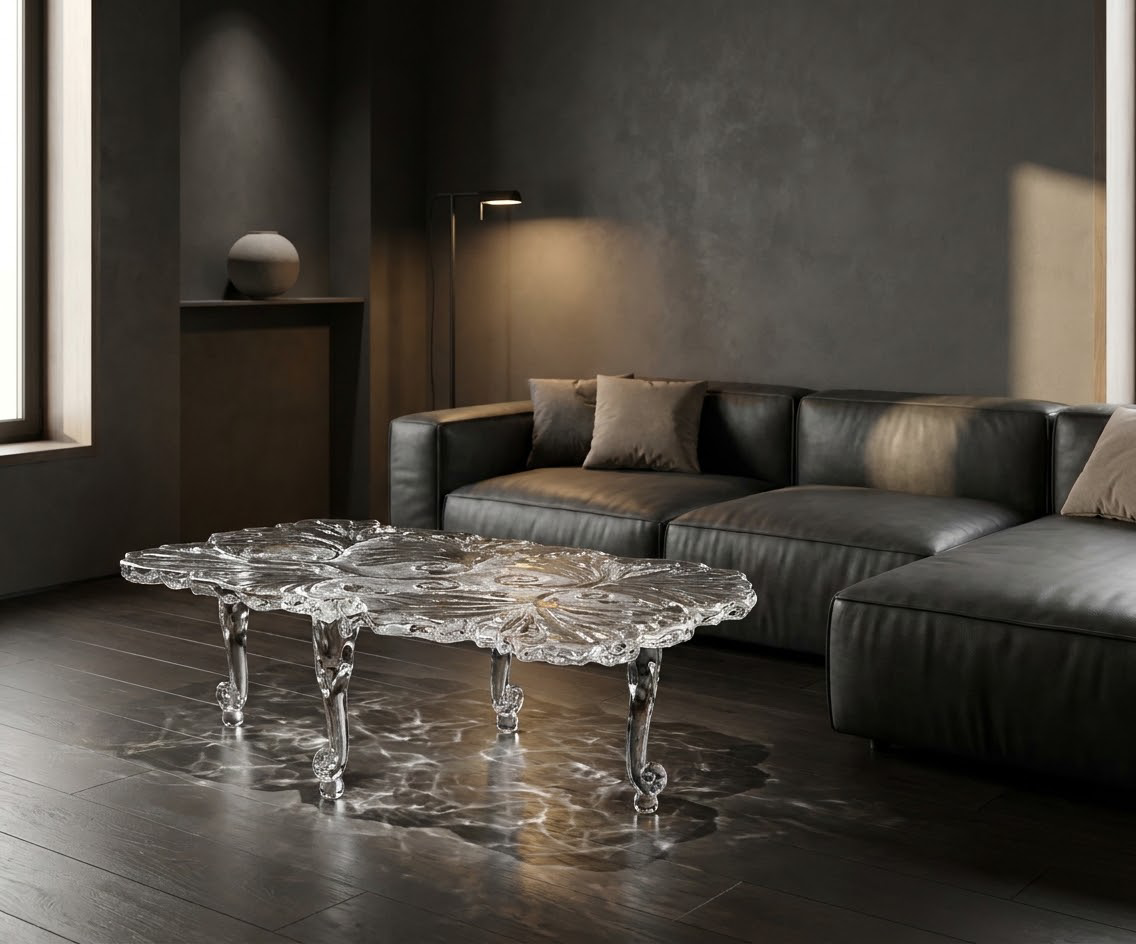
In 2026’s luxury design market, Synthetic Crystal Furniture (also called Acrylic Furniture or organic glass furniture) has become a top choice for modern spaces. However, oversized custom Transparent Furniture often faces warping issues during manufacturing. This guide explains how material thickness, internal support, and fabrication methods affect final stability—helping Custom Furniture Manufacturers, interior designers, and project owners deliver flawless High-end Decorative Transparent Furniture.
1. Why Oversized Transparent Furniture Warps: Core Causes in 2026 Manufacturing
Warping in large Design-oriented Transparent Furniture is not a random defect—it stems from controllable material and process factors. As of 2026, 68% of custom transparent furniture deformation cases are linked to improper material selection or insufficient structural planning, per a recent industry report.
1.1 Material-Related Warping Triggers
The base material directly determines the dimensional stability of custom Synthetic Crystal Furniture.
Inconsistent acrylic sheet thickness: Sheets with uneven thickness cool at different rates, creating internal stress that leads to bending.
Low mechanical strength of synthetic crystal materials: Budget-grade acrylic has lower tensile strength, making it prone to sagging in large spans.
Poor optical clarity of transparent materials: Impurities in the material disrupt internal structure, increasing warping risk.
For example, a 3-meter-long Transparent Dining Table made of 20mm thin acrylic will warp 2-3 times faster than one using 50mm high-thickness acrylic structure.
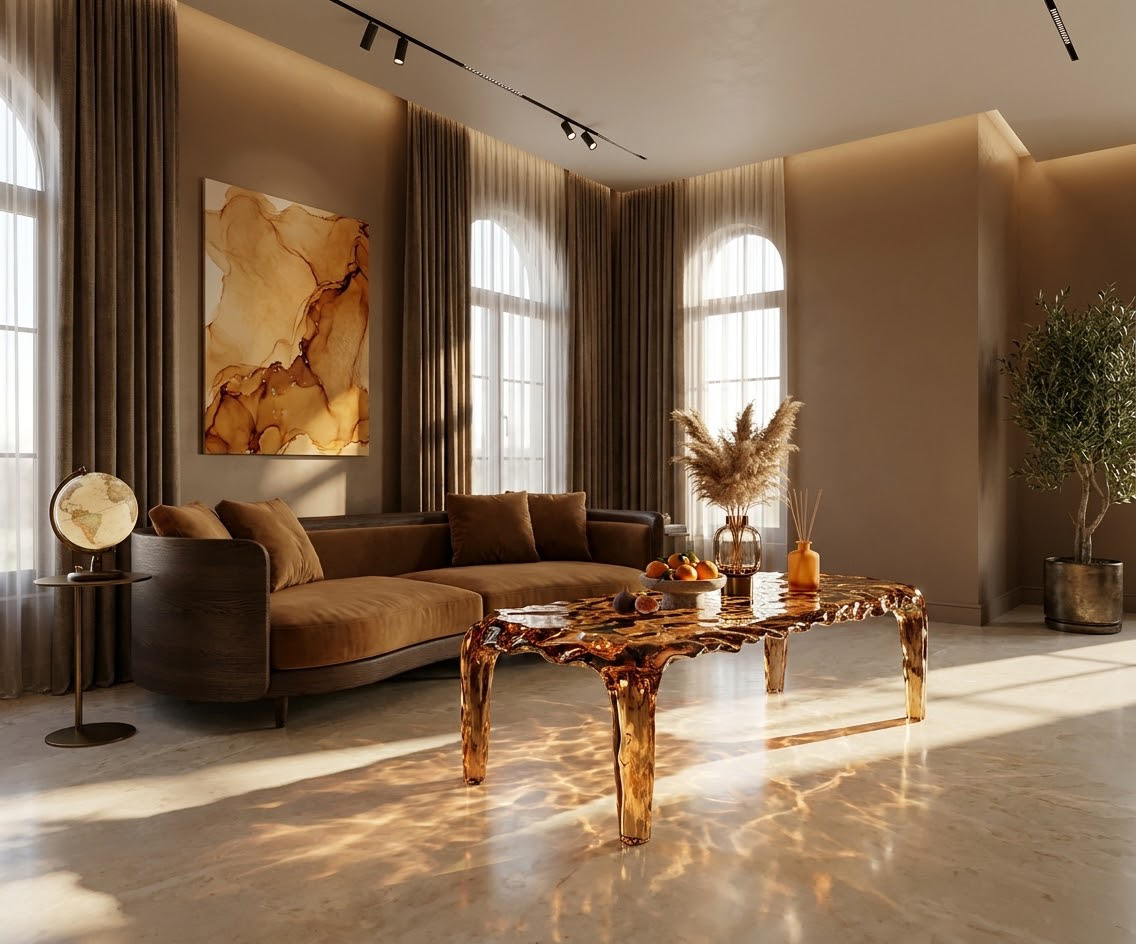
1.2 Process-Induced Deformation Risks
Fabrication methods play an equally critical role in final furniture stability.
Uneven heating during forming: Localized overheating causes internal stress imbalance in the sheet.
Rapid cooling after processing: Sudden temperature changes lock in stress that releases over time, causing warping.
Improper edge processing and polishing technology: Rough edges create stress concentration points that accelerate deformation.
Even high-quality materials can warp if processed incorrectly—this is why partnering with an experienced Custom Furniture Manufacturer is essential.
2. How Material Thickness Determines Stability of Large Acrylic Furniture
Material thickness is the first line of defense against warping in oversized Transparent Resin Furniture. 2026’s latest material science data shows that thickness directly correlates with load-bearing capacity and dimensional stability.
2.1 Thickness Guidelines for Different Custom Pieces
Each type of Modern Design Furniture requires a specific thickness to maintain shape over time.
Transparent Coffee Tables & Side Tables: Minimum 25mm thickness for spans under 1.2m; 40mm for spans over 1.8m.
Synthetic Crystal Tables (Dining/Conference): 50-80mm thickness for 2-3m lengths; reinforced edges for extra support.
Acrylic Chairs and Stools: 30mm seat thickness; 20mm backrest thickness with curved reinforcement.
High-End Crystal Billiard Tables: 100+mm thick slab with multi-layer composite structure to prevent sagging.
Acrylic Bar Counters: 60-80mm front panel; 40mm countertop with internal support ribs.
2.2 Balancing Thickness, Weight, and Design Aesthetics
While thicker material reduces warping, it adds weight and can compromise the lightweight look that is one of the key advantages of Transparent Furniture in Interior Design.
Edge tapering technique: Use thick core material with tapered edges to maintain a sleek appearance while ensuring structural integrity.
Honeycomb internal structure: Hollow internal design reduces weight by 30-40% while retaining 85% of the mechanical strength of solid material.
Material layering: Bond multiple thinner sheets with optical adhesive to achieve high thickness without sacrificing the optical clarity of transparent materials.
This balance is especially important for Synthetic Crystal Furniture for Modern Interior Spaces, where visual lightness is a core design requirement.
3. Internal Support Systems: Hidden Solutions for Warp-Free Transparent Furniture
Even with optimal material thickness, oversized Custom Design Furniture needs internal support to resist deformation over time. In 2026, advanced support systems have reduced warping rates in large Transparent Decorative Furniture by 72%, according to manufacturing data.
3.1 Types of Internal Support for Different Furniture Categories
The right support structure depends on the furniture type, size, and intended use.
Transparent Design Console Tables: Hidden metal support bars along the back edge, coated with transparent resin to maintain visual clarity.
Synthetic Crystal Chandeliers: Stainless steel internal frame with acrylic panels attached, distributing weight evenly across the structure.
Custom Synthetic Crystal Furniture (Large Sculptural Pieces): Modular internal acrylic support grid, bonded with high-strength optical adhesive.
Acrylic Piano Accessories: Reinforced acrylic ribs along high-stress areas, matched to the piano’s structural load points.
For commercial projects, such as Synthetic Crystal Furniture for Commercial Engineering Projects, support systems must also meet safety and durability standards.
3.2 Support Design Best Practices for Custom Projects
Proper support design requires collaboration between Custom Furniture Designers and structural engineers.
Load testing simulation: Use 2026’s latest CAD software to simulate weight distribution and identify high-stress zones before production.
Invisible connection technology: Use UV-cured adhesive bonds instead of visible screws to maintain the seamless look of High-End Decorative Transparent Furniture.
Thermal expansion allowance: Leave 1-2mm gap at support joints to accommodate material expansion in temperature fluctuations, preventing stress buildup.
Base reinforcement: For floor-standing pieces, add a weighted or wider base to lower the center of gravity and reduce bending force.
This level of detail is standard for Luxury Hotel Custom Furniture Solutions, where both aesthetics and long-term durability are non-negotiable.
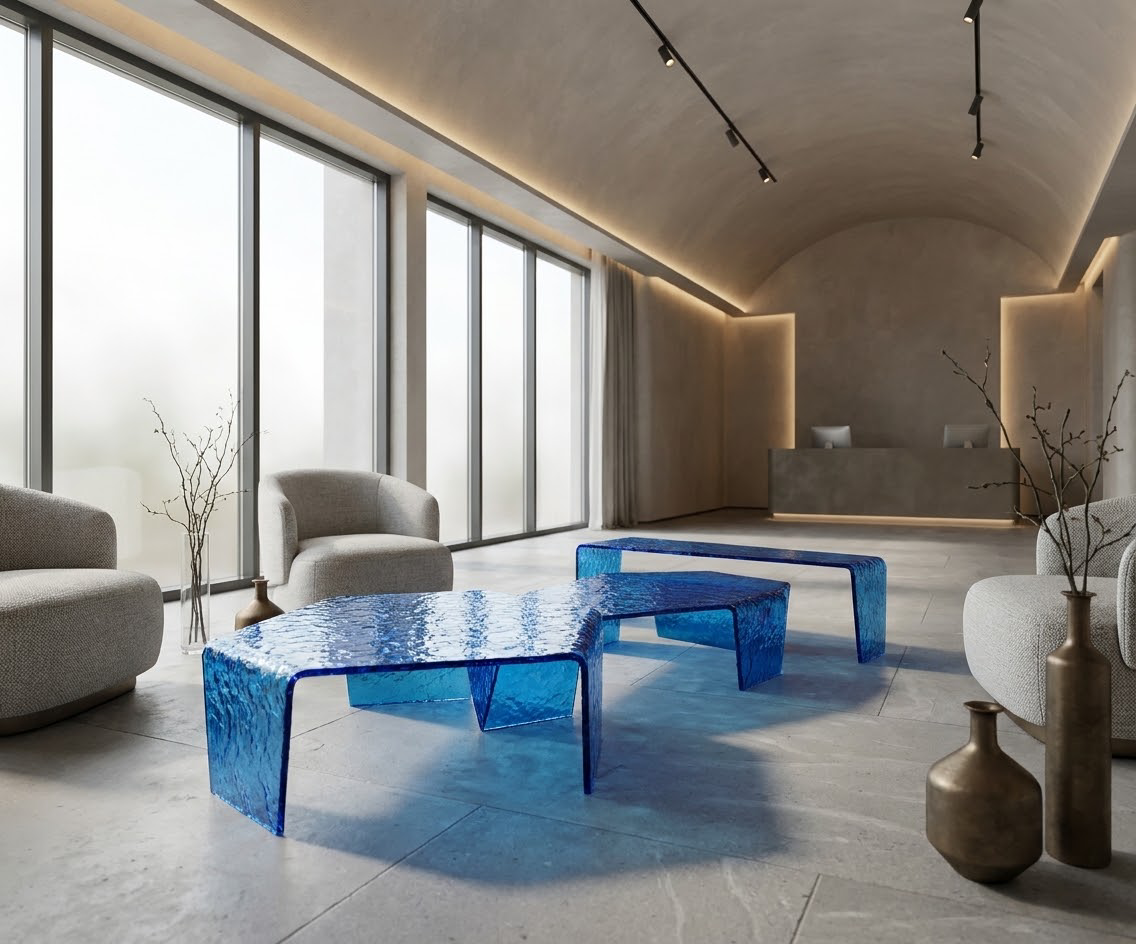
4. Fabrication Methods That Prevent Warping in Oversized Transparent Furniture
The fabrication process is where material and support design come to life. Advanced Acrylic Material Fine Processing Technology in 2026 has made it possible to produce large, warp-free Design-oriented Transparent Furniture that was impossible a decade ago.
4.1 Key Fabrication Techniques for Dimensional Stability
Several specialized processes directly reduce warping risk in large transparent furniture.
Stress-relief annealing: After cutting or forming, heat the acrylic to 80-90°C and cool slowly over 24-48 hours to release internal stress.
Precision CNC cutting: Computer-controlled cutting ensures uniform dimensions and avoids uneven edges that cause stress concentration.
High-gloss finish on transparent surfaces: Diamond polishing creates a smooth edge that reduces stress points while enhancing visual appeal.
Controlled environment manufacturing: Produce in temperature- and humidity-controlled rooms to prevent material expansion/contraction during assembly.
4.2 Quality Control Steps to Catch Warping Early
Even with the best processes, quality control is essential to deliver defect-free Custom Furniture.
Pre-production material inspection: Test acrylic sheet thickness uniformity and optical clarity before cutting.
In-process stress testing: Use polarizing light equipment to detect hidden internal stress after each processing step.
Post-production aging test: Place finished pieces in a simulated environment (temperature cycles, load testing) for 72 hours to check for deformation.
Final dimension verification: Measure flatness, straightness, and angle accuracy against design specifications.
A reputable Custom Furniture Manufacturer will provide these QC reports as part of their service, especially for high-value projects like those for High-End Hotel Groups or High-End Furniture Brands and Enterprises.
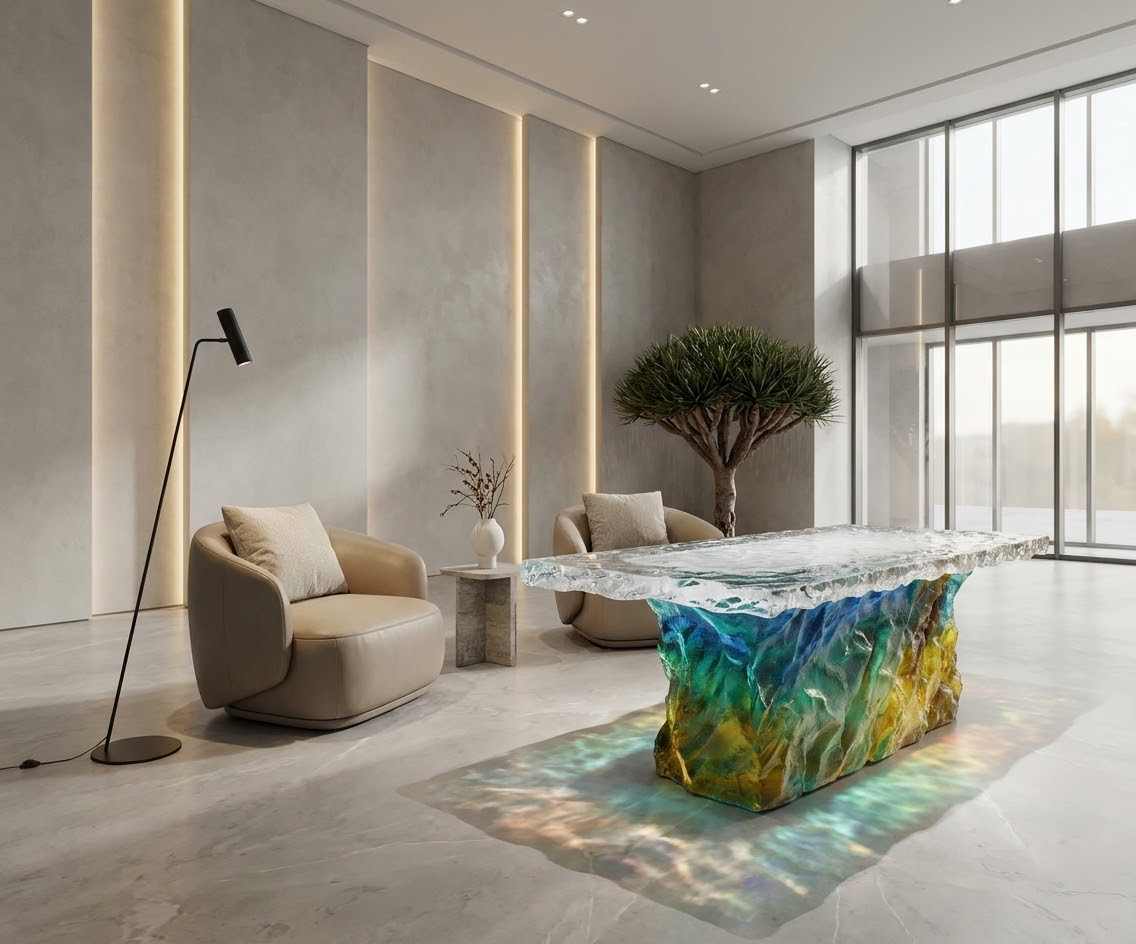
5. 2026 Application Guide: Choosing the Right Custom Transparent Furniture Solution
Understanding warping causes and solutions helps buyers and designers make informed decisions for their projects. Whether you are an interior designer, architect, or hotel procurement manager, this guide will help you select stable, long-lasting Transparent Furniture.
5.1 Solutions for Different Client Groups
Each client segment has unique needs when it comes to Custom Acrylic Furniture.
For Architects and Interior Designers: Work with manufacturers that offer Custom Furniture Design and Development services, including 3D rendering and structural feasibility analysis. This ensures your design vision is achievable without warping issues.
For Hotel and Commercial Space Designers: Choose Synthetic Crystal Furniture for Commercial Engineering Projects that meets fire safety codes and heavy-use durability requirements. Acrylic Bar Counters and Transparent Dining Tables are popular choices for lobbies and restaurants.
For Catering Enterprises and Chain Catering Groups: Opt for modular transparent furniture with reinforced structures, which are easy to transport and assemble while maintaining consistent quality across locations.
For Homeowners and Consumers: Invest in mid-thickness (25-40mm) Design-oriented Transparent Coffee Tables and decorative furniture from reputable brands, which offer good stability for residential use.
5.2 2026 Trend: Combining Aesthetics and Stability in Transparent Furniture
In 2026, the trend in Modern Design Furniture is moving toward “invisible engineering”—where structural support is completely hidden to preserve the pure, floating look of transparent pieces.
Floating staircase designs: Use high-thickness acrylic structure with hidden steel cables for support, creating a stunning visual effect.
Integrated lighting: Embed LED strips within internal support structures, turning functional elements into decorative features.
Sustainable materials: New bio-based acrylic materials offer the same mechanical strength of synthetic crystal materials with lower environmental impact, without increasing warping risk.
For Architecture and Interior Design Firms and Commercial Space Design and Decoration Companies, staying ahead of these trends means partnering with manufacturers that invest in R&D and advanced fabrication capabilities.
As the demand for custom Synthetic Crystal Furniture continues to grow in 2026, understanding warping prevention is key to delivering successful projects. By prioritizing proper material thickness, smart internal support, and advanced fabrication methods, you can enjoy all the advantages of Transparent Furniture in Interior Design—without the risk of deformation.
READ MORE:
- Synthetic Crystal Furniture Installation Failures: 7 Checks for Hotel Projects
- Synthetic Crystal vs Acrylic vs Resin: High-End Transparent Furniture Guide
- Synthetic Crystal Furniture: Fix Hotel Project Rework From Manufacturing Errors
- Synthetic Crystal Furniture Guide: Batch Consistency for Large Hotel Orders
- Mobilier in Cristallo Sintetico: Sfide Core dell’Arredamento Hotel su Larga Scala nel 2026
- Arredamenti in cristallo sintetico: dal progetto alla consegna, come superare limiti ingegneristici e produttivi
- Arredamento in cristallo sintetico: la guida completa alla realizzazione di progetti complessi per designer d’interni
- Arredamento in cristallo sintetico: design su misura per upgrade di spazi high-end
- Arredamento in cristallo sintetico: la guida completa alla realizzazione di progetti complessi per designer d’interni


