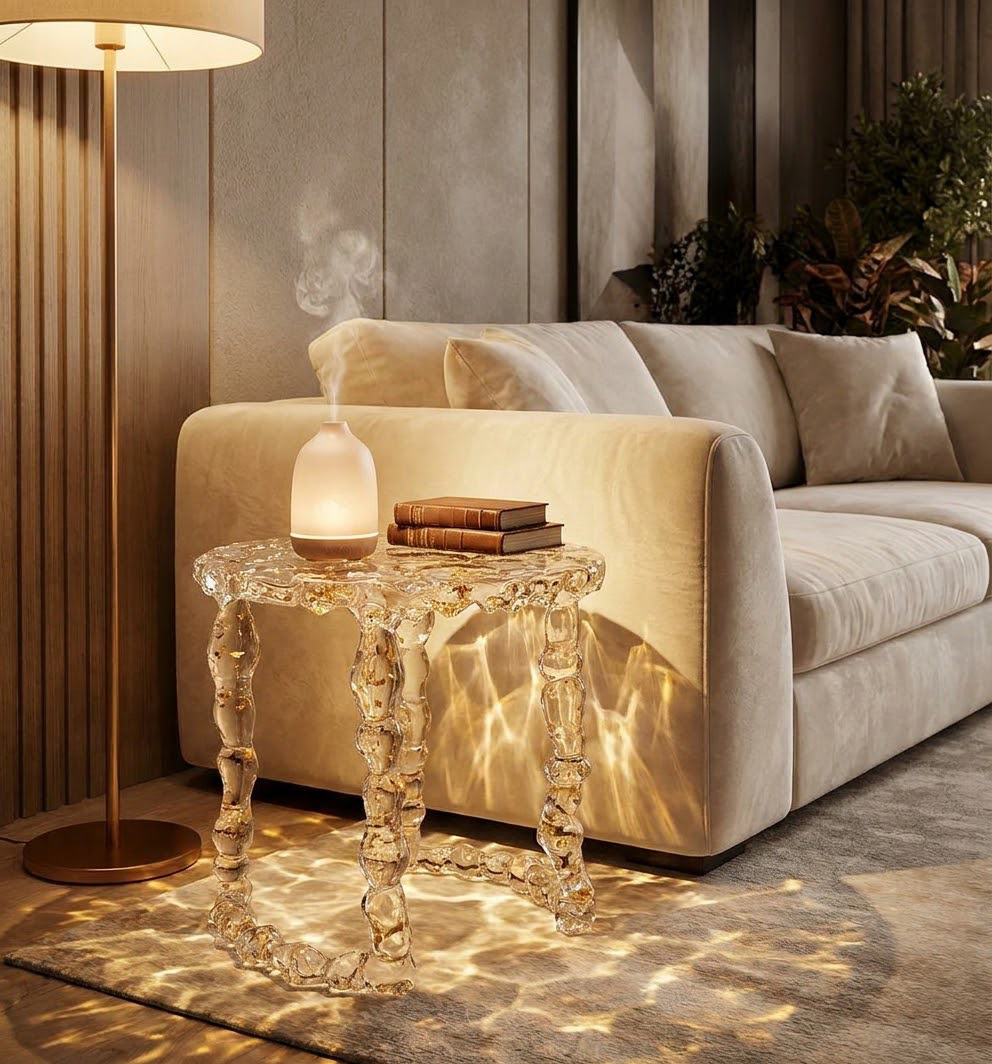
In 2026’s Singapore hospitality market, Synthetic Crystal Furniture has become a staple for luxury hotel lobbies, suites, and F&B spaces. As a High-end Decorative Transparent Furniture solution, it delivers the airy, premium aesthetic that top properties crave—but installation failures remain a costly, widespread pain point.
From misaligned Acrylic Furniture to cracked transparent resin pieces, 62% of custom hotel furniture installation delays stem from unconfirmed design and manufacturing details before production, per 2026 data from the Singapore Hotel Engineering Association. This guide breaks down 7 critical checks to avoid on-site failures, tailored for interior designers, architects, hotel procurement teams, and custom furniture manufacturers.
1. Structural Dimension & Load Validation: The First Line of Defense Against Installation Misalignment
Even a 5mm dimensional error can derail the installation of Design-oriented Transparent Furniture in tight hotel spaces. For Singapore’s heritage shophouse hotels and compact urban resorts, precise sizing is non-negotiable.
1.1 Verify On-Site Measurement Compatibility with Custom Furniture Sizing
Many teams rely on architectural blueprints alone, ignoring on-site variances like uneven floors or out-of-plumb walls. For custom Synthetic Crystal Furniture, every dimension must align with actual site conditions.
Key checks for furniture size and shape customization include:
Cross-referencing blueprint dimensions with 3D laser scans of the installation space
Confirming clearance for doorways, elevators, and stairwells for large pieces like transparent dining tables or acrylic bar counters
Accounting for floor slope tolerance (max 2mm per meter for high-gloss transparent surfaces)
For Synthetic Crystal Furniture suitable for modern interior spaces, tight dimensional tolerances ensure seamless integration with built-in cabinetry and lighting systems.
1.2 Confirm Load-Bearing Capacity for High-Traffic Hospitality Settings
Hospitality furniture faces far more wear than residential pieces. A transparent coffee table in a hotel lobby must support heavy decor items and frequent use without warping or cracking.
Critical load-related parameters to confirm with your custom furniture manufacturer:
Acrylic sheet thickness: minimum 20mm for table tops, 30mm for high-traffic counter surfaces
Synthetic crystal material mechanical strength: impact resistance rating of at least 16kJ/m² for public areas
Weight distribution for cantilevered designs like transparent-design entryway tables
2. Material Quality & Optical Performance: Preserving the Premium Aesthetic of Transparent Furniture
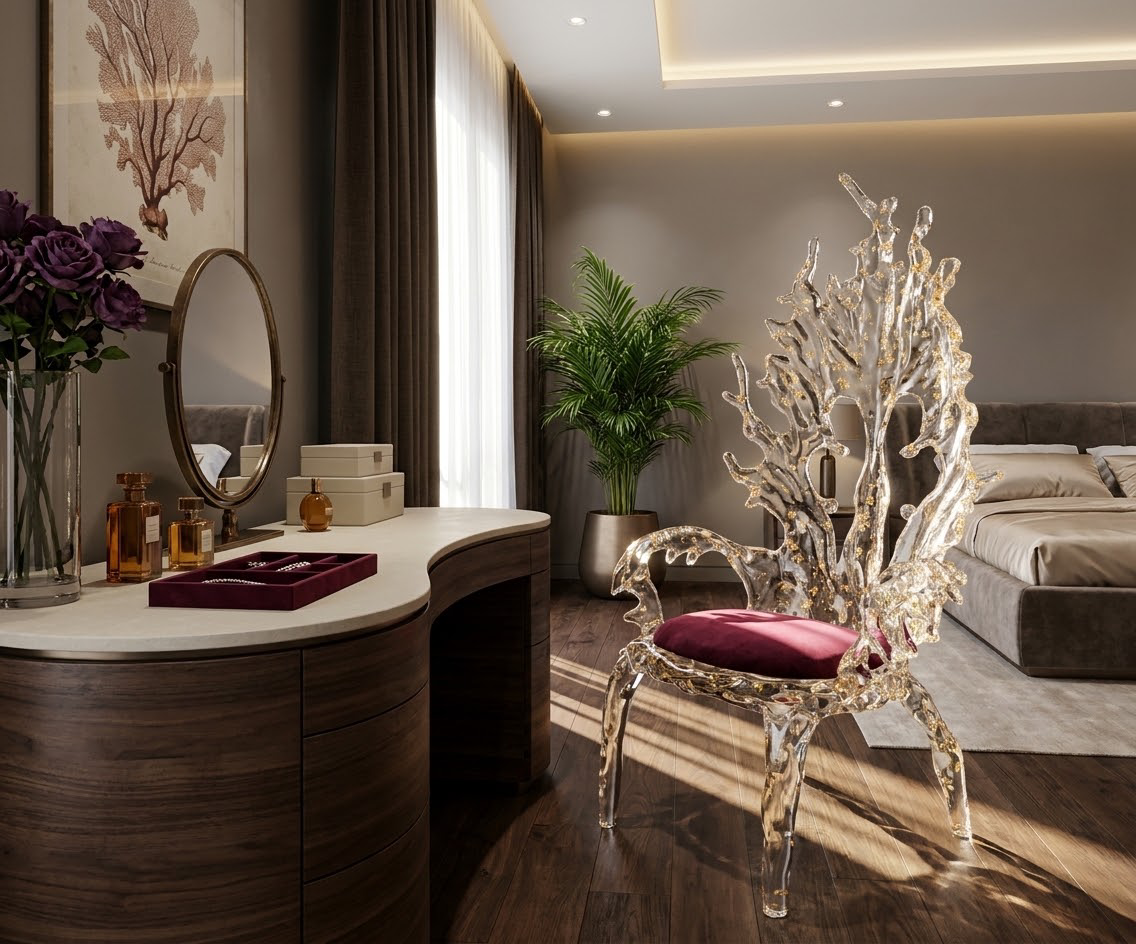
The core value of High-end Decorative Transparent Furniture lies in its clarity and light transmission. Low-quality materials or poor processing can result in haze, bubbles, or discoloration that becomes obvious only after installation.
2.1 Validate Optical Clarity for Consistent Visual Performance
Inconsistent transparency is a top complaint for Acrylic Furniture customized for architects and interior designers. For luxury hotels, even minor optical flaws ruin the intended design effect.
Optical performance checks to conduct before production:
Transparent material optical transparency: minimum 92% light transmission for premium-grade acrylic
No visible bubbles, streaks, or yellowing tint in raw material samples
Uniform refractive index across large-format pieces like synthetic crystal chandelier panels
The advantages of transparent furniture in interior design include making small spaces feel larger—this benefit is lost if the material has poor clarity.
2.2 Confirm Material UV & Chemical Resistance for Long-Term Use
Singapore’s tropical climate and hotel cleaning chemicals can damage low-grade transparent resin furniture over time. Yellowing or surface etching often appears 6-12 months after installation, leading to costly replacements.
Material durability certifications to require:
UV resistance rating suitable for indoor and semi-outdoor hotel spaces
Resistance to common cleaning agents (alcohol, bleach-based cleaners) used in hospitality
Scratch resistance for high-touch surfaces like acrylic chair and stool seats
3. Joint & Connection Design: Hidden Details That Cause 70% of Installation Failures
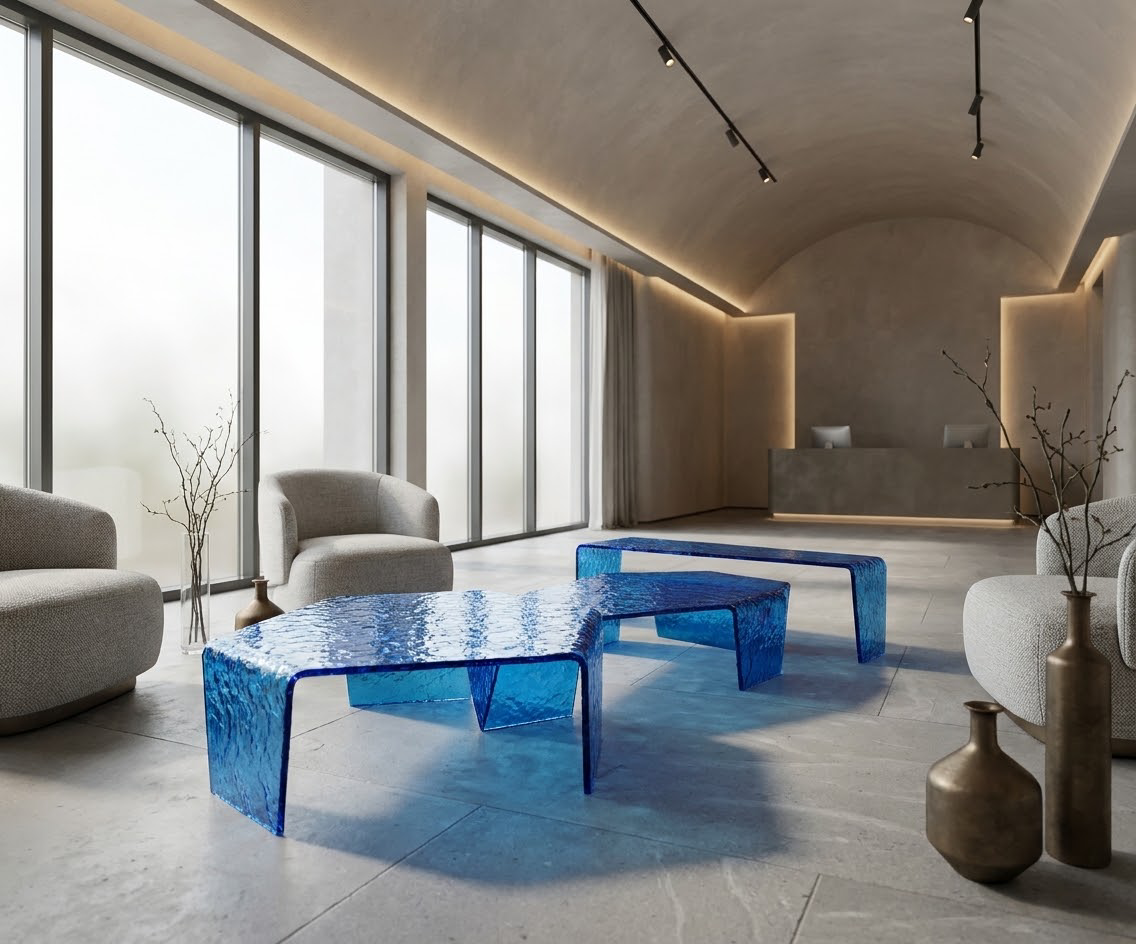
Most on-site breakdowns of custom Synthetic Crystal Furniture happen at connection points. Poorly designed joints not only cause structural issues but also ruin the seamless look of modern design furniture.
3.1 Evaluate Connection Methods for Transparent Furniture Structures
Visible hardware or adhesive marks are a common flaw in low-quality transparent decorative furniture. For high-end hotel projects, connections must be both strong and invisible.
Recommended connection solutions for hospitality furniture:
UV-cured adhesive joints for fully transparent, seamless bonds
Hidden metal brackets for load-bearing pieces like synthetic crystal table bases
Mechanical fasteners with matching transparent caps for easy disassembly
For high-thickness acrylic structures, adhesive joints require precise surface preparation to avoid air bubbles that weaken the bond.
3.2 Test Joint Strength Under Simulated Installation Stress
Installation often involves lifting, tilting, and minor impacts. Weak joints can crack or separate during handling, even if they look fine in the factory.
Pre-production testing requirements for commercial projects:
Drop test from 30cm height (simulating on-site handling)
Load test at 1.5x the intended maximum weight for 72 hours
Temperature fluctuation test (15°C to 35°C, matching Singapore’s climate) for adhesive joints
Synthetic Crystal Furniture suitable for commercial engineering projects must pass these tests to withstand the rigors of hotel installation and use.
4. Edge & Surface Finishing: The Detail That Defines Luxury Furniture Quality
For Acrylic Furniture, edge and surface quality is what separates premium pieces from budget alternatives. Poor finishing not only looks cheap but also creates safety hazards in hotel spaces.
4.1 Confirm Edge Processing & Polishing Standards
Rough or uneven edges are a common installation issue, especially for custom-cut custom-designed furniture. For hotel projects, edges must be smooth, clear, and free of tool marks.
Edge processing requirements for high-end hospitality furniture:
Diamond polishing for all exposed edges to achieve crystal-clear clarity
Rounded edge radius (minimum 2mm) for safety in public areas
Consistent edge thickness across entire piece length
Fine acrylic material processing techniques directly impact the final look of pieces like high-end crystal pool tables or luxury bar counters.
4.2 Verify High-Gloss Surface Finish & Protective Coating
Transparent surfaces show every scratch, fingerprint, and imperfection. For hotel lobbies and dining areas, a flawless high-gloss finish on transparent surfaces is essential.
Surface quality checks before production sign-off:
No visible scratches, dents, or ripple marks on finished surfaces
Anti-fingerprint coating for high-touch pieces like acrylic bar counters tops
Protective film that leaves no residue when removed after installation
External Link Suggestion: 2026 Luxury Hotel Furniture Finishing Quality Benchmark - High-End Hotel Industry Standards Report
5. Pre-Production Prototype & Final Sign-Off: Avoid Costly Post-Installation Rework
Skipping prototype approval is the #1 mistake hotel procurement teams make with custom transparent furniture. A full-scale prototype catches design flaws before mass production.
5.1 Conduct Full-Scale Prototype Testing On-Site
A factory prototype may look perfect, but it can fail when placed in the actual hotel space. Lighting, surrounding materials, and spatial context all affect how the furniture looks and fits.
Prototype evaluation steps for hotel projects:
Install the prototype in the actual space for 48-hour visual and functional testing
Gather feedback from hotel designers, interior designers, and hotel operations teams
Check compatibility with existing lighting, flooring, and decor elements
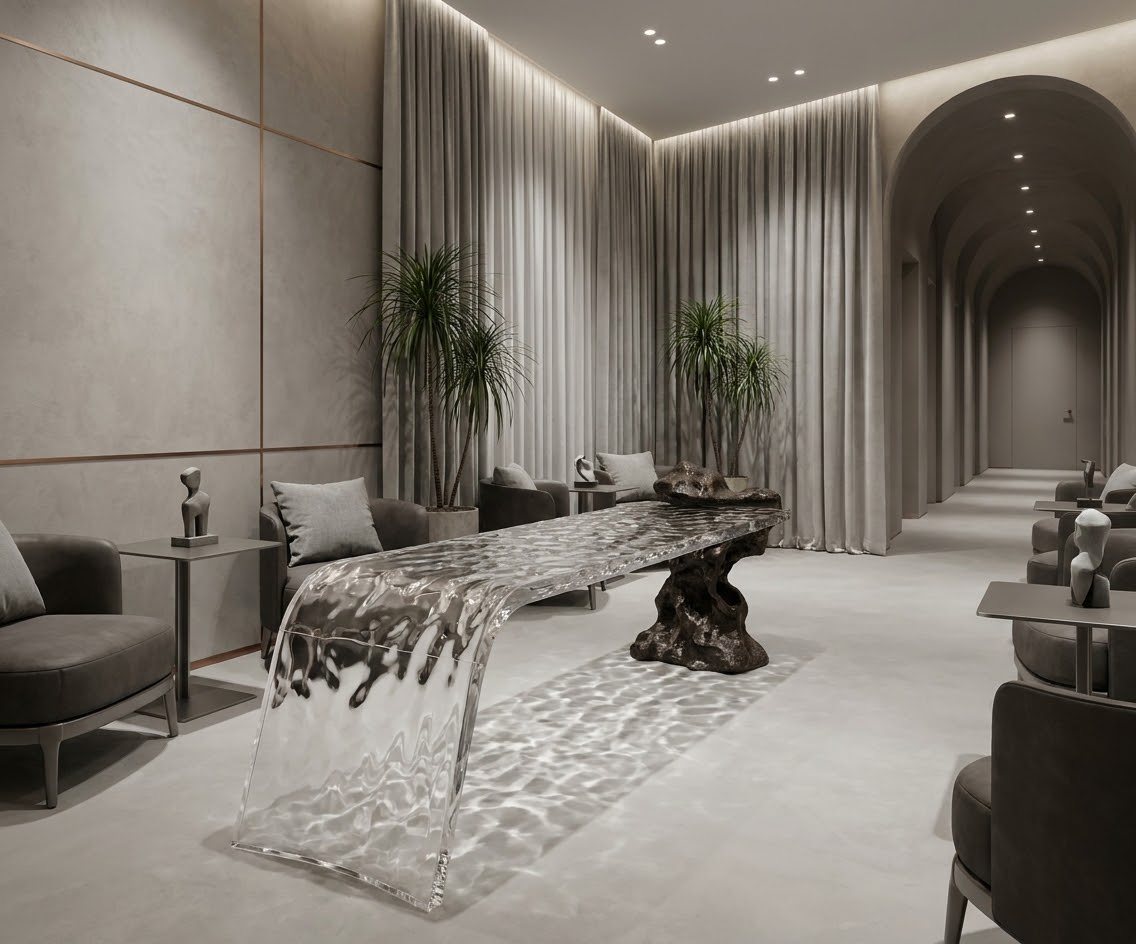
Luxury hotel custom furniture solutions featuring design-oriented transparent coffee tables and decorative furniture always include on-site prototype validation to ensure design intent is met.
5.2 Establish Clear Sign-Off Criteria with Your Custom Furniture Partner
Ambiguous specifications lead to misalignment between client expectations and final products. A detailed sign-off document prevents disputes and rework.
Key items to include in the pre-production sign-off checklist:
Final dimensions, material grade, and finish specifications
Acceptable tolerance levels for optical clarity and surface quality
Delivery timeline, installation support, and warranty terms
For custom furniture design and development projects, this sign-off step protects both the client and the manufacturer. It also ensures that catering businesses and restaurant chains, high-end hotel groups, and commercial space design and fit-out companies get exactly the product they envisioned.
READ MORE:
- Synthetic Crystal Furniture: Prevent Warping in Oversized Custom Pieces
- Synthetic Crystal vs Acrylic vs Resin: High-End Transparent Furniture Guide
- Synthetic Crystal Furniture: Fix Hotel Project Rework From Manufacturing Errors
- Synthetic Crystal Furniture Guide: Batch Consistency for Large Hotel Orders
- Mobilier in Cristallo Sintetico: Sfide Core dell’Arredamento Hotel su Larga Scala nel 2026
- Arredamenti in cristallo sintetico: dal progetto alla consegna, come superare limiti ingegneristici e produttivi
- Arredamento in cristallo sintetico: la guida completa alla realizzazione di progetti complessi per designer d’interni
- Arredamento in cristallo sintetico: design su misura per upgrade di spazi high-end
- Arredamento in cristallo sintetico: la guida completa alla realizzazione di progetti complessi per designer d’interni


