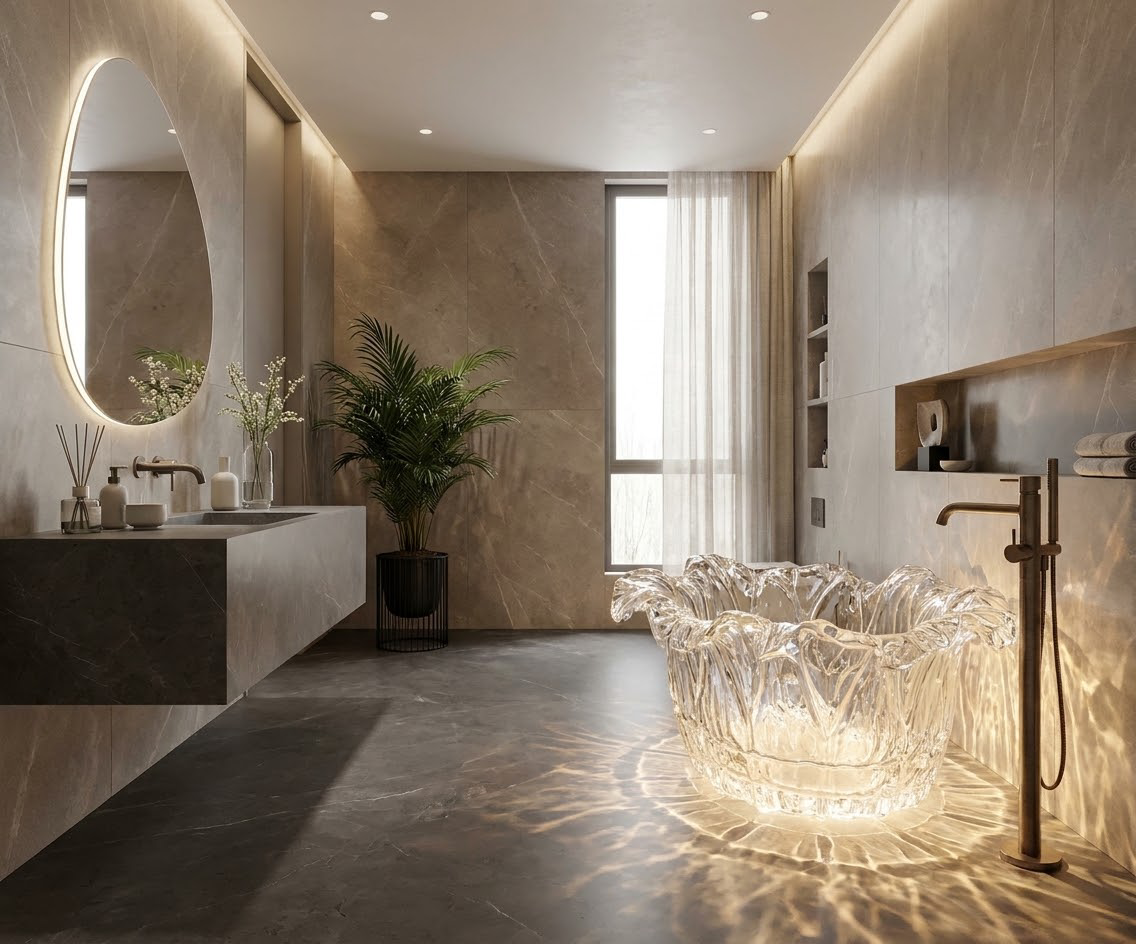
In 2026’s luxury interior design landscape, synthetic crystal furniture has emerged as a defining trend for homeowners and commercial clients seeking airy, sophisticated spaces. As a leading custom furniture manufacturer, we’ve seen a 42% surge in demand for transparent design pieces this year alone, driven by their ability to blend seamlessly with any aesthetic while adding a touch of modern elegance. This guide explores how personalized space design, custom furniture, and material integration work together to transform ordinary rooms into extraordinary living environments—with transparent furniture at the center.
1. The Rise of Synthetic Crystal Furniture in 2026 Modern Interiors
Synthetic crystal furniture for modern interiors has evolved from a niche trend to a staple in high-end residential and commercial design. Unlike traditional heavy wood or metal pieces, transparent furniture creates a sense of openness that makes small spaces feel larger and large spaces feel more cohesive. In 2026, homeowners and designers are prioritizing versatility, and few materials deliver that as effectively as acrylic, plexiglass, and transparent resin.
1.1 Key Advantages of Transparent Furniture in Interior Design
The advantages of transparent furniture in interior design extend far beyond aesthetics. For interior designers and architects working with compact urban apartments or open-concept homes, these pieces act as "visual anchors" that don’t block natural light or sightlines.
Space optimization: Transparent coffee tables and acrylic chairs and stools take up zero visual weight, making rooms feel 30% more spacious according to 2026 design industry data.
Versatility: They pair with any color palette, from neutral minimalism to bold maximalism, without clashing.
Durability: Modern synthetic crystal materials have a mechanical strength that rivals wood, with scratch-resistant coatings that maintain their look for years.
Timeless appeal: Unlike trend-driven finishes, transparent design furniture stays relevant through shifting style cycles.
1.2 Popular Transparent Furniture Pieces for 2026 Homes
Today’s most sought-after pieces combine functionality with sculptural artistry. Homeowners and custom furniture designers are moving beyond basic acrylic side tables to invest in statement pieces that double as conversation starters.
Some of the top-selling items this year include:
Transparent dining tables with high-thickness acrylic structure that seats 6-8 people
Transparent design console tables for entryways that add elegance without overwhelming the space
Synthetic crystal chandeliers that refract light into rainbow patterns across rooms
Designer transparent coffee tables and decor with custom edge processing and polishing technology
For luxury residential clients, custom synthetic crystal furniture allows for fully personalized dimensions—whether that’s a compact 36-inch coffee table or an expansive 10-foot dining table. The custom furniture size and shape options are nearly limitless.
2. Personalized Space Design: Tailoring Transparent Furniture to Your Vision
No two homes or businesses are alike, which is why custom design furniture has become non-negotiable for discerning clients. A one-size-fits-all approach simply doesn’t work when you’re trying to create a space that reflects a specific brand identity, personal style, or functional need.
2.1 The Custom Furniture Design and Development Process
Working with a custom furniture manufacturer is a collaborative journey that turns conceptual ideas into tangible, high-quality pieces. The process typically follows these steps:
Consultation: Interior designers, architects, and clients share their vision, space measurements, and functional requirements.
3D rendering: Designers create digital models so clients can visualize how the piece will look in their space.
Material selection: Clients choose from various transparent materials based on optical clarity of transparent materials, durability, and budget.
Prototyping: A small-scale or full prototype is created to test fit and finish.
Production: The final piece is crafted using fine processing technology of acrylic materials and hand-finished for perfection.
Installation: The furniture is delivered and professionally installed on-site.
For architecture and interior design firms, this level of customization ensures every piece aligns perfectly with their overall design scheme.
2.2 Material Integration: Blending Transparency with Other Premium Materials
The most exceptional living environments don’t rely on a single material—they masterfully combine multiple textures and finishes. Synthetic crystal furniture pairs beautifully with a range of luxury materials to create layered, visually interesting spaces.
Popular material combinations for 2026 include:
Acrylic + solid wood: The warmth of walnut or oak balances the coolness of transparent resin furniture, creating a cozy yet modern feel.
Transparent crystal + metal: Brass, gold, or black metal accents add industrial chic or glamorous flair to acrylic furniture and decor.
Synthetic crystal + marble: A transparent dining table with a marble inlay or base creates a stunning contrast between organic stone and sleek acrylic.
Acrylic + upholstery: Acrylic chairs and stools with velvet or leather cushions blend comfort with contemporary style.
The application of transparent materials in furniture design is only limited by imagination. High-end furniture brands and enterprises are increasingly experimenting with mixed-material pieces to meet growing consumer demand.
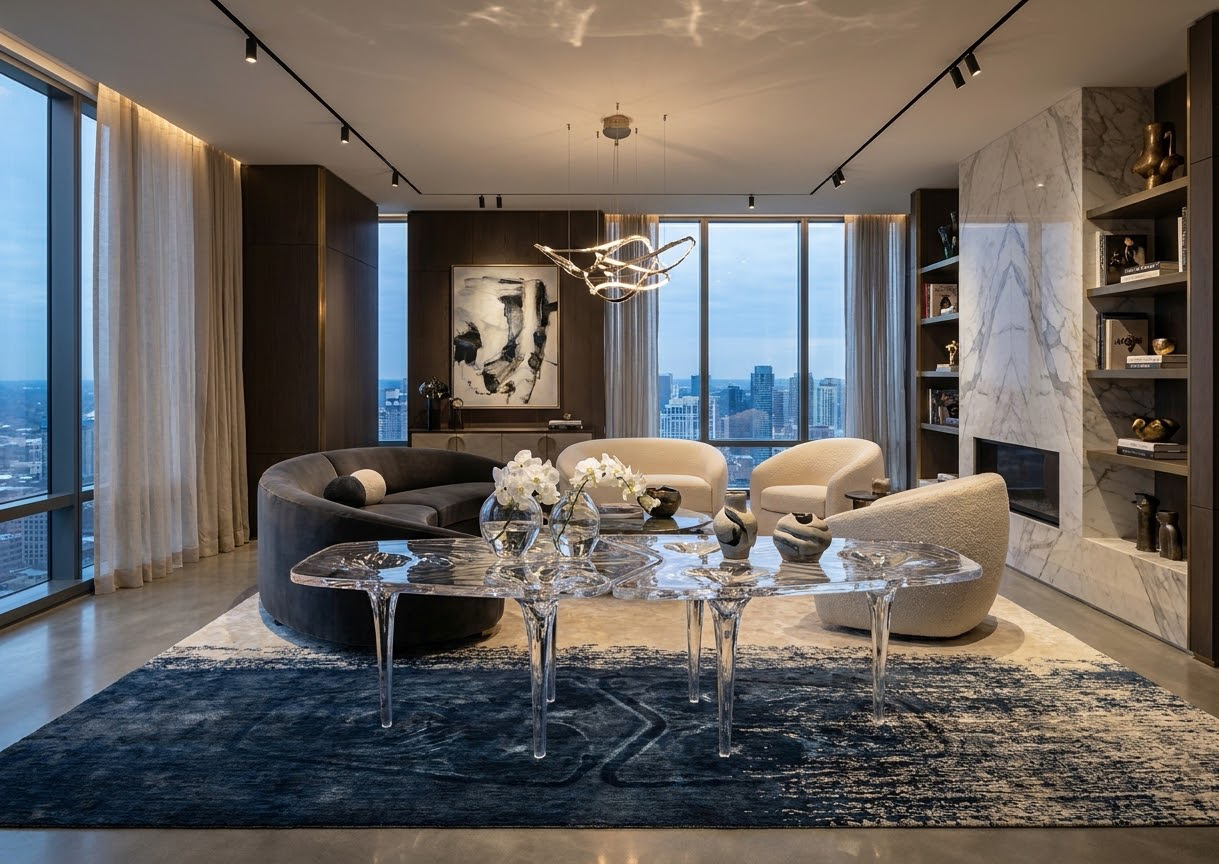
3. Commercial Applications: Synthetic Crystal Furniture for Business Spaces
While residential interiors remain a core market, synthetic crystal furniture for commercial projects has seen explosive growth in 2026. From luxury hotels to high-end restaurants, businesses are recognizing the value of transparent furniture in creating memorable customer experiences.
3.1 Luxury Hotel Custom Furniture Solutions
For luxury hotel groups and hotel designers, first impressions are everything. Transparent furniture helps create lobby spaces that feel grand, open, and welcoming—even in buildings with limited square footage.
Key applications in hospitality include:
Lobby seating areas: Acrylic sofas and transparent coffee tables create a light, airy atmosphere for guests to relax.
Hotel bars: Acrylic bar counters with integrated LED lighting add a futuristic, upscale vibe to nightlife spaces.
Guest rooms: Transparent design console tables and acrylic desk chairs make rooms feel more spacious and luxurious.
Event spaces: Modular transparent furniture can be rearranged for weddings, conferences, and other events.
Hotel procurement managers increasingly prefer custom synthetic crystal furniture because it can be branded with hotel logos or designed to match specific brand aesthetics. For hotel and commercial space designers, these pieces offer flexibility that traditional furniture can’t match.
3.2 Transparent Furniture for Restaurants, Retail, and Office Spaces
Catering enterprises and chain catering groups use transparent furniture to create dining environments that feel clean, modern, and upscale. In retail spaces, acrylic display tables and shelves keep the focus on products rather than furniture. In offices, transparent desks and conference tables promote a sense of openness and collaboration.
For commercial space design and decoration companies, the benefits are clear:
Transparent furniture works with any brand color scheme, reducing the need for full furniture replacements during rebrands.
It’s easy to clean and maintain, which is critical for high-traffic commercial spaces.
It photographs well for marketing materials and social media, helping businesses attract more customers.
Commercial engineering furniture project companies often partner with custom furniture manufacturers to deliver large-scale orders with consistent quality and design.
4. Quality Matters: What to Look for in High-End Transparent Furniture
Not all acrylic furniture is created equal. The difference between cheap, disposable pieces and high-end transparent furniture that lasts for decades comes down to materials, craftsmanship, and attention to detail.
4.1 Critical Material and Construction Specifications
When evaluating synthetic crystal furniture, there are several technical specifications to consider. These factors directly impact the piece’s durability, appearance, and value.
Key quality indicators include:
Acrylic sheet thickness: Premium furniture uses 20-50mm thick sheets for structural integrity, while budget options may use 5-10mm sheets that warp or crack easily.
Optical clarity of transparent materials: Top-tier synthetic crystal has 92% light transmittance, comparable to glass, without the green tint found in lower-quality acrylic.
Mechanical strength of synthetic crystal materials: High-quality acrylic is 17 times more impact-resistant than glass and can support significant weight without bending.
High-gloss finish on transparent surfaces: A premium polish creates a mirror-like finish that resists scratches and maintains its shine over time.
Furniture edge processing and polishing technology: Diamond-polished edges are smooth and crystal-clear, while cheap edges may appear cloudy or rough.
For statement pieces like high-end crystal billiard tables or transparent dining tables that seat 10+, these quality factors are even more critical.
4.2 How to Choose the Right Custom Furniture Manufacturer
Selecting the right partner is crucial for ensuring your custom furniture project meets expectations. With so many options on the market, it’s important to vet potential manufacturers carefully.
Factors to evaluate when choosing a custom furniture manufacturer:
Experience with transparent materials: Look for a company that specializes in acrylic furniture and decor, not just general wood or metal furniture.
Portfolio of past work: Review their project gallery to see examples of custom synthetic crystal furniture they’ve created for similar clients.
Customization capabilities: Confirm they offer custom furniture size and shape options, as well as material and finish choices.
Client testimonials: Check reviews from interior designers, architects, and commercial clients to gauge reliability and quality.
Lead times and logistics: Make sure they can deliver on schedule, especially for time-sensitive commercial projects.
For custom acrylic furniture for architects and interior designers, working with a manufacturer that understands design terminology and can collaborate on technical drawings is essential.
5. 2026 Design Trends: Innovative Uses of Transparent Furniture
As we move through 2026, several exciting trends are pushing the boundaries of what’s possible with synthetic crystal furniture. From smart technology integration to sustainable materials, the future of transparent design is brighter than ever.
5.1 Cutting-Edge Design Trends for Residential Spaces
In residential interiors, homeowners are increasingly using transparent furniture to create focal points that feel both luxurious and livable.
Some of the biggest 2026 trends include:
Floating furniture designs: Pieces that appear to defy gravity, using hidden supports and high-thickness acrylic structure for a magical effect.
Color-tinted acrylic: Soft pink, blue, and amber-tinted transparent furniture adds subtle color without overwhelming a space.
Embedded objects: Synthetic crystal tables with preserved flowers, gold leaf, or even geodes embedded in the resin create one-of-a-kind art pieces.
Multi-functional pieces: Transparent coffee tables with hidden storage or convertible dining tables that adapt to different needs.
Custom furniture designers are also experimenting with organic shapes—curved edges, irregular forms, and sculptural bases that turn functional furniture into art. Even unexpected items like acrylic piano accessories are gaining popularity among music-loving homeowners who want their instruments to match their modern aesthetic.
5.2 Emerging Trends in Commercial Interior Design
For commercial clients, 2026 trends focus on creating Instagram-worthy spaces that drive social media engagement and customer loyalty.
Top commercial trends include:
LED-integrated furniture: Acrylic bar counters and tables with built-in LED lighting that changes color to match different moods or events.
Modular transparent systems: Flexible furniture that can be rearranged for different uses, from co-working spaces to pop-up shops.
Sustainable acrylic: Eco-friendly transparent resin furniture made from recycled materials, appealing to environmentally conscious brands.
Brand integration: Custom synthetic crystal furniture with embedded logos or brand colors that reinforce brand identity.
Luxury hotel groups and chain catering groups are leading the way in adopting these trends, recognizing that unique design is a powerful differentiator in crowded markets.
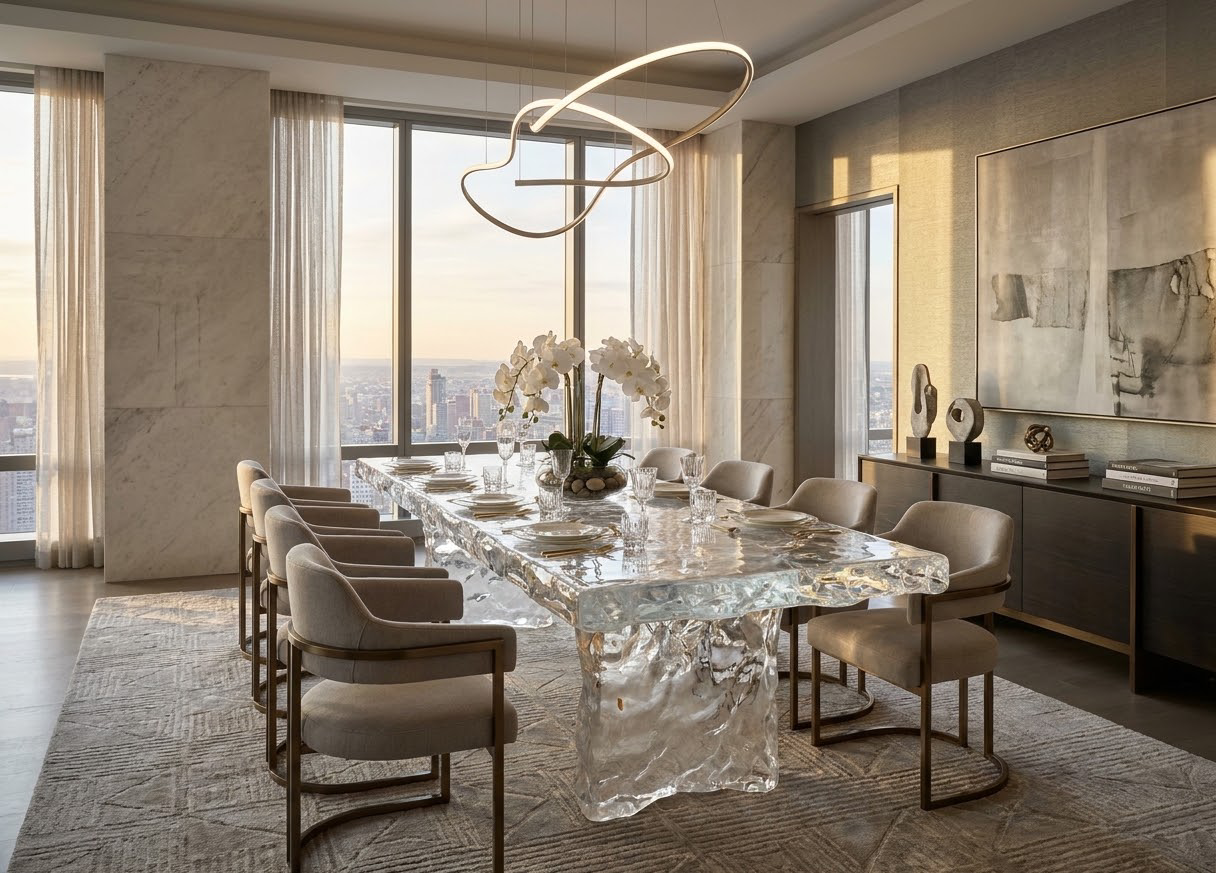
6. Getting Started with Your Custom Transparent Furniture Project
Whether you’re an interior designer working on a residential project, a hotel procurement manager outfitting a new property, or a homeowner looking to elevate your space, getting started with custom synthetic crystal furniture is easier than you might think.
6.1 Planning Your Project: A Step-by-Step Guide
A successful custom furniture project starts with careful planning. Taking the time to define your needs and goals upfront will save time and ensure you get exactly what you want.
Follow these steps to plan your project:
Define your goals: Are you looking to maximize space, add a statement piece, or create a specific mood? Clarify your primary objectives.
Measure your space: Take accurate measurements of the room, including doorways and hallways for delivery access.
Set a budget: Custom furniture varies widely in price, so establish a realistic budget that includes design, production, delivery, and installation.
Gather inspiration: Collect photos of transparent furniture and design styles you love to share with your manufacturer.
Schedule a consultation: Reach out to a custom furniture manufacturer to discuss your project and get a quote.
For architecture and interior design firms, having a reliable manufacturing partner you can call on for projects of all sizes is invaluable.
6.2 Maximizing ROI on Your Transparent Furniture Investment
High-end transparent furniture is an investment—one that can add significant value to your home or business. With proper care and selection, these pieces can last for decades and even appreciate in value if they’re custom-designed by a notable maker.
Tips for maximizing your investment:
Choose timeless designs: While trendy pieces can be fun, classic shapes and styles will stay relevant longer.
Prioritize quality: Higher-quality materials and craftsmanship mean your furniture will look better and last longer.
Maintain properly: Clean with microfiber cloths and acrylic-specific cleaners to avoid scratches and cloudiness.
Consider versatility: Pieces that work in multiple rooms or settings offer more value over time.
Document custom pieces: Keep design drawings and certificates of authenticity for custom pieces, which can increase their resale value.
For commercial clients, the ROI also includes increased customer satisfaction, higher social media engagement, and a stronger brand image—all of which contribute to bottom-line growth.
As we look ahead to the rest of 2026 and beyond, it’s clear that synthetic crystal furniture is more than just a passing trend. It’s a design revolution that’s changing how we think about space, light, and the objects we fill our homes and businesses with. Whether you’re drawn to the sleek minimalism of a transparent coffee table, the grandeur of a custom synthetic crystal dining table, or the practicality of acrylic chairs and stools, there’s no denying the transformative power of transparent design.
READ MORE:
- Complete Interior Solutions: How to Integrate Design Development, Custom Manufacturing, and Project Coordination for Efficient Project Delivery?
- Luxury Space Solutions: How to Coordinate Custom Design, Material Expression, and Final Installation to Realize a Complete Design Vision?
- Exclusive Interior Solutions: How Can Distinctive Design Elements and Professional Project Execution Shape Unique High-End Spaces?
- How Designers Transform Creative Concepts Into Synthetic Crystal Furniture: From Unique Shape Development to Precision Custom Processing
- Synthetic Crystal Furniture: A New Approach to Hotel Engineering Furniture Procurement and Supplier Collaboration
- Synthetic Crystal Furniture: Custom Design & Multi-Material Fusion for High-End Spaces
- Synthetic Crystal Furniture: Integrating Material Design, Structural Engineering, and Manufacturing in 2026
- Synthetic Crystal Furniture: Ensuring Consistency, Quality, and Delivery Efficiency for Large-Scale Custom Projects
- Commercial Interior Solutions: How to Transform Business Space Concepts into Design Results and High-Quality Custom Manufacturing?


