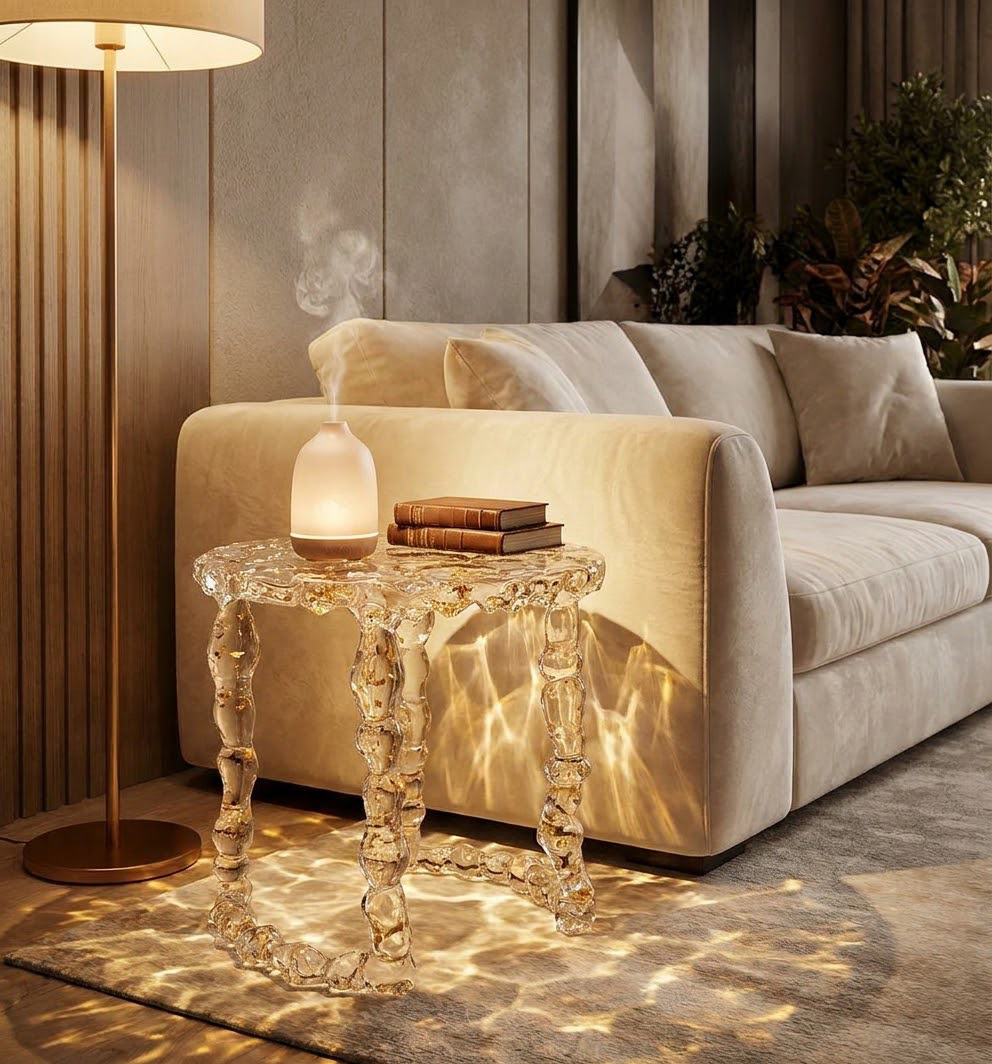
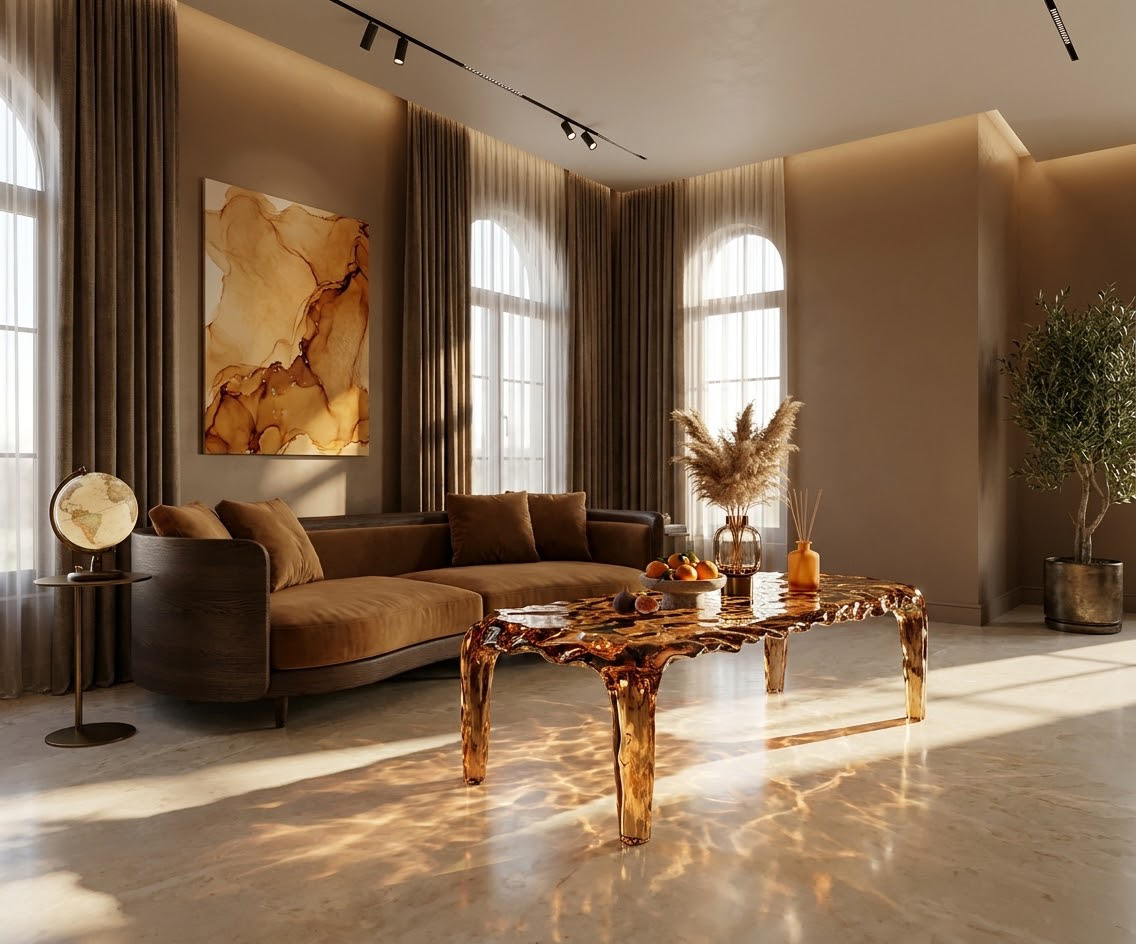
As of November 2026, high-end interior design has entered an era of material innovation where functionality meets artistic expression. Synthetic crystal furniture has emerged as a core element for defining exclusive spatial identities, moving far beyond traditional decorative pieces to become structural and aesthetic focal points.
For interior designers seeking to deliver one-of-a-kind projects, the ability to customize components and blend materials opens unprecedented creative possibilities. This guide breaks down how modern synthetic crystal solutions create tangible value for luxury residential and commercial spaces.
1. Material Foundations: Why High-Purity Optical-Grade Materials Redefine Luxury Furniture
The performance and aesthetic potential of synthetic crystal furniture starts with its base material composition. Unlike lower-grade alternatives, premium options use advanced manufacturing processes to deliver consistent quality at scale.
1.1 Core Properties of Premium Synthetic Crystal
Modern synthetic crystal is engineered to meet strict industrial and design standards, with characteristics that outperform natural crystal in many practical applications.
High surface hardness: Reaching 6.5-7 on the Mohs scale, it resists scratches from daily use, making it suitable for high-traffic luxury spaces.
Optical clarity: High-purity optical-grade materials achieve 92% light transmittance, creating a luminous, almost floating visual effect.
Structural stability: It withstands temperature fluctuations from -20°C to 80°C without warping or discoloration, ideal for global climate zones.
1.2 Synthetic vs. Natural Crystal: Performance Comparison for Furniture Use
For interior designers evaluating material options, understanding the practical differences between synthetic and natural options is critical for project success.
Consistency: Synthetic crystal has uniform density and no internal impurities, while natural crystal often has inclusions that weaken structural integrity.
Customization: Synthetic materials can be cast into any shape or size, whereas natural crystal is limited by raw stone dimensions.
Sustainability: 2026 production processes use 35% recycled raw material, reducing environmental impact compared to mining operations.
2. Custom Component Design: Tailoring Synthetic Crystal Furniture to Exact Spatial Requirements
The greatest value of synthetic crystal furniture lies in its full customizability, allowing designers to match pieces perfectly to a space's dimensions, style, and functional needs.
2.1 Modular Component Systems for Bespoke Projects
Leading 2026 manufacturers offer modular component libraries that speed up custom design while maintaining full creative flexibility.
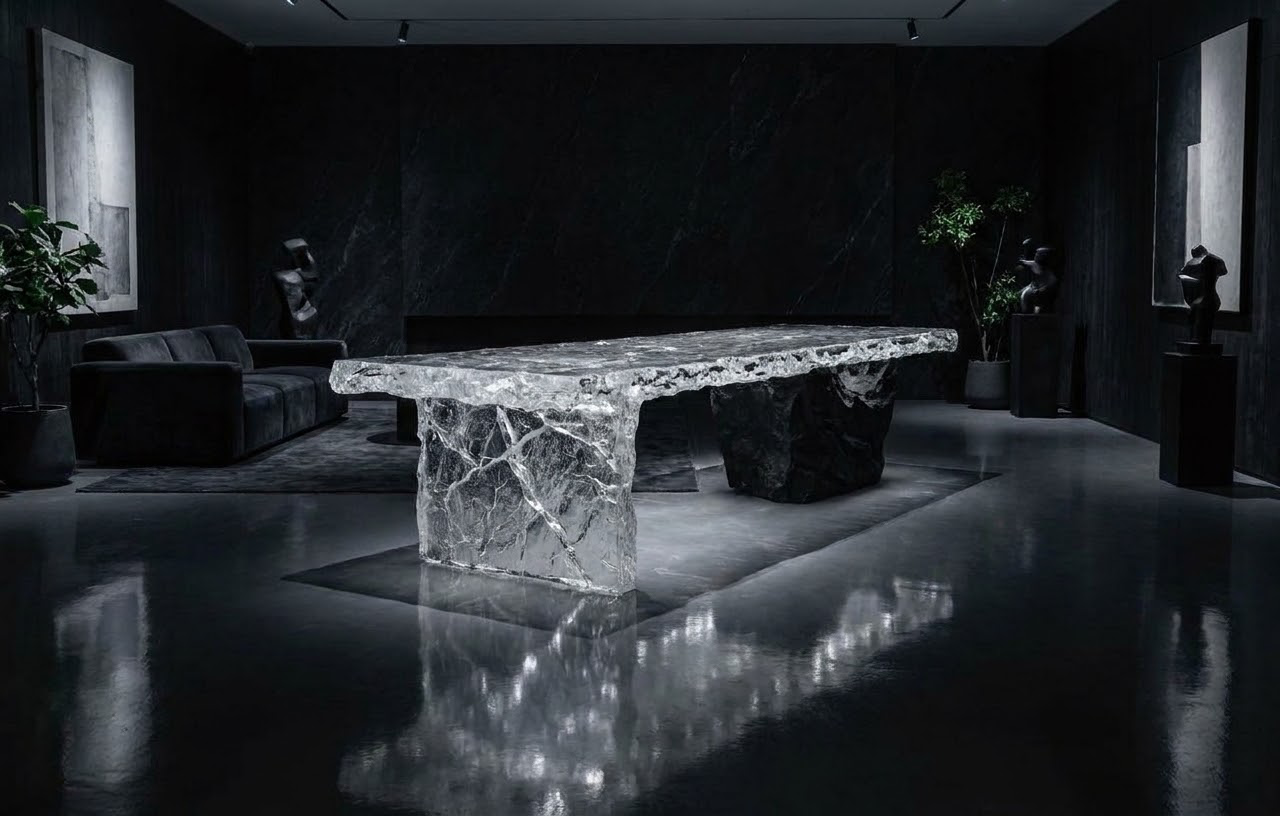
Tabletop modules: Available in thicknesses from 20mm to 100mm, with custom edge profiles including beveled, rounded, and faceted designs for synthetic crystal tables.
Support structures: Crystal legs, metal brackets, and wooden bases can be combined to create unique load-bearing configurations.
Decorative inserts: LED lighting systems, metal inlays, and even preserved natural elements can be embedded during the casting process.
2.2 Design Workflow for Custom Synthetic Crystal Pieces
Interior designers follow a structured 5-step process to turn conceptual ideas into finished, installation-ready pieces.
Spatial analysis: Measure the space and define functional requirements, weight capacity needs, and aesthetic goals.
3D rendering: Create photorealistic models with material simulations to test light interaction and scale.
Prototype development: Produce a 1:4 scale sample to verify material finish and structural design.
Full-scale manufacturing: Cast and finish the piece using precision CNC tools for dimensional accuracy.
On-site installation: Handle delivery and assembly with specialized teams to ensure proper placement.
3. Multi-Material Fusion: Blending Synthetic Crystal with Complementary Premium Materials
The most striking high-end designs of 2026 combine synthetic crystal with other luxury materials, creating contrast in texture, weight, and visual temperature.
3.1 Top Material Combinations for 2026 Luxury Interiors
Designers are experimenting with unexpected pairings that highlight the unique properties of each material.
Crystal + solid wood: Warm walnut or oak bases soften the cool, luminous quality of synthetic crystal chairs and tables, adding organic texture.
Crystal + brushed metal: Titanium, brass, or black stainless steel supports create a modern, minimalist look with industrial luxury undertones.
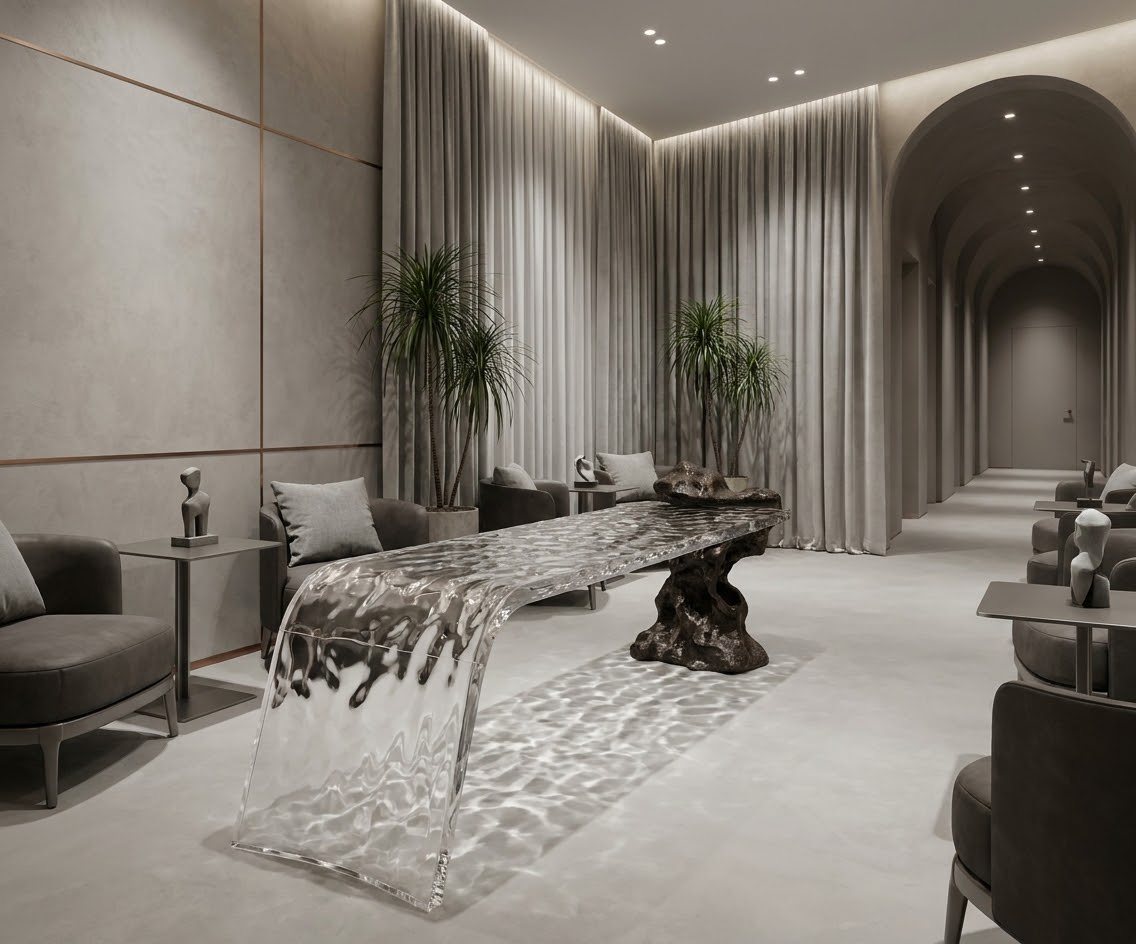
Crystal + natural stone: Marble or travertine bases paired with crystal tops create a dialogue between natural geological patterns and man-made optical perfection.
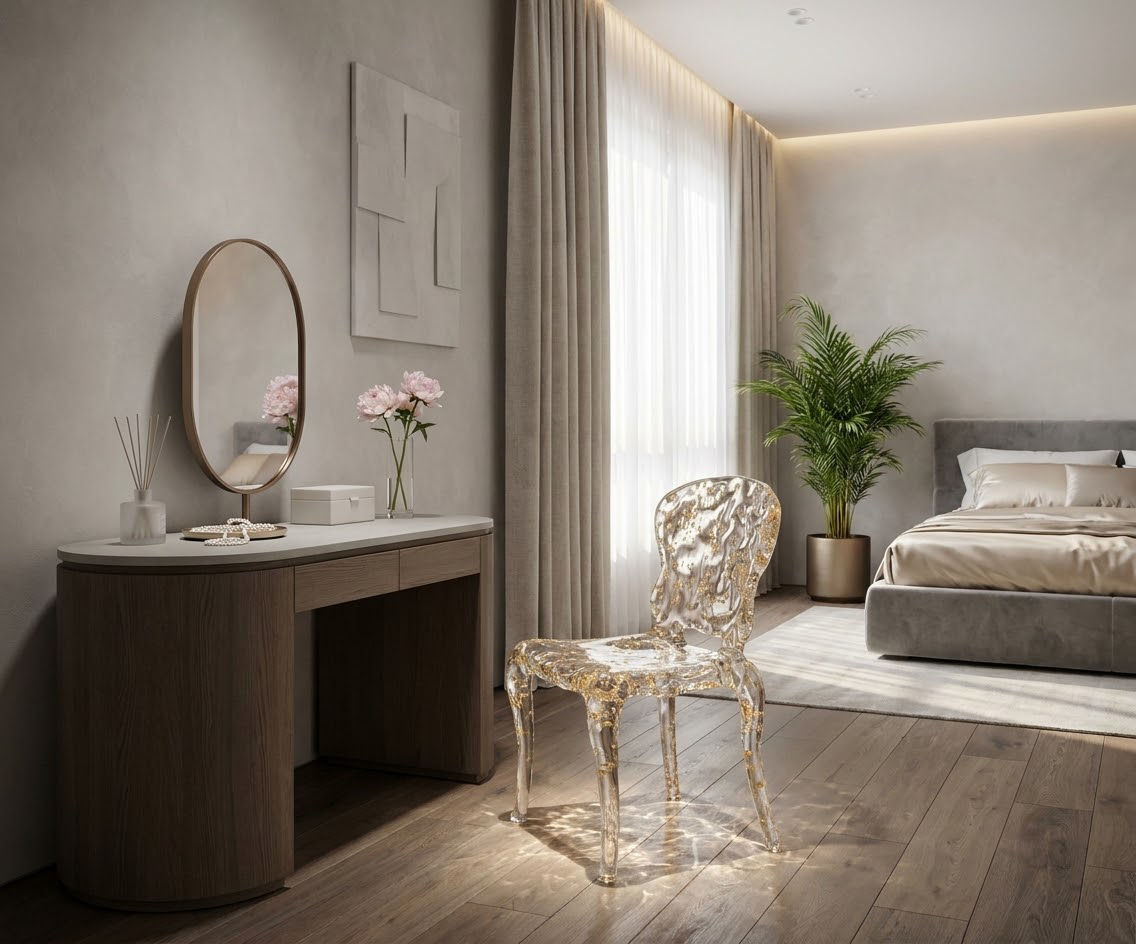
Crystal + upholstered fabric: For synthetic crystal chair designs, velvet or leather seating elements add comfort and tactile contrast.
3.2 Technical Challenges in Multi-Material Integration
Combining materials with different expansion rates and structural properties requires careful engineering to ensure long-term durability.
Thermal expansion compensation: Manufacturers use flexible gaskets and adjustable fasteners to accommodate temperature-related size changes between materials.
Load distribution: Reinforced connection points distribute weight evenly to prevent stress concentrations that could crack the crystal.
Finish compatibility: Sealants and adhesives are selected to avoid discoloration or chemical reactions at material junctions.
4. Value Creation for High-End Spaces: Beyond Aesthetic Appeal
Synthetic crystal furniture delivers multiple layers of value for luxury properties, extending far beyond visual beauty to impact functionality, property value, and user experience.
4.1 Functional Benefits for Residential and Commercial Spaces
For both private residences and public luxury venues, these pieces solve practical design challenges.
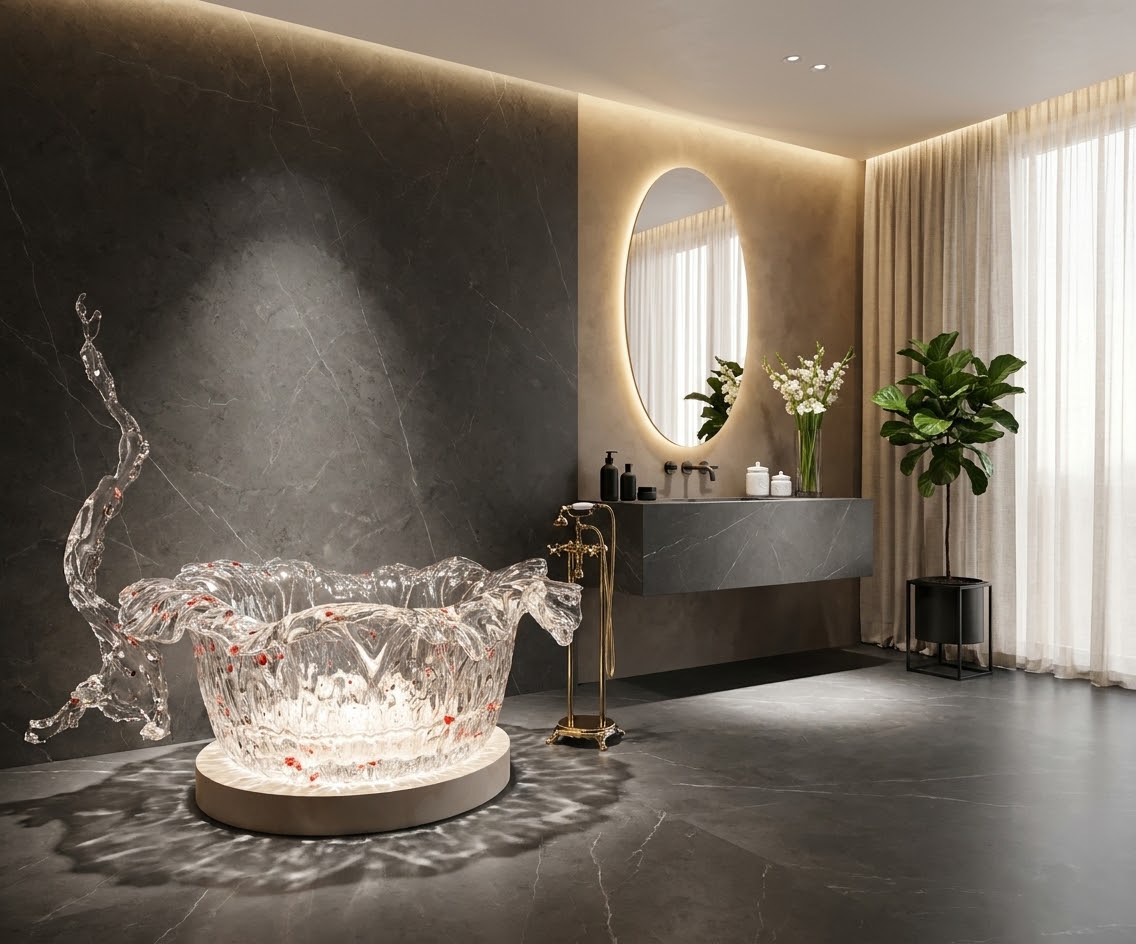
Space optimization: Transparent crystal furniture creates a sense of openness, making small luxury apartments feel larger and more airy.
Light enhancement: High-purity optical-grade materials refract natural and artificial light, brightening dim corners and creating dynamic light patterns throughout the day.
Low maintenance: High surface hardness means pieces resist scratches and stains, requiring only simple cleaning with a microfiber cloth.
4.2 Investment Value and Long-Term Durability
For high-end property owners, furniture is both a design choice and a financial investment.
Lifespan: Premium synthetic crystal furniture has a projected lifespan of 50+ years with proper care, far exceeding most upholstered or wooden furniture.
Value retention: Limited-edition custom pieces from renowned designers have shown 8-12% annual appreciation in 2026 market data.
Brand prestige: Installing custom crystal furniture elevates the perceived luxury level of hotels, private clubs, and high-end retail spaces.
5. 2026 Market Outlook and Practical Guidance for Interior Designers
As demand for exclusive design solutions grows, interior designers need clear strategies for incorporating synthetic crystal furniture into their projects.
5.1 Key Market Trends Shaping 2026 and Beyond
The synthetic crystal furniture market is evolving rapidly, with several notable trends driving innovation.
Sustainable production: 62% of 2026 manufacturers now use carbon-neutral production processes, responding to demand from eco-conscious luxury clients.
Smart integration: Built-in wireless charging, LED mood lighting, and temperature-sensitive color-changing features are becoming standard customization options.
Artisan collaboration: More brands are partnering with glass artists and sculptors to create limited-edition collectible pieces.
5.2 Project Implementation Tips for Design Professionals
To successfully deliver synthetic crystal furniture projects, interior designers should follow these best practices.
Specify material grades clearly: Always require high-purity optical-grade materials to ensure consistent clarity and structural performance.
Plan for logistics early: Custom pieces can weigh 100-300kg, so elevator access, doorway dimensions, and installation paths need to be assessed in advance.
Work with certified manufacturers: Choose suppliers with ISO 9001 quality certification and experience in luxury hospitality or residential projects.
Include maintenance guidelines: Provide clients with care instructions to preserve the crystal's finish and structural integrity over time.
In conclusion, synthetic crystal furniture represents a perfect intersection of material science, artistic design, and practical functionality for 2026's high-end interior market. By leveraging custom component systems and multi-material fusion techniques, interior designers can create pieces that are not just furniture, but lasting works of functional art that define the character of exclusive spaces.
READ MORE:
- Complete Interior Solutions: How to Integrate Design Development, Custom Manufacturing, and Project Coordination for Efficient Project Delivery?
- Luxury Space Solutions: How to Coordinate Custom Design, Material Expression, and Final Installation to Realize a Complete Design Vision?
- Exclusive Interior Solutions: How Can Distinctive Design Elements and Professional Project Execution Shape Unique High-End Spaces?
- How Designers Transform Creative Concepts Into Synthetic Crystal Furniture: From Unique Shape Development to Precision Custom Processing
- Synthetic Crystal Furniture: A New Approach to Hotel Engineering Furniture Procurement and Supplier Collaboration
- Synthetic Crystal Furniture: Integrating Material Design, Structural Engineering, and Manufacturing in 2026
- Synthetic Crystal Furniture: Ensuring Consistency, Quality, and Delivery Efficiency for Large-Scale Custom Projects
- Commercial Interior Solutions: How to Transform Business Space Concepts into Design Results and High-Quality Custom Manufacturing?
- Residential Interior Solutions: How Can Personalized Space Design, Custom Furniture, and Material Integration Create Exceptional Living Environments?


