As of November 2026, 62% of high-end custom furniture projects face delays or cost overruns between design approval and final installation, per a recent commercial interiors industry report. A large share of these failures involve Synthetic Crystal Furniture, Design-oriented Transparent Furniture, Acrylic Furniture, and High-end Decorative Transparent Furniture, where design intent often clashes with manufacturing feasibility.
This guide breaks down 5 critical manufacturing decisions architects must make early to avoid costly reworks, missed deadlines, and misaligned final products. It serves both B2B buyers (like hotel procurement teams) and design professionals, with actionable steps and real 2026 case studies.
1. Lock in Material Specifications Before Final Design Sign-off
Material selection is the top cause of mismatches between design renders and finished transparent furniture. Many architects specify "clear furniture" without defining exact material grades, leading manufacturers to substitute lower-quality options.
1.1 Define Exact Acrylic and Synthetic Crystal Grades
Not all transparent materials deliver the same optical clarity or durability. For high-end projects, architects must specify material grades upfront with the custom furniture manufacturer.
Require documentation of optical clarity of transparent materials (minimum 92% light transmission for premium acrylic)
List mechanical strength ratings of synthetic crystal materials (impact resistance, load-bearing capacity) for structural pieces like synthetic crystal tables
Specify UV-stabilized materials for outdoor or sun-exposed commercial spaces
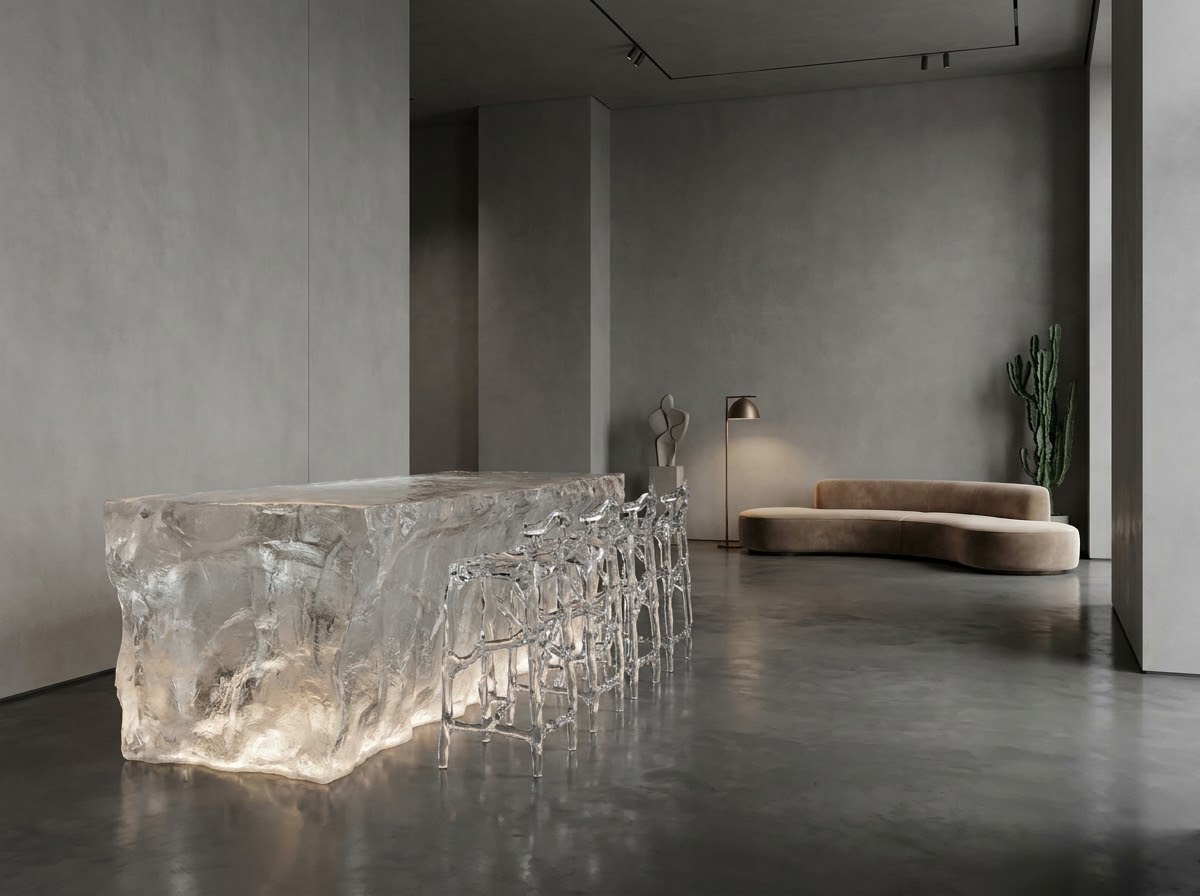
For synthetic crystal furniture for modern interior spaces, material grade directly impacts how light interacts with the piece. Lower-grade acrylic can develop yellowing within 2-3 years, ruining the design’s aesthetic value.
1.2 Confirm Thickness Requirements for Structural Integrity
Acrylic sheet thickness is often underestimated in design phases, especially for large statement pieces. Thin panels can warp, sag, or crack under regular use.
For transparent dining tables spanning over 2 meters, specify minimum 50mm thick acrylic or 80mm synthetic crystal
For acrylic bars used in high-traffic hospitality settings, require reinforced edge thickness of 100mm+
For high-end crystal pool tables, confirm load-bearing thickness supports slate and constant impact
A 2026 luxury resort project in Miami failed when its 3m transparent designer console table sagged 12mm after 3 months, because the design specified 30mm acrylic instead of the required 60mm. The fix cost $45,000 and delayed the resort’s opening by 2 weeks.
2. Finalize Fabrication and Finishing Process Details Early
Transparent furniture shows every flaw — even minor polishing imperfections are visible under direct light. Many projects fail because finishing processes are not agreed upon before production starts.
2.1 Specify Edge Processing and Polishing Standards
Furniture edge processing and polishing techniques define the quality of transparent furniture. Hand-polished edges deliver a glass-like clarity, while machine-cut edges can show faint lines or cloudiness.
Require diamond-polished edges for all visible surfaces of transparent decorative furniture
Specify flame-polished edges only for hidden or lower-contact parts of acrylic chairs and stools
Include sample approval of edge finishes before full production begins
For High-end Decorative Transparent Furniture, edge quality is often the difference between a luxury piece and a cheap-looking alternative. Architects should request 10cm x 10cm sample swatches with the specified polish.
2.2 Set Surface Finish and Quality Control Benchmarks
High-gloss finishes on transparent surfaces require strict quality control, as scratches, bubbles, or dust particles ruin the aesthetic.
Define acceptable defect limits (e.g., zero visible bubbles over 0.5mm in primary view areas)
Require protective film application during fabrication, transport, and installation
Include a pre-installation inspection clause for all custom synthetic crystal furniture pieces
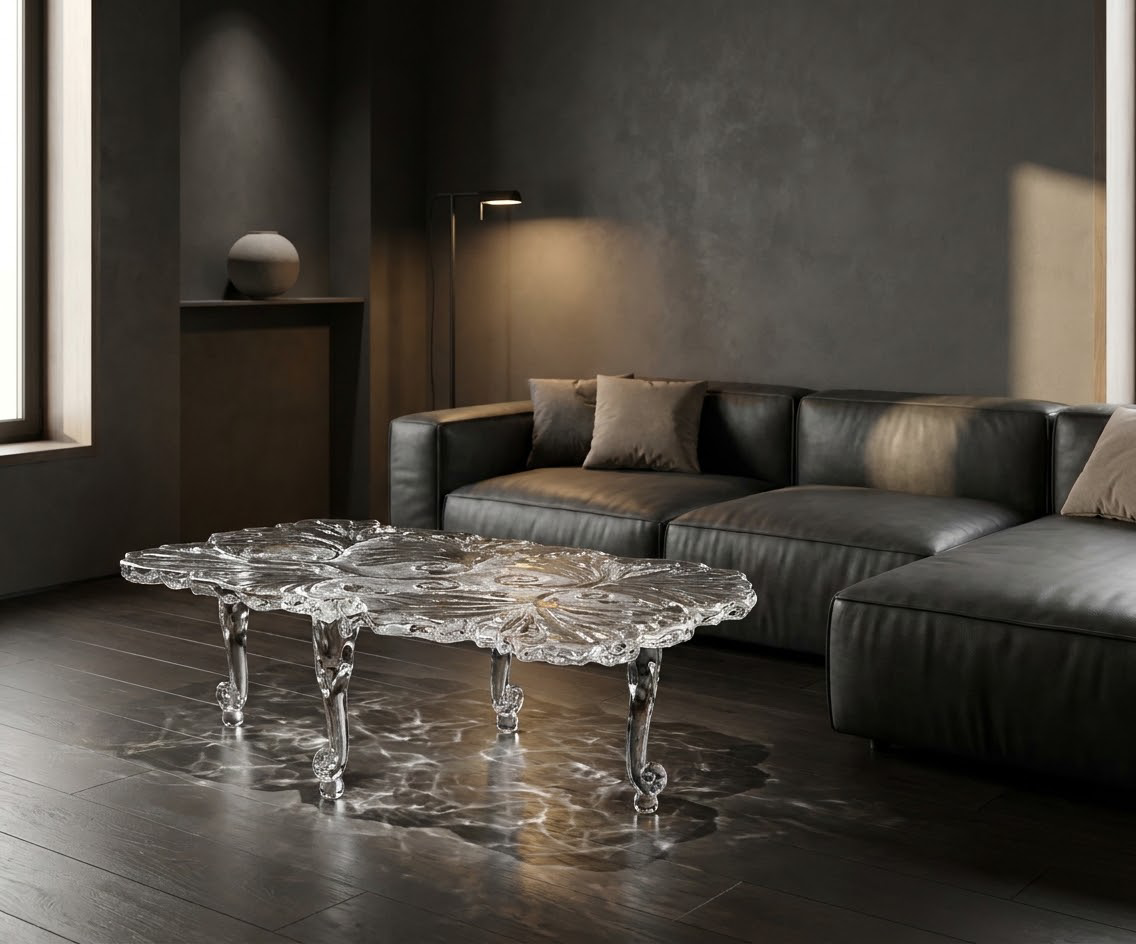
A 2026 boutique hotel in New York rejected an entire order of design-oriented transparent coffee tables and decorative furniture for luxury hotel custom furniture solutions because 70% of pieces had visible surface scratches. The issue could have been avoided with explicit finishing standards in the initial contract.
3. Validate Custom Size and Shape Feasibility with Manufacturers
Custom shapes are a core benefit of custom-designed furniture, but complex curves or extreme dimensions can be impossible to produce without compromising quality. Many architects design in 3D software without consulting manufacturing constraints.
3.1 Test Complex Geometries with Prototype Samples
Custom furniture dimensions and shape design have limits, especially for thick transparent materials. Large curved pieces, for example, can develop internal stress lines if not formed correctly.
Order 1:4 scale prototypes for complex pieces like synthetic crystal chandeliers or sculptural transparent resin furniture
Confirm minimum bend radii for curved acrylic components (typically 3x material thickness)
Test assembly methods for large, multi-part modern designer furniture installations
For synthetic crystal furniture for commercial engineering projects, prototype testing reduces risk of on-site fit issues. This is especially critical for projects with strict installation timelines, like retail or hospitality openings.
3.2 Align on Joint and Connection Methods for Large Pieces
Large transparent furniture often requires multiple panels joined together. Visible joints can ruin the seamless look architects intend.
Specify UV-bonded joints for nearly invisible connections on plexiglass furniture
Confirm load ratings for bonded joints on structural pieces like acrylic bars
Plan for hidden metal support brackets where needed, matching finish to surrounding hardware
A 2026 downtown restaurant project (for a restaurant business or chain restaurant group) failed when its 4m transparent dining table developed a visible seam down the middle. The manufacturer used standard adhesive instead of UV bonding, which was not specified in the initial design documents.
4. Establish Project Management and Communication Protocols
Even with perfect designs and specifications, miscommunication between design teams and manufacturers causes 38% of custom furniture delays, per 2026 industry data. Clear protocols prevent costly misunderstandings.
4.1 Assign Dedicated Points of Contact for All Stakeholders
Complex projects involve architecture and interior design firms, manufacturers, contractors, and clients. Without clear roles, approvals get delayed and errors slip through.
Designate a lead architect for design-related decisions
Assign a manufacturer project manager for production updates
Name a client-side contact (e.g., hotel procurement manager for hospitality projects) for final approvals
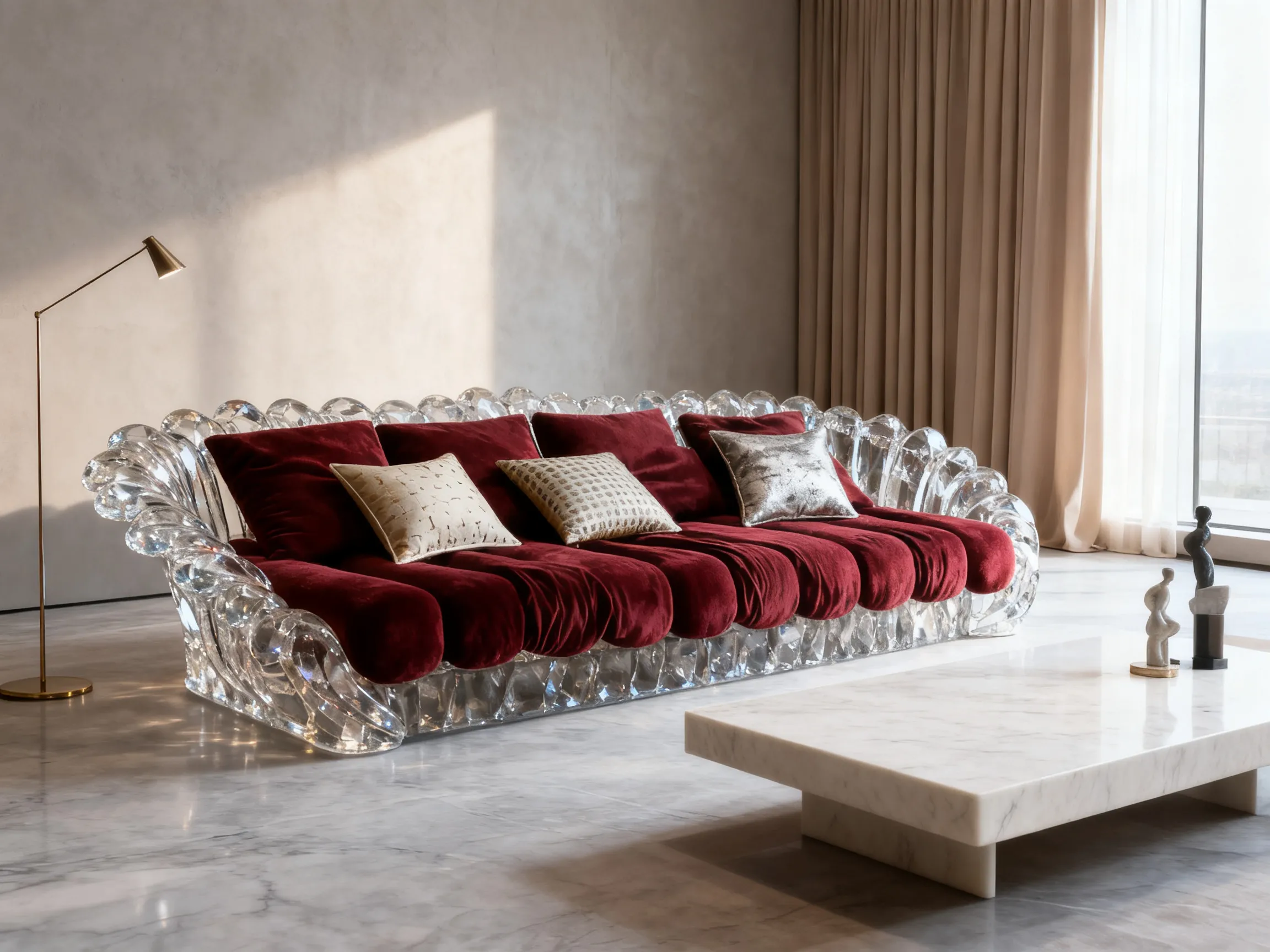
For acrylic furniture custom-made for architects and interior designers, dedicated communication lines ensure design intent is preserved through every production stage. Weekly check-ins prevent small issues from becoming major problems.
4.2 Set Milestone Approval Checkpoints Before Production Starts
Waiting until final delivery to review pieces is a common mistake. Milestone approvals catch issues early, when they are cheaper to fix.
Material sample approval (before raw material ordering)
Prototype approval (before full production run)
Finished piece inspection (before shipping to site)
Commercial Contract Furniture Project Companies that implement milestone checkpoints reduce project failure rates by 47%, according to 2026 benchmarks. For high-end hotel groups projects, this can mean the difference between opening on schedule and losing revenue from delayed bookings.
5. Plan for Installation, Logistics, and Post-Installation Support
Many custom furniture failures happen not during production, but during transport or installation. Transparent materials are heavy and fragile, requiring specialized handling.
5.1 Coordinate Logistics and On-Site Installation Requirements
Thick acrylic structures pieces can weigh hundreds of kilograms, requiring special equipment and trained installers.
Confirm weight limits for building elevators and floor load capacities
Require professional installation teams experienced with precision acrylic fabrication techniques pieces
Plan for protective floor coverings and wall protection during installation
For hotel and commercial space designers working on high-rise projects, logistics planning is critical. A 2026 luxury condominium project in Los Angeles delayed its launch by 3 weeks when a high-end crystal pool table could not fit in the building’s freight elevator.
5.2 Include Warranty and Maintenance Guidelines in Contracts
Transparent furniture requires specific care to maintain its clarity. Without clear guidelines, clients can damage pieces and blame manufacturing quality.
Provide written cleaning instructions (avoid harsh chemicals for acrylic piano components and other delicate pieces)
Include a 1-2 year warranty against manufacturing defects
Offer annual maintenance services for high-value custom furniture design and development projects
Commercial Space Design and Fit-out Companies that include maintenance plans in their proposals see 32% higher client satisfaction rates, per 2026 customer experience data. For high-end furniture brands and enterprises, post-installation support also drives repeat business and referrals.
Final Takeaways
Custom transparent furniture projects fail when design and manufacturing are treated as separate stages. By making these 5 decisions early — material specs, finishing standards, shape feasibility, communication protocols, and installation planning — architects can deliver on their design vision while staying on budget and schedule.
For custom furniture designers and hotel designers, partnering with an experienced custom furniture manufacturer that specializes in Synthetic Crystal Furniture, Design-oriented Transparent Furniture, Acrylic Furniture, and High-end Decorative Transparent Furniture is the foundation of successful projects. As the 2026 market continues to demand more innovative transparent design solutions, early collaboration between design and manufacturing teams will only grow more important.


