Synthetic Crystal Furniture, Design-oriented Transparent Furniture, Acrylic Furniture, and High-end Decorative Transparent Furniture have evolved far beyond single lobby focal points in 2026 UK luxury hospitality. Today, leading high-end hotel groups are integrating these pieces across every guest touchpoint—from arrival suites to rooftop bars.
This guide walks hotel designers, architects, and hotel procurement managers through a structured process to specify custom transparent furniture that delivers cohesive luxury, durability, and brand alignment across full properties.
1. Align Transparent Furniture Strategy With Full-Hotel Brand Identity
Transparent furniture in interior design offers unique advantages: it amplifies natural light, creates visual spaciousness, and complements both classic and contemporary aesthetics. But for full-property deployment, every piece must tie back to your core brand narrative.
1.1 Map Furniture Requirements Across All Hotel Zones
Start by auditing every space where furniture will be placed, rather than designing the lobby in isolation.
Arrival & lobby zones: Statement pieces like synthetic crystal chandeliers and Design-oriented Transparent Furniture entrance consoles set first impressions
Guest suites & penthouses: Smaller transparent coffee tables and Acrylic Furniture chairs and stools balance luxury and comfort
F&B outlets: Transparent dining tables and acrylic bar counters need to withstand high daily use
Recreational areas: High-end crystal pool tables and lounge seating elevate premium amenities
Event & conference spaces: Modular synthetic crystal tables adapt to varying function formats
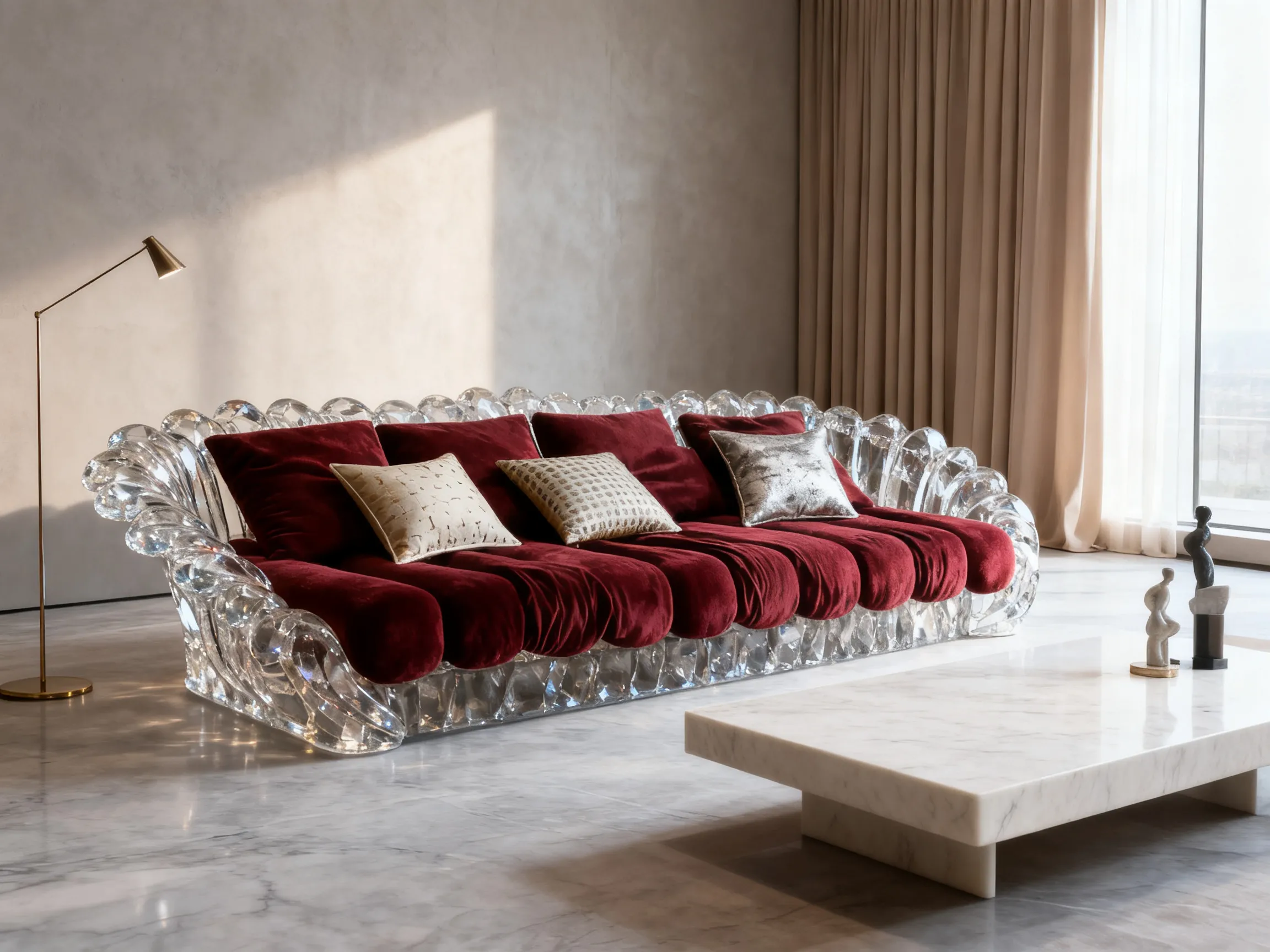
For 2026 properties, Synthetic Crystal Furniture suitable for modern interior spaces works especially well in boutique and ultra-luxury segments, where light-filled, minimalist aesthetics dominate guest preferences.
1.2 Collaborate With Stakeholders Early in the Design Phase
Acrylic Furniture customized for architects and interior designers requires early alignment across all project teams to avoid costly reworks later.
Key stakeholders to involve from day one:
Architectural and interior design firms leading the overall space planning
Custom furniture manufacturers who can advise on material feasibility
Hotel procurement managers managing budget and lead times
Operations teams who will maintain the furniture long-term
Early collaboration also ensures customized furniture dimensions and shapes match exact spatial constraints, from narrow corridor console tables to oversized lobby centerpieces.
2. Select the Right Transparent Material for Each Application
Not all transparent materials perform equally. The choice between Synthetic Crystal Furniture, Acrylic Furniture (plexiglass furniture), and transparent resin furniture depends on the space’s traffic, functional needs, and desired aesthetic.
2.1 Compare Core Transparent Furniture Materials
Each material has distinct properties that suit different hotel zones:
Synthetic Crystal Furniture: Highest optical transparency among transparent materials, premium weight, and scratch resistance; ideal for high-visibility statement pieces
Acrylic Furniture (plexiglass furniture): Lightweight, high impact resistance, and easy to shape; perfect for high-traffic F&B and guest room pieces
Transparent resin furniture: Can be embedded with decorative elements (gold leaf, botanicals); great for custom accent pieces
For commercial projects, Synthetic Crystal Furniture suitable for commercial engineering projects is often specified for signature spaces, while acrylic offers a durable, cost-effective solution for high-use areas.
2.2 Verify Critical Material and Construction Specifications
Work with your custom furniture designer to confirm these key parameters before finalizing designs:
Acrylic sheet thickness: 15–30mm for seating, 30–50mm for tabletops, 50mm+ for thick acrylic structures used in statement pieces
Mechanical strength of synthetic crystal materials: Load-bearing capacity for tables, impact resistance for public areas
Furniture edge processing and polishing techniques: Diamond-polished edges deliver a glass-like finish without sharp corners
High-gloss finishes for transparent surfaces: UV-resistant coatings prevent yellowing in sun-exposed spaces
Precision acrylic material processing techniques: Precision cutting for seamless joints and custom curves
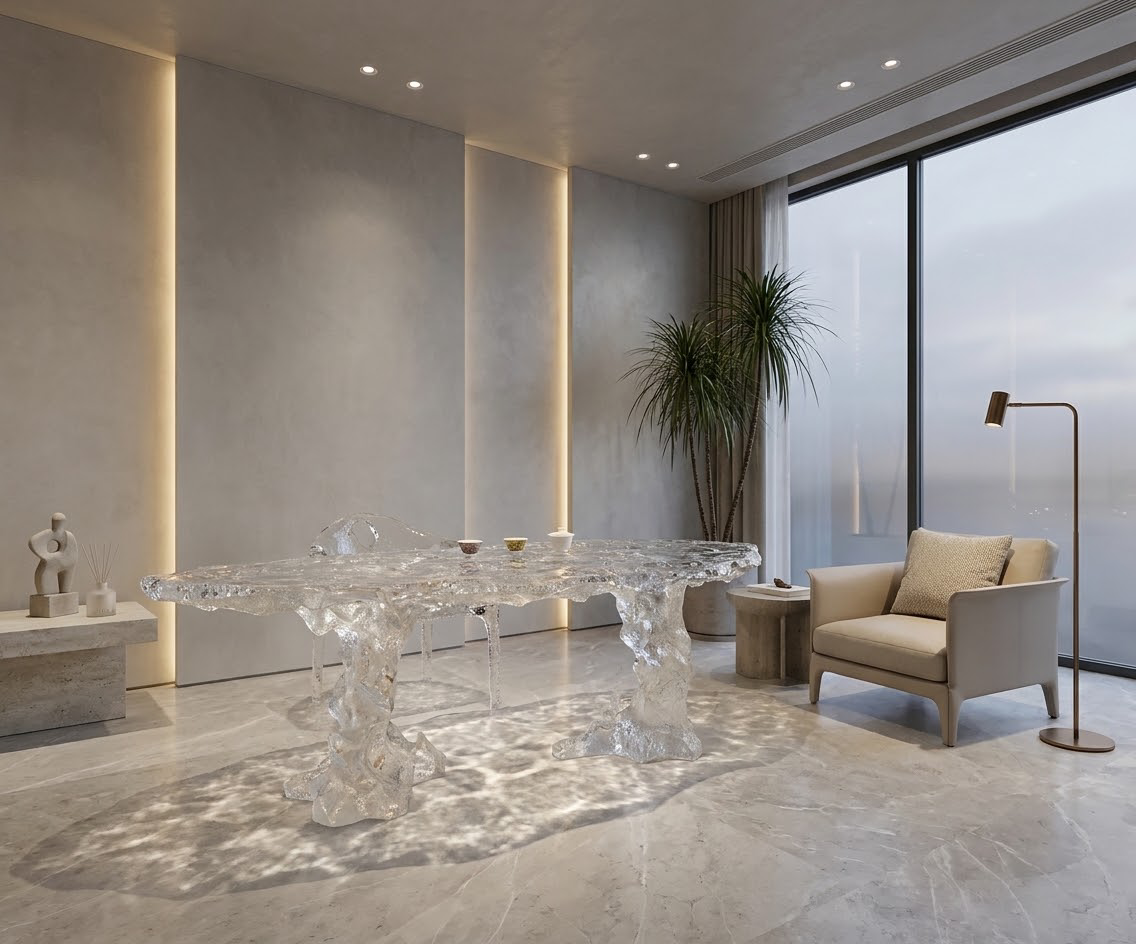
These specs directly impact both the visual luxury and long-term performance of your custom-designed furniture.
3. Ensure Production Feasibility for Commercial-Scale Hotel Projects
Custom transparent furniture for a full hotel is very different from a one-off residential piece. Commercial engineering furniture project companies and custom furniture manufacturers must have the capacity to deliver consistent quality across dozens or hundreds of pieces.
3.1 Vet Manufacturers for Commercial Project Capabilities
When selecting a partner for custom Synthetic Crystal Furniture, evaluate these critical capabilities:
Volume capacity: Ability to produce 50+ matching pieces with consistent optical clarity
Customization scope: Custom furniture design and development support for unique shapes, sizes, and embedded details
Quality control: Standardized testing for the mechanical strength of synthetic crystal materials and finish consistency
Lead time reliability: Proven track record of delivering on tight hotel opening schedules
After-sales support: Repair and refurbishment services for post-opening damage
For UK projects, look for manufacturers experienced in Synthetic Crystal Furniture for commercial engineering projects and familiar with UK fire safety and building regulations.
3.2 Conduct Prototype Testing Before Full Production
Never move straight to full production—always test 1–2 prototype pieces in real hotel conditions.
Key prototype testing checks:
Visual alignment with your design intent (color, clarity, finish)
Structural stability for intended use (e.g., acrylic bar counter weight load)
Cleanability and resistance to common hotel stains (wine, coffee, cosmetics)
Compatibility with existing furniture and finishes in the space
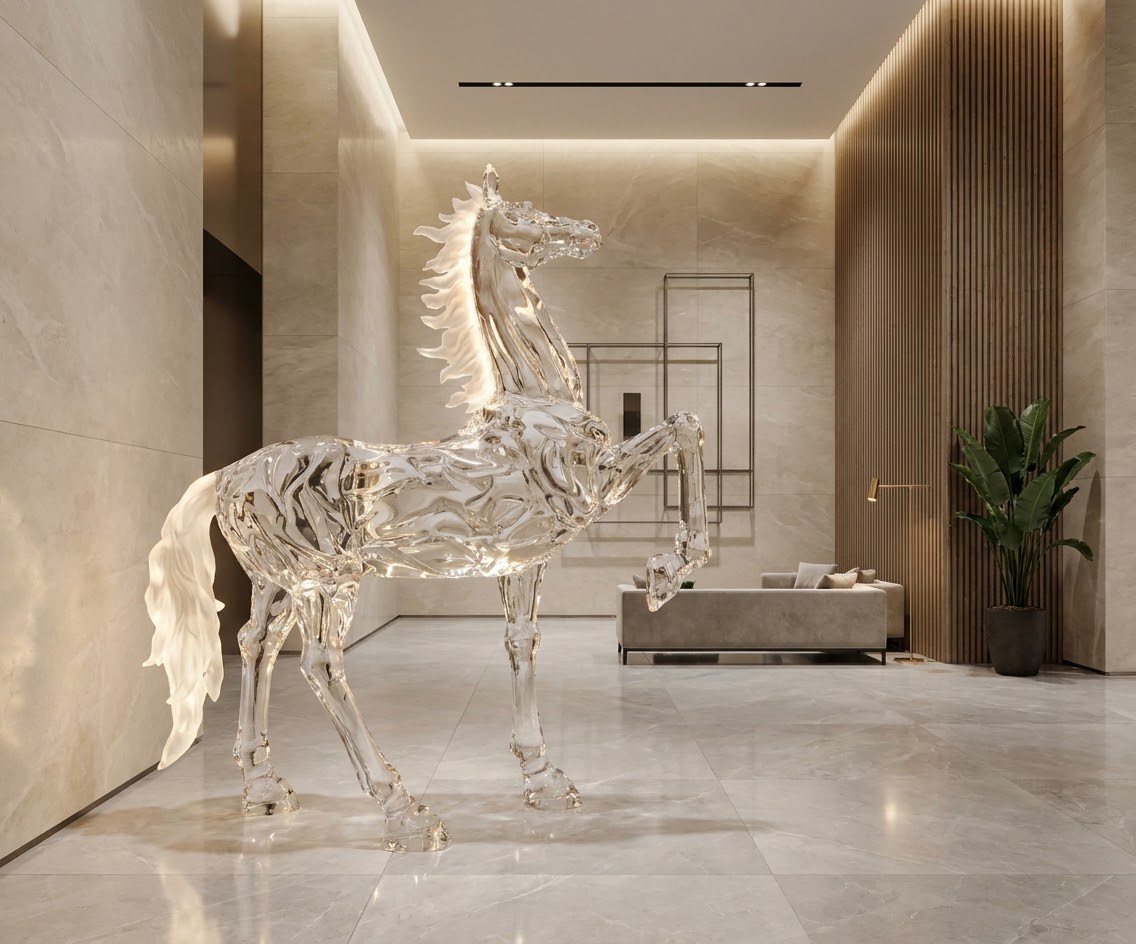
Prototyping is especially important for Design-oriented Transparent Furniture coffee tables and luxury hotel custom furniture solutions, where even small inconsistencies in clarity can be noticeable in luxury settings.
4. Deploy Transparent Furniture Cohesively Across All Hotel Spaces
The biggest mistake hotels make is treating transparent furniture as a single “statement” rather than a unifying design element. When deployed strategically, it creates a seamless luxury experience from arrival to departure.
4.1 Zone-by-Zone Furniture Specification Guide
Use this framework to select pieces for each area of the property:
Lobby & arrival: Pair a large synthetic crystal reception desk with Design-oriented Transparent Furniture entrance consoles and synthetic crystal chandeliers for a grand, light-filled first impression
Guest rooms: Add transparent coffee tables beside seating areas and Acrylic Furniture chairs and stools at desk spaces to make rooms feel larger
Restaurants & bars: Install transparent dining tables with subtle tinted edges and acrylic bar counter fronts that showcase backlighting
Spa & wellness areas: Use transparent resin furniture with embedded natural elements to complement calm, organic aesthetics
Premium suites: Include statement pieces like high-end crystal pool tables or acrylic piano accessories for ultra-luxury differentiation
This approach ensures modern design furniture feels intentional at every touchpoint, not just in the lobby.
4.2 Balance Statement Pieces With Functional Transparent Furniture
While showstopping pieces generate social media buzz, functional pieces drive daily guest satisfaction.
Best practices for balance:
Limit 1–2 large statement pieces per major public space
Use smaller transparent decorative furniture (side tables, stools, display shelves) to carry the aesthetic through secondary spaces
Match edge profiles and finish levels across all pieces for visual consistency
Incorporate subtle brand elements (e.g., etched logos) on high-touch pieces
For catering businesses and chain restaurant groups expanding into hotel F&B spaces, this balance ensures durability without compromising design.
5. Long-Term Maintenance and Post-Opening Support
High-end Decorative Transparent Furniture retains its luxury appeal only with proper care. For full-hotel deployments, a clear maintenance plan is as important as the initial design.
5.1 Develop a Property-Wide Maintenance Protocol
Train housekeeping and maintenance teams on proper care for different transparent materials:
Daily cleaning: Use microfiber cloths and non-abrasive, ammonia-free cleaners to avoid scratching high-gloss finishes on transparent surfaces
Weekly inspection: Check for small scratches, edge chips, or joint loosening, especially in high-traffic areas
Quarterly deep cleaning: Professional polishing to remove fine scratches and restore optical clarity
Annual assessment: Manufacturer-led inspection of structural pieces like thick acrylic staircases or large bar fronts
Provide teams with material-specific care guides from your custom furniture manufacturer to avoid accidental damage.
5.2 Plan for Refurbishment and Future Updates
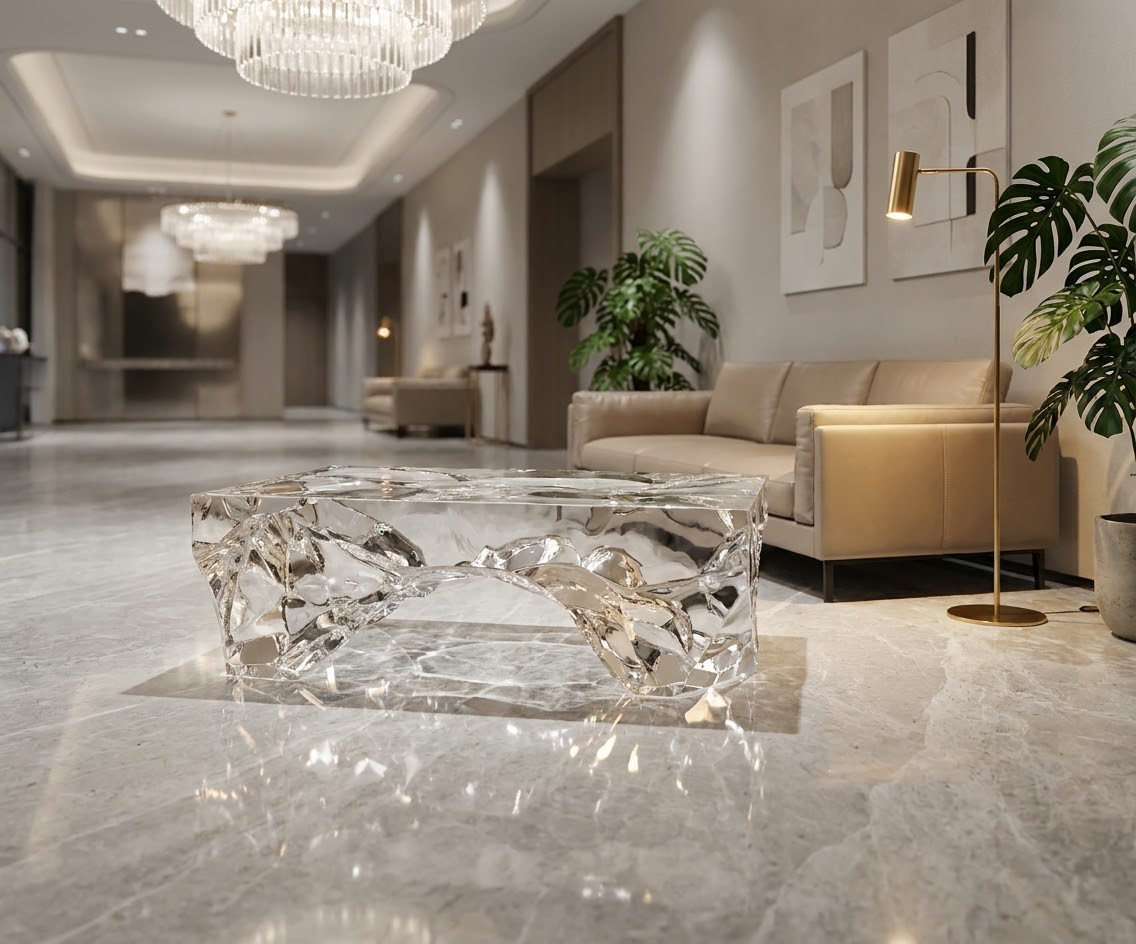
Even the highest-quality Synthetic Crystal Furniture will show wear after years of commercial use. Plan ahead to extend furniture lifespan:
Keep spare parts (e.g., extra acrylic chair legs) on hand for quick repairs
Schedule professional refurbishment every 3–5 years to restore like-new condition
Work with manufacturers that offer modular designs, so pieces can be updated without full replacement
Align furniture refresh cycles with hotel renovation schedules for cost efficiency
For high-end hotel groups managing multiple properties, a centralized maintenance partnership with a transparent furniture specialist can reduce long-term costs.
As of 2026, the application of transparent materials in furniture design continues to expand across UK hospitality, driven by demand for light-filled, modern luxury experiences. By following this structured specification process, hotel and commercial space designers, commercial interior design and fit-out companies, and hotel owners can deploy custom transparent furniture that works beautifully across every corner of a luxury property—not just the lobby.


