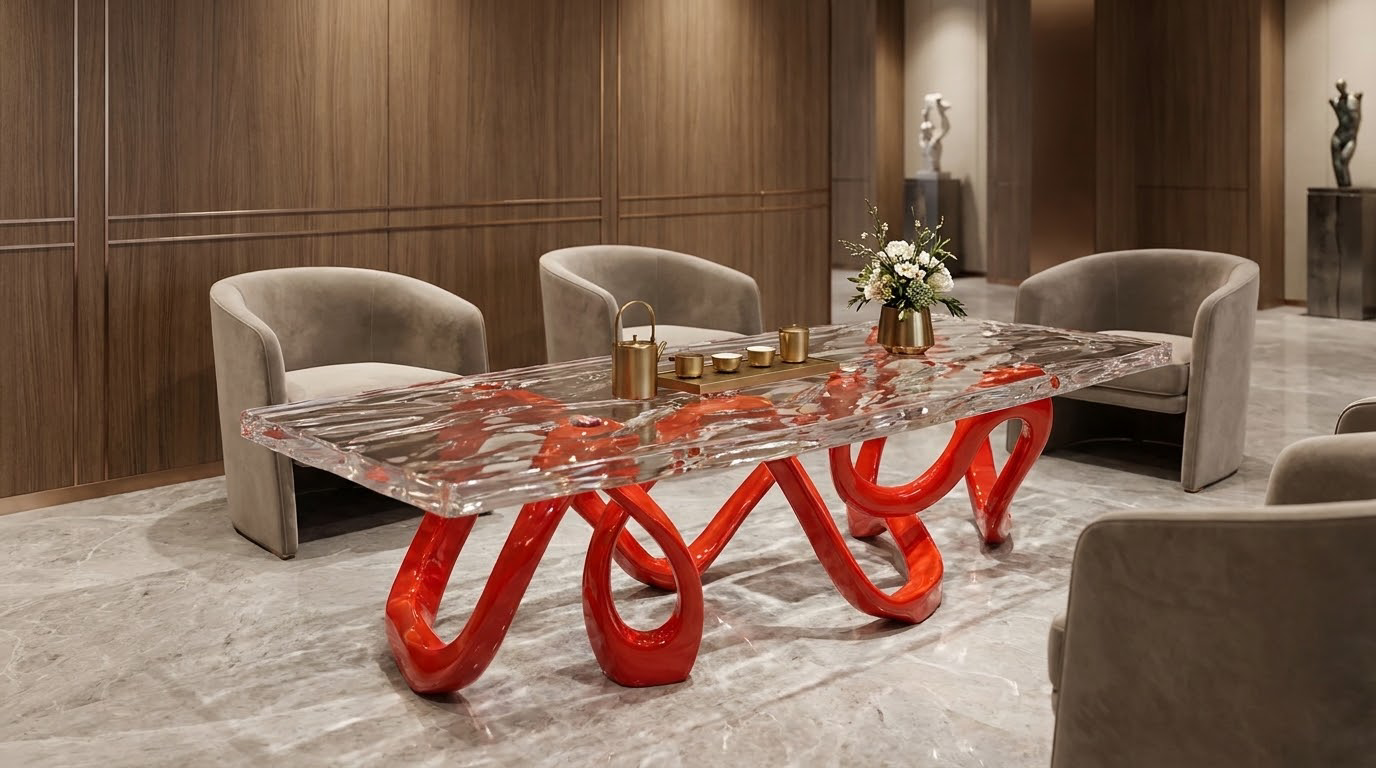
In 2026’s competitive luxury furniture market, Synthetic Crystal Furniture, Design-oriented Transparent Furniture, Acrylic Furniture, and High-end Decorative Transparent Furniture have emerged as top choices for modern spaces. For designers, architects, and project managers, approving production without verifying critical specs can lead to costly reworks, delayed timelines, and misaligned client expectations.
This how-to guide breaks down 6 non-negotiable material and manufacturing details to confirm before greenlighting production. We’ll also integrate real 2026 case studies, commercial project insights, and actionable checklists tailored for B2B buyers, design firms, and high-end residential clients.
1. Material Composition & Core Performance Specs
The foundation of any high-quality transparent furniture piece lies in its material makeup. Cutting corners on raw material quality directly impacts durability, clarity, and long-term aesthetic value.
1.1 Optical Clarity and Material Purity
Optical clarity of transparent materials is the defining feature of premium Synthetic Crystal Furniture. Low-grade acrylic or resin often shows yellowing, cloudiness, or light distortion within 2-3 years of installation.
Key specs to confirm:
92%+ light transmittance (matching crystal-level clarity)
Zero visible impurities, bubbles, or flow lines in the base material
UV-stabilized formula to prevent yellowing for 10+ years
Food-safe certification for pieces used in dining or hospitality spaces
In 2026, leading custom furniture manufacturers offer third-party lab reports for material purity. For example, a recent project for a 5-star Sydney hotel required full transparency reports to meet luxury brand standards.
1.2 Mechanical Strength and Structural Safety
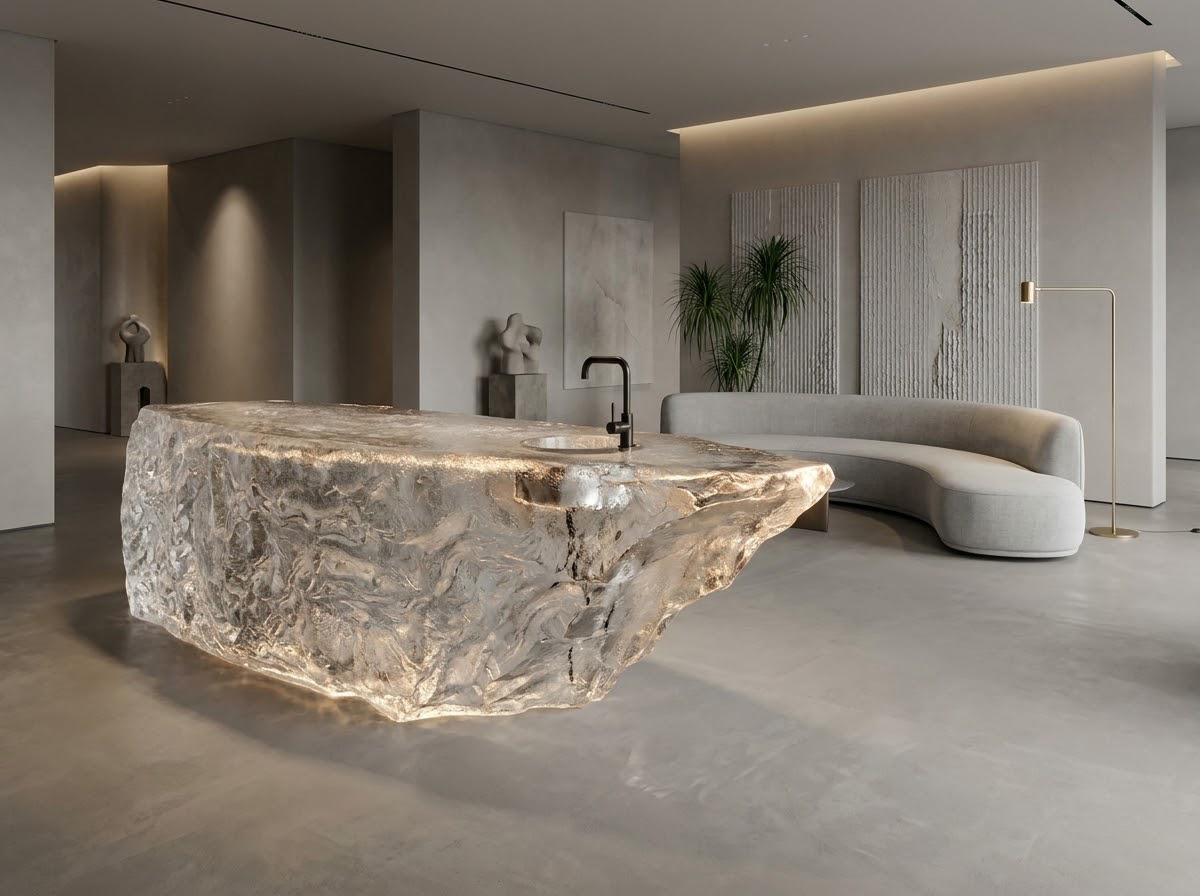
Synthetic crystal material’s mechanical strength determines whether a piece can withstand daily use, especially in high-traffic commercial settings. Many designers overlook load-bearing capacity, leading to cracked tables or unstable seating.
Critical strength specs to verify:
Tensile strength of ≥70MPa for cast acrylic
Impact resistance 10-15 times higher than ordinary glass
Load-bearing capacity matching the piece’s intended use (e.g., 100kg+ for dining tables)
Flame-retardant rating for commercial public spaces
For Synthetic Crystal Furniture for commercial engineering projects, structural testing reports are non-negotiable. A 2026 retail chain project in Melbourne required all Acrylic Furniture chairs and stools to pass commercial-grade durability testing before installation.
2. Dimensional Accuracy and Customization Feasibility
Custom furniture design and development relies on precise dimensional matching. Even a 5mm error can ruin a built-in installation or disrupt a space’s design flow.
2.1 Size and Shape Customization Tolerances
Furniture size and shape customization is one of the biggest advantages of working with a custom furniture manufacturer. However, complex curves, irregular edges, or oversized pieces require advanced fabrication capabilities.
Tolerance standards to confirm:
±1mm tolerance for flat-cut panels under 2m in length
±2mm tolerance for curved or thermoformed components
Consistent thickness across all structural panels
Precision-matched joint gaps for seamless assembly
For custom Acrylic Furniture for architects and interior designers, 3D model matching is a critical pre-production step. Top firms provide 1:1 scale digital prototypes to verify dimensions before cutting material.
2.2 High-Thickness Acrylic Structure Capabilities
High-thickness acrylic structure is required for statement pieces like high-end crystal billiard tables, transparent dining tables, or acrylic bar counters. Thin material will warp, bend, or fail under weight.
Key thickness guidelines:
20-30mm acrylic sheet thickness for table tops in residential settings
40-50mm thickness for commercial-grade bar counters and reception desks
Reinforced internal support for pieces over 2m in length
Seamless bonding for ultra-thick panels (no visible glue lines)
A 2026 luxury villa project in Perth required a 3m-long synthetic crystal table with 50mm thick edges. The manufacturer’s ability to bond thick panels without visible seams was the deciding factor in project approval.
3. Edge Processing and Surface Finish Quality
The quality of edge work and surface finishing separates mass-produced Acrylic Furniture from High-end Decorative Transparent Furniture. Poor polishing leads to cloudy edges that cheapen the entire piece.
3.1 Edge Processing and Polishing Technology
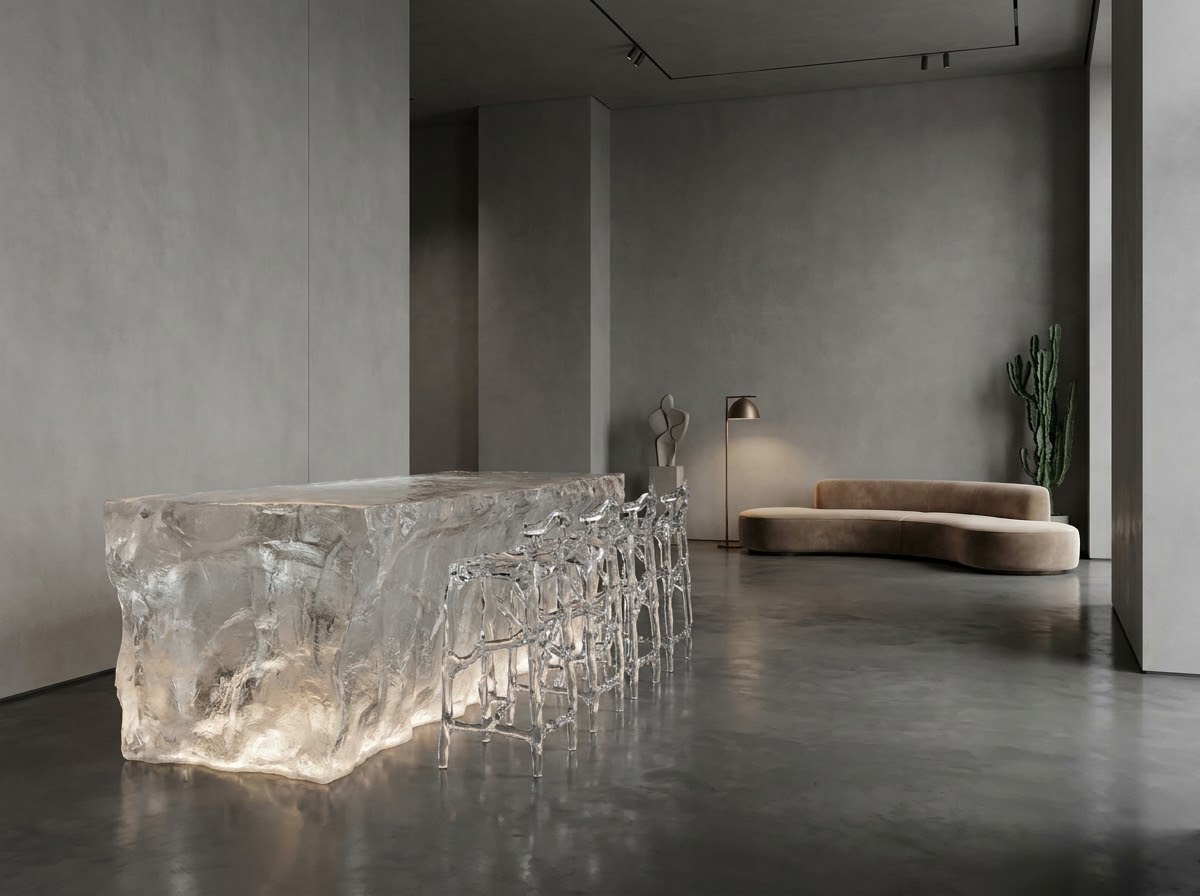
Furniture edge processing and polishing technology directly impacts the “crystal” look of a piece. Hand-polished edges reflect light better, while machine-cut edges often look dull or uneven.
Edge finish options to specify:
Diamond-polished edges for crystal-clear light refraction
Flame-polished edges for budget-friendly residential pieces
Rounded edge profiles (10-20mm radius) for safety in family spaces
Beveled edges for decorative statement pieces like transparent design console tables
For designer transparent coffee table and decorative furniture luxury hotel custom furniture solutions, diamond polishing is standard. A 2026 boutique hotel project in Brisbane rejected an initial sample due to uneven edge polishing that looked cheap under lobby lighting.
3.2 High-Gloss Surface and Scratch Resistance
Transparent surface’s high-gloss finish creates the luxurious look that defines premium transparent resin furniture. However, high-gloss surfaces are prone to scratches if not properly treated.
Surface protection specs to confirm:
Nano-coating for scratch resistance (reduces surface damage by 70%)
Anti-fingerprint treatment for high-touch pieces like acrylic piano accessories
Repairable surface finish that can be buffed to remove minor scratches
Matte finish option for clients preferring a more understated look
In 2026, 68% of high-end furniture brands and enterprises specify scratch-resistant coating for all transparent furniture pieces, according to a recent industry report.
4. Manufacturing Process and Quality Control Protocols
Even with great materials, poor manufacturing processes can ruin a custom piece. Understanding a factory’s quality control (QC) process helps avoid defects and delivery delays.
4.1 Precision Processing Technology for Acrylic Materials
Acrylic material fine processing technology includes laser cutting, thermoforming, and seamless bonding. Each step requires specialized equipment and skilled technicians.
Key manufacturing capabilities to audit:
CNC laser cutting with ±0.1mm precision for complex shapes
Thermoforming equipment for curved pieces (e.g., Acrylic Furniture chairs and stools)
UV bonding technology for invisible joints
Cleanroom assembly to prevent dust from getting trapped in bonded seams
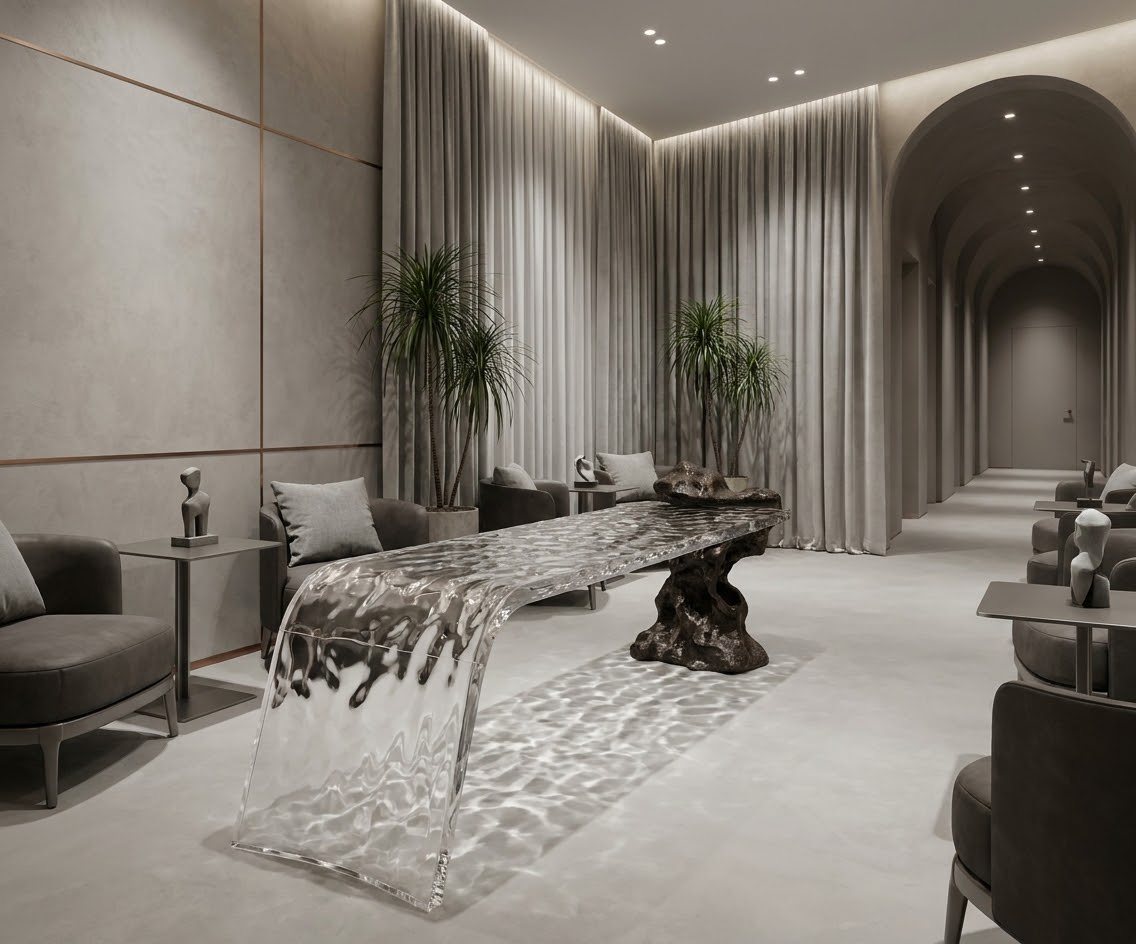
For custom Synthetic Crystal Furniture, ask for a sample of bonded joints before approving production. The best factories produce joints that are completely invisible to the naked eye.
4.2 Pre-Delivery Quality Inspection Standards
A rigorous pre-delivery QC process ensures you receive defect-free pieces. Many custom furniture manufacturers only do basic visual checks, which is insufficient for high-end projects.
Required QC checkpoints:
Full dimensional verification against approved drawings
Clarity inspection under natural and artificial lighting
Load-bearing testing for all seating and table pieces
Packaging drop-test simulation for long-distance shipping
Photo and video documentation of every piece before shipment
For commercial engineering furniture project companies, third-party inspection services are often required for large orders. A 2026 project for a national retail chain required 100% inspection of 200+ acrylic display pieces.
5. Application Scenarios and Client-Specific Adaptations
Different client segments have unique requirements for transparent furniture. A piece designed for a luxury home will have different specs than one for a busy restaurant.
5.1 Residential vs. Commercial Performance Requirements
Synthetic Crystal Furniture for modern interior spaces must balance aesthetics with practicality. Residential pieces prioritize design, while commercial pieces need enhanced durability.
Key differences to confirm:
Residential: Focus on design details, custom sizing, and decorative elements like synthetic crystal chandeliers
Commercial: Prioritize scratch resistance, fire safety, and easy maintenance
Hospitality: Combine luxury aesthetics with commercial-grade durability (e.g., hotel lobbies, bars)
Retail: Require UV resistance to prevent fading from store lighting
The advantages of transparent furniture in interior design include making small spaces feel larger, complementing any color scheme, and creating a light, airy atmosphere. These benefits apply to both residential and commercial settings, but performance specs must match the use case.
5.2 Custom Solutions for Niche Client Segments
Different client groups have unique needs that require specialized customization. Understanding these needs helps you specify the right details upfront.
Niche client requirements:
High-end hotel groups: Brand-matched custom shapes, luxury finishes, and bulk production consistency
Restaurant and chain catering groups: Stain-resistant surfaces, easy-to-clean edges, and food-safe materials
Architecture and interior design firms: Custom design flexibility, 3D prototyping, and reliable lead times
Private residential clients: Unique statement pieces like high-end crystal billiard tables or custom acrylic piano accessories
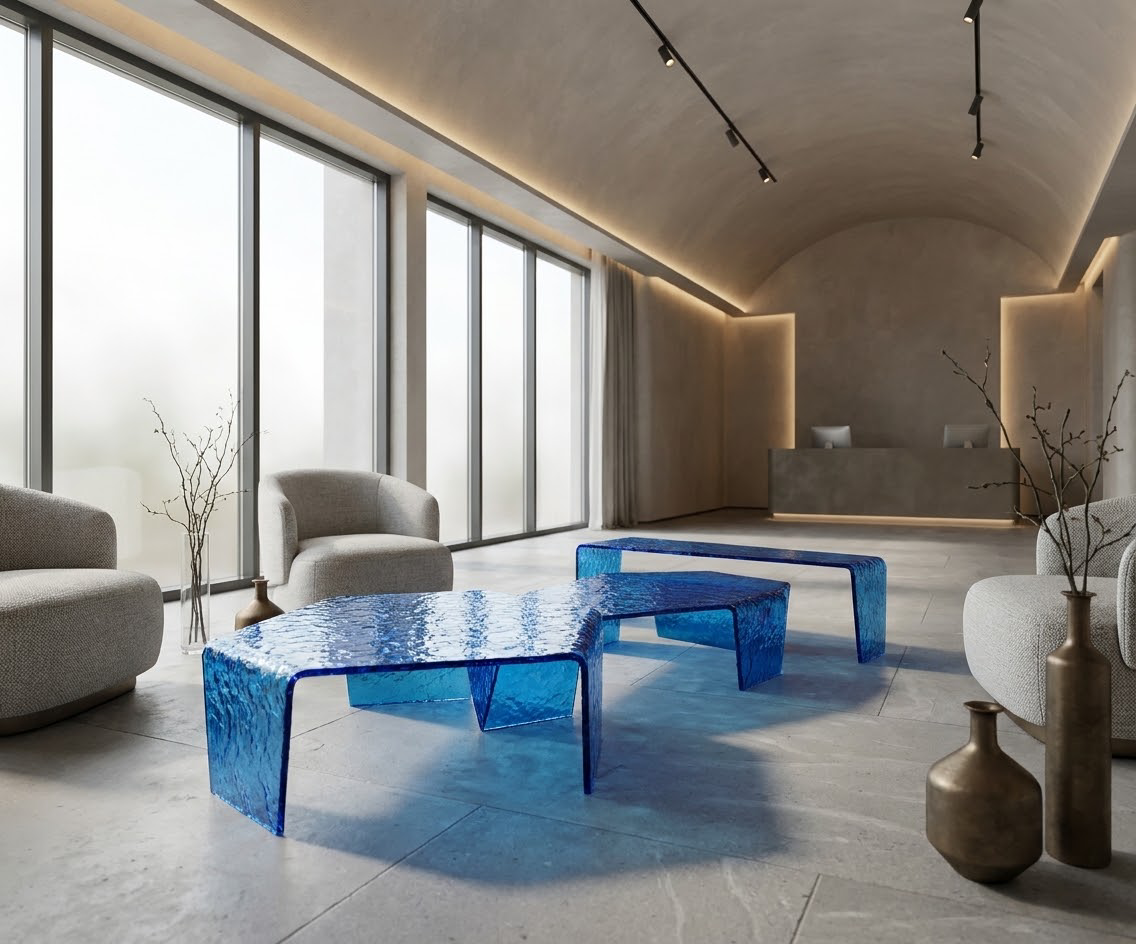
For hotel and commercial space designers, working with a manufacturer that offers both design support and production capabilities streamlines the entire project. A 2026 luxury resort project in the Gold Coast used custom transparent furniture throughout the lobby, restaurants, and guest suites to create a cohesive, modern aesthetic.
6. Cost, Lead Time, and After-Sales Support
The final pre-approval step is verifying that the project fits your budget, timeline, and long-term support needs. Unexpected costs or delays can derail even the best-designed projects.
6.1 Transparent Pricing and Hidden Cost Checks
Custom design furniture pricing can vary widely based on material grade, complexity, and production volume. Hidden costs often catch clients off guard.
Cost items to confirm upfront:
Material cost breakdown (grade, thickness, quantity)
Labor cost for custom shaping, polishing, and assembly
Packaging and shipping costs (especially for international orders)
Installation support fees (if required)
Warranty coverage and after-sales service terms
For hotel procurement managers, getting a detailed cost breakdown helps compare quotes from different custom furniture manufacturers accurately. A 2026 industry survey found that 42% of custom furniture projects went over budget due to unstated fees.
6.2 Production Lead Time and Delivery Reliability
Timeline delays can cause cascading issues for construction and renovation projects. Confirming production capacity and lead time reliability is critical.
Lead time factors to verify:
Standard production time (typically 2-4 weeks for simple pieces, 6-8 weeks for complex custom designs)
Rush order options and associated fees
Production capacity for large bulk orders (e.g., 50+ hotel room pieces)
Shipping time and customs clearance for international orders
Contingency plans for material shortages or production issues
For small business owners and startup founders furnishing new spaces, building a 10-15% buffer into the timeline helps avoid opening delays. Top manufacturers provide weekly production updates with photos to keep projects on track.
By confirming these 6 material and manufacturing details before approving production, you can ensure your Synthetic Crystal Furniture, Design-oriented Transparent Furniture, Acrylic Furniture, and High-end Decorative Transparent Furniture project meets quality, budget, and timeline expectations.
In 2026’s market, working with an experienced custom furniture manufacturer that specializes in high-end transparent pieces is the best way to minimize risk and deliver exceptional results for your clients.
READ MORE:
- How Synthetic Crystal Furniture Reduces Dimensional Deviation, Surface Defects, and Manufacturing Rework From 3D Design to Physical Pieces
- Engineering Complex-Shaped Synthetic Crystal Furniture: Solving Structural Design, Material Adaptation, and Prototype Validation Challenges
- How to Reduce Manufacturing Risks in Custom Furniture Projects: From Factory Selection and Quality Consistency to Delivery Delay Management
- Execution Risk Management for Architectural Projects: How to Control Design Changes, Manufacturing Accuracy, and Delivery Schedules?
- Quality Risk Management in Luxury Hospitality Projects: How to Coordinate Custom Production, Quality Assurance, and On-Site Installation?
- Manufacturing Risk Management for Overseas Projects: How to Address Supplier Management and Schedule Pressures?
- Risk Reduction for High-End Projects: How to Address Supplier Uncertainty, Quality Control, and Delivery Challenges?
- Synthetic Crystal Furniture Design Guide for Luxury Saudi Hospitality
- Synthetic Crystal Furniture: Balance Transparent Design & Hotel Bathroom Durability


