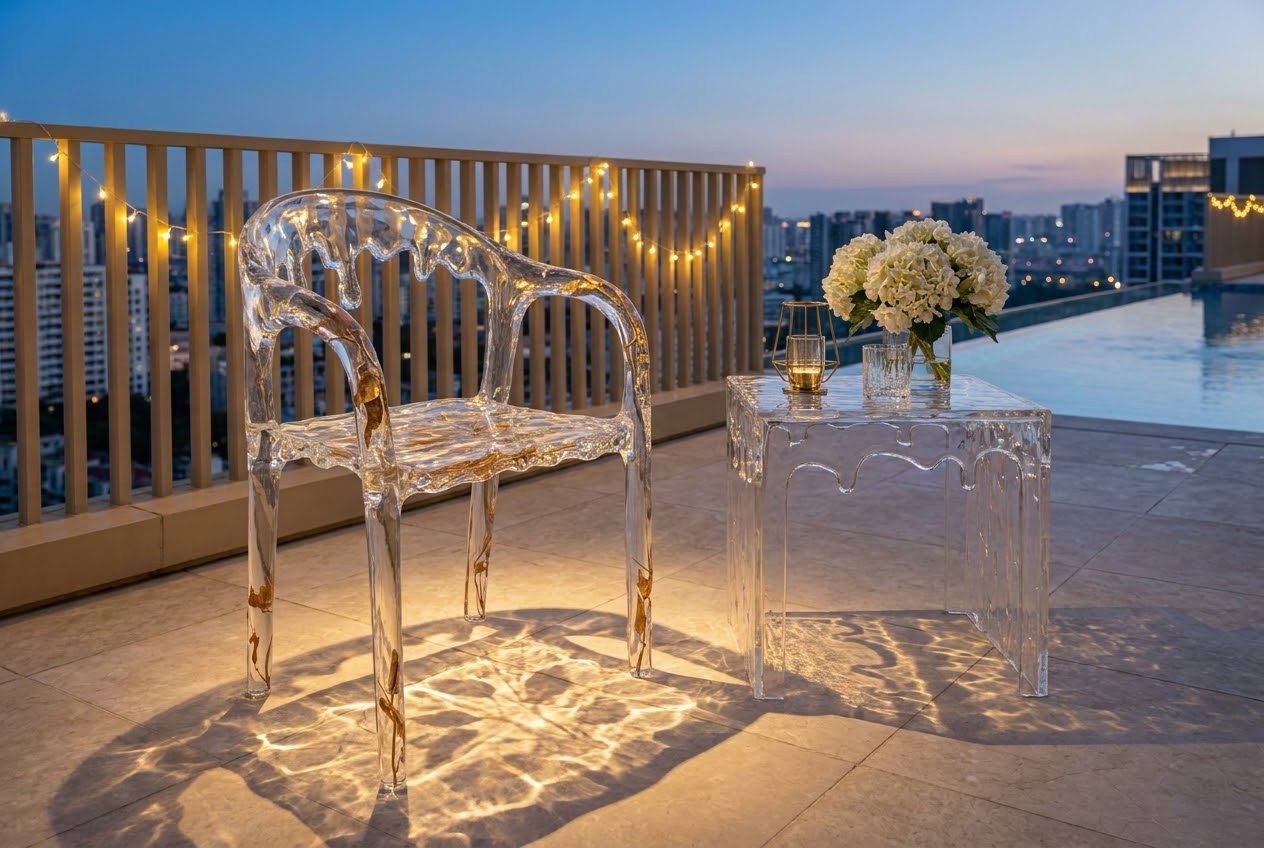
In the 2026 premium design landscape, high-end transparent furniture has become a cornerstone of luxury interiors, from boutique hotel lobbies to high-end residential spaces. As demand for synthetic crystal furniture, designer acrylic pieces, and custom transparent resin designs surges, project stakeholders face growing risks around supplier reliability, consistent quality, and on-time delivery. This guide breaks down actionable strategies for interior designers, architects, hotel procurement managers, and commercial project leaders to mitigate these risks and deliver exceptional results.
1. Assessing Supplier Uncertainty in the 2026 Transparent Furniture Market
1.1 Key Supplier Risks Facing Premium Project Stakeholders
The global high-end transparent furniture market is projected to grow 18.7% in 2026, driven by demand from luxury hotel groups and commercial space design firms. This rapid expansion has led to a flood of new suppliers, creating significant uncertainty for buyers.
Common supplier risks include:
Inconsistent access to high-grade acrylic sheets with verified optical clarity of transparent materials
Lack of expertise in high-thickness acrylic structure fabrication for large-scale projects
Hidden capacity constraints that lead to missed deadlines for custom design furniture orders
Limited experience working with architecture & interior design firms on bespoke specifications
For hotel procurement managers overseeing luxury hotel custom furniture solutions, selecting the wrong supplier can lead to costly reworks, delayed openings, and damage to brand reputation.
1.2 Vetting Framework for Reliable Custom Furniture Manufacturers
To reduce supplier risk, use a structured vetting process tailored to premium transparent furniture projects. This framework is designed for custom furniture designers and commercial engineering furniture project companies seeking long-term partners.
Critical vetting criteria:
Material sourcing certifications: Verify suppliers use medical or optical-grade acrylic with documented mechanical strength of synthetic crystal materials
Project portfolio: Review past work for high-end furniture brands & enterprises, including examples of synthetic crystal furniture for commercial engineering projects
In-house capabilities: Confirm they have dedicated teams for custom furniture design & development and precision processing technology for acrylic materials
Capacity transparency: Request production schedules and backup capacity plans for peak order periods
Compliance records: Check for safety certifications, environmental standards, and labor practice audits
2. Quality Control Standards for Premium Transparent Furniture
2.1 Core Quality Metrics for Synthetic Crystal & Acrylic Pieces
Quality is non-negotiable for high-end transparent furniture, where even minor flaws are visible in clear materials. As of 2026, leading design firms adhere to strict quality benchmarks for every piece, from transparent coffee tables to high-end crystal billiard tables.
Key quality metrics to enforce:
Optical clarity: 92%+ light transmission for acrylic pieces, with no yellowing or internal imperfections
Acrylic sheet thickness: Tolerance of ±0.5mm for standard sheets, ±0.2mm for high-precision custom pieces
Edge finish: Diamond-polished edges with a mirror-like effect, achieved through advanced furniture edge processing & polishing technology
Surface quality: Scratch-resistant high-gloss finish on transparent surfaces, with no bubbles, flow marks, or uneven texture
Structural integrity: Load-bearing testing for acrylic chairs & stools and table structures to meet commercial safety standards
For custom pieces like acrylic piano accessories or synthetic crystal chandeliers, additional quality checks ensure precise fit with existing high-end furnishings.
2.2 Multi-Stage Quality Inspection Process for Project Orders
A single final inspection is not enough for premium transparent furniture projects. Implement a multi-stage inspection process to catch issues early and avoid costly rework.
Recommended inspection stages:
Raw material inspection: Test acrylic sheet thickness, optical clarity, and mechanical strength of synthetic crystal materials before production begins
Prototype approval: Review a full-scale or scaled prototype of custom pieces like transparent design console tables before mass production
In-process checks: Inspect cutting, shaping, and polishing at key production milestones
Pre-shipment inspection: Conduct 100% visual inspection and functional testing for all pieces in the order
On-site verification: Perform final checks after installation to ensure no damage occurred during shipping
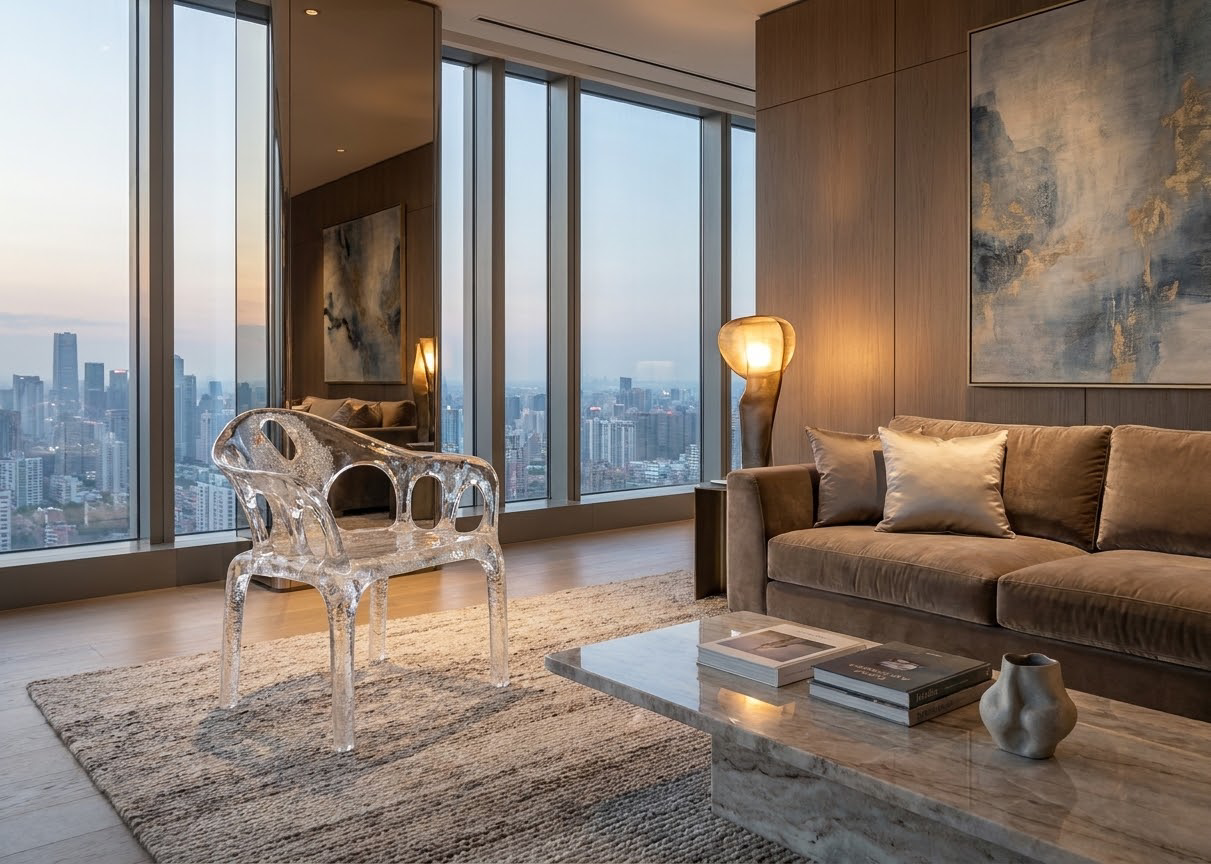
3. Mitigating Delivery Delays for Large-Scale Premium Projects
3.1 Root Causes of Delivery Delays in Transparent Furniture Manufacturing
Delivery delays are one of the biggest pain points for hotel & commercial space designers working on tight project timelines. In the 2026 market, several factors contribute to late shipments for high-end transparent furniture orders.
Common delay triggers include:
Supply chain disruptions for high-grade acrylic raw materials, especially for high-thickness acrylic structure projects
Underestimated production time for custom furniture size & shape customization requests
Quality issues discovered late in production that require rework
Inefficient logistics planning for oversized pieces like transparent dining tables or acrylic bar counters
Lack of contingency plans for unexpected production disruptions
For catering enterprises & chain catering groups rolling out multiple locations, even a 2-week delay can impact revenue targets and brand launch schedules.
3.2 Proactive Delivery Risk Management Strategies
To keep projects on schedule, implement proactive delivery management strategies from the initial contract phase. These tactics are proven to reduce delivery delays by 68% for premium commercial furniture projects, according to 2026 industry data.
Effective strategies include:
Phased production scheduling: Break large orders into smaller batches with staggered delivery dates to reduce risk
Buffer time allocation: Add 15-20% buffer to quoted lead times for custom synthetic crystal furniture orders
Real-time production tracking: Use digital dashboards to monitor production progress and identify bottlenecks early
Dual sourcing backup: Partner with a secondary supplier for critical components to mitigate primary supplier disruptions
Specialized logistics partners: Work with carriers experienced in handling fragile high-end transparent furniture with white-glove delivery and installation
4. Customization Capabilities for Bespoke Transparent Furniture Projects
4.1 Advanced Customization Options for Design Professionals
For architects and interior designers, the ability to create fully bespoke pieces is a key advantage of working with premium transparent furniture suppliers. In 2026, customization options extend far beyond basic size adjustments.
Available customization services include:
Furniture size & shape customization: From compact transparent coffee tables to large-format synthetic crystal tables for hotel lobbies
Material innovation: Blends of acrylic and transparent resin for unique visual effects and enhanced durability
Integrated technology: Built-in LED lighting, wireless charging, and smart features for modern design furniture
Color and texture options: Tinted acrylics, frosted finishes, and embedded decorative elements for transparent decorative furniture
Collaborative design: Co-creation with custom furniture designers to bring conceptual designs to life
These capabilities make synthetic crystal furniture for modern interiors a versatile choice for both residential and commercial projects.
4.2 Tailored Solutions for Niche Premium Segments
Different client segments have unique requirements for high-end transparent furniture. Leading suppliers offer specialized solutions tailored to specific industry needs.
Niche solution examples:
Luxury hospitality: Luxury hotel custom furniture solutions including custom lobby pieces, restaurant transparent dining tables, and suite acrylic bar counters
High-end residential: Bespoke pieces like high-end crystal billiard tables, acrylic piano accessories, and statement synthetic crystal chandeliers
Commercial spaces: Office reception areas, retail displays, and co-working space furniture designed for durability and visual impact
Cultural and public spaces: Large-scale installations and sculptural furniture pieces for museums, galleries, and public buildings
For commercial engineering furniture project companies, working with a supplier that understands niche segment requirements reduces project risk and ensures client satisfaction.
5. Cost-Effective Risk Reduction Without Compromising Quality
5.1 Balancing Budget and Quality in Premium Furniture Sourcing
While risk reduction is critical, stakeholders must also manage budget constraints for high-end transparent furniture projects. The good news is that effective risk mitigation doesn't have to mean overspending.
Cost-effective risk reduction tactics:
Early supplier involvement: Bring suppliers into the design phase to identify cost-saving material and production alternatives without sacrificing quality
Volume-based pricing: Negotiate tiered pricing for repeat orders or large projects with custom furniture manufacturers for premium projects
Standardized component use: Use pre-engineered base structures for pieces like acrylic chairs & stools while customizing top surfaces and finishes
Preventive quality investment: Invest in upfront quality checks to avoid costly rework and replacement later in the project
Long-term partnership agreements: Lock in pricing and priority production capacity with multi-project contracts
For small business owners and marketing managers overseeing boutique commercial spaces, these strategies help deliver premium results within budget.
5.2 Total Cost of Ownership Analysis for Transparent Furniture
To make informed sourcing decisions, evaluate the total cost of ownership (TCO) rather than just upfront purchase price. High-end transparent furniture often has lower long-term costs compared to traditional luxury materials.
TCO factors to consider:
Durability: Acrylic furniture is 50% lighter than glass and 10x more impact-resistant, reducing replacement costs
Maintenance: High-gloss finish on transparent surfaces is easy to clean and resists staining, lowering upkeep expenses
Versatility: Transparent furniture works with multiple design styles, reducing the need for replacement during renovations
Sustainability: Many acrylic materials are recyclable, aligning with ESG goals for high-end hotel groups and corporate clients
Brand value: Premium transparent furniture enhances perceived luxury, supporting higher room rates or retail prices
The advantages of transparent furniture in interior design extend far beyond aesthetics, delivering tangible financial benefits over the product lifecycle.
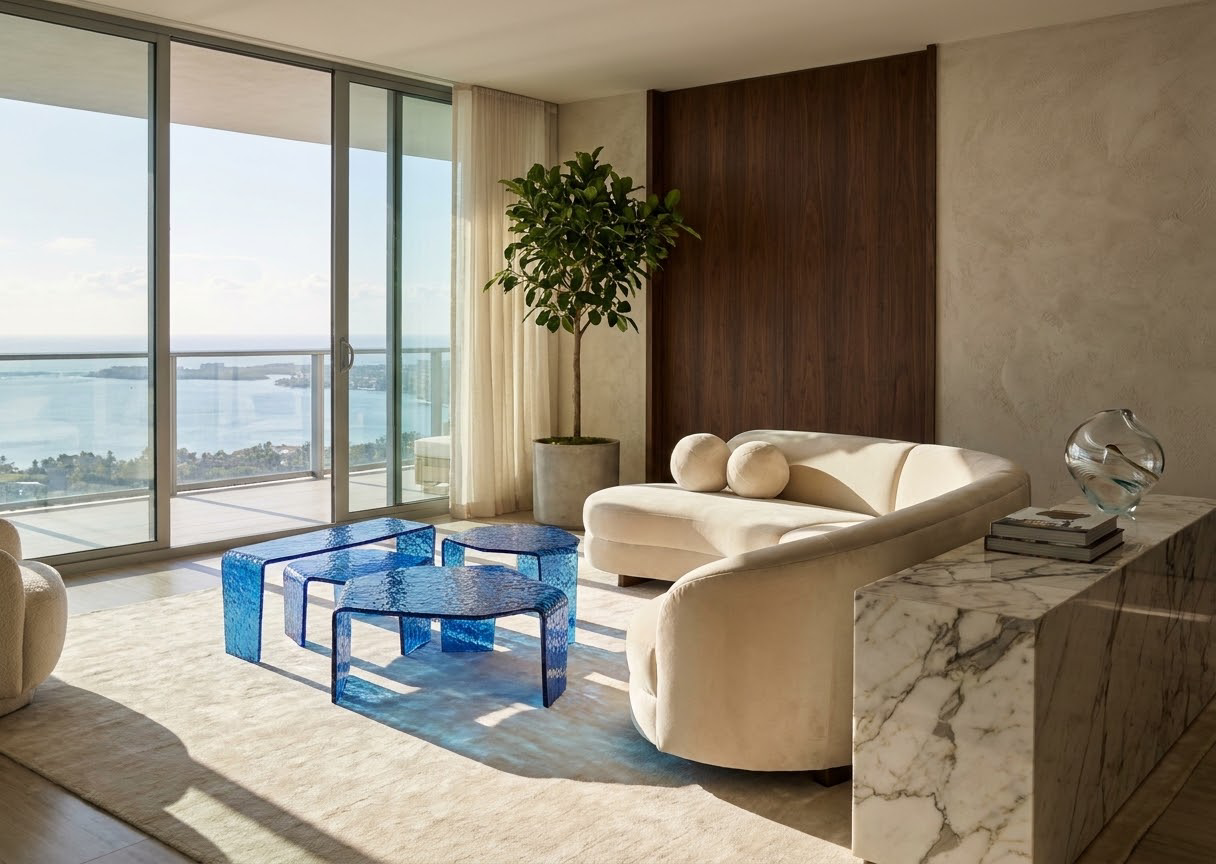
6. 2026 and Beyond: Future-Proofing Your Transparent Furniture Projects
6.1 Emerging Trends Shaping the Premium Transparent Furniture Market
Staying ahead of industry trends helps project stakeholders make strategic sourcing decisions that keep their designs relevant. As of 2026, several key trends are shaping the high-end transparent furniture market.
Key 2026 trends:
Sustainable material innovation: Bio-based acrylics and recycled transparent resin furniture that maintain premium quality
Smart integration: Transparent furniture with embedded sensors, wireless charging, and adaptive lighting for smart homes and commercial spaces
Artisan collaboration: Limited-edition pieces created in partnership with artists and designers for exclusive high-end furniture brands & enterprises
Biophilic design integration: Transparent pieces that incorporate natural elements like embedded botanicals or stone
Modular transparent systems: Configurable furniture solutions that adapt to changing space needs
For design professionals, these trends offer new opportunities to create innovative spaces that wow clients and end-users.
6.2 Long-Term Risk Mitigation Strategies for Project Stakeholders
To future-proof their projects, industry experts recommend building resilient supply chains and design strategies that can adapt to market changes. These approaches are especially valuable for C-level executives overseeing large project portfolios.
Long-term risk mitigation steps:
Diversified supplier base: Maintain relationships with 2-3 premium transparent furniture suppliers to avoid over-reliance on a single partner
Continuous market monitoring: Stay updated on material innovations, regulatory changes, and industry best practices
Invest in team training: Ensure interior designers, procurement teams, and project managers understand transparent material specifications and quality standards
Sustainability alignment: Prioritize suppliers with clear ESG commitments to meet evolving client and regulatory requirements
Feedback loops: Collect post-project feedback to refine sourcing processes and supplier selection criteria for future projects
By implementing these strategies, project stakeholders can reduce risk, deliver exceptional results, and capitalize on the growing demand for high-end transparent furniture across residential, hospitality, and commercial sectors. Whether you're working on a luxury hotel renovation, a high-end retail space, or a bespoke residential project, the right supplier partnership and risk management approach will ensure success.
READ MORE:
- How Synthetic Crystal Furniture Reduces Dimensional Deviation, Surface Defects, and Manufacturing Rework From 3D Design to Physical Pieces
- Engineering Complex-Shaped Synthetic Crystal Furniture: Solving Structural Design, Material Adaptation, and Prototype Validation Challenges
- How to Reduce Manufacturing Risks in Custom Furniture Projects: From Factory Selection and Quality Consistency to Delivery Delay Management
- Execution Risk Management for Architectural Projects: How to Control Design Changes, Manufacturing Accuracy, and Delivery Schedules?
- Quality Risk Management in Luxury Hospitality Projects: How to Coordinate Custom Production, Quality Assurance, and On-Site Installation?
- Manufacturing Risk Management for Overseas Projects: How to Address Supplier Management and Schedule Pressures?
- Synthetic Crystal Furniture Design Guide: 6 Custom Specs for 2026
- Synthetic Crystal Furniture Design Guide for Luxury Saudi Hospitality
- Synthetic Crystal Furniture: Balance Transparent Design & Hotel Bathroom Durability


