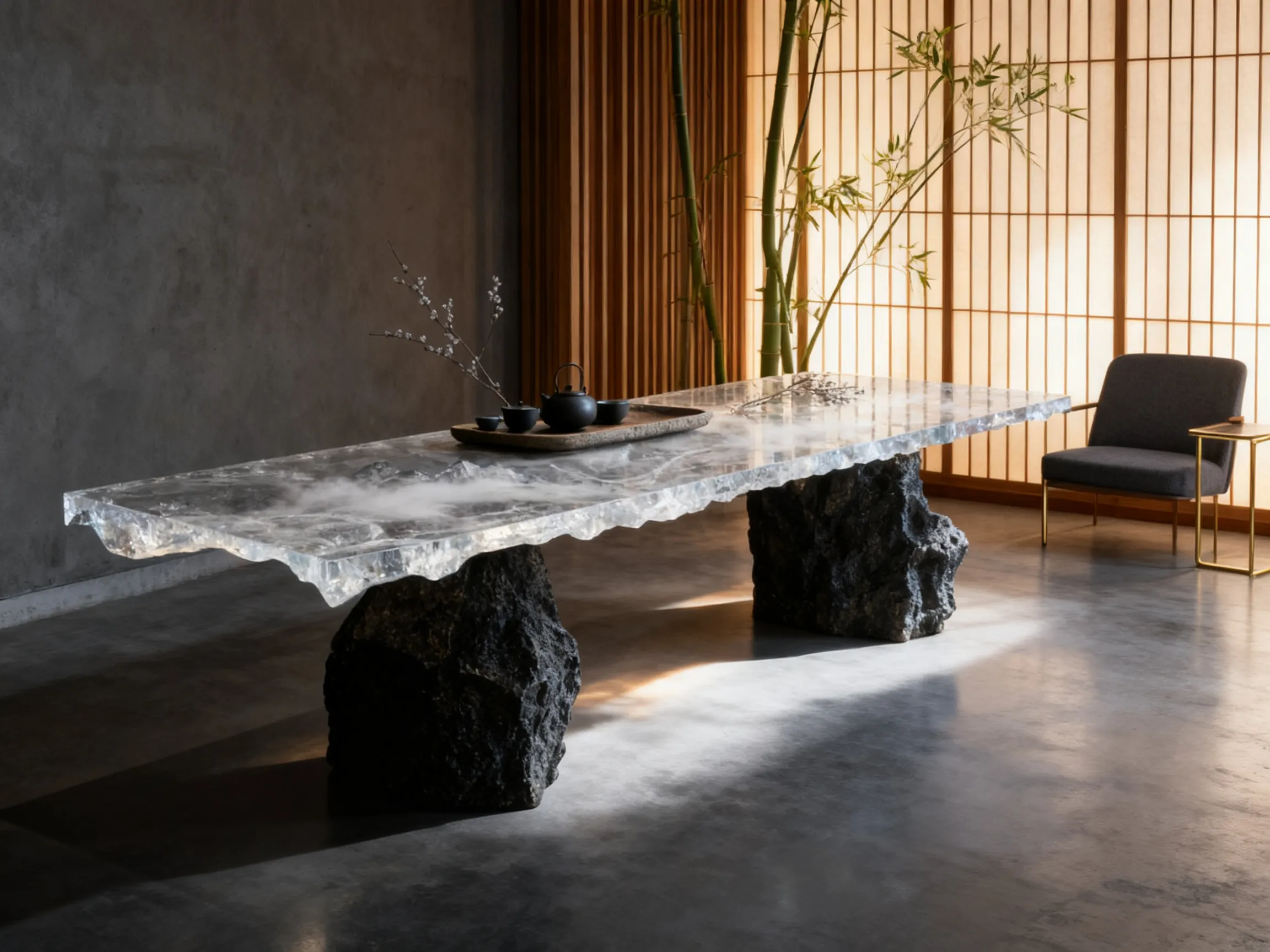
In the 2026 global manufacturing landscape, manufacturing risk management for overseas projects has become a core challenge for B2B buyers, industry experts, and C-level executives alike. As demand for synthetic crystal furniture, designer transparent furniture, acrylic furniture and decor, and high-end transparent furniture surges across commercial and hospitality sectors, teams must navigate complex supply chains, quality control gaps, and tight delivery timelines. This guide breaks down actionable strategies to mitigate supplier risks, align schedule pressures, and deliver premium transparent furniture solutions for global projects.
1. Core Risks in Overseas Transparent Furniture Manufacturing
Overseas production of modern design furniture carries unique risks that can derail even the most well-planned projects. For commercial engineering furniture project companies and high-end hotel groups, a single delay or quality issue can impact client satisfaction, budget overruns, and brand reputation.
1.1 Supplier Reliability and Quality Consistency Risks
Many teams partner with a custom furniture manufacturer without fully vetting their capacity to produce high-end transparent furniture at scale. Common quality gaps include inconsistent optical transparency of transparent materials, uneven acrylic sheet thickness, and poor furniture edge processing and polishing process.
Key supplier risks to prioritize:
Inconsistent mechanical strength of synthetic crystal materials across production batches
Lack of standardized fine processing technology of acrylic materials for custom orders
Limited experience with high-thickness acrylic structure for large-scale commercial projects
Poor communication leading to misaligned custom furniture design and development requirements
For interior designers and architects working on luxury hotel custom furniture solutions, these quality issues can result in costly reworks and damaged client relationships.
1.2 Schedule Delay Risks in Cross-Border Production
Schedule pressures are amplified in overseas manufacturing due to long lead times, customs clearance delays, and supply chain disruptions. For hotel procurement managers and commercial space design and decoration companies, delayed deliveries can push back project launch dates and incur penalty fees.
Common causes of schedule delays:
Raw material shortages for transparent resin furniture and plexiglass furniture
Unplanned production downtime due to equipment maintenance or labor gaps
Shipping port congestion and customs hold-ups for large custom synthetic crystal furniture orders
Last-minute design changes that require retooling and reprocessing
In 2026, 38% of overseas commercial furniture projects report delays of 2+ weeks due to unaddressed schedule risks, per latest industry data. These delays disproportionately impact projects involving custom design furniture with complex size and shape customization requirements.
2. Supplier Management Strategies for Premium Transparent Furniture
Effective supplier management is the foundation of successful manufacturing risk management for overseas projects. For high-end furniture brands and enterprises and custom furniture designers, selecting and partnering with the right manufacturer can eliminate 70% of common production risks.
2.1 Vetting Suppliers for Quality and Production Capacity
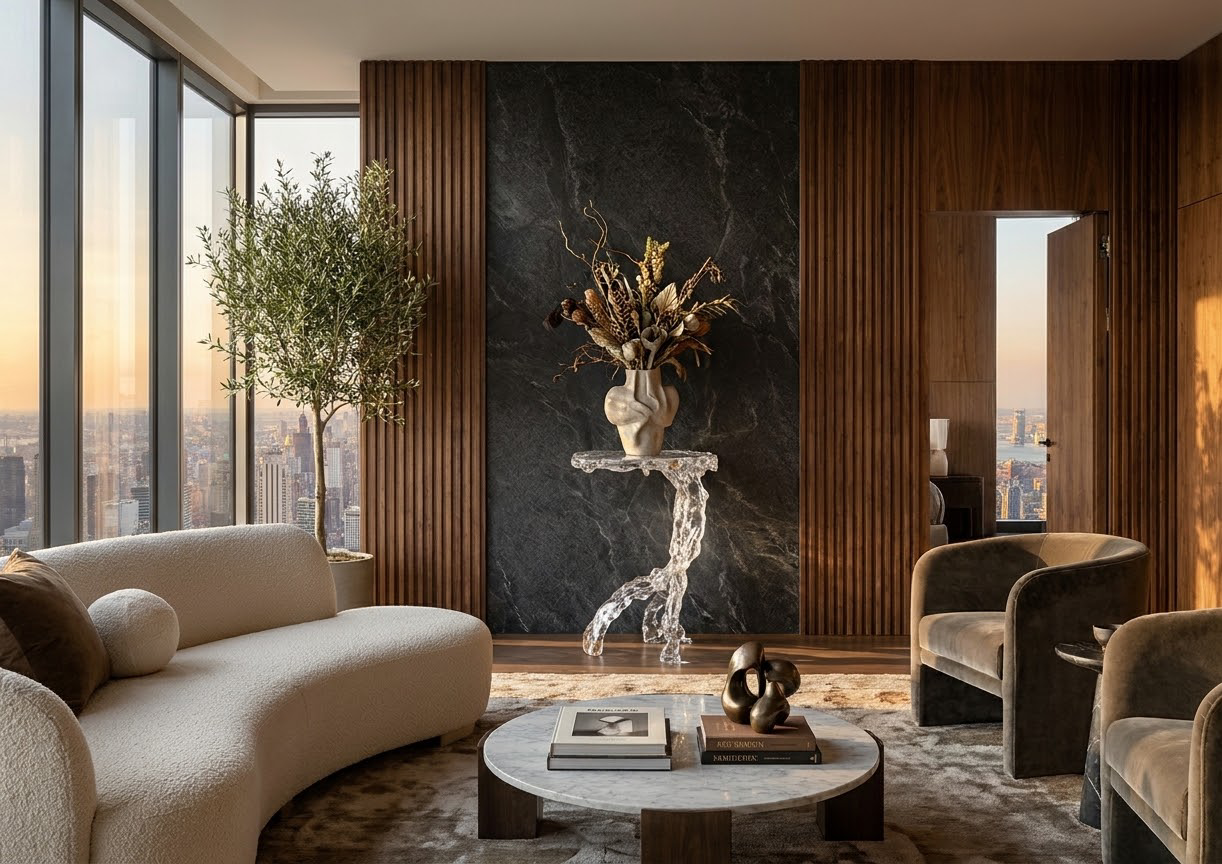
When evaluating a custom furniture manufacturer for acrylic furniture and decor, focus on verified track records with premium transparent furniture orders. Request samples of transparent coffee tables, synthetic crystal tables, acrylic chairs and stools, and transparent design console tables to assess quality firsthand.
Critical vetting criteria:
Proven experience delivering synthetic crystal furniture for commercial engineering projects
In-house capabilities for high-gloss finish on transparent surfaces and precision polishing
Capacity to handle custom furniture design and development for unique project requirements
Compliance with international safety and quality standards for transparent decorative furniture
Portfolio of work for architecture and interior design firms and luxury hotel groups
Ask for case studies of past projects, such as high-end crystal billiard tables for private clubs, synthetic crystal chandeliers for boutique hotels, transparent dining tables for fine dining restaurants, acrylic bar counters for rooftop bars, or acrylic piano accessories for luxury residential projects. These examples demonstrate a supplier’s ability to execute complex, high-end orders.
2.2 Building Long-Term Collaborative Supplier Partnerships
Transactional supplier relationships often lead to miscommunication and priority gaps. For long-term success in manufacturing risk management for overseas projects, build strategic partnerships with suppliers that align with your brand’s quality standards and project goals.
Ways to strengthen supplier collaboration:
Share 6-12 month project forecasts to help suppliers plan raw material inventory and production capacity
Assign dedicated account managers on both sides to streamline communication for custom acrylic furniture for architects and interior designers
Conduct quarterly quality audits to address gaps in the application of transparent materials in furniture design
Offer volume commitments for repeat orders to secure priority production slots
Co-develop new product lines, such as designer transparent coffee tables and decorative furniture, to drive mutual growth
For catering enterprises and chain catering groups expanding across multiple locations, long-term supplier partnerships ensure consistent quality across all outlets and faster turnaround for repeat orders of modern design furniture.
3. Schedule Pressure Mitigation for Overseas Furniture Projects
Schedule pressures are one of the top pain points for project managers overseeing overseas production of high-end transparent furniture. With careful planning and proactive risk mitigation, teams can reduce delays and keep projects on track.
3.1 Agile Production Planning and Timeline Buffers
Rigid production schedules leave no room for unexpected disruptions, which are common in cross-border manufacturing. For manufacturing risk management for overseas projects, adopt agile planning that builds in buffers for potential delays.
Agile planning best practices:
Break production into 2-3 week milestones with clear deliverables for each phase of custom synthetic crystal furniture production
Add 15-20% buffer time to the total project timeline for unforeseen issues, such as raw material delays or customs hold-ups
Conduct weekly progress check-ins with your custom furniture manufacturer to identify bottlenecks early
Prioritize critical path tasks, such as high-thickness acrylic structure fabrication, to avoid cascading delays
Have backup raw material suppliers on standby for key transparent resin furniture components
For hotel and commercial space designers working on tight launch deadlines, agile planning ensures that even minor setbacks don’t derail the overall project timeline. This approach is especially valuable for synthetic crystal furniture for modern interior spaces, where design complexity can add production time.
3.2 Logistics and Customs Optimization for Fast Delivery
Even with on-time production, poor logistics planning can cause significant delays for overseas furniture projects. For commercial engineering furniture project companies, optimizing shipping and customs processes is a key part of manufacturing risk management for overseas projects.
Logistics optimization strategies:
Partner with freight forwarders experienced in handling high-value, fragile transparent furniture to reduce damage risk
Pre-clear customs documentation 3-5 days before shipment arrives to avoid port hold-ups
Use air freight for small, high-priority orders of acrylic furniture and decor and sea freight for large bulk orders to balance cost and speed
Insure all shipments of premium furniture, including high-end crystal billiard tables and synthetic crystal chandeliers, to cover potential damage or loss
Consolidate multiple orders from the same supplier to reduce shipping costs and streamline customs clearance
In 2026, teams that optimize logistics processes reduce average delivery times by 22% compared to teams that use standard shipping methods, per industry benchmarks. This is a critical advantage for projects with strict launch deadlines, such as new hotel openings or retail store launches.
4. Quality Control Frameworks for Transparent Furniture
Quality issues are a major source of risk in overseas furniture manufacturing, especially for premium products like designer transparent furniture that require precise craftsmanship. A robust quality control framework ensures that every piece meets your brand’s standards.
4.1 Pre-Production and In-Line Quality Inspections
Preventing quality issues early is far more cost-effective than fixing them after production is complete. For manufacturing risk management for overseas projects, implement multi-stage inspections throughout the production process.
Key inspection checkpoints:
Raw material inspection: Verify acrylic sheet thickness, optical transparency of transparent materials, and mechanical strength of synthetic crystal materials before production starts
First-piece inspection: Approve the first sample of each product, such as transparent dining tables or acrylic bar counters, before full production begins
In-line inspection: Check furniture edge processing and polishing process and high-gloss finish on transparent surfaces at 30%, 60%, and 90% production milestones
Customization verification: Confirm furniture size and shape customization matches design specifications for custom design furniture
Packaging inspection: Ensure proper protective packaging for fragile transparent decorative furniture to prevent damage during shipping
For custom acrylic furniture for architects and interior designers, pre-production 3D prototypes and sample reviews help align expectations and reduce the risk of design misinterpretation. This step is especially important for complex pieces that require fine processing technology of acrylic materials.
4.2 Final Quality Assurance and Acceptance Standards
Before shipment, conduct a comprehensive final inspection to ensure every piece meets your quality standards. This final check is the last line of defense against quality issues in manufacturing risk management for overseas projects.
Final quality acceptance criteria:
100% visual inspection for scratches, bubbles, or discoloration on all transparent surfaces
Dimensional accuracy check for custom furniture design and development projects, with tolerance of ±1mm for precision pieces
Load testing for structural pieces like acrylic chairs and stools and transparent design console tables to ensure safety and durability
Functionality testing for moving parts, such as drawers in synthetic crystal tables or adjustable height features
Compliance with international safety standards for commercial use, including fire resistance and weight capacity ratings
For high-end hotel groups and luxury hotel custom furniture solutions, third-party inspection services can provide an extra layer of assurance and documentation for hotel procurement managers and stakeholders.
5. Tailored Solutions for Key Client Segments
Different client segments have unique risk profiles and priorities when it comes to overseas furniture manufacturing. Tailoring your risk management strategy to each segment’s needs drives better outcomes and stronger client relationships.
5.1 Solutions for Architects, Interior Designers, and Design Firms
For architects, interior designers, and architecture and interior design firms, the biggest risks are design misalignment and quality issues that don’t match their creative vision. Custom acrylic furniture for architects and interior designers requires close collaboration and precise execution.
Tailored risk mitigation for design professionals:
Dedicated design liaison to translate creative concepts into manufacturable specifications for synthetic crystal furniture for modern interior spaces
3D rendering and prototype approval before full production to validate design intent
Flexible small-batch production for boutique projects featuring designer transparent coffee tables and decorative furniture
Access to exclusive material options, including colored acrylic and textured transparent resin furniture
On-site installation support for complex pieces like synthetic crystal chandeliers or high-end crystal billiard tables
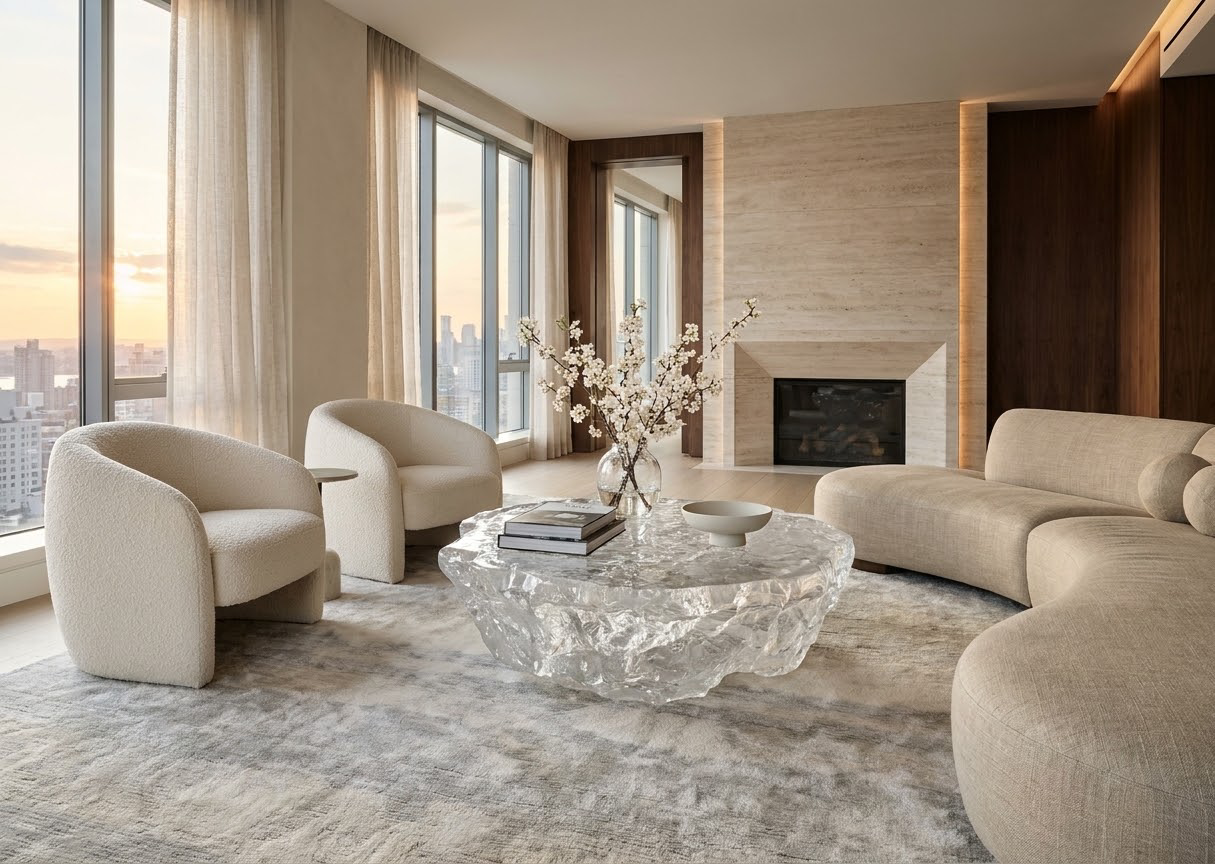
The advantages of transparent furniture in interior design—including space optimization, light reflection, and modern aesthetic—make these products highly sought after by design professionals. By addressing their unique risks, you position your brand as a trusted partner for premium design projects.
5.2 Solutions for Commercial and Hospitality Project Stakeholders
For commercial engineering furniture project companies, commercial space design and decoration companies, high-end hotel groups, and catering enterprises and chain catering groups, the top risks are schedule delays and inconsistent quality across large volume orders.
Tailored risk mitigation for commercial and hospitality clients:
Dedicated project management teams for large-scale synthetic crystal furniture for commercial engineering projects
Volume production capacity to fulfill orders for 500+ pieces of acrylic furniture and decor for hotel chains or restaurant groups
Phased delivery schedules to align with construction timelines for new build or renovation projects
Compliance with hospitality industry standards for durability, safety, and ease of maintenance
After-sales support, including repair and replacement services for damaged transparent furniture post-installation
For hotel designers and hotel procurement managers, luxury hotel custom furniture solutions that combine premium quality, on-time delivery, and cost efficiency are critical to project success. This includes everything from transparent dining tables for hotel restaurants to acrylic bar counters for lobby bars and acrylic piano accessories for luxury suites.
6. 2026 and Beyond: Future-Proofing Your Overseas Manufacturing Strategy
As the global furniture market evolves, manufacturing risk management for overseas projects must adapt to new trends and challenges. Teams that future-proof their strategies will stay ahead of the competition and deliver consistent value to clients.
6.1 Leveraging Technology for Enhanced Risk Visibility
Digital tools are transforming how teams manage overseas manufacturing risks. In 2026, leading high-end furniture brands and enterprises are using technology to gain real-time visibility into production and supply chain processes.
Key technology solutions to adopt:
Cloud-based production tracking platforms that provide real-time updates on custom synthetic crystal furniture orders
AI-powered quality control tools that use image recognition to detect defects in transparent surfaces and fine processing technology of acrylic materials
Digital twin technology that simulates production processes to identify bottlenecks before they cause delays
Blockchain for supply chain transparency to verify the origin and quality of raw materials for plexiglass furniture and transparent resin furniture
Virtual factory tours and remote inspection tools to reduce travel costs and improve audit frequency
These technologies help teams proactively identify and address risks, reducing the likelihood of delays or quality issues. For custom furniture designers and project managers, real-time data enables faster decision-making and more accurate timeline forecasting.
6.2 Sustainable and Resilient Supply Chain Planning
Sustainability and supply chain resilience are top priorities for 2026 and beyond. For manufacturing risk management for overseas projects, building resilient, sustainable supply chains reduces risk while meeting client demand for eco-friendly products.
Strategies for sustainable, resilient supply chains:
Diversify your supplier base across 2-3 regions to reduce the impact of regional disruptions on high-end transparent furniture production
Source recycled and eco-friendly acrylic materials to meet sustainability requirements for commercial and hospitality projects
Implement circular economy practices, such as recycling production scrap and offering take-back programs for old transparent decorative furniture
Invest in local warehousing in key markets to reduce lead times and shipping emissions
Partner with suppliers that have certified sustainable manufacturing practices and low carbon footprints
For clients like high-end hotel groups and commercial space design and decoration companies, sustainable furniture options are no longer a nice-to-have but a requirement for meeting their own ESG goals. By integrating sustainability into your risk management strategy, you tap into a fast-growing market segment while building long-term supply chain resilience.
In conclusion, effective manufacturing risk management for overseas projects requires a holistic approach that combines strong supplier management, proactive schedule planning, rigorous quality control, tailored client solutions, and forward-thinking technology adoption. By addressing supplier management and schedule pressures head-on, teams can deliver premium synthetic crystal furniture, designer transparent furniture, acrylic furniture and decor, and high-end transparent furniture that meets the highest standards of quality, design, and timeliness. For industry experts, B2B buyers, mid-level professionals, small business owners, marketing managers, and C-level executives alike, these strategies drive better project outcomes, stronger client relationships, and long-term business growth in the 2026 global furniture market.
READ MORE:
- How Synthetic Crystal Furniture Reduces Dimensional Deviation, Surface Defects, and Manufacturing Rework From 3D Design to Physical Pieces
- Engineering Complex-Shaped Synthetic Crystal Furniture: Solving Structural Design, Material Adaptation, and Prototype Validation Challenges
- How to Reduce Manufacturing Risks in Custom Furniture Projects: From Factory Selection and Quality Consistency to Delivery Delay Management
- Execution Risk Management for Architectural Projects: How to Control Design Changes, Manufacturing Accuracy, and Delivery Schedules?
- Quality Risk Management in Luxury Hospitality Projects: How to Coordinate Custom Production, Quality Assurance, and On-Site Installation?
- Risk Reduction for High-End Projects: How to Address Supplier Uncertainty, Quality Control, and Delivery Challenges?
- Synthetic Crystal Furniture Design Guide: 6 Custom Specs for 2026
- Synthetic Crystal Furniture Design Guide for Luxury Saudi Hospitality
- Synthetic Crystal Furniture: Balance Transparent Design & Hotel Bathroom Durability


