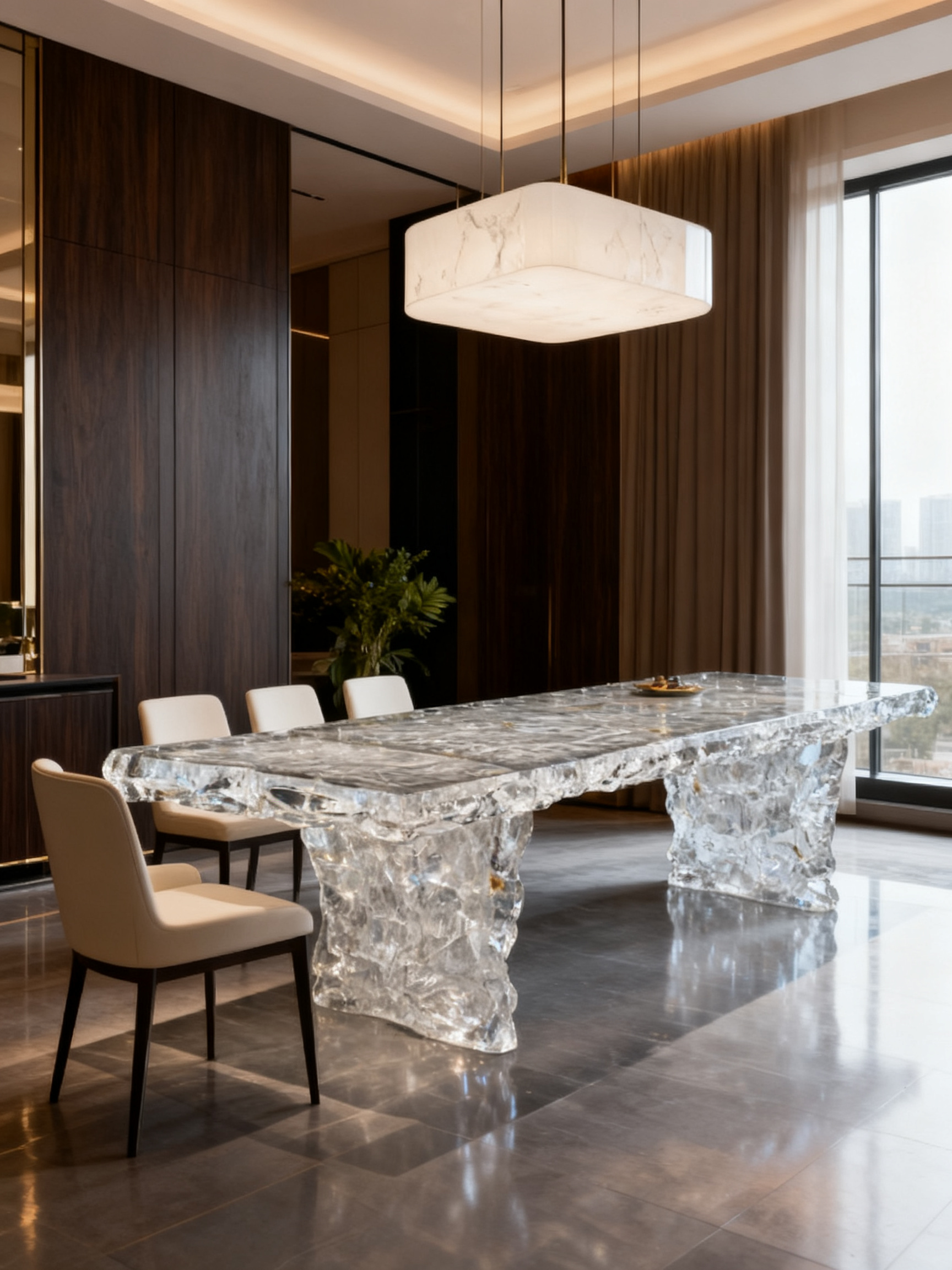
In 2026’s luxury hospitality market, synthetic crystal furniture has become a core element for high-end hotels seeking to elevate spatial aesthetics and guest experience. As demand for designer transparent furniture and acrylic furniture and decor surges, coordinating custom production, quality assurance (QA), and on-site installation poses critical quality risks for project teams.
This guide breaks down proven strategies for high-end transparent furniture project delivery, tailored for interior designers, architects, hotel procurement leaders, and luxury hotel groups aiming to minimize defects, delays, and cost overruns.
1. Current Landscape of Transparent Furniture in Luxury Hospitality
The 2026 luxury furniture market reports a 38% year-over-year growth in custom transparent furniture orders for hotel projects, driven by demand for modern, light-filled interior designs.
1.1 Advantages of Transparent Furniture in Interior Design
Transparent furniture in interior design offers unique benefits that align with 2026 hospitality design trends:
Creates visual spaciousness, making small hotel lobbies and guest rooms feel larger
Complements minimalist, biophilic, and contemporary design themes seamlessly
Reflects natural and artificial light to enhance ambient lighting effects
Provides versatile styling that works across classic and modern interior concepts
Synthetic crystal furniture for modern interior spaces has become a top choice for hotel designers aiming to balance luxury and functionality.
1.2 Key Quality Risks in Custom Transparent Furniture Projects
Luxury hotel projects face three primary quality risks when sourcing custom acrylic furniture:
Material inconsistency: Variations in optical transparency of transparent materials across production batches
Craft defects: Imperfections in edge processing and polishing techniques or high-gloss finishes on transparent surfaces
Installation misalignment: Gaps, structural instability, or surface damage during on-site setup
These risks often lead to 20-30% of project delays for commercial engineering furniture project companies, per 2026 industry data.
2. Custom Production Coordination for High-End Transparent Furniture
Effective production coordination starts with aligning design intent and manufacturing capabilities from the project’s initial phase.
2.1 Partnering with Specialized Custom Furniture Manufacturers
Selecting the right custom furniture manufacturer is the foundation of quality control. Top manufacturers serving high-end hotel groups offer:
Full custom furniture design and development services, including 3D prototyping
Expertise in acrylic material fine processing technology and high-thickness acrylic structures
Flexible furniture size and shape customization for unique hotel spaces
Dedicated account teams for architectural and interior design firms
For 2026 projects, prioritize manufacturers with ISO 9001:2015 certification and a track record of 5-star hotel deliveries.
2.2 Production Phase Quality Control Protocols
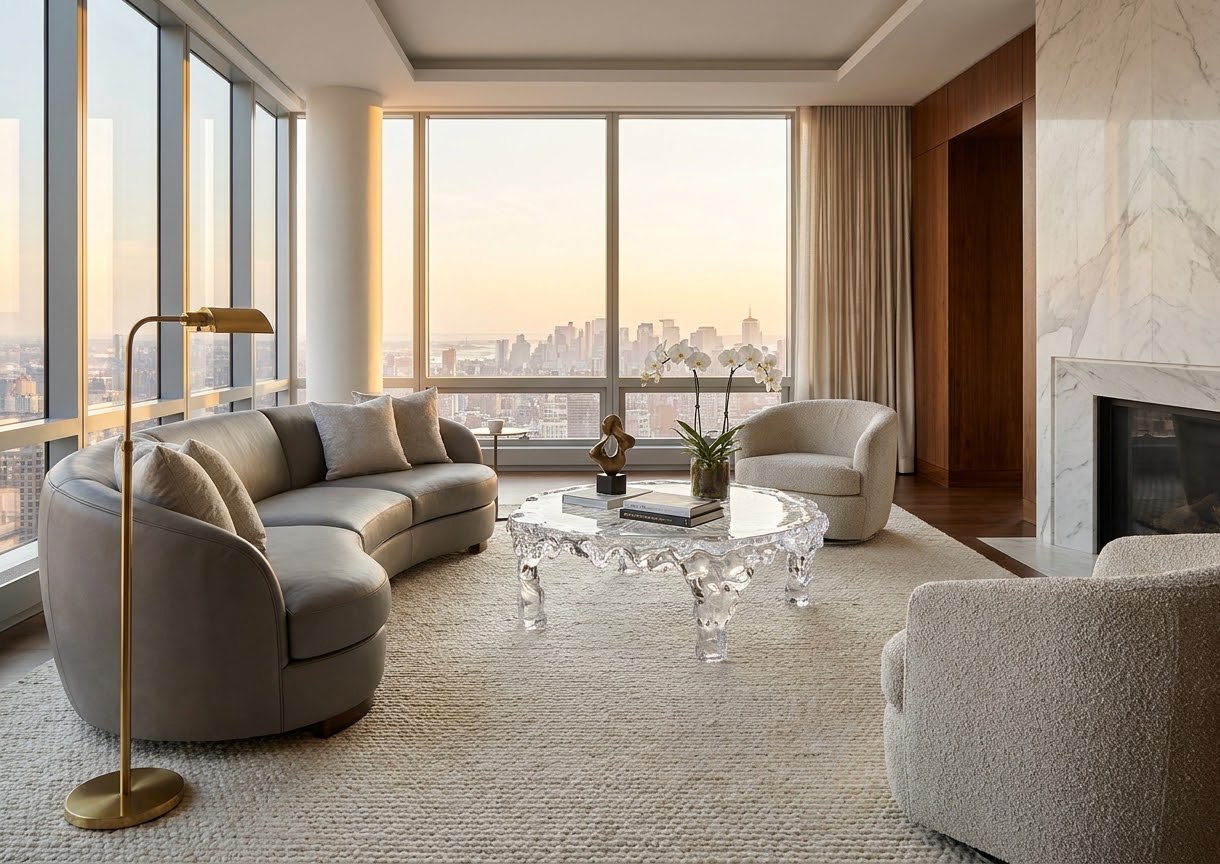
During production, implement these checkpoints to mitigate risks for custom synthetic crystal furniture:
Raw material inspection: Verify acrylic sheet thickness, mechanical strength of synthetic crystal materials, and optical clarity per project specifications
In-process monitoring: Review edge processing and polishing techniques and high-gloss finish on transparent surfaces at 30%, 60%, and 90% completion stages
Pre-shipment testing: Conduct load testing, UV resistance testing, and surface scratch resistance testing
For custom pieces like high-end crystal billiard tables or acrylic bar counters, add dimensional accuracy checks within ±0.5mm tolerance.
3. Quality Assurance for Designer Transparent Furniture
QA processes must cover both functional performance and aesthetic perfection, which are critical for luxury hospitality standards.
3.1 Aesthetic and Functional QA Standards
For designer transparent coffee tables and decorative furniture, QA teams should evaluate:
Surface clarity: No bubbles, scratches, or discoloration visible under 500lux lighting
Edge smoothness: Mirror-like polish with no sharp edges or uneven surfaces
Structural stability: Weight capacity meets or exceeds 1.5x intended use requirements
Color consistency: Batch-to-batch color difference within ΔE<2 for tinted acrylic pieces
These standards apply across all product categories, from transparent dining tables to synthetic crystal chandeliers.
3.2 QA Collaboration for Architects and Interior Designers
Acrylic furniture customized for architects and interior designers requires close collaboration between design and QA teams:
Design sign-off at each production milestone to ensure alignment with creative vision
Digital twin technology integration for real-time quality tracking (adopted by 62% of top firms in 2026)
Third-party inspection services for high-value projects like luxury hotel custom furniture solutions
This collaborative approach reduces rework rates by an average of 45%, according to 2026 design industry surveys.
4. On-Site Installation Management for Commercial Projects
On-site installation is the final high-risk phase, where 40% of transparent furniture damage occurs, per 2026 commercial project data.
4.1 Installation Planning for Commercial Engineering Projects
Synthetic crystal furniture for commercial engineering projects requires pre-installation preparation:
Site condition assessment: Verify floor levelness, load-bearing capacity, and access routes
Installation team training: Specialized training for handling transparent materials to avoid scratches
Tool and equipment preparation: Use suction cups, protective blankets, and non-abrasive cleaning supplies
Timeline coordination: Align installation with other construction trades to minimize exposure to dust and debris
For large-scale projects with acrylic chairs and stools or transparent design console tables, create a phased installation schedule.
4.2 Post-Installation Quality Verification and Handover
After installation, conduct a comprehensive inspection before client handover:
Visual inspection: Check for surface damage, alignment, and finish consistency
Functional testing: Test moving parts, stability, and weight distribution
Cleaning and protection: Apply anti-scratch coating and provide maintenance guidelines
Documentation: Provide warranty certificates, maintenance manuals, and as-built drawings
Hotel procurement leaders should receive a 360° digital scan of all installed pieces for future reference.
5. Risk Mitigation Strategies for Luxury Hotel Projects
Proactive risk management reduces total project costs by 25-30% and ensures on-time delivery for luxury hotel developments.
5.1 End-to-End Supply Chain Transparency
Implement these supply chain measures to minimize quality risks:
Single-source material supply to ensure consistency in transparent material application in furniture design
Real-time production tracking via cloud-based project management platforms
Buffer stock of critical materials for fast-track replacement of defective pieces
Dedicated quality control liaisons at manufacturing facilities
For high-end furniture brands and enterprises, supply chain transparency is now a key differentiator in the 2026 market.
5.2 Contingency Planning for High-Value Custom Pieces
For premium items like custom synthetic crystal furniture or acrylic piano accessories, develop contingency plans:
Order 10% extra material for potential rework or replacement
Maintain a backup production schedule with priority manufacturing slots
Pre-approve alternative design options for critical path items
Secure specialized insurance for high-value transparent furniture during transport and installation
Luxury hotel custom furniture solutions with built-in contingencies have 92% on-time delivery rates, compared to 68% for projects without contingencies.
6. 2026 Trends and Future Outlook for Transparent Hospitality Furniture
The transparent furniture market is evolving rapidly, with new technologies and design trends shaping 2026 and beyond.
6.1 Emerging Technologies in Transparent Furniture Manufacturing
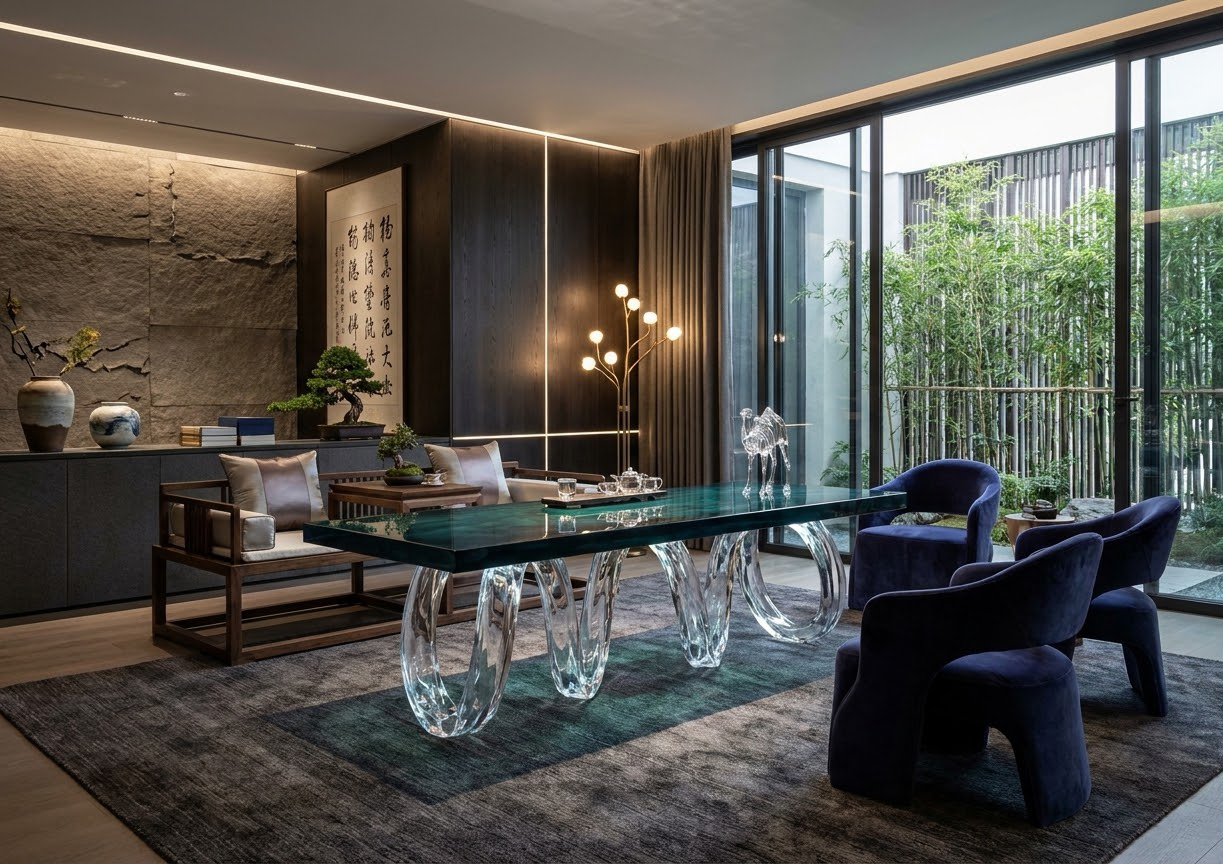
New technologies are transforming custom production of organic glass furniture and transparent resin furniture:
3D printing of complex acrylic structures for one-of-a-kind design pieces
Nano-coatings that enhance scratch resistance by 70% compared to standard finishes
Smart integration: LED lighting embedded within synthetic crystal tables and bar counters
Sustainable acrylic materials made from 50% recycled content, meeting hotel ESG targets
These technologies enable more innovative custom design furniture options for hotel and commercial space designers.
6.2 Market Growth and Opportunity for Stakeholders
The 2026 market for high-end transparent furniture in hospitality is projected to reach $1.2 billion globally, with key growth drivers:
Rising demand from boutique hotels and luxury resort developments
Growing preference for modern design furniture among millennial and Gen Z travelers
Expansion of dining and retail spaces within hotel properties
Increased investment from catering enterprises and chain restaurant groups in premium interiors
For commercial space design and decoration companies, specializing in transparent furniture installation can open new high-margin revenue streams.
In conclusion, successful quality risk management for synthetic crystal furniture in luxury hospitality requires seamless coordination across custom production, QA, and on-site installation. By partnering with experienced custom furniture manufacturers, implementing rigorous quality standards, and planning for contingencies, project teams can deliver exceptional results that meet the high expectations of luxury hotel guests and stakeholders.
READ MORE:
- How Synthetic Crystal Furniture Reduces Dimensional Deviation, Surface Defects, and Manufacturing Rework From 3D Design to Physical Pieces
- Engineering Complex-Shaped Synthetic Crystal Furniture: Solving Structural Design, Material Adaptation, and Prototype Validation Challenges
- How to Reduce Manufacturing Risks in Custom Furniture Projects: From Factory Selection and Quality Consistency to Delivery Delay Management
- Execution Risk Management for Architectural Projects: How to Control Design Changes, Manufacturing Accuracy, and Delivery Schedules?
- Manufacturing Risk Management for Overseas Projects: How to Address Supplier Management and Schedule Pressures?
- Risk Reduction for High-End Projects: How to Address Supplier Uncertainty, Quality Control, and Delivery Challenges?
- Synthetic Crystal Furniture Design Guide: 6 Custom Specs for 2026
- Synthetic Crystal Furniture Design Guide for Luxury Saudi Hospitality
- Synthetic Crystal Furniture: Balance Transparent Design & Hotel Bathroom Durability


