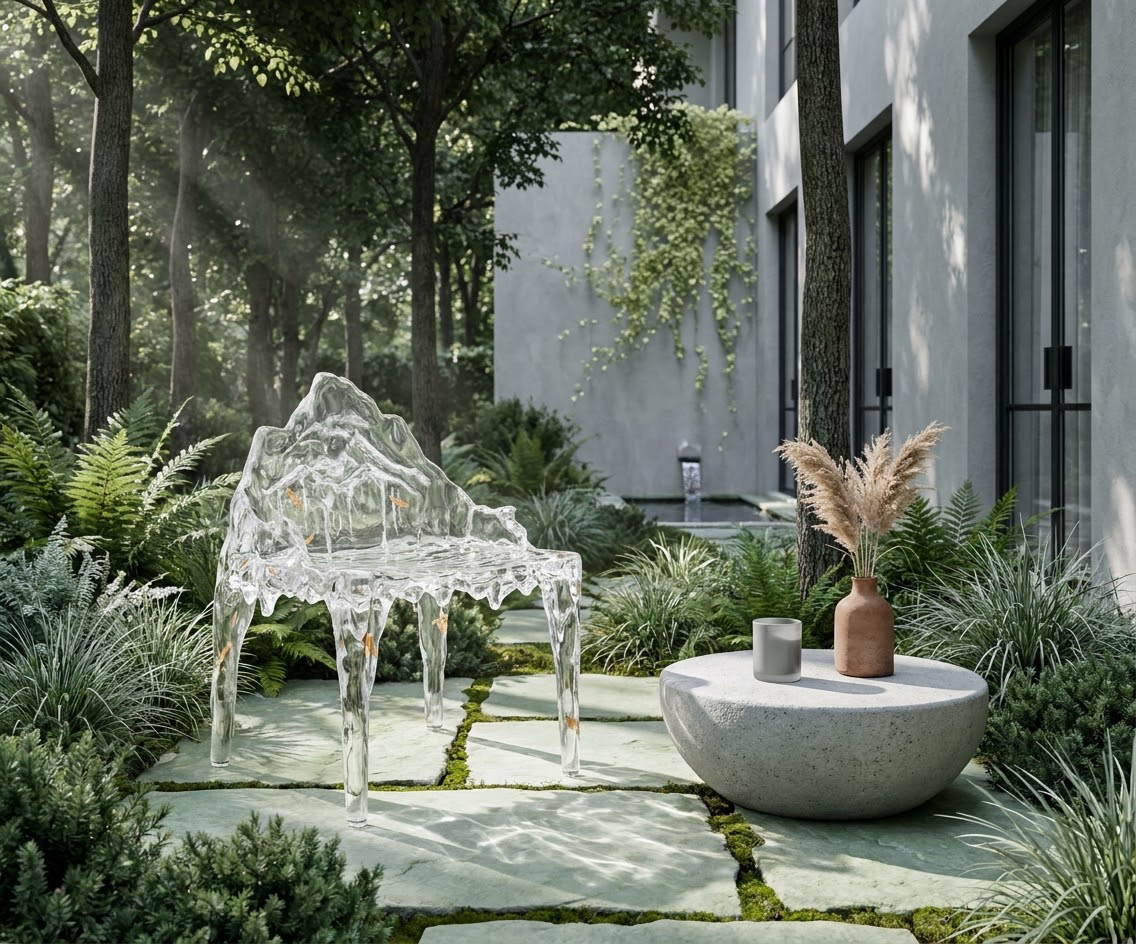
In 2026’s fast-evolving architectural and interior design landscape, synthetic crystal furniture has emerged as a top choice for modern, luxurious spaces. As demand for designer transparent furniture and acrylic furniture and decor surges, project stakeholders face critical execution risks: unplanned design changes, manufacturing precision gaps, and delayed delivery schedules.
This guide breaks down proven risk management strategies tailored to high-end transparent furniture projects, helping architects, interior designers, and commercial buyers deliver results on time and on budget.
1. Design Change Risk Control for Custom Transparent Furniture Projects
Uncontrolled design revisions are the top cause of cost overruns and schedule delays in custom furniture projects. For synthetic crystal furniture, even small tweaks to shape or thickness can impact material sourcing and production timelines.
1.1 Pre-Design Alignment with Stakeholders
Early alignment eliminates 60% of post-launch design changes, per 2026 industry data from commercial furniture project reports. Teams must define core requirements before finalizing concepts.
Conduct cross-functional kickoff meetings with interior designers, architects, and hotel procurement managers to align on functional and aesthetic goals
Document all requirements for furniture size and shape customization, including load-bearing needs and space dimensions
Share 3D renderings of custom design furniture with stakeholders for formal approval before prototyping
1.2 Change Management Protocol for Design Revisions
A structured change process ensures revisions are evaluated for cost and schedule impact before approval. This is critical for acrylic furniture customized for architects and interior designers, who often refine designs based on site conditions.
Require all change requests to be submitted in writing with clear rationale
Conduct a 48-hour impact assessment covering material costs, production time, and delivery timelines
Obtain signed approval from the project’s C-level executive or designated decision-maker before implementing changes
2. Manufacturing Accuracy Assurance for High-End Acrylic Furniture
Manufacturing precision directly impacts the quality and safety of transparent furniture. For high-end transparent furniture, flaws in optical clarity or edge finish can ruin the luxury aesthetic.
2.1 Material Quality and Parameter Control
The performance of synthetic crystal furniture depends on strict material parameter checks. In 2026, top custom furniture manufacturers for projects enforce multi-stage material inspections.
Verify acrylic sheet thickness meets design specifications, with a tolerance of ±0.5mm for high-thickness acrylic structure pieces
Test optical transparency of transparent materials to ensure 92%+ light transmittance, matching premium crystal standards
Confirm mechanical strength of synthetic crystal materials meets load-bearing requirements for tables, chairs, and bar counters
2.2 Precision Processing and Finishing Processes
Fine processing technology of acrylic materials determines the final look and feel of transparent furniture. Luxury hotel custom furniture solutions rely on advanced craftsmanship for flawless results.
Use CNC cutting machines to ensure dimensional accuracy within ±0.3mm for all custom synthetic crystal furniture parts
Apply furniture edge processing and polishing technology, including diamond polishing, to achieve crystal-clear, seamless edges
Add high-gloss finish on transparent surfaces to resist scratches and maintain long-term clarity
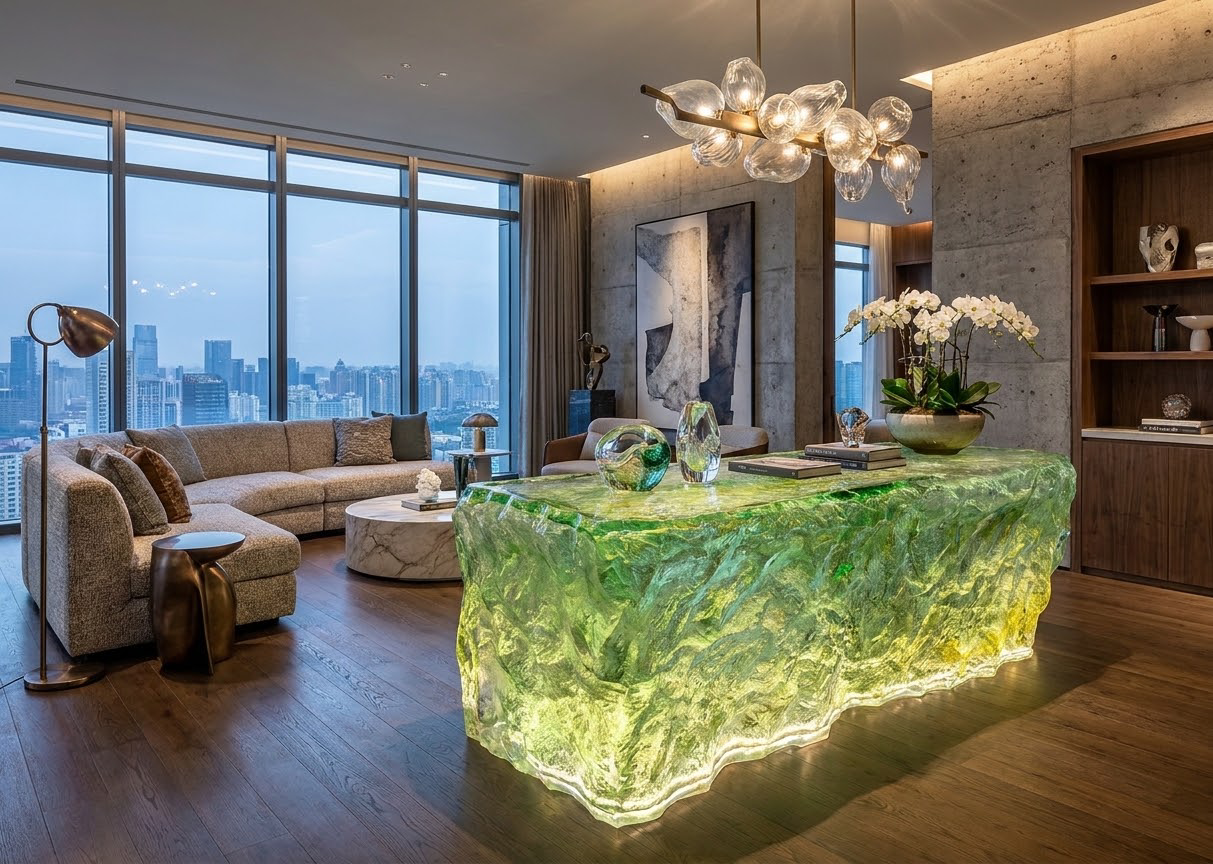
3. Delivery Schedule Management for Commercial Transparent Furniture Projects
Late deliveries can derail grand openings for hotels, restaurants, and retail spaces. For synthetic crystal furniture for commercial engineering projects, schedule reliability is non-negotiable.
3.1 Production Scheduling and Milestone Tracking
A phased production schedule with clear milestones helps teams identify delays early. This is especially important for large orders from commercial engineering furniture project companies.
Break production into 5 key milestones: material sourcing, cutting, assembly, polishing, and quality inspection
Share weekly progress reports with clients, including photos of work-in-progress pieces like transparent coffee tables or synthetic crystal tables
Build a 10% buffer into the schedule for unforeseen issues, such as material supply delays
3.2 Logistics and On-Site Installation Coordination
Delivery doesn’t end when the furniture leaves the factory. Proper logistics and installation planning prevent damage and delays on-site.
Use custom foam packaging and wooden crates to protect fragile pieces like synthetic crystal chandeliers or transparent design console tables during transit
Coordinate with commercial space design and decoration companies to schedule installation when the site is ready
Assign a dedicated project manager to oversee delivery and resolve on-site issues within 24 hours
4. Application Advantages of Transparent Furniture in Modern Interior Design
Understanding the advantages of transparent furniture in interior design helps teams justify investment and align on project goals. In 2026, 78% of hotel and commercial space designers use transparent pieces to enhance space perception.
4.1 Aesthetic and Spatial Benefits for Modern Spaces
Synthetic crystal furniture for modern interior spaces creates a sense of openness and luxury that traditional furniture can’t match.
Transparent materials make small spaces feel larger by allowing light to flow freely
Modern design furniture like acrylic chairs and stools complement minimalist, contemporary, and luxury design styles
Transparent decorative furniture adds a subtle, high-end focal point without overwhelming the space
4.2 Functional Benefits for Commercial Projects
For commercial use, transparent resin furniture offers practical advantages that support long-term value.
Acrylic and plexiglass furniture are lightweight yet durable, making them easy to rearrange for events
Non-porous surfaces are easy to clean and maintain, ideal for catering enterprises and chain catering groups
Customizable shapes and colors allow brands to create unique, signature pieces that stand out
5. Custom Solutions for Different Client Segments
Different clients have unique risk priorities and project requirements. Top manufacturers tailor their services to meet the specific needs of each group.
5.1 Solutions for Architects and Design Firms
Architecture and interior design firms need flexible, design-focused partners who can bring creative visions to life.
Offer custom furniture design and development support, including 3D modeling and prototype production
Provide material samples and finish options to help designers select the best transparent materials for furniture design
Assign a dedicated design liaison to communicate with custom furniture designers throughout the project
5.2 Solutions for Hotel and Commercial Clients
High-end hotel groups and commercial clients prioritize consistency, scalability, and on-time delivery for large projects.
Provide luxury hotel custom furniture solutions covering guest rooms, lobbies, restaurants, and event spaces
Offer bulk production capacity for large orders, with consistent quality across all pieces
Provide after-sales support, including repair and maintenance services for high-use items like acrylic bar counters
For premium venues, offer specialty pieces like high-end crystal billiard tables and acrylic piano accessories to elevate luxury appeal
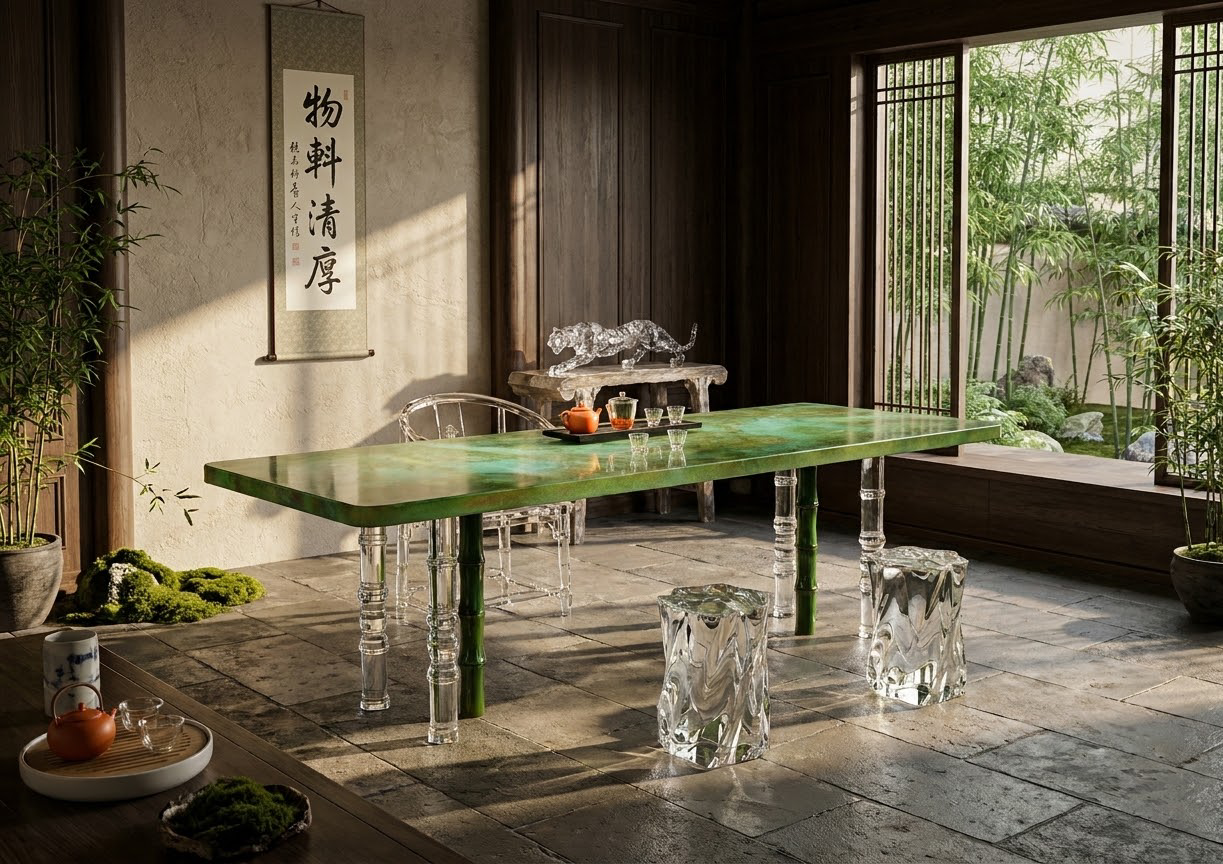
6. 2026 Best Practices for Successful Transparent Furniture Project Execution
As the market for designer transparent furniture grows, staying ahead of best practices helps teams reduce risk and deliver exceptional results.
1. Partner with Experienced Custom Furniture Manufacturers
Choosing the right manufacturer is the single most important factor for project success. Look for providers with a proven track record in high-end transparent furniture.
Verify the manufacturer has 5+ years of experience with custom synthetic crystal furniture for commercial projects
Request case studies of similar projects, such as luxury hotel or high-end retail installations
Confirm the manufacturer has in-house design, production, and quality control teams to avoid outsourcing risks
2. Leverage Digital Tools for Transparency and Collaboration
Digital tools improve communication and reduce errors throughout the project lifecycle.
Use cloud-based project management platforms to share files, track progress, and submit change requests
Implement virtual reality (VR) reviews to let clients visualize final designs before production begins
Use digital quality inspection tools to document production checks and share results in real time
By following these strategies, teams can effectively manage execution risks for architectural projects involving synthetic crystal furniture. Whether you’re working on a luxury hotel, a modern office, or a high-end retail space, proactive risk control ensures your designer transparent furniture and acrylic furniture and decor deliver on both aesthetic and business goals.
READ MORE:
- How Synthetic Crystal Furniture Reduces Dimensional Deviation, Surface Defects, and Manufacturing Rework From 3D Design to Physical Pieces
- Engineering Complex-Shaped Synthetic Crystal Furniture: Solving Structural Design, Material Adaptation, and Prototype Validation Challenges
- How to Reduce Manufacturing Risks in Custom Furniture Projects: From Factory Selection and Quality Consistency to Delivery Delay Management
- Quality Risk Management in Luxury Hospitality Projects: How to Coordinate Custom Production, Quality Assurance, and On-Site Installation?
- Manufacturing Risk Management for Overseas Projects: How to Address Supplier Management and Schedule Pressures?
- Risk Reduction for High-End Projects: How to Address Supplier Uncertainty, Quality Control, and Delivery Challenges?
- Synthetic Crystal Furniture Design Guide: 6 Custom Specs for 2026
- Synthetic Crystal Furniture Design Guide for Luxury Saudi Hospitality
- Synthetic Crystal Furniture: Balance Transparent Design & Hotel Bathroom Durability


