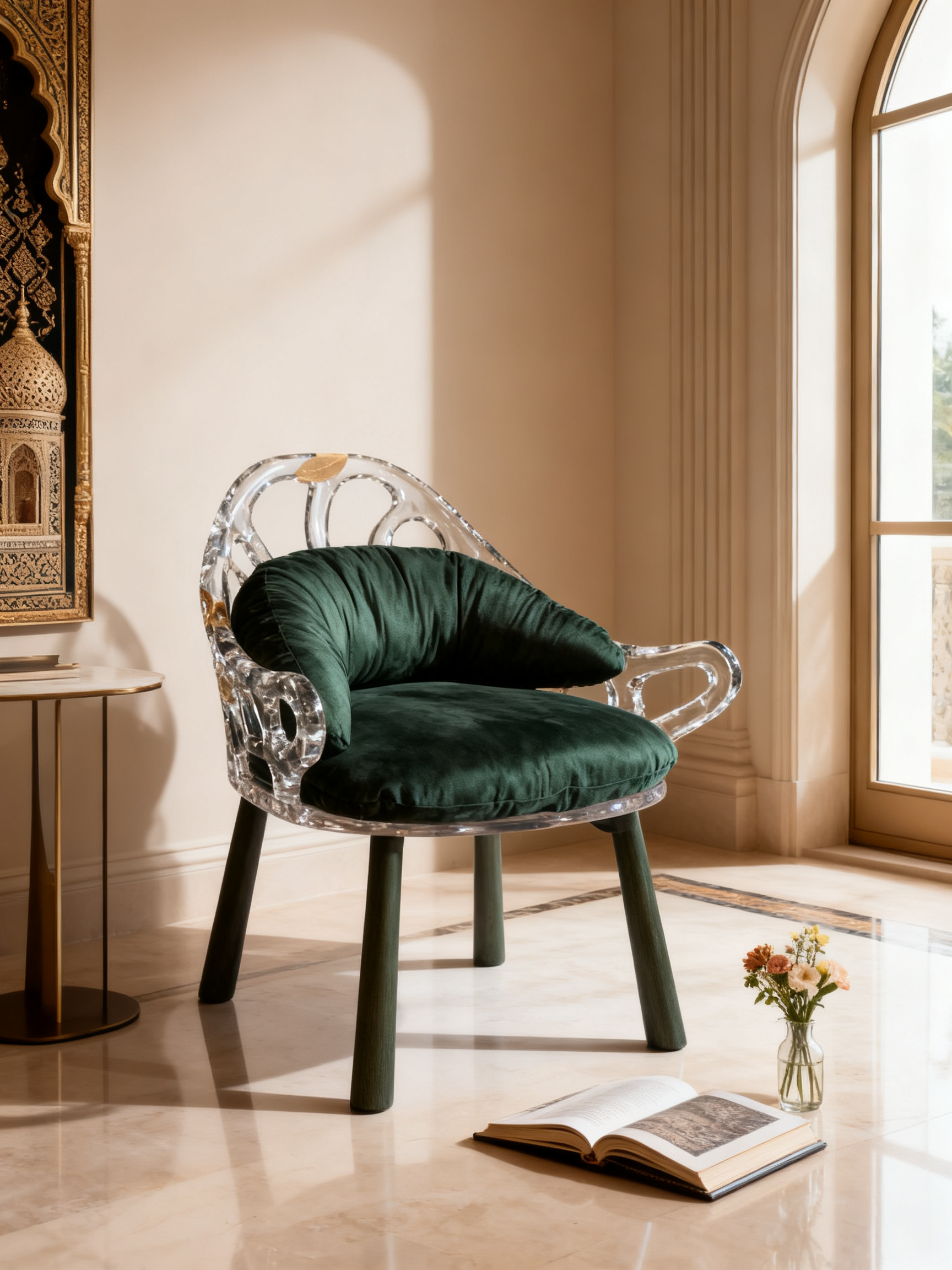
Custom furniture projects, especially those involving acrylic furniture and decor and high-end transparent pieces, carry unique manufacturing risks that can derail timelines and budgets. As of 2026, the global custom furniture market has grown to $187.3 billion, with 32% of projects experiencing cost overruns of 15% or more due to poor manufacturing oversight.
This guide provides actionable strategies for reducing risks across every stage of custom furniture production, whether you're an interior designer, hotel procurement manager, or commercial project director.
1. Strategic Factory Selection for Custom Furniture Manufacturing
Choosing the right manufacturing partner is the foundation of risk mitigation in custom furniture projects. A 2026 industry report shows that 47% of custom furniture failures stem from inadequate factory vetting.
1.1 Key Evaluation Criteria for Custom Furniture Manufacturers
When assessing potential partners, focus on these critical factors:
Specialization: Verify experience with synthetic crystal furniture and transparent materials specifically
Capacity: Confirm production volume capabilities match your project scale
Certifications: Check for ISO 9001, ISO 14001, and relevant material safety certifications
Portfolio: Review past projects with design-focused transparent furniture for similar clients
Communication: Evaluate responsiveness and English proficiency for international projects
For luxury hotel custom furniture solutions, factories must demonstrate experience with high-volume, high-prestige projects. Request references from high-end hotel groups and hospitality design firms to validate claims.
1.2 Red Flags to Avoid in Furniture Manufacturing Partners
Watch for these warning signs during the selection process:
Unwillingness to provide factory tours or virtual inspections
Prices significantly below market average (often indicating cutting corners)
Lack of dedicated quality control teams
Limited experience with custom synthetic crystal furniture
Poor documentation of material sourcing and processing
Always conduct on-site or virtual factory audits before signing contracts. For architects and interior designers custom acrylic furniture projects, verify the factory has dedicated design collaboration teams.
2. Ensuring Quality Consistency in Transparent Furniture Production
Quality consistency is the biggest challenge in synthetic crystal furniture manufacturing. Even minor defects in transparent materials are immediately visible, making quality control paramount.
2.1 Material Quality Standards for Transparent Furniture
Establish clear material specifications before production begins:
Acrylic sheet thickness: Specify exact thickness tolerances (±0.5mm for premium grades)
Optical transparency of transparent materials: Require 92%+ light transmission for crystal-clear appearance
Mechanical strength of synthetic crystal materials: Verify impact resistance and load-bearing capacities
Material sourcing: Confirm use of virgin acrylic vs. recycled material blends
For high-end transparent furniture, always require material test reports from suppliers. Premium acrylic furniture and decor should use cast acrylic for superior clarity and durability.
2.2 Production Process Quality Control Measures
Implement these quality checkpoints throughout production:
Raw material inspection: Test all sheets upon arrival for clarity and thickness consistency
First-article approval: Approve a complete sample before full production begins
In-process inspections: Check furniture edge processing and polishing techniques at multiple stages
Final quality audit: Conduct 100% inspection for visible defects on transparent surface high-gloss finishes
Packaging verification: Ensure protective packaging prevents scratches during transit
For commercial engineering project synthetic crystal furniture, consider hiring third-party inspection services to conduct independent quality audits at key production milestones.
3. Managing Design and Specification Risks
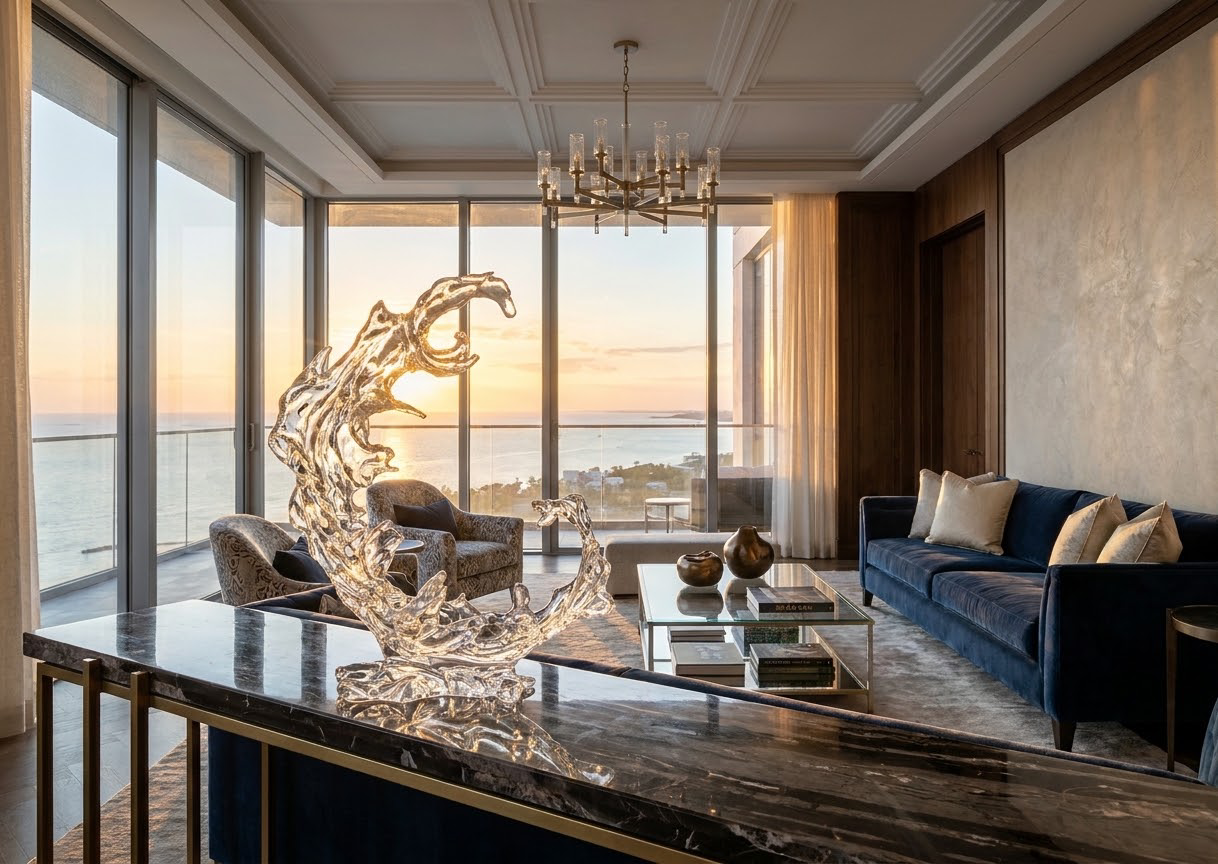
Design miscommunication and unclear specifications are major sources of manufacturing errors in custom furniture projects. Detailed documentation prevents costly rework and delays.
3.1 Comprehensive Design Documentation Best Practices
Create thorough design packages that leave no room for interpretation:
Detailed 2D drawings with all dimensions
3D renderings showing all angles and finish details
Material specifications including acrylic material fine processing techniques
Furniture size and shape customization requirements
Hardware specifications and installation instructions
Tolerance guidelines for critical dimensions
For custom furniture design and development projects, include material samples with your design package. This ensures the factory understands exactly what modern design furniture aesthetic you're targeting.
3.2 Prototype and Sampling Risk Reduction
Never skip the prototyping phase for custom transparent furniture:
Request functional prototypes for structural pieces like acrylic chairs and stools
Test high-thickness acrylic structures for stability and load capacity
Verify color matching under different lighting conditions
Evaluate transparent material applications in furniture design for practicality
Document all prototype revisions for production reference
For design-focused transparent coffee tables and decorative furniture, prototypes should be reviewed by both design and engineering teams to ensure aesthetics don't compromise functionality.
4. Supply Chain and Material Risk Mitigation
Global supply chain volatility continues to impact custom furniture manufacturing in 2026. Proactive supply chain management prevents material shortages and cost fluctuations.
4.1 Material Sourcing and Inventory Management
Build supply chain resilience with these strategies:
Dual sourcing: Maintain relationships with 2+ material suppliers for critical components
Safety stock: Require factories to maintain 15-20% buffer stock of key materials
Lead time planning: Account for 4-6 week material lead times for premium acrylic
Cost locking: Negotiate fixed material prices for large projects
Alternative materials: Identify acceptable substitutes for non-critical components
For synthetic crystal chandeliers and other specialty pieces, verify that rare materials or custom colors are available before finalizing project timelines. Transparent dining tables with large single-piece tops require special material sourcing planning.
4.2 Logistics and Import/Export Risk Management
Plan for logistics challenges that can delay delivery:
Research import regulations and customs requirements in advance
Obtain all necessary certifications for organic glass furniture (RoHS, REACH, etc.)
Work with experienced freight forwarders specializing in fragile goods
Consider air freight options for time-sensitive transparent design console tables
Build buffer time into schedules for potential customs delays
For restaurant chains and catering groups with multiple locations, consolidate shipments to reduce logistics complexity and costs. Acrylic bar counters for multiple venues can be produced and shipped in batches.
5. Delivery Delay Prevention and Management
Delivery delays are the most common complaint in custom furniture projects. A 2026 survey found that 68% of commercial furniture projects experience delays of 2 weeks or more.
5.1 Proactive Delay Prevention Strategies
Prevent delays before they occur with these measures:
Realistic timelines: Build 20-30% buffer time into production schedules
Milestone tracking: Set clear production milestones with specific deadlines
Regular updates: Require weekly progress reports from the factory
Risk assessment: Conduct monthly risk reviews to identify potential delays early
Contingency planning: Prepare backup plans for critical path activities
For luxury hotel custom furniture solutions, create detailed Gantt charts showing all production, shipping, and installation milestones. High-end crystal billiard tables and other large pieces require extra installation planning.
5.2 Effective Delay Response and Mitigation
When delays occur, respond quickly to minimize impact:
Immediate communication: Request detailed delay explanations within 24 hours
Impact assessment: Evaluate how delays affect overall project timelines
Corrective actions: Work with the factory to implement recovery measures
Stakeholder updates: Keep clients and project teams informed of status changes
Compensation negotiation: Discuss penalties or discounts for significant delays
For commercial space design and decoration companies, maintain relationships with backup manufacturers for emergency situations. This is especially important for time-sensitive custom furniture designer projects with hard deadlines.
6. Financial and Contractual Risk Protection
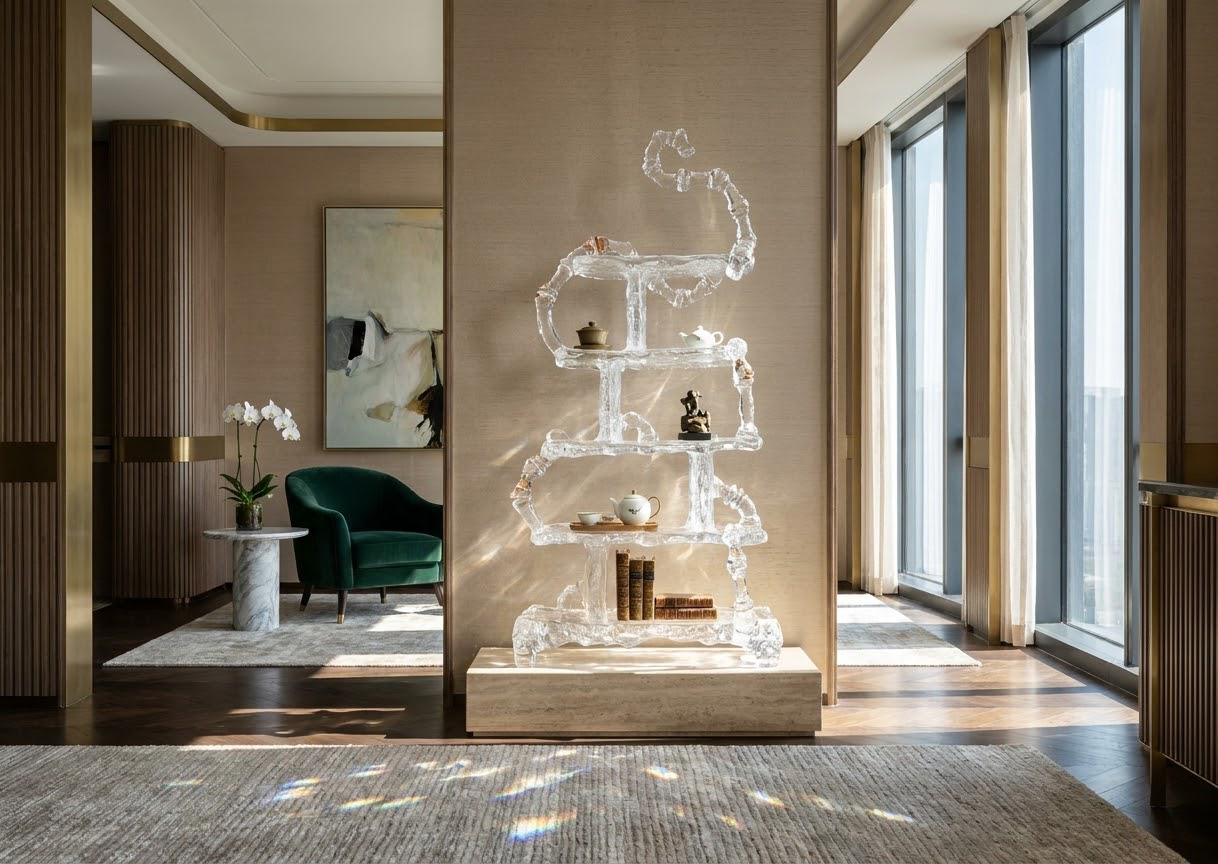
Financial risks in custom furniture projects can include cost overruns, payment disputes, and warranty issues. Strong contracts protect all parties involved.
6.1 Contractual Risk Mitigation Strategies
Include these clauses in manufacturing contracts:
Clear payment terms: Tie payments to specific production milestones (30% deposit, 40% mid-production, 30% pre-shipment)
Quality standards: Define acceptable defect rates and inspection procedures
Delivery penalties: Include liquidated damages for late deliveries
Warranty provisions: Specify warranty coverage and duration
Intellectual property: Protect design copyrights and confidentiality
For architecture and interior design firms, ensure contracts include clauses protecting your design intellectual property. Custom synthetic crystal furniture designs are valuable assets that require protection.
6.2 Long-Term Risk Management and Continuous Improvement
Build long-term resilience with these practices:
Maintain a preferred vendor list of pre-vetted factories
Conduct annual performance reviews of manufacturing partners
Document lessons learned from each project
Update risk management procedures based on past issues
Invest in custom furniture design and development capabilities internally
For high-end furniture brands and enterprises, developing strategic partnerships with key manufacturers reduces long-term risks and improves quality consistency. Regular factory visits strengthen relationships and ensure ongoing quality.
Conclusion
Reducing manufacturing risks in custom furniture projects requires a comprehensive approach that spans factory selection, quality control, design management, supply chain planning, delivery management, and financial protection.
By implementing the strategies outlined in this guide, interior designers, architects, hotel procurement managers, and commercial project leaders can significantly reduce risks, improve project outcomes, and deliver exceptional synthetic crystal furniture and acrylic furniture and decor that exceeds client expectations.
As the custom furniture market continues to grow in 2026 and beyond, proactive risk management will become increasingly important for maintaining competitive advantage and client satisfaction.
READ MORE:
- How Synthetic Crystal Furniture Reduces Dimensional Deviation, Surface Defects, and Manufacturing Rework From 3D Design to Physical Pieces
- Engineering Complex-Shaped Synthetic Crystal Furniture: Solving Structural Design, Material Adaptation, and Prototype Validation Challenges
- Execution Risk Management for Architectural Projects: How to Control Design Changes, Manufacturing Accuracy, and Delivery Schedules?
- Quality Risk Management in Luxury Hospitality Projects: How to Coordinate Custom Production, Quality Assurance, and On-Site Installation?
- Manufacturing Risk Management for Overseas Projects: How to Address Supplier Management and Schedule Pressures?
- Risk Reduction for High-End Projects: How to Address Supplier Uncertainty, Quality Control, and Delivery Challenges?
- Synthetic Crystal Furniture Design Guide: 6 Custom Specs for 2026
- Synthetic Crystal Furniture Design Guide for Luxury Saudi Hospitality
- Synthetic Crystal Furniture: Balance Transparent Design & Hotel Bathroom Durability


