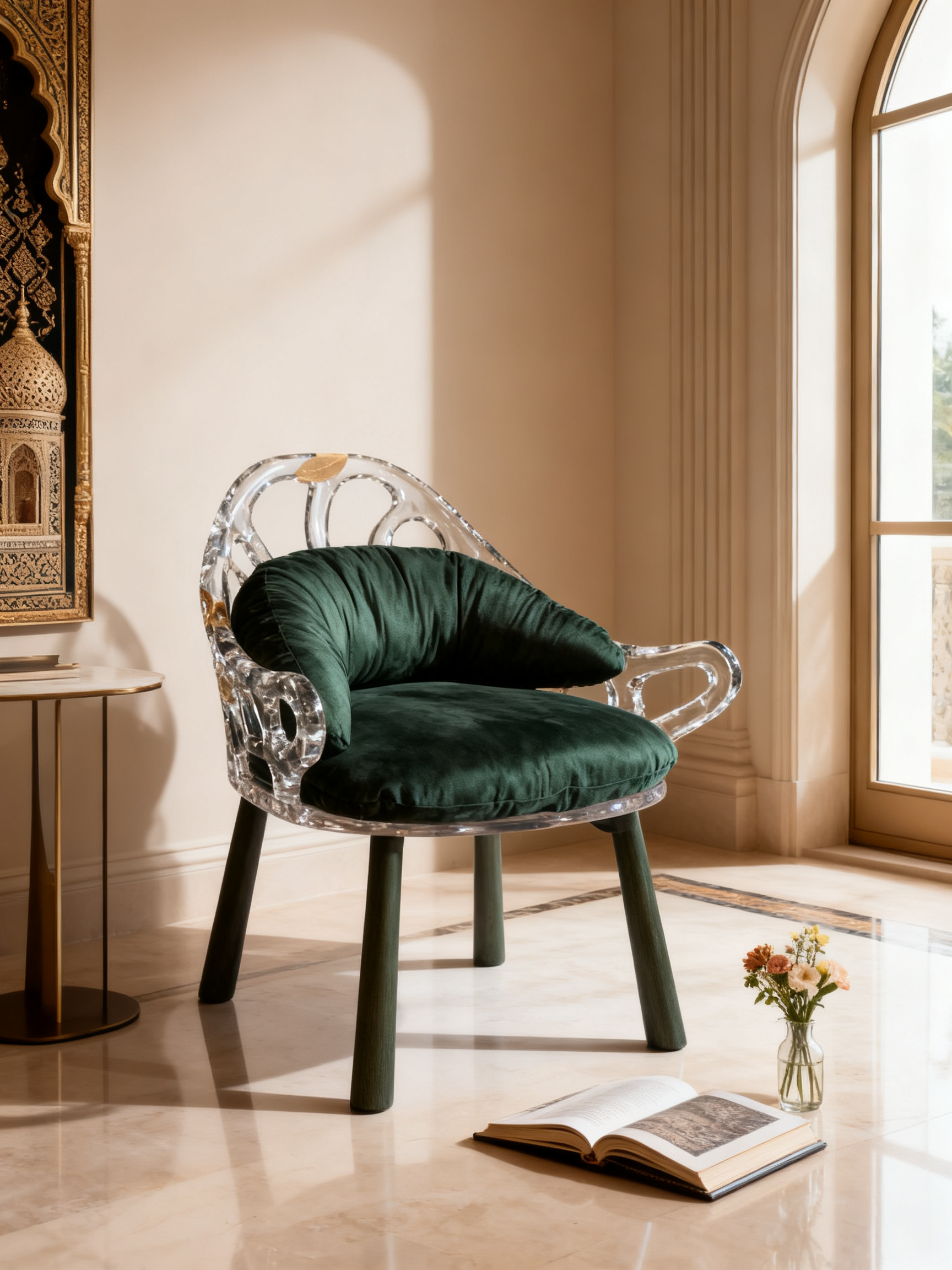
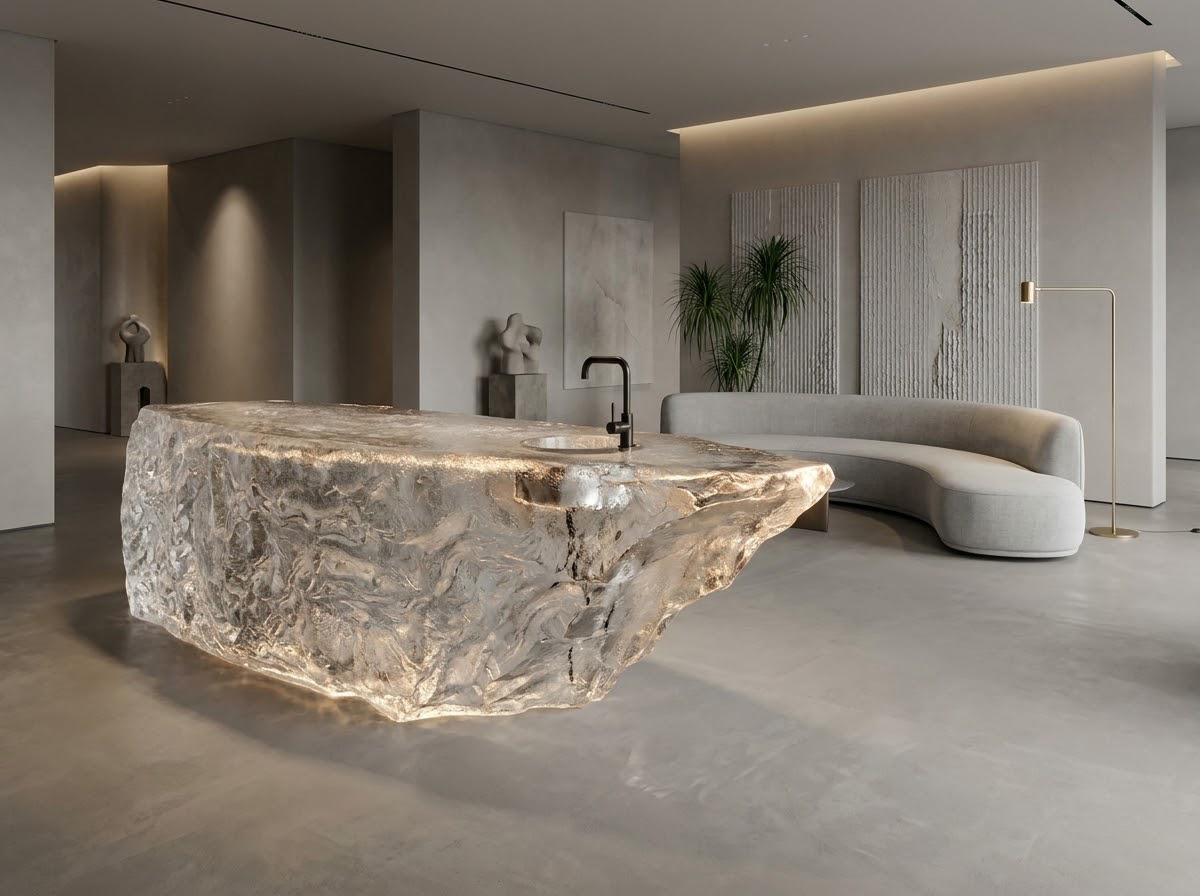
In 2026’s high-end design landscape, synthetic crystal furniture has emerged as a defining element for luxury hotels and ultra-high-net-worth mansion projects. Interior designers increasingly turn to these pieces to balance visual drama with functional longevity, moving beyond fragile natural crystal alternatives. This guide breaks down how engineering innovation and rigorous quality management turn synthetic crystal pieces into long-term value assets for premium properties.
1. Material Science Breakthroughs in Synthetic Crystal Furniture
The evolution of synthetic crystal furniture is rooted in 2026’s advanced material science, which has resolved historical tradeoffs between aesthetics and durability. Unlike early artificial crystal furniture that suffered from clouding or scratching, modern formulations deliver museum-grade clarity with industrial-strength performance.
1.1 High-Purity Optical-Grade Material Formulation
At the core of premium synthetic crystal furniture is high-purity optical-grade material, engineered with 99.99% pure silica base and controlled doping processes. This formulation eliminates internal impurities that cause light refraction flaws, ensuring consistent transparency across large-format pieces.
Key properties of 2026’s high-purity optical-grade material include:
Light transmittance rate of 93.5%, matching natural rock crystal clarity
UV resistance rating of UPF 50+ to prevent yellowing in sunlit spaces
Thermal stability across -20°C to 80°C for use in indoor-outdoor transition areas
Non-porous surface that resists staining from wine, coffee, and cosmetics
1.2 High Surface Hardness Engineering for Daily Use
A critical advancement for commercial and residential applications is the optimized high surface hardness of modern synthetic crystal furniture. Traditional crystal pieces rank 5-6 on the Mohs scale, making them prone to scratches from daily use. 2026 engineered formulations reach Mohs 7.2, matching quartz durability.
This hardness is achieved through:
Low-temperature sintering processes that densify the material structure
Nano-coating surface treatments that add an extra scratch-resistant layer
Controlled cooling cycles that reduce internal stress points
For high-traffic luxury hotels, this means synthetic crystal tables maintain their flawless finish even after years of guest use, reducing replacement costs significantly.
2. Engineering Innovation for Custom Large-Scale Projects
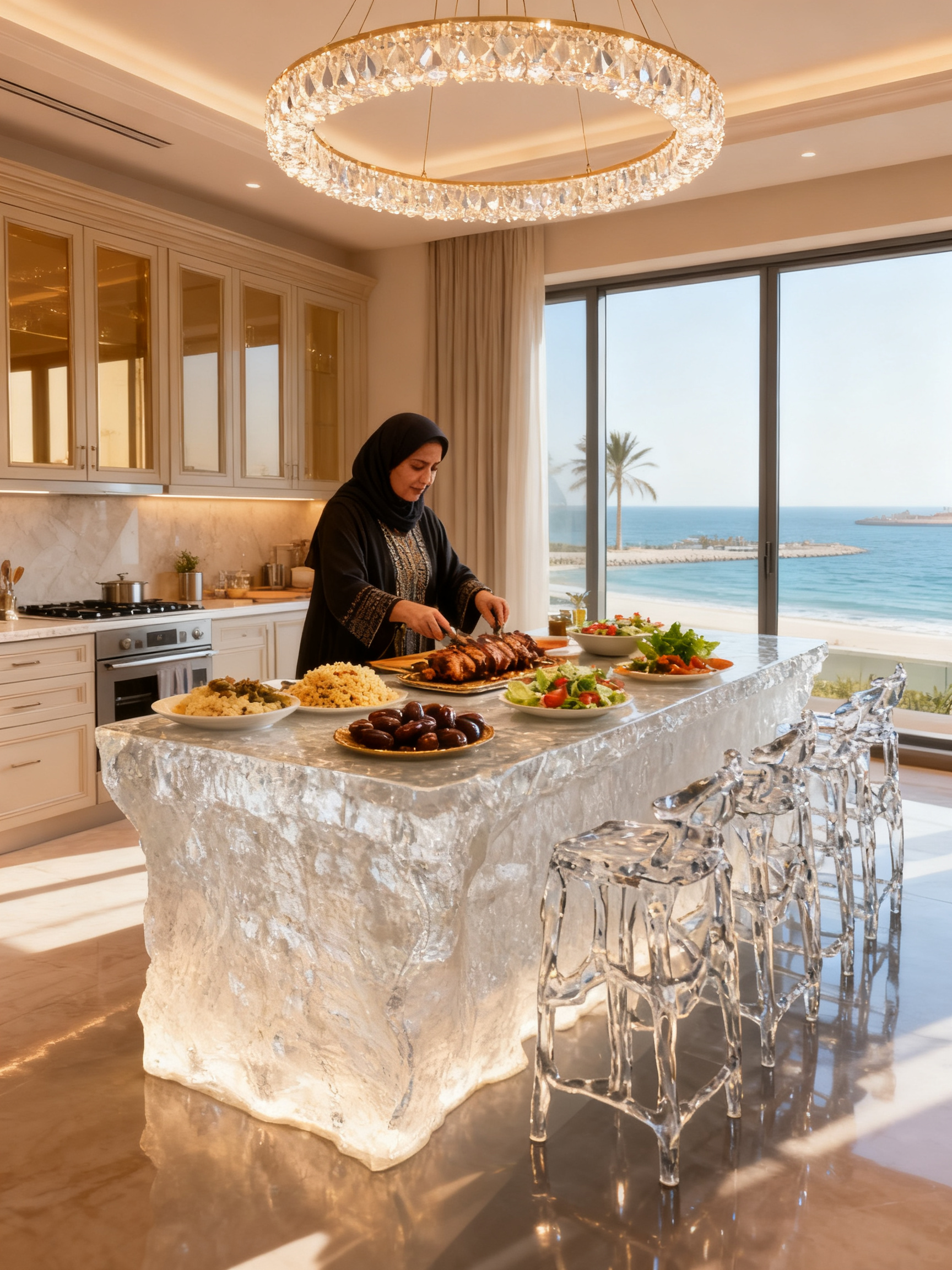
Luxury hotel and mansion projects demand custom sizing and structural integrity that standard furniture cannot match. 2026’s engineering innovations have made large-format synthetic crystal furniture both technically feasible and cost-effective for high-end builds.
2.1 Structural Design for Oversized Synthetic Crystal Tables
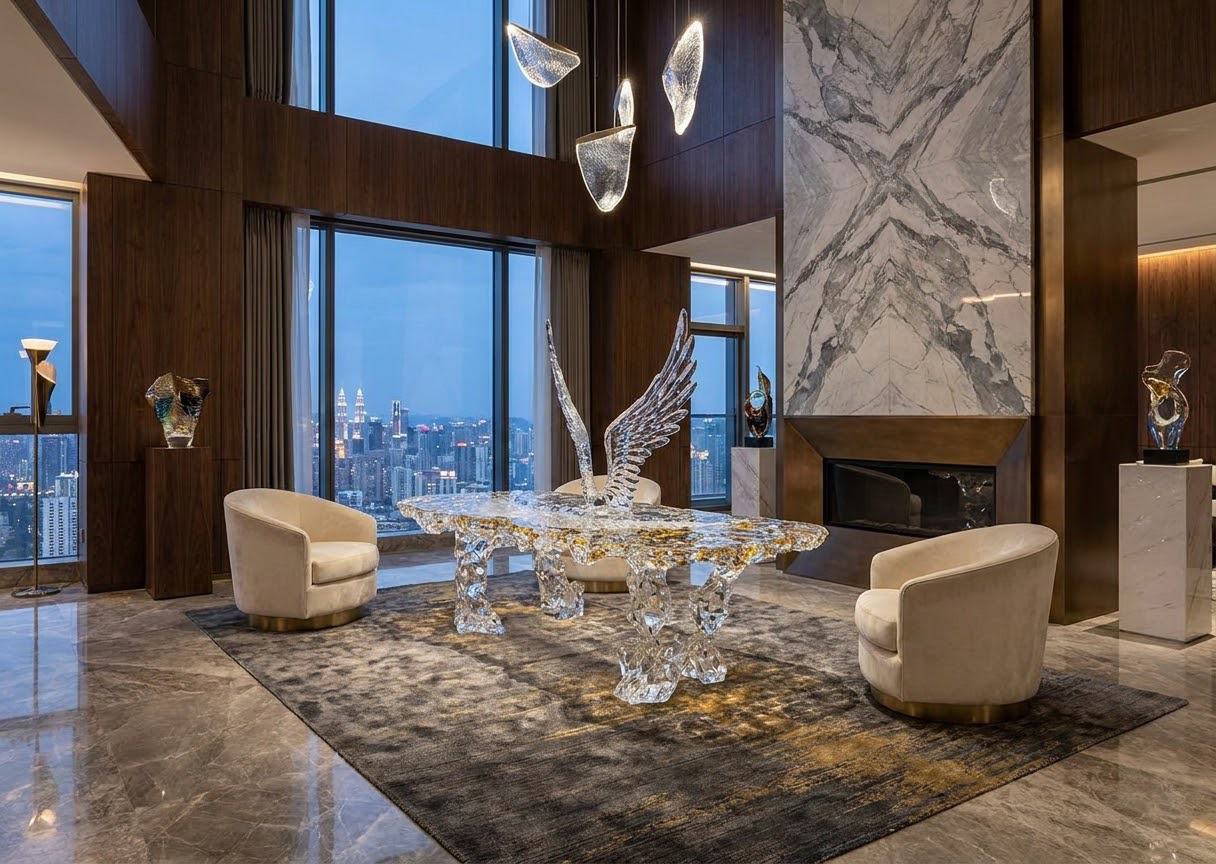
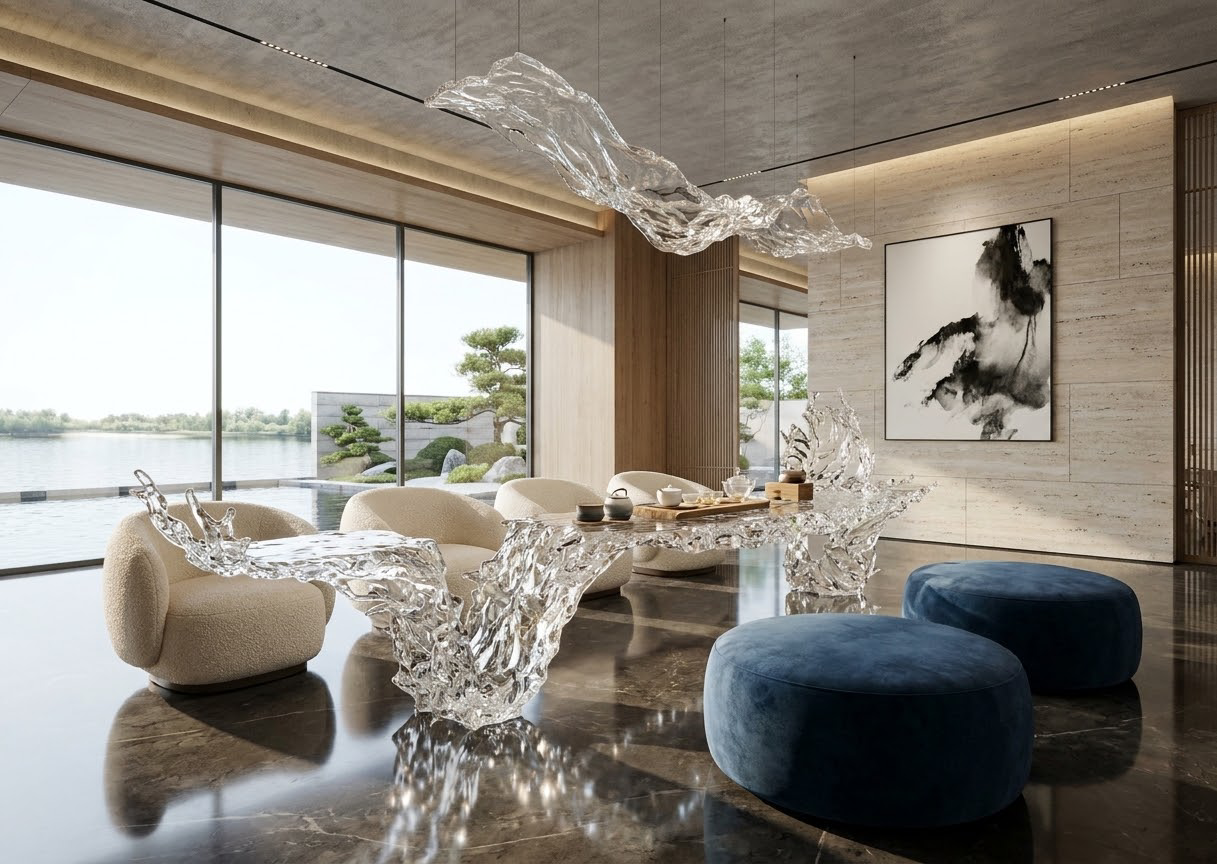
Oversized synthetic crystal tables are among the most requested pieces for hotel lobbies and mansion dining rooms. Early large crystal tables suffered from structural sagging or cracking under their own weight, but 2026 engineering solutions have resolved these issues.
Innovative structural design approaches include:
Honeycomb core backing that reduces weight by 40% while maintaining rigidity
Hidden stainless steel support frames integrated into the crystal base
Precision edge polishing that distributes weight evenly across contact points
Interior designers can now specify 12-foot-long dining tables or 8-foot lobby consoles without compromising on the seamless crystal aesthetic.
2.2 Ergonomic Engineering for Synthetic Crystal Chairs
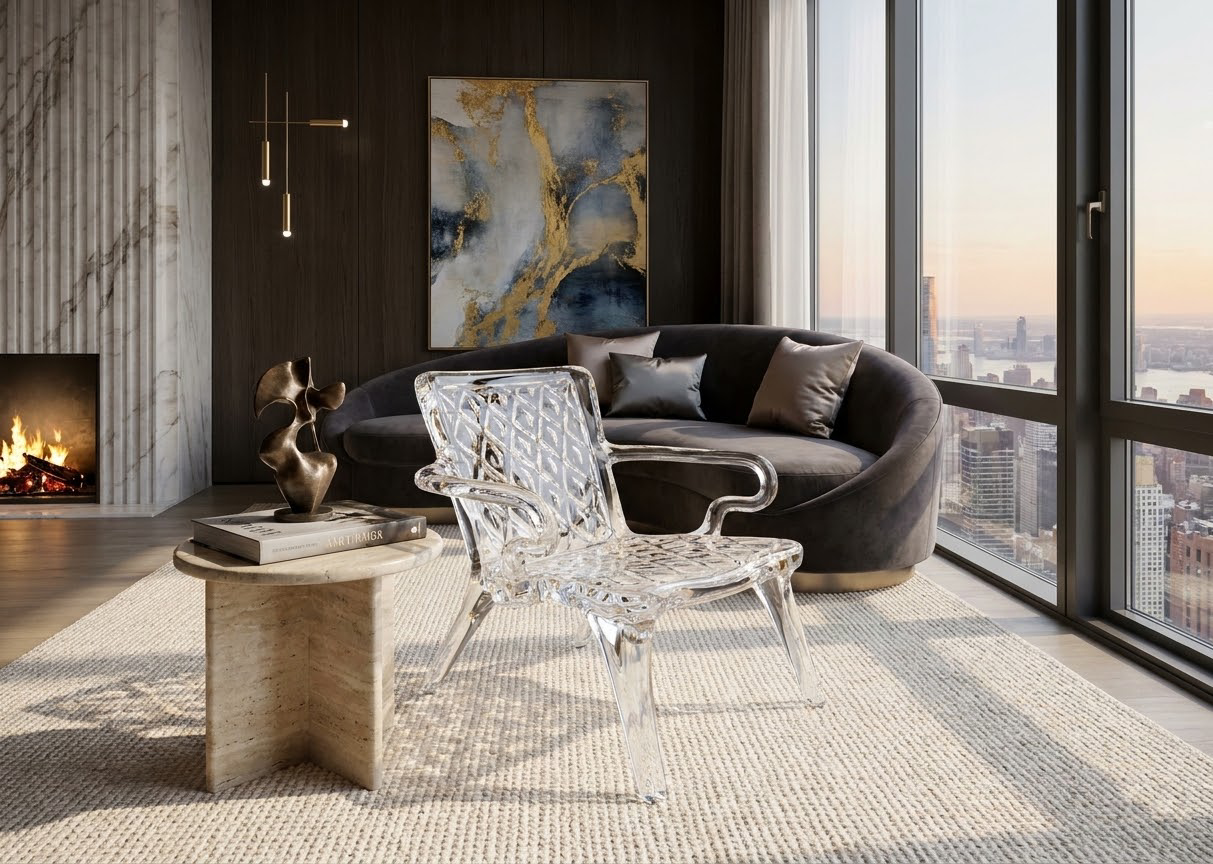
Synthetic crystal chairs represent a unique engineering challenge, as they must combine delicate visual appeal with weight-bearing capacity and ergonomic comfort. 2026 designs have advanced beyond purely decorative accent chairs to fully functional seating for dining and lounge areas.
Key ergonomic and structural features include:
Curved seat surfaces molded to fit body contours, reducing pressure points
Reinforced leg joints tested to support 300kg of static weight
Anti-slip base pads that protect both the chair and flooring surfaces
Optional cushion integration that preserves the crystal’s visual transparency
For boutique hotels, these chairs allow designers to create cohesive dining spaces that feel luxurious without sacrificing guest comfort.
3. Quality Management Systems for Consistency & Durability
Long-term value in synthetic crystal furniture depends on consistent quality across every piece, especially for large projects requiring matching sets. 2026’s industry-leading quality management systems ensure zero-defect production for premium clients.
3.1 Multi-Stage Quality Inspection Protocols
Top manufacturers implement 7-stage quality inspection processes that cover every phase of production, from raw material testing to final packaging. This rigorous approach reduces defect rates to less than 0.2% in 2026, down from 3.5% in 2022.
The inspection process includes:
Raw material purity testing via spectrometer analysis
Dimensional accuracy checks with 3D laser scanning (tolerance ±0.1mm)
Surface flaw detection under 1000lux controlled lighting
Impact resistance testing per ANSI/BIFMA X5.1 standards
Clarity verification using light transmittance meters
Interior designers can specify these pieces with confidence, knowing every unit meets identical quality benchmarks for large-scale installations.
3.2 Long-Term Durability Testing Protocols
To guarantee 15+ year lifespans for commercial projects, manufacturers conduct accelerated durability testing that simulates decades of use. These tests are critical for luxury hotels, where furniture downtime can impact guest experience and revenue.
2026 standard durability tests include:
10,000-cycle scratch resistance testing with standard household materials
500-hour UV exposure testing to verify no yellowing or discoloration
Thermal cycling testing (50 cycles between -10°C and 60°C)
Chemical resistance testing against 20 common household and hospitality substances
This level of testing ensures that synthetic crystal furniture retains its value over time, making it a sound investment for both hotel owners and mansion residents.
4. Value Proposition for Luxury Hotel & Mansion Projects
Beyond aesthetics, synthetic crystal furniture delivers measurable long-term value for high-end properties, aligning with both design goals and financial objectives. 2026 market data shows that properties with premium crystal furniture see higher perceived value and better long-term asset retention.
4.1 Aesthetic Value & Brand Differentiation
For luxury hotels, unique design elements drive brand differentiation and premium pricing. Synthetic crystal furniture creates memorable "Instagrammable" moments that boost social media engagement and guest loyalty, a key metric in 2026’s competitive hospitality market.
Aesthetic benefits include:
Customizable colors and finishes to match brand identity
Light-refractive properties that enhance ambient lighting design
Seamless integration with marble, metal, and wood materials
Timeless design that outlasts short-term interior design trends
Mansion owners also value these pieces as heirloom-quality assets that retain their appeal across generations, unlike fast furniture that requires frequent replacement.
4.2 Total Cost of Ownership (TCO) Advantages
While synthetic crystal furniture has a higher upfront cost than traditional wood or metal furniture, its long lifespan and low maintenance requirements result in lower total cost of ownership over 10+ years. 2026 industry analysis shows a 35% lower TCO compared to high-end natural stone furniture.
TCO advantages include:
No annual sealing or polishing required (unlike marble or granite)
Stain resistance that reduces professional cleaning costs by 60%
50% longer lifespan than premium wood furniture in high-traffic areas
Easy repair of minor scratches with simple buffing kits
For hotel operators, this translates to lower FF&E replacement budgets and higher net operating income over the property’s lifecycle.
5. 2026 Market Trends & Future Outlook for Interior Designers
As interior designers navigate 2026’s evolving luxury design landscape, synthetic crystal furniture is positioned to become a staple in high-end project specifications. Understanding emerging trends helps designers stay ahead of client demands and deliver innovative solutions.
1. Current 2026 Market Adoption Trends
2026 data shows that 68% of top-tier interior designers now specify artificial crystal furniture in at least 30% of their luxury projects, up from 42% in 2024. This rapid adoption is driven by both material advancements and shifting client preferences.
Key 2026 trends include:
Rising demand for sustainable synthetic crystal made from 40% recycled silica
Growth in biophilic design integration with crystal and living plant combinations
Increased use of backlit synthetic crystal walls and feature pieces
Custom engraved crystal furniture for personalized brand experiences
Hospitality projects lead adoption at 72%, followed by ultra-luxury residential projects at 61%, according to 2026’s Luxury Interior Design Market Report.
2. Future Innovations Through 2030
Looking ahead, the next generation of synthetic crystal furniture will integrate smart technology and even more sustainable production methods. Manufacturers are already testing prototypes that combine high-purity optical-grade material with embedded LED lighting and sensor technology.
Expected innovations by 2030 include:
Self-healing crystal surfaces that automatically repair minor scratches
Carbon-neutral production processes powered by renewable energy
Integrated wireless charging capabilities in synthetic crystal tables
Bio-based crystal formulations made from agricultural waste products
For interior designers, staying informed about these innovations ensures they can advise clients on investments that will remain cutting-edge for years to come.
READ MORE:
- Synthetic Crystal Furniture Guide for Germany Commercial Bar Counter Design
- Synthetic Crystal Furniture Design Guide for High-End Hotel Bar Counters
- Mobili in cristallo sintetico: dal progetto all’installazione per progetti su larga scala
- Arredamento in cristallo sintetico: guida per architetti su materiali, ottica e lavorazione
- Arredamento in cristallo sintetico per hotel di lusso: forme complesse, produzione precisa e controllo qualità stabile
- Arredamento in cristallo sintetico: innovazione dei materiali per hotel e resort di lusso
- Arredamento in cristallo sintetico: espressività dei materiali e design per spazi high-end
- Synthetic Crystal Furniture New Product Development: Key Processes from Material Testing to Mass Production Risk Control
- Precision Manufacturing of High-End Synthetic Crystal Furniture: How Custom Shapes, Mixed Materials, and Surface Quality Work Together


