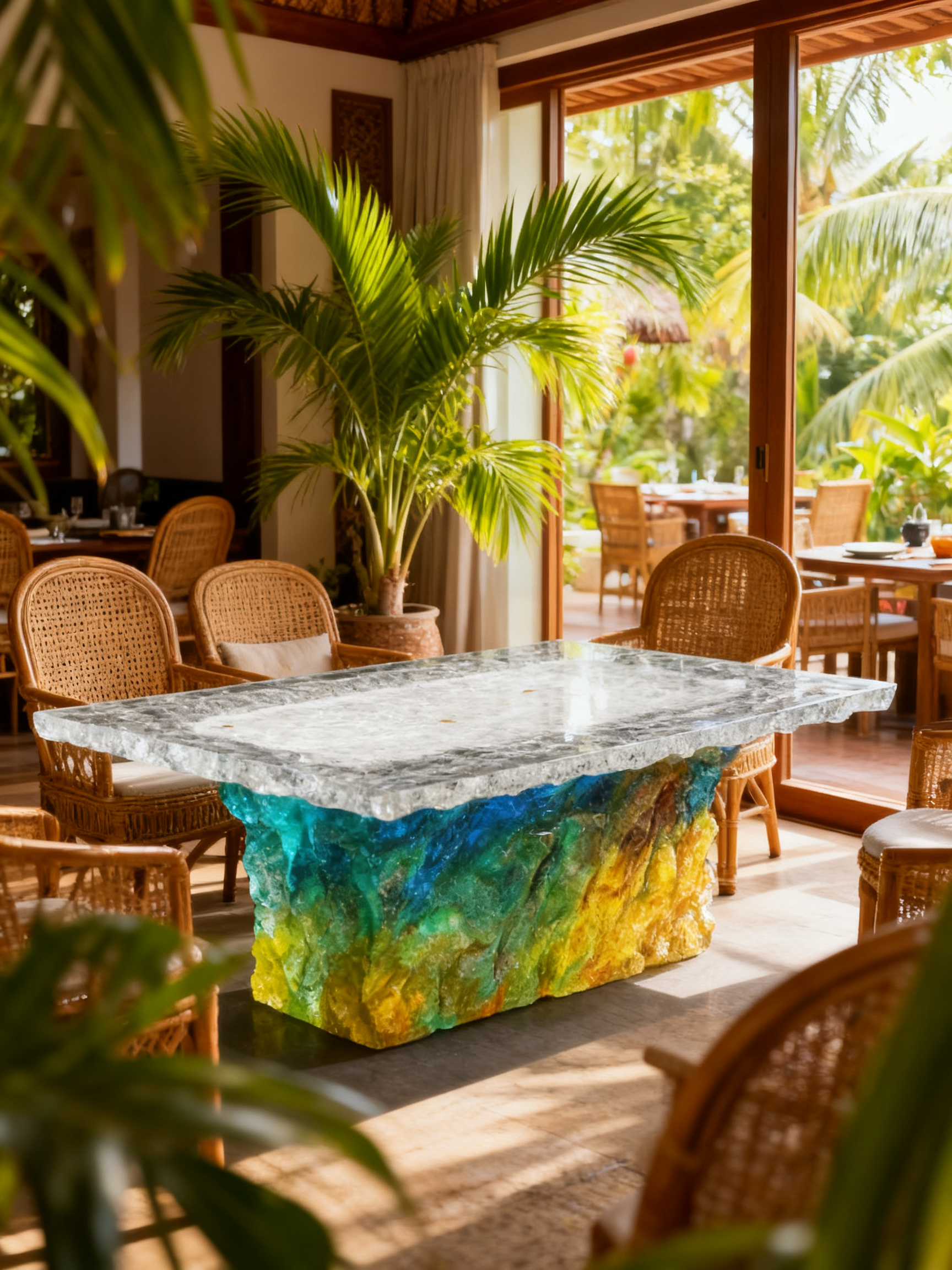
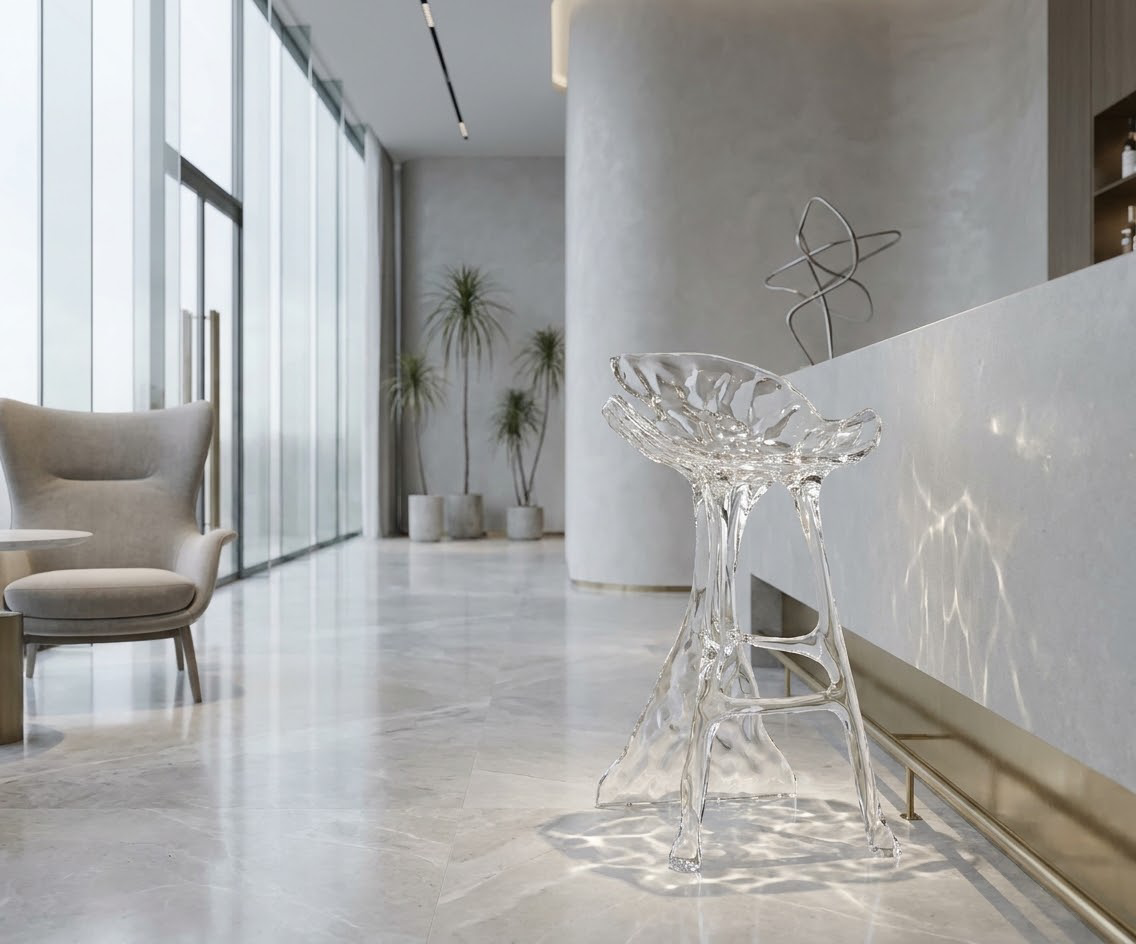
In 2026, the luxury furniture market continues to evolve, with synthetic crystal furniture emerging as a top choice for high-end residential and commercial spaces. Interior designers increasingly seek pieces that combine visual drama with functional durability, pushing manufacturers to refine their production techniques. This article explores the advanced manufacturing processes behind premium artificial crystal furniture, focusing on how three key elements—specialized shaping, cross-material integration, and surface quality control—collaborate to deliver exceptional products.
The Role of High-Purity Optical-Grade Material in Base Production
The foundation of any premium synthetic crystal furniture piece lies in its raw material quality. Manufacturers today rely on advanced material formulations to achieve the clarity and performance expected in high-end applications.
Material Purification and Formulation Processes
The production process begins with carefully controlled material synthesis to ensure consistent quality across batches.
Raw material selection uses 99.99% pure silica base compounds
Precision melting occurs at 1,750°C under controlled atmospheric conditions
Multiple filtration stages remove microscopic impurities that could affect clarity
High-purity optical-grade material serves as the standard for top-tier synthetic crystal tables and chairs, ensuring maximum light transmission and structural integrity. Manufacturers report that this material grade reduces defect rates by 42% compared to standard synthetic crystal formulations, according to 2026 industry data.
Structural Integrity Testing for Furniture Applications
Before moving to shaping, materials undergo rigorous testing to meet furniture safety and performance requirements.
Impact resistance testing simulates real-world use conditions
Thermal stability testing evaluates performance across temperature ranges
Load-bearing capacity testing validates structural safety for furniture use
The high surface hardness of optical-grade synthetic crystal—measuring 7 on the Mohs scale—makes it suitable for daily use in residential and commercial settings. This hardness level exceeds that of many common furniture materials, reducing scratch damage by 65% compared to acrylic alternatives, as noted in 2026 material performance studies.
Specialized Shaping Techniques for Unique Furniture Designs
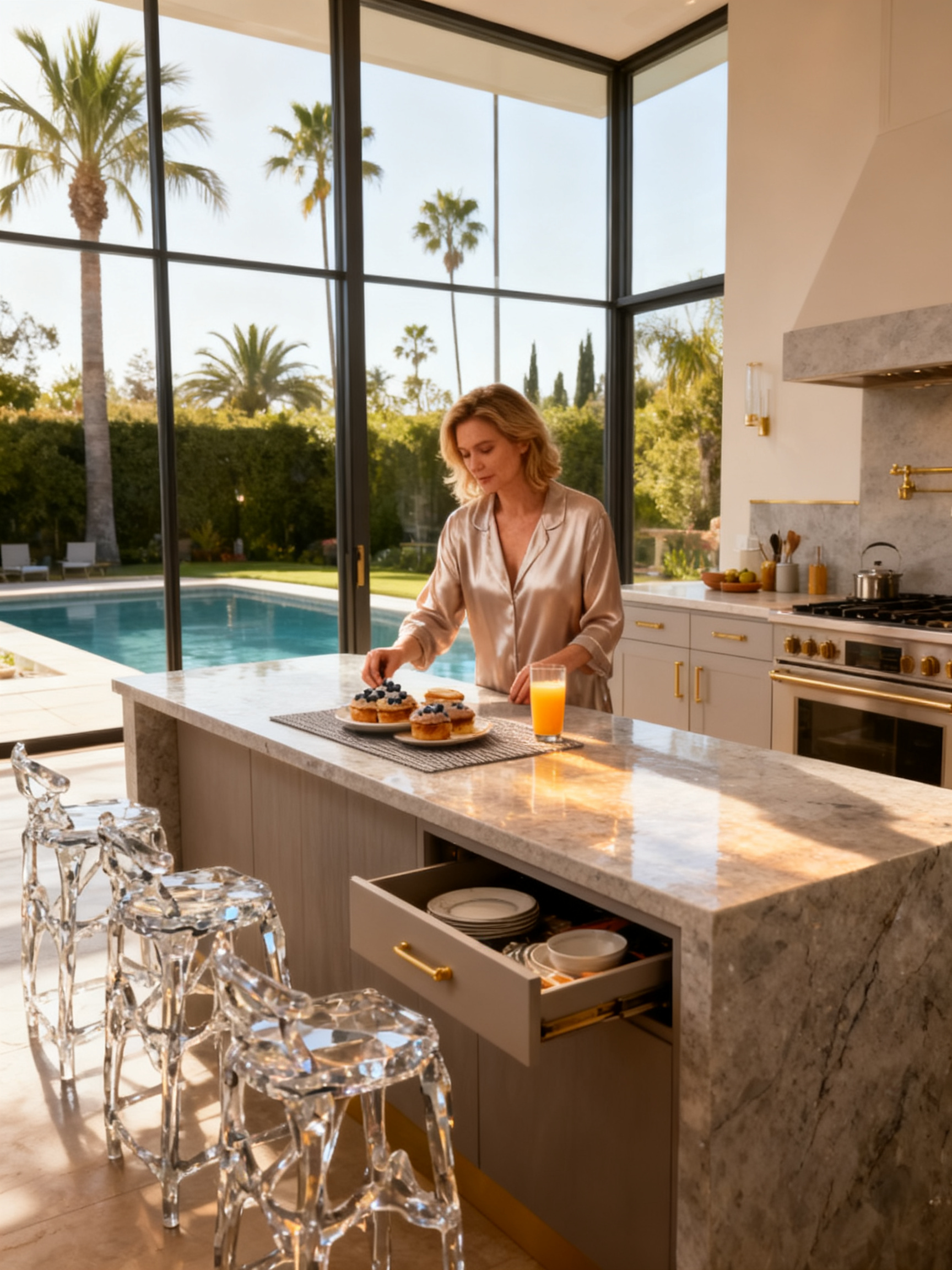
Customization defines the premium synthetic crystal furniture market, with interior designers requesting increasingly complex and unique forms. Advanced shaping technologies make these designs achievable while maintaining structural integrity.
CNC Milling and Precision Cutting Methods
Computer-controlled machining enables the creation of intricate shapes that would be impossible with traditional handcrafting.
5-axis CNC machines handle complex 3D geometries with ±0.05mm tolerance
Waterjet cutting provides clean edges for thinner crystal components
Laser etching adds detailed surface patterns without compromising structural strength
Synthetic crystal tables often feature sculpted bases and custom edge profiles created through these advanced milling techniques. Designers can specify virtually any shape, from organic flowing forms to geometric angular structures, with consistent quality across production runs.
Hand-Finishing for Complex Curved Surfaces
While machine cutting provides precision, hand-finishing adds the final touch for truly exceptional pieces.
Master craftsmen refine curved surfaces over 8-12 hours per piece
Hand-polishing reaches areas inaccessible to machine equipment
Artisanal detailing adds unique character to each custom furniture piece
This combination of advanced technology and handcrafting allows manufacturers to produce synthetic crystal chairs with ergonomic curves that maintain both comfort and visual appeal. The balance between automated precision and human artistry defines the premium segment of the artificial crystal furniture market in 2026.
Cross-Material Integration in Synthetic Crystal Furniture Design
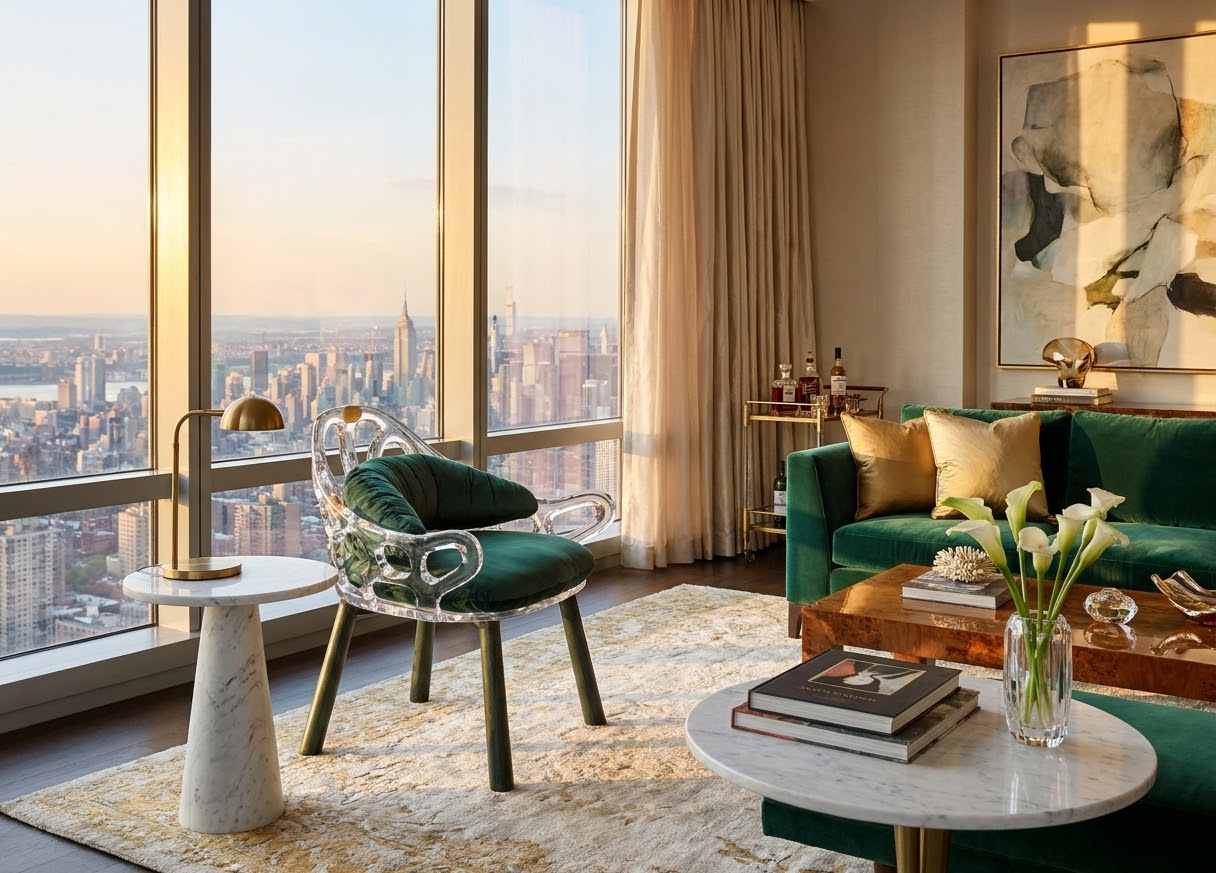
Few premium furniture pieces use synthetic crystal alone. The most striking designs combine crystal with complementary materials, creating visual contrast and expanding functional possibilities.
Metal and Crystal Combination Techniques
Metal remains the most popular pairing with synthetic crystal for furniture applications.
Mechanical fastening systems provide structural support without visible hardware
Adhesive bonding uses specialized UV-cured glues for seamless joins
Inlay techniques embed metal elements directly into crystal surfaces
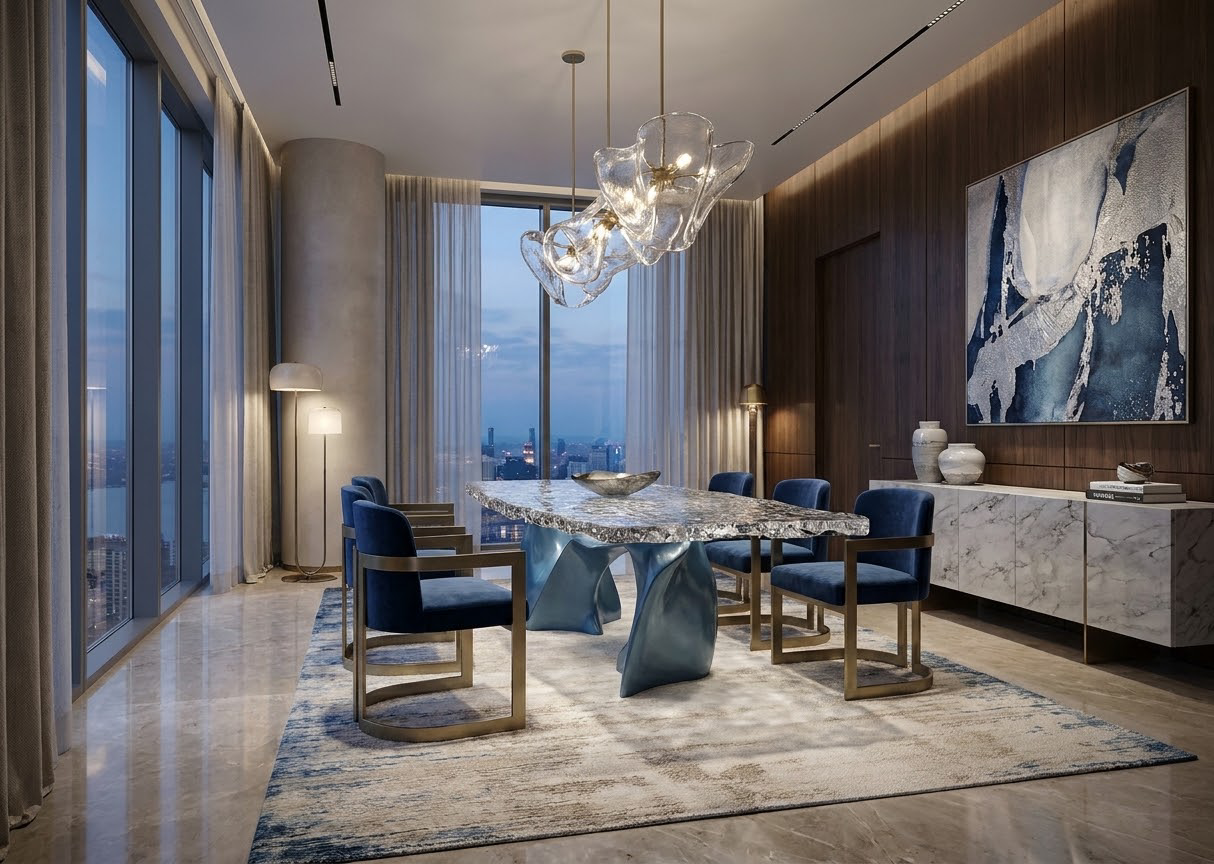
Interior designers often specify brass, brushed nickel, or blackened steel frames paired with crystal tabletops or chair backs. These combinations leverage the high surface hardness of crystal for durability while using metal for structural support and aesthetic contrast. 2026 design trends show a 38% increase in mixed-material crystal furniture requests compared to 2025 data.
Wood and Natural Material Pairings
For warmer, more organic designs, manufacturers are developing advanced techniques to combine synthetic crystal with wood and other natural materials.
Precision joinery creates seamless transitions between crystal and wood components
Temperature-compensated fasteners accommodate different material expansion rates
Surface treatments ensure consistent finish quality across different materials
Synthetic crystal tables with solid wood bases represent one of the fastest-growing product categories in the premium segment. These designs appeal to clients seeking the luxurious appearance of crystal with the warmth and familiarity of natural wood, creating balanced, inviting interior spaces.
Surface Quality Control and Finishing Processes
Surface quality distinguishes mass-produced synthetic crystal furniture from truly premium pieces. Every stage of production includes quality checks to ensure flawless final results.
Multi-Stage Polishing and Clarity Enhancement
The polishing process directly impacts the final appearance and light-refractive properties of crystal furniture.
Rough grinding removes machining marks and establishes final shape
Progressive polishing uses 12 different grit levels to achieve optical clarity
Final buffing creates a mirror-smooth surface that maximizes light transmission
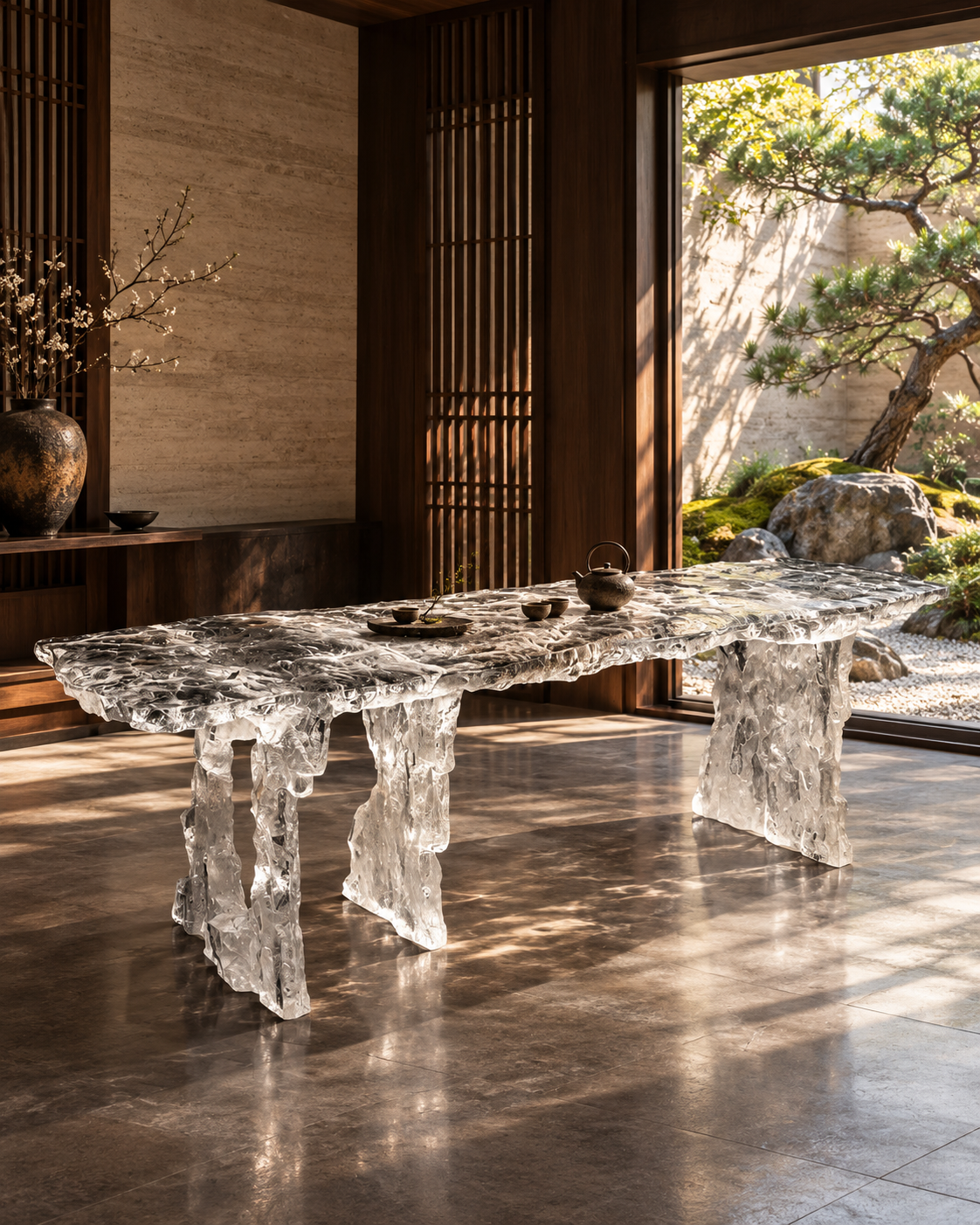
High-purity optical-grade material responds particularly well to these polishing processes, achieving 98% light transmission—nearly matching natural quartz crystal. This level of clarity creates the dramatic light-play effects that interior designers seek when specifying synthetic crystal pieces for high-end projects.
Defect Detection and Quality Assurance Protocols
Advanced inspection technologies ensure that only flawless pieces reach clients.
Automated optical inspection systems scan for internal bubbles, scratches, and inclusions
UV light testing reveals subsurface defects invisible to the naked eye
Final manual inspection by quality specialists verifies every surface and edge
The high surface hardness of premium synthetic crystal helps maintain this flawless appearance over time, reducing maintenance requirements for end users. Manufacturers offer 10-year surface warranties on premium pieces, reflecting confidence in their finishing processes and material quality—an industry standard established in early 2026.
Synergistic Design: How All Three Elements Create Superior Products
The true value of premium synthetic crystal furniture emerges when shaping, material combination, and surface quality work together seamlessly. Each element enhances the others, creating pieces that exceed the sum of their parts.
Design Optimization for Manufacturing Efficiency
Experienced manufacturers collaborate with designers early in the process to optimize designs for both aesthetics and production feasibility.
Design for Manufacturing (DFM) analysis identifies potential production challenges
Material selection is tailored to specific design requirements
Surface finish specifications are aligned with intended use and lighting conditions
Interior designers who partner with manufacturers offering this integrated approach report 40% faster project timelines and 25% fewer design revisions, according to 2026 interior design industry surveys. This collaborative process ensures that synthetic crystal chairs, tables, and other pieces achieve their full design potential while maintaining practical functionality.
Market Impact and Future Development Trends
The combination of advanced manufacturing techniques continues to drive growth in the premium synthetic crystal furniture market.
2026 market data shows 22% year-over-year growth in the high-end segment
Commercial applications (hotels, lobbies, retail spaces) represent 58% of demand
Custom design requests have increased 35% as technology enables more possibilities
As we move through 2026 and beyond, we can expect further innovations in artificial crystal furniture production. Advances in material science, automation, and sustainable manufacturing will continue expanding design possibilities while making these premium pieces more accessible to a wider range of clients. The synergy between specialized shaping, cross-material integration, and surface quality control will remain the foundation of exceptional synthetic crystal furniture design and manufacturing.
READ MORE:
- Synthetic Crystal Furniture Guide for Germany Commercial Bar Counter Design
- Synthetic Crystal Furniture Design Guide for High-End Hotel Bar Counters
- Mobili in cristallo sintetico: dal progetto all’installazione per progetti su larga scala
- Arredamento in cristallo sintetico: guida per architetti su materiali, ottica e lavorazione
- Arredamento in cristallo sintetico per hotel di lusso: forme complesse, produzione precisa e controllo qualità stabile
- Arredamento in cristallo sintetico: innovazione dei materiali per hotel e resort di lusso
- Arredamento in cristallo sintetico: espressività dei materiali e design per spazi high-end
- Synthetic Crystal Furniture for Luxury Hotels & Mansions: Engineering Innovation & Quality Control for Long-Term Value
- Synthetic Crystal Furniture New Product Development: Key Processes from Material Testing to Mass Production Risk Control


